
Reviewed · CHAMPAGNE TASTINGS & TOURS
Champagne Vineyard Experience: Delve into the terroir
Old vines plus a cellar tour equals a sharp sense of how Champagne is made. This experience pairs historic viticulture with a guided tasting that connects flavor to place. I like that you start up top, with the estate grounds, then go down into the cool depths where the work gets real. One thing to keep in mind: it is a short, 90-minute format, so if you want a long, hands-on session or a big tasting lineup, you may find it a bit tight for the price.
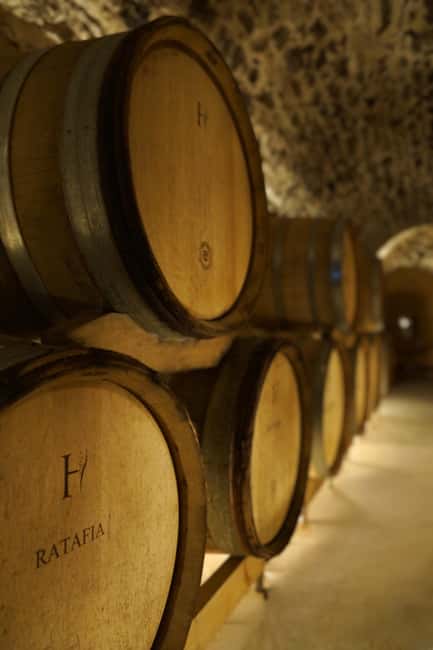
Two specific parts I really like are the focus on old vines and the chance to see how biodiversity fits into everyday farming. You also get a structured look at the production process, not just a walk and a pour. The tasting includes both champagnes and the house’s emblematic Ratafia Champenois, which makes the stop feel more like an education than a simple souvenir moment.
A possible drawback for some people: the experience depends on the quality of the guide and group pacing. The tour feels designed to be clear and efficient, not slow and sprawling, so if you’re the type who wants extra time in the cellar or a more generous tasting, it may not fully match your expectations.
In This Review
- Key highlights to look for
- Starting in the garden, right where the vines begin
- The oldest vines stop: what it teaches you about taste
- Down into the historic cellar and the production “secrets”
- Meeting a producer committed to biodiversity
- The tasting: champagne plus Ratafia Champenois
- Price and value for a 90-minute experience
- Practical fit: who should book, and who might skip
- Should you book this Champagne Vineyard Experience?
- FAQ
- Where does the tour meet?
- How long is the experience?
- What do you taste?
- What languages are available?
- Can children attend?
- Is alcohol allowed for the tasting experience?
Key highlights to look for
- Oldest vines tour that frames why age matters for Champagne character
- Historic cellar visit with guided explanations about production
- Champagne and Ratafia Champenois tasting at the end of the walk
- Biodiversity-focused producer meeting and organic, sustainable viticulture themes
- Terroir connection to Mareuil-le-Port, Épernay, and Tours-sur-Marne
- Bilingual guiding (English and French) with clear, upbeat delivery
Starting in the garden, right where the vines begin
The tour begins at 8 Rue de la Fontaine, inside the courtyard of Champagne Harlin Père & Fils. It’s a good start because it sets the tone: you’re not just heading straight to a tasting room. You begin where the story starts, with the garden area and vines tied to the estate’s family roots.
From there, the route moves through the estate in a way that helps you build a mental map. You go from the living parts of the property, where growth and soil show up every season, down toward the cellars, where time and temperature do the heavy lifting. That order matters. If you try to learn Champagne production only from a cellar description, it can feel abstract. Starting in the vines first makes the later explanations easier to follow.
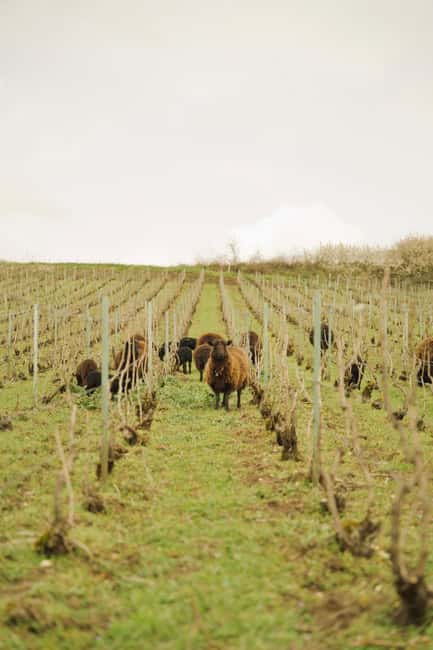
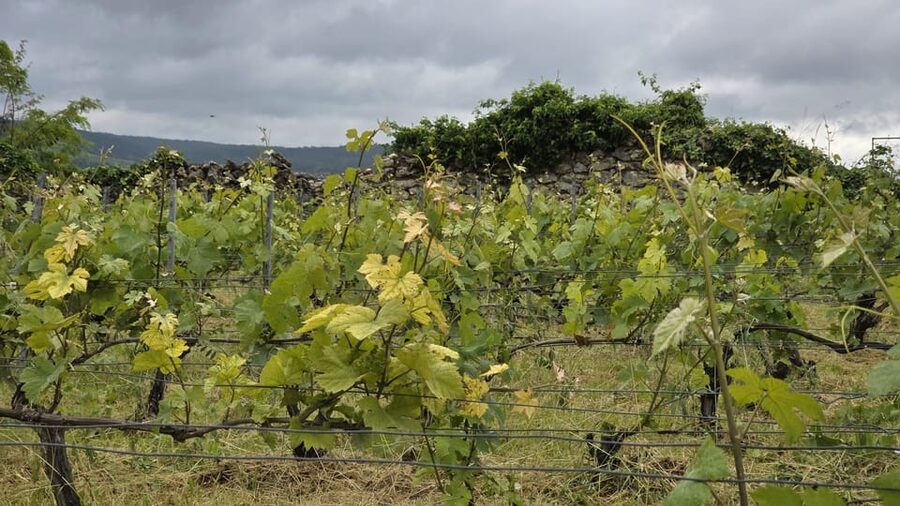
The most distinctive early moment is the tour in the oldest vines. Vine age is not just a bragging right. It can shape how vines handle the seasons and how consistently they produce fruit. Even if you don’t memorize every detail, you’ll feel the difference in emphasis: the guide is steering you toward understanding how “place” and “time” work together.
You should also expect a bit of walking and some stairs on the way to the cellar and the tasting room. Nothing extreme is stated, but it’s enough to factor into your plans if you have mobility concerns. Comfortable shoes help, especially because the cellar areas are cooler and can be slick if you go in wet weather.
More vineyard visits in France:
- Bordeaux: Cité du Vin Entry Ticket and Wine Tasting
★ 4.6 · 3,885 reviews - Montmartre Hill French Gourmet Food and Wine Tasting Walking Tour
★ 5.0 · 2,588 reviews - From Paris: Loire Valley Castles Day Trip With Wine Tasting
★ 4.6 · 1,727 reviews
The oldest vines stop: what it teaches you about taste
This is one of those tours that uses scenery as a learning tool. The guide points you toward organic and sustainable viticulture, and the oldest-vine segment is where those ideas get concrete. You’re not learning sustainability as a slogan. You’re learning it as something that changes farming decisions, which then influences what goes into each cuvée.
Here’s the practical value: you’ll leave with better instincts for reading a label and tasting notes. Instead of only thinking, This Champagne is light or rich, you’ll start thinking, How did the soils and growing conditions shape that style? The tour frames the estate’s soils as the driver behind each cuvée’s character.
If your guide is Sarah or Chléo, you can expect a lively, structured explanation style. The common thread across guides here seems to be clear pacing, and a focus on helping you understand rather than just reciting. That matters because Champagne can be intimidating. You’re not required to be a wine expert. The guide is there to translate the process into simple cause and effect.
You’ll also get a stronger sense of why a single producer can taste consistent while still showing variation from year to year. The tour connects the estate work to the end product. That makes the later tastings more meaningful, because you have a framework for what to look for.
Down into the historic cellar and the production “secrets”
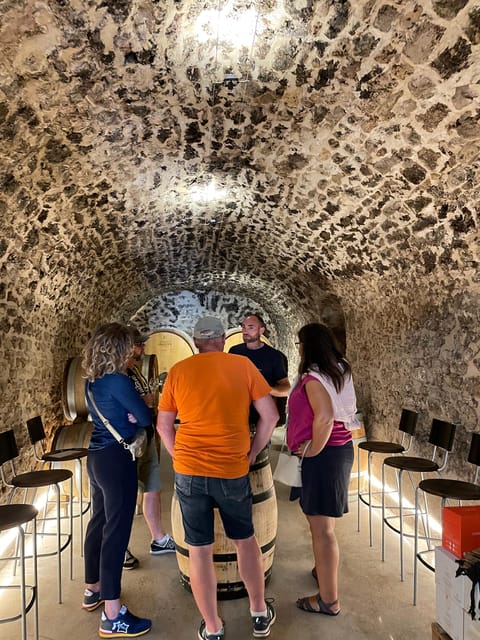
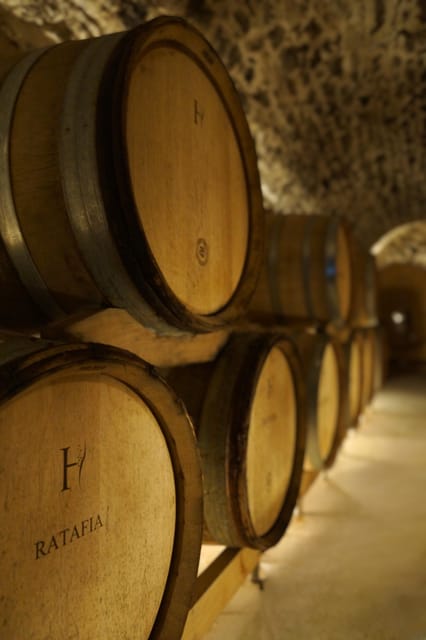
After the vineyard walk, you move into the cool depths of the cellar, where the atmosphere changes fast. Cellars are where the tempo slows down. The tour uses that shift to explain how Champagne production works, guided through the historic cellar.
This part is built around “production secrets,” but the promise here is practical understanding. You’ll hear how Champagne goes from grapes to finished bottles, and you’ll see how the cellar environment supports that transformation. Even if you already know Champagne basics, this segment is useful for filling in the gaps in how a traditional operation thinks.
A key element of the cellar visit is the link to the estate’s approach to farming. The guide ties the vineyard work to the end result, so you’re not just learning process steps in isolation. You hear about soil shaping each cuvée, and that helps you understand why terroir is more than a marketing word.
You’ll also be in a setting that emphasizes time. You go from active growing to stored, managed time in the cellar. That contrast is where the concept of terroir becomes tangible. Terroir is the combination of soil, climate, and how farmers respond each season. The cellar is where you see the response translated into the method.
If you’re going during a busy season, expect the tour to feel structured and time-aware. It’s designed to fit into a 90-minute total experience, so you won’t have hours alone in the cellar. But you will get a guided view that connects the dots.
Meeting a producer committed to biodiversity
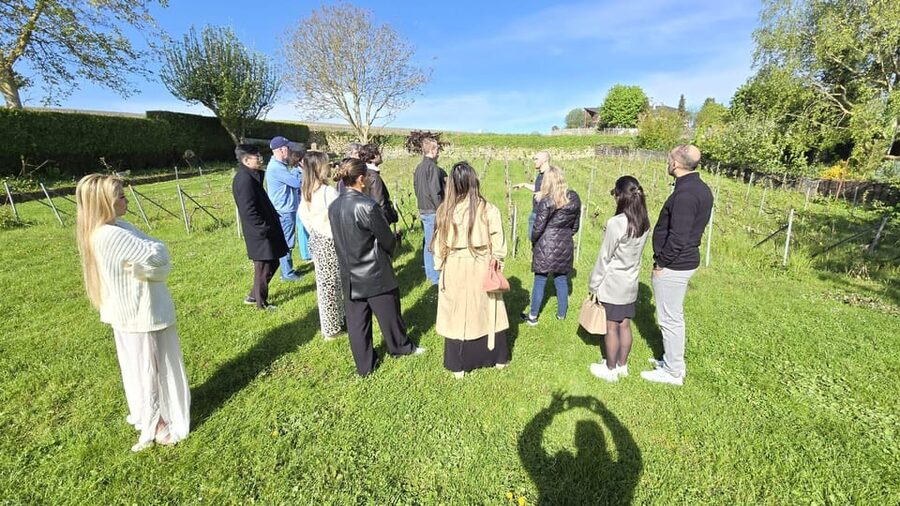
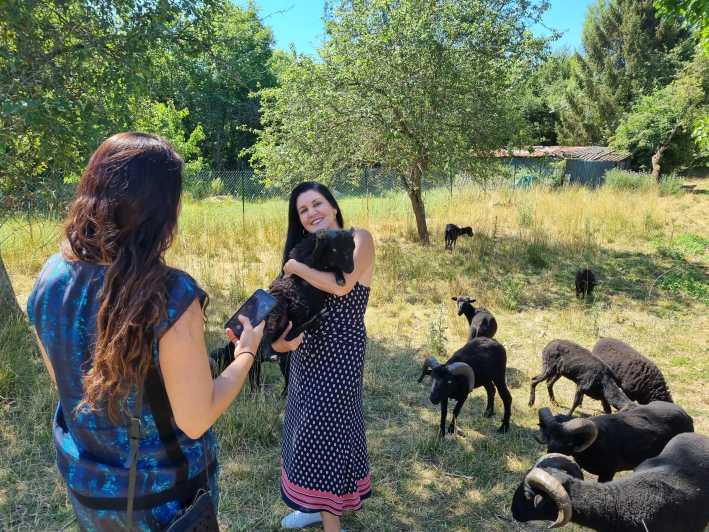
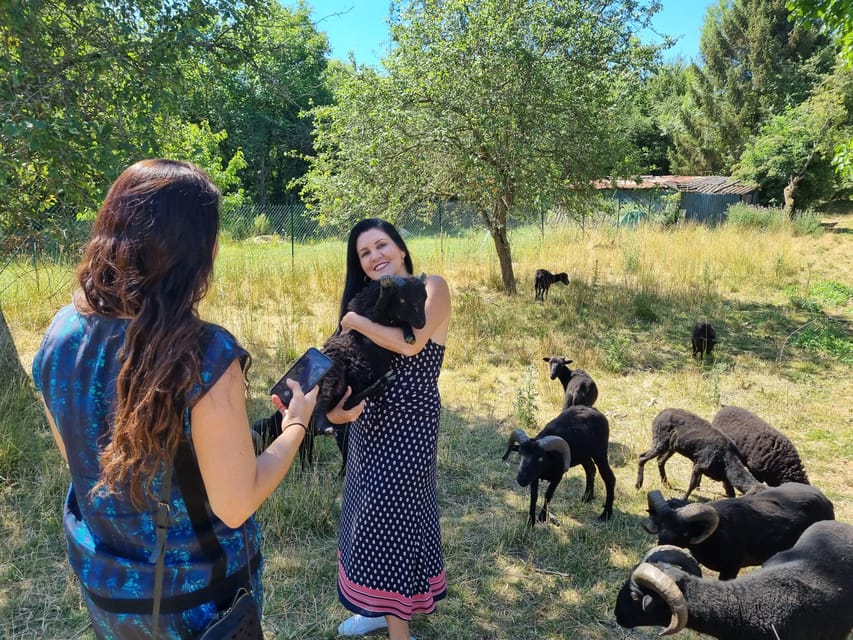
One of the most interesting components is that you don’t just talk to a docent. You also have the chance to meet a Champagne producer with a serious commitment to biodiversity preservation. The goal isn’t to list ecosystems for the sake of it. It’s to show how biodiversity supports sustainable farming choices.
This is where the tour feels more grounded than purely romantic. Biodiversity can be practical. It can affect how vineyards function, how soils behave, and how farmers manage the land. The tour frames these efforts in line with organic and sustainable viticulture, which means you’re learning in a coherent story rather than scattered facts.
For you, the payoff is a better sense of what sustainable practices mean in the real world. You’ll walk out with language to explain your impression when people ask, Why did you like this tour? It’s not only that the building is pretty or the wine tastes good. It’s that you understand the choices behind the wine.
This producer meeting also sets up the tastings nicely. When you hear about biodiversity and soil shaping cuvées, your brain starts looking for how that might show up in flavor and balance later. It makes the final step of the tour more than a casual sip.
More Champagne cellar visits:
- Paris: Moulin Rouge Cabaret Show Ticket with Champagne
★ 4.7 · 16,088 reviews - Paris: Paradis Latin Cabaret Show with Optional Champagne
★ 4.6 · 2,231 reviews - Paris 3-Courses Gourmet Dinner Seine River Cruise with Champagne
★ 4.0 · 1,659 reviews - Top Private Cruises in Paris with French Champagne and surprises
★ 5.0 · 1,553 reviews
The tasting: champagne plus Ratafia Champenois
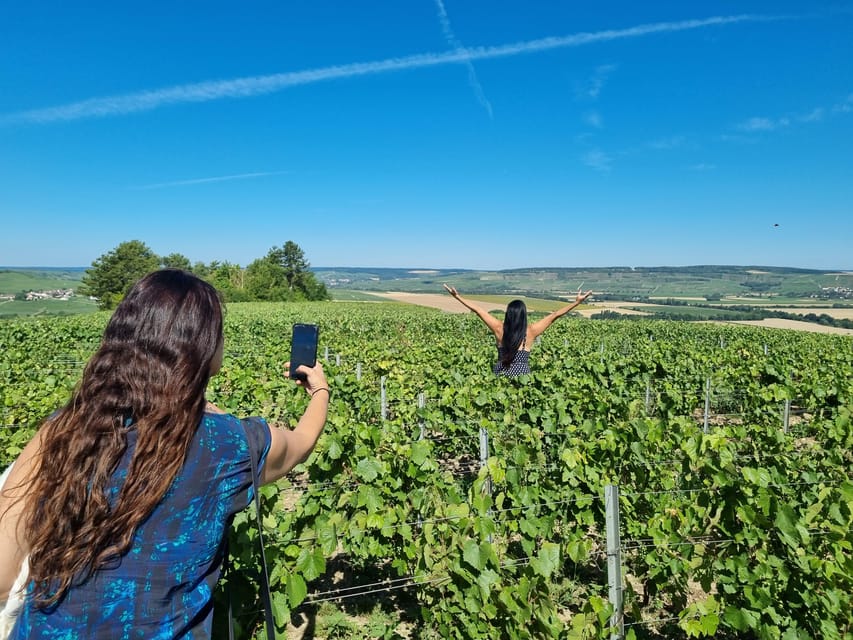
The tour ends with a guided tasting that lasts about 30 minutes. You’ll sample the house’s champagnes and an emblematic Ratafia Champenois. This is a smart move for value because you’re not paying just to taste Champagne alone. You get a fuller look at what the producer is known for locally.
The tasting is also where you learn the art of tasting, which is a big deal if you usually taste wine the quick-and-simple way. The guide helps you pay attention to what to notice, so your impressions become more specific. That turns the tasting into real learning, not only a pleasant break.
As you taste, keep your attention on the terroir thread the tour set up earlier. The experience is designed to connect what’s in your glass to the terroirs of Mareuil-le-Port, Épernay, and Tours-sur-Marne. Even if you cannot identify each terroir instantly, you’ll likely start noticing patterns the guide points out. Those cues make you more confident later when you try a bottle on your own.
One practical tip: pace your sipping during the 30 minutes. If you go too fast, you’ll miss the changes between pours. The guide is there to keep you moving, but you control your own attention. Slow down enough to notice, then move on.
Also, the tour has a basic rule set. Alcohol and drugs are not allowed, and the operation makes accommodations for younger visitors by not serving alcohol to minors. That matters for families, and it keeps the tasting portion comfortable for everyone in the group.
Price and value for a 90-minute experience
At $28 per person for a 90-minute guided experience, this lands in the sensible midrange for Champagne tours. The value comes from the combination: vineyard walk, oldest-vine emphasis, cellar explanations, and a tasting that includes both champagne and Ratafia.
If you only want Champagne tasting with minimal walking, the structure may feel a bit active. If you enjoy pairing your wine with context, this format is well matched. It’s short enough to fit into a busy day in Grand Est, but it includes multiple environments of the estate so it doesn’t feel like a single-room stop.
The strongest value indicator is not the price alone. It’s the way the tour connects steps. You are not only tasting. You’re learning how the vineyard approach and soil shaping can show up in the final bottles. That kind of guided logic usually makes a tour feel worth it, even when the time is limited.
That said, there is one consideration to take seriously: pricing can feel high if your main goal is a long tasting or a highly generous lineup. This tour is efficient, and efficiency can frustrate people who want more time lingering with staff or tasting additional bottles. It’s also not positioned as a theatrical show. If you’re expecting more entertainment, you may not get it here.
In short, the price makes sense if you’re there for terroir education plus a focused tasting.
Practical fit: who should book, and who might skip
This experience fits best if you like guided clarity and you want to understand Champagne beyond the basics. It’s ideal for wine-curious travelers who enjoy walking a vineyard path, learning how cellars connect to production, then ending with tasting guidance.
It can also work well for couples and solo travelers because the group pacing is structured, and the guide-led explanation style helps you keep up without needing prior knowledge. The bilingual format (English and French) is a plus if you want confidence the guide can fully explain the process.
If you’re traveling with family, the tour is allowed for children under 18 to accompany you. Children will not be permitted to drink alcohol in line with French rules, and they do not require a ticket for entry. Fruit juices can be provided for kids to enjoy. That’s a rare and useful family-friendly detail for a tasting experience.
You might be less satisfied if you want a long, slow, in-depth cellar session or a huge tasting spread. This is a 90-minute visit, so it moves at a moderate pace. Also plan around stairs in the cellar areas, since the walk includes some stair climbing.
If you care most about one thing, be honest with yourself. Want the vineyard and terroir story plus a guided tasting? This will likely click. Want a purely relax-and-sip afternoon? You may want a different format.
Should you book this Champagne Vineyard Experience?
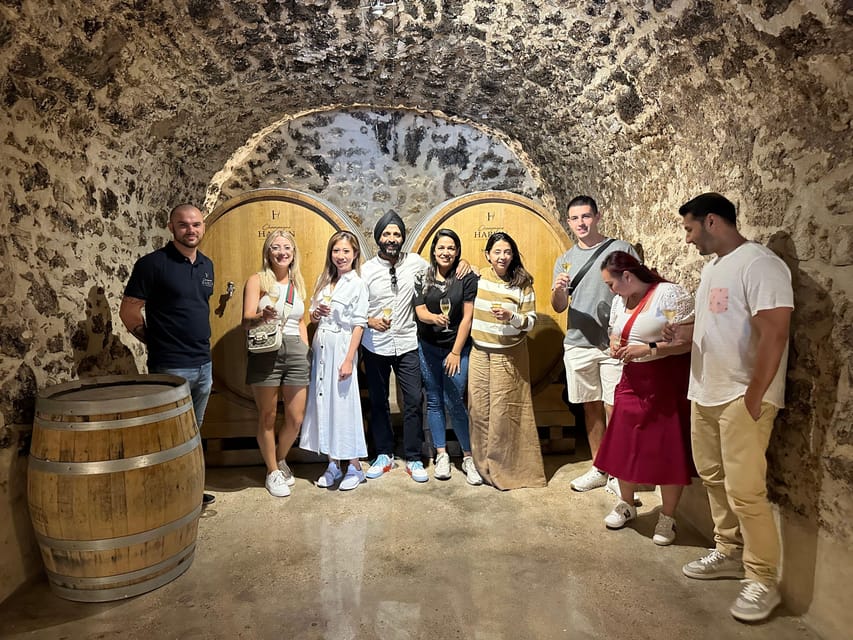
Yes, you should book it if you want a short, structured tour that connects vineyards, soil, and cellar process to what you taste. The pairing of an oldest-vine walk, historic cellar visit, and a tasting that includes champagnes plus Ratafia Champenois gives you a complete arc without dragging on all day. The added biodiversity and sustainability angle also makes it feel current, not just traditional.
You should pause and compare if you are very focused on volume, meaning you want many pours, lots of extra time with staff, or a slower paced cellar experience. In that case, the efficiency that makes it convenient might feel limiting.
If you do book, show up with comfortable shoes and a curious mindset. Tell the guide what you want to understand, because the whole tour is built around helping you make sense of terroir, not just collecting bottle labels. And if the guide you get is one of the named staff praised for clear explanations like Sarah or Chléo, lean into the questions. You’ll get more out of the tasting when you know what to watch for.
FAQ
Where does the tour meet?
You meet in the courtyard of Champagne Harlin Père & Fils at 8 Rue de la Fontaine.
How long is the experience?
The total duration is 90 minutes, including a tasting portion of about 30 minutes.
What do you taste?
The tasting includes champagnes and the house’s emblematic Ratafia Champenois.
What languages are available?
The tour guide offers English and French.
Can children attend?
Children under 18 are welcome to accompany you, but they will not be permitted to drink alcohol. Fruit juices can be provided, and children do not require a ticket for entry.
Is alcohol allowed for the tasting experience?
The tasting includes champagne and Ratafia Champenois. Alcohol and drugs are listed as not allowed, and the tour follows French rules for minors not drinking alcohol.
More Wine Tours in France
- Authentic Parisian Gourmet Food Tour with 10 Local Dishes & Wines
★ 5.0 · 4,754 reviews - Loire Valley Castles Day Trip from Paris with Complementary Wine
★ 4.5 · 3,907 reviews - Bordeaux: River Garonne Cruise with Glass of Wine and Canelé
★ 4.5 · 3,630 reviews - Paris: Montmartre Cheese, Wine & Pastry Guided Walking Tour
★ 4.8 · 2,255 reviews
Newly listed around France
- Visit the lavender fields, the Gorges du Verdon and Moustiers.★ 5.0 · 17 reviews
- Provence small group half-day wine tour from Aix★ 4.5 · 18 reviews
- Monaco & the French Riviera – From AIX★ 4.5 · 20 reviews
- Picturesque Luberon – From AIX-EN-PROVENCE★ 5.0 · 55 reviews
- 5-Hours Lavender Fields Tour in Valensole from Aix-en-Provence★ 5.0 · 42 reviews
- Luberon Market & Villages Day Trip from Aix-en-Provence★ 5.0 · 250 reviews
- Lunch in Provence: Discovering Local Flavors in Aix-en-Provence★ 5.0 · 38 reviews
- Half day Wine Tour in Côtes de Provence Sainte-Victoire from Aix en Provence★ 5.0 · 27 reviews
Champagne Tastings & Tours, compared.
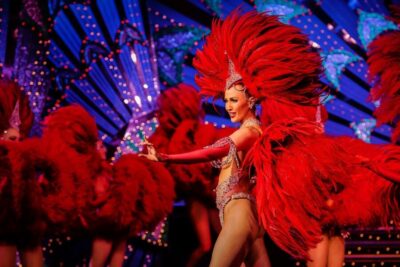
Moulin Rouge Cabaret Show Ticket with Champagne
Read our review →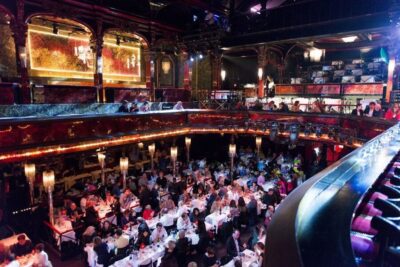
Paradis Latin Cabaret Show with Optional Champagne
Read our review →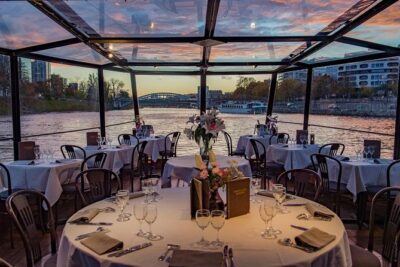
Paris 3-Courses Gourmet Dinner Seine River Cruise with Champagne
Read our review →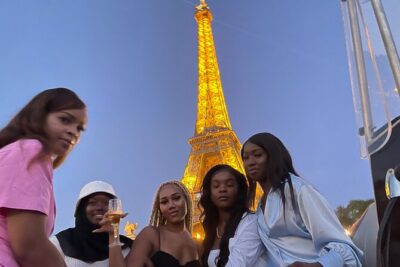
Top Private Cruises in Paris with French Champagne and surprises
Read our review →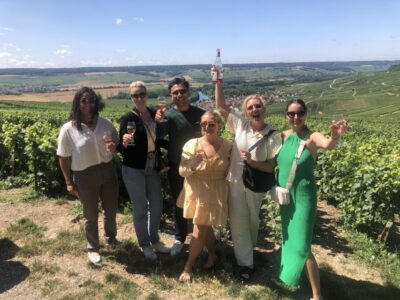
Day Trip to Champagne with 8 Tastings & Lunch
Read our review →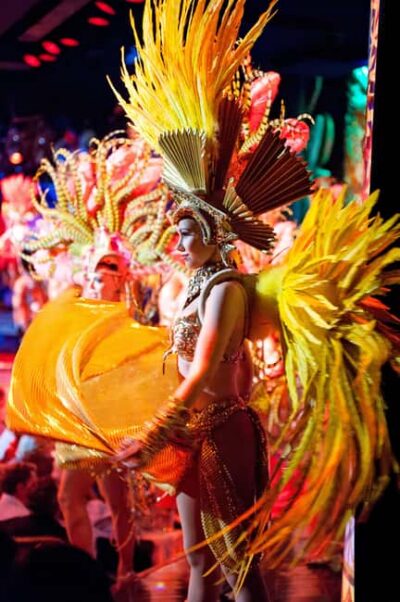
First Show Moulin Rouge with Champagne & Seine Cruise
Read our review →
Champagne Day Trip with 6 Tastings, Reims and Winery from Paris
Read our review →Browse the lists this tour appears in