
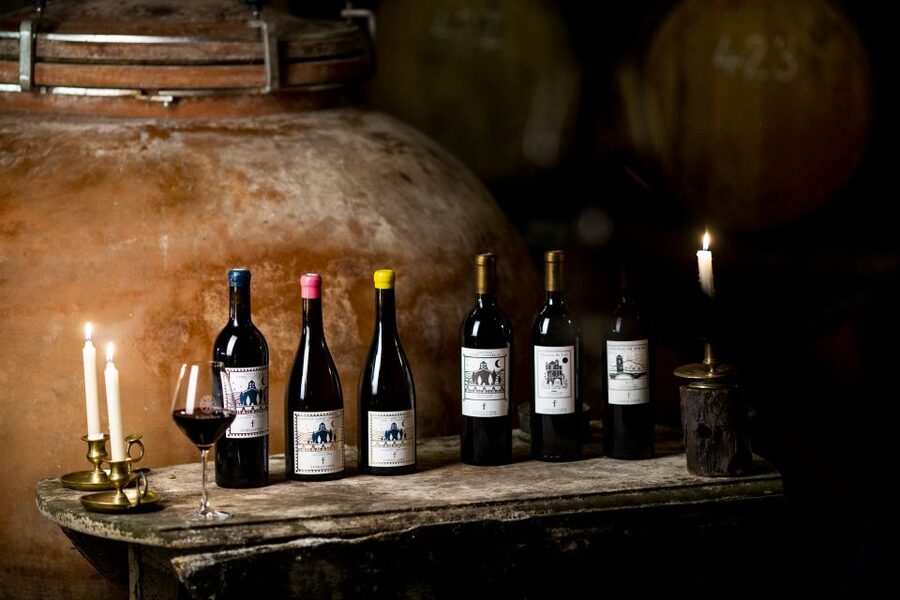
Reviewed · WINE TASTINGS & VINEYARD TOURS
Château de Luc: Unique visit and wine tasting
Underground wine, top-floor history. The Château de Luc tour pairs a walk through historic rooms with a cool 14th-century underground cellar visit, then finishes with an old-stable tasting of organic wines. I love the family-run feeling and how the story connects wine to the political swings of the Languedoc. One possible drawback: it is not a long, slow food-and-wine day, so if you want an extended tasting or very technical wine deep-therapy, you may wish it ran longer.
What makes this outing especially worth your time is the way the tour keeps you moving through layers of the estate, from centuries-old architecture down into where wine ages. Some sessions are led by Jeanne, and her style is clear, warm, and practical. Still, do know the visitor directions can be a bit tricky, so give yourself a little buffer to find the right entrance.
In This Review
- Key things to know before you go
- From Château Rooms to a 14th-Century Underground Cellar
- The Midi Viticole Story: Golden Age to the 1907 Revolt
- Old Stable Tasting Cellar and Organic Wines You Can Actually Choose
- How the Tour Works in Real Life (and Why Language Matters)
- Price and Value: Is $15 Really Fair?
- Who Should Book Château de Luc, and Who Might Skip
- Should You Book This Wine Tasting and Cellar Tour?
- FAQ
- How much does the Château de Luc wine tasting tour cost?
- How long is the experience?
- What languages are offered on the tour?
- How many wines are tasted during the tasting?
- Where does the tour include a 14th-century visit?
- Is the tour wheelchair accessible?
- Is there free cancellation and when does it end?
Key things to know before you go
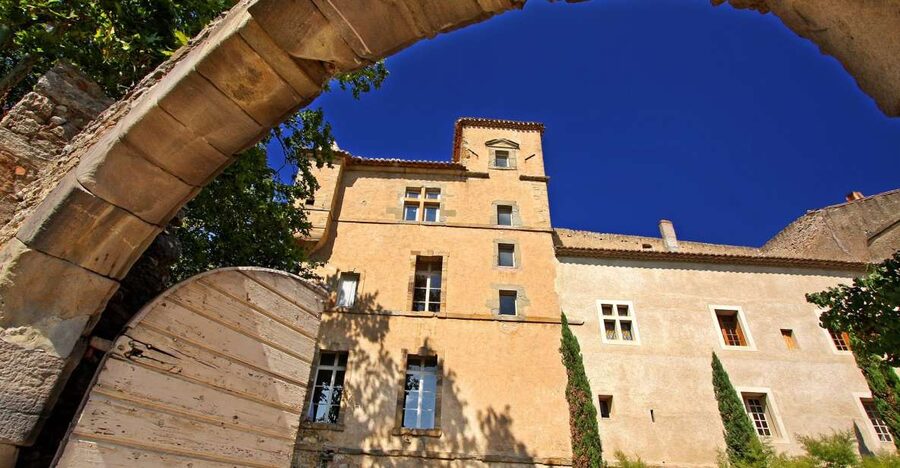
- 14th-century underground cellar: You walk into the aging world beneath the Château, where time is the main ingredient.
- Epic of the Midi viticole storyline: You connect wine growth with the 19th-century boom and the 1907 revolt.
- Organic tastings in a historic setting: The tasting takes place in an old stable, with wines that span IGP Pays d’Oc to several AOCs.
- 3 to 6 organic wines per tasting: You get enough variety to calibrate your taste without feeling stuck in one bottle.
- Multilingual guides: Tours run in French, English, and Spanish, so the history stays understandable.
- Small group, sometimes very small: If timing is quiet, you might end up with a near-private feel.
From Château Rooms to a 14th-Century Underground Cellar
Château de Luc is the kind of winery visit that makes wine feel physical. You start in the historic rooms of the Château, moving through the estate’s spaces with a guide who ties the building itself to what was happening in Languedoc over time. If you like history, this is the part that makes the rest of the tasting click, because you can see the human scale of production, storage, and craftsmanship.
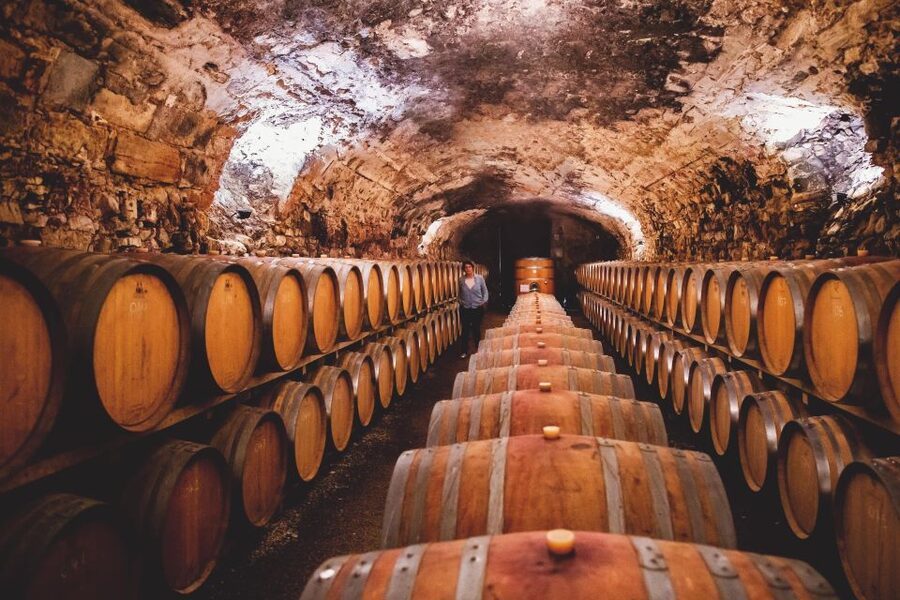
Then comes the signature moment: the trip down into the 14th-century underground cellar. This is not a quick photo stop. The cellar visit is designed to explain how wine storage worked then, and how the cool, stable temperatures mattered before climate control and modern infrastructure. As you walk the underground spaces, you also get context about the wine-making rhythm of the region, where aging is not an afterthought, it is the job.
A nice touch here is that the tour emphasizes what the cellar represents, not just the wow-factor. You get to see the aging barrels in the underground environment, and that makes the tasting feel earned. Even if you are not a wine expert, you can follow the logic: produce, store, wait, refine, then taste.
One practical note for your comfort. This experience is not suitable for wheelchair users, so it is best to go with mobility that can handle walking in older spaces.
More vineyard visits in France:
- Bordeaux: Cité du Vin Entry Ticket and Wine Tasting
★ 4.6 · 3,885 reviews - Montmartre Hill French Gourmet Food and Wine Tasting Walking Tour
★ 5.0 · 2,588 reviews - From Paris: Loire Valley Castles Day Trip With Wine Tasting
★ 4.6 · 1,727 reviews
The Midi Viticole Story: Golden Age to the 1907 Revolt
The tour’s real strength is that it treats wine as part of regional life, not as a standalone product. You are guided through the history of Languedoc vineyards, including the Golden Age of the 19th century and the great revolt of 1907. That framing matters, because it explains why certain changes in farming and production happened and why wine culture in the Midi developed its particular character.
The 19th-century “boom” period often gets reduced to a marketing story. Here, it becomes a cause-and-effect chain: more production, shifting expectations, and the eventual tensions that culminated in the 1907 revolt. You start to understand that wine in this part of France was never only about taste. It was also about livelihoods, power, and who benefited from the system.
For you, this means the tour can be satisfying even if you do not plan to buy a case. You will leave with language you can use while you travel, like being able to describe why the region’s wine story has chapters that are political as well as agricultural.
Also, the pacing helps. The history is not dumped as a lecture while you stand still. The story flows alongside the building, the cellar, and then the tasting spaces. It is easier to remember because each time period lands in a physical location.
Old Stable Tasting Cellar and Organic Wines You Can Actually Choose
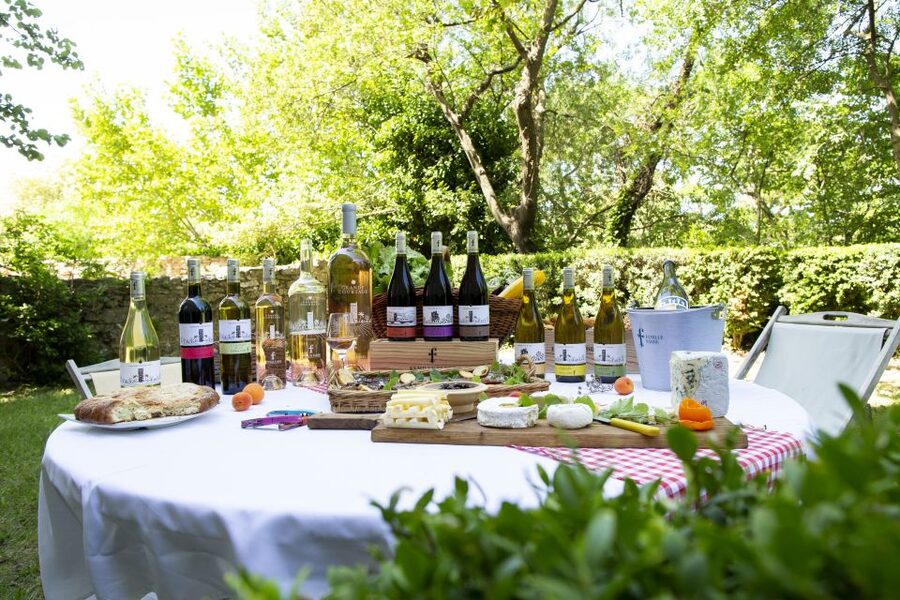
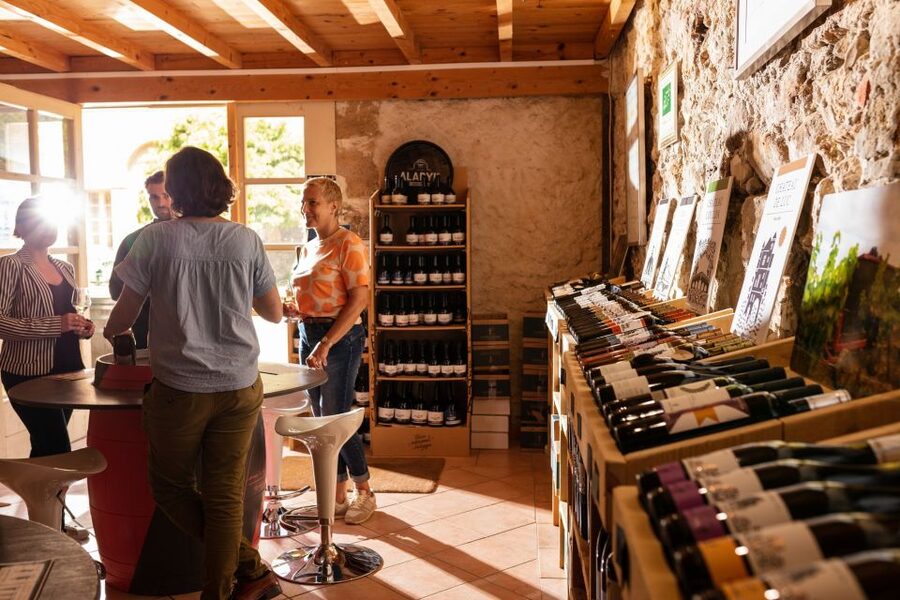
After the underground portion, you move into the tasting area, which is set in an old stable. That detail is more important than it sounds. Stables were built for work, not for show, and that matches the winery’s tone. The tasting feels grounded, like you are stepping into where choices get made and where the family’s current wines come to life.
You taste a selection of organic wines, typically 3 to 6 wines. The range includes wines labeled IGP Pays d’Oc and several AOC appellations, including Languedoc, Corbières, and Minervois. That spread is smart for a first-time visitor. You can compare styles without pretending every bottle is the same. It also gives you clues about what your palate likes, so buying later is easier.
I also like that the guide frames the tasting as part of vineyard management and winemaking, not just a blind lineup. You get chances to ask questions, and the guide is happy to talk about things like how vineyards are managed and how wine is made. That Q and A piece is a big part of why this visit earns such strong ratings. You can personalize the experience based on your curiosity.
Now, the balanced part. One critique in the overall feedback is that the wine selection did not meet expectations for quality and that the visit felt short. That does not mean the tasting is bad, but it does suggest you should manage your expectations. This is a tasting experience, not a full private cellar seminar with long, deep pours and back vintages.
My advice to you: go in ready to taste and learn, not expecting every pour to match your personal taste. Organic wines can show distinctive character, and the best outcome happens when you treat this as a tasting sampler.
How the Tour Works in Real Life (and Why Language Matters)
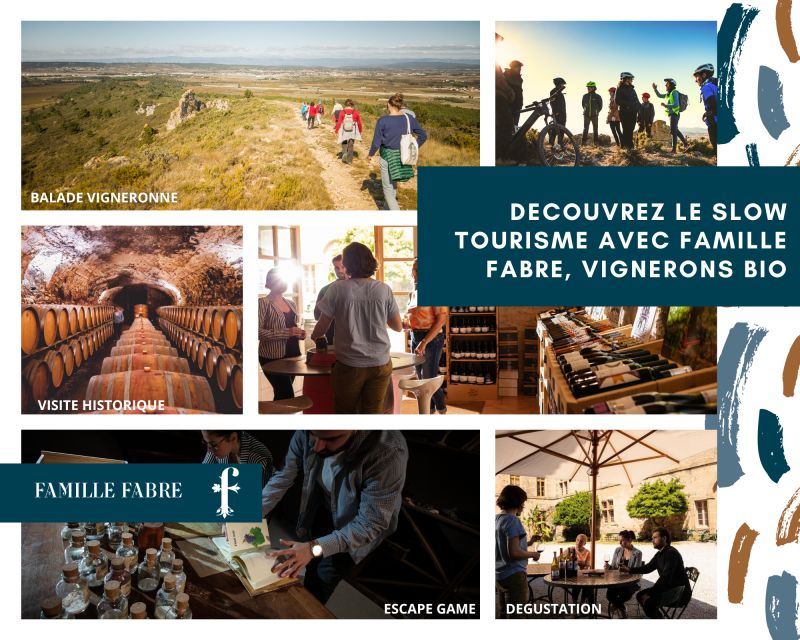
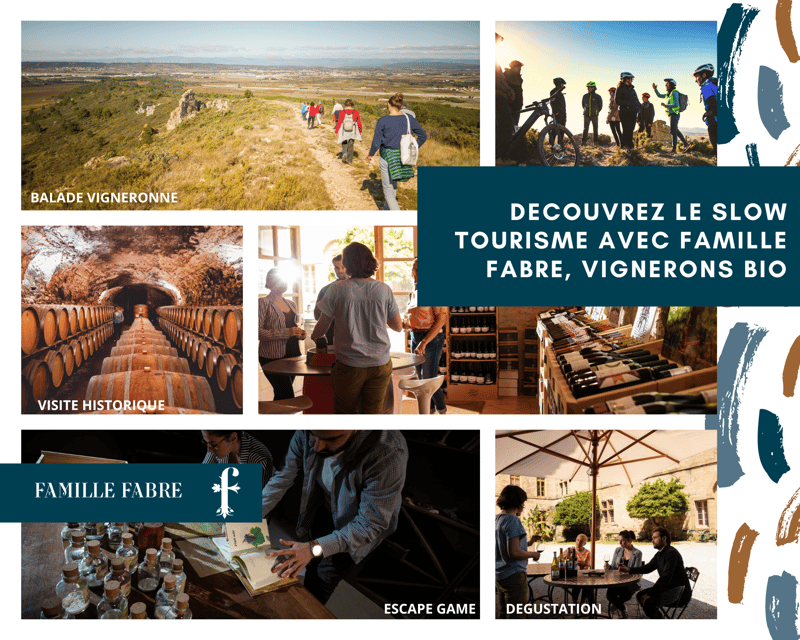
This is a guided tour in three languages: French, English, and Spanish. That is not just a convenience. It changes how much you take in, especially when the story includes the 19th century and the 1907 revolt. If you understand the history clearly, the wine tasting becomes more meaningful, not just something you listen to for the duration of the tour.
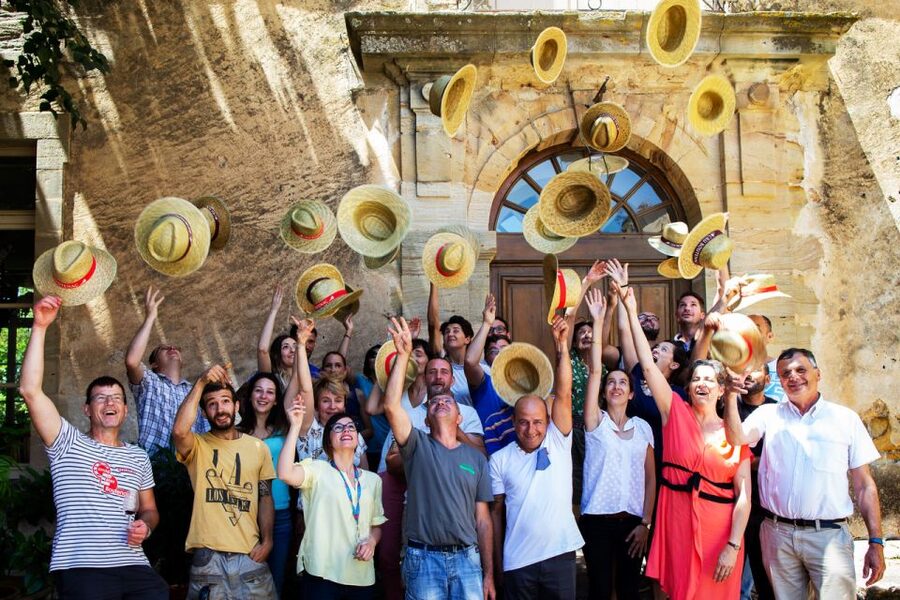
The guides also bring a particular kind of authenticity because it is run by the Famille Fabre | Château de Luc. When a family-run team explains their estate, you usually get practical answers instead of textbook ones. In multiple accounts, the tone is warm and professional, with explanations that stay clear even when the subject gets technical.
One thing I appreciate is that the tour invites questions. If you have ever wondered how organic farming works in a real vineyard or why certain grapes do better in certain conditions, this is the moment to ask. The best guides do not just repeat prepared lines. They connect your question to the estate’s choices.
Timing is another detail worth thinking about. The activity is valid for 1 day, and starting times depend on availability. If you want a quieter experience, choose a time when fewer people might be booking. One account mentioned ending up with a private-style tour when there were only a few visitors. That can make the cellar and tasting feel more like a conversation than a class.
If you do go on a day when it is busy, the tour still works, but your questions might be shorter. Plan what you want to ask: organic vineyard management, winemaking decisions, or what nearby sites are worth adding to your itinerary.
Other France bookings to consider
- Paris: Seine Cruise & Crepe Tasting near the Eiffel Tower
★ 4.4 · 11,231 reviews - Authentic Parisian Gourmet Food Tour with 10 Local Dishes & Wines
★ 5.0 · 4,754 reviews - Normandy D-Day Small-Group Day Trip with Omaha Beach, Cemetery & Cider Tasting
★ 5.0 · 2,786 reviews - Paris: Illuminated Evening River Cruise & Waffle Tasting
★ 4.1 · 2,697 reviews
Price and Value: Is $15 Really Fair?
At $15 per person, this tour has a value profile that looks good on paper and in the way it is structured. You are paying for three things that are often sold separately elsewhere: a guided tour of historic spaces, an entry into an underground cellar experience, and a guided tasting of multiple organic wines.
For value, what matters is how much you get for your time. A one-day experience that includes history plus a multi-wine tasting is a strong use of a half-to-full day. If you were to do a similar combination on your own, you would likely spend more time traveling between places and you might miss the interpretive thread that explains the region’s “why.”
The other value factor is the wine spread. Taste 3 to 6 wines, including options across IGP Pays d’Oc and multiple AOCs. That gives you a real sense of range. You can leave with preferences rather than with just a general impression.
That said, value also depends on your wine expectations. If you are chasing a very specific style or you are looking for a heavy-duty tasting with long pours, then you might judge the value differently. The experience is priced and built for a broad audience, not for wine connoisseur-only depth.
If you want the best match, treat this as your first serious stop in the Languedoc world. It gives you the story and a tasting set that helps you decide what you want to seek out later on your trip.
Who Should Book Château de Luc, and Who Might Skip
Book Château de Luc if you like your wine visits to be more than a transaction. You want history you can connect to place, plus a tasting where the guide is ready with explanations. This also works well if you travel with people who are mixed in wine interest. One person may care about the underground cellar and the 1907 revolt. Another may care mainly about tasting organic wines. You can satisfy both.
It is also a great choice if you are trying to understand the wider Midi wine culture. The tour does not only mention bottles. It teaches you how the region’s vineyard story connects to social moments and shifts in production.
Consider skipping or adjusting expectations if you are the kind of visitor who wants a long tasting event, extensive cellar time, or a very curated selection tailored to your exact palate. One comment in the overall feedback flagged issues with wine quality and tour length. That suggests there can be variability in how the tasting lands for different tastes.
Also, if mobility is limited, remember it is not suitable for wheelchair users. The cellar visit is part of the core experience, and it likely involves walking in older areas.
Finally, come with basic patience for navigation. One practical note from feedback is that directions to the visitor area could be clearer. Give yourself buffer time and double-check your route before you set off.
Should You Book This Wine Tasting and Cellar Tour?
Yes, you should book Château de Luc if you want a short, focused day where wine and Languedoc history are tied together. The pairing of historic rooms, a 14th-century underground cellar, and an organic wine tasting in an old stable is exactly the kind of experience that makes a region feel real. At $15, the value is strong for what you get: guided context plus multiple organic wines.
If you are sensitive to wine selection and you need a very long tasting format, you might want to compare options before committing. But for most people looking for a genuine, family-run introduction to the Midi, this is a very solid pick.
FAQ
How much does the Château de Luc wine tasting tour cost?
The price is $15 per person.
How long is the experience?
The tour is listed as lasting 1 day.
What languages are offered on the tour?
The tour is offered in French, English, and Spanish.
How many wines are tasted during the tasting?
The tasting includes a selection of organic wines, typically 3 to 6 wines.
Where does the tour include a 14th-century visit?
The tour includes a visit to the underground cellar dating to the 14th century.
Is the tour wheelchair accessible?
No, it is not suitable for wheelchair users.
Is there free cancellation and when does it end?
Free cancellation is available up to 24 hours in advance for a full refund.
If you tell me when you will be in the South of France and what other stops you plan, I can suggest how to fit Château de Luc into your day.
More Wine Tours in France
- Paris: Moulin Rouge Cabaret Show Ticket with Champagne
★ 4.7 · 16,088 reviews - Loire Valley Castles Day Trip from Paris with Complementary Wine
★ 4.5 · 3,907 reviews - Bordeaux: River Garonne Cruise with Glass of Wine and Canelé
★ 4.5 · 3,630 reviews - Paris: Montmartre Cheese, Wine & Pastry Guided Walking Tour
★ 4.8 · 2,255 reviews
Newly listed around France
- Visit the lavender fields, the Gorges du Verdon and Moustiers.★ 5.0 · 17 reviews
- Provence small group half-day wine tour from Aix★ 4.5 · 18 reviews
- Monaco & the French Riviera – From AIX★ 4.5 · 20 reviews
- Picturesque Luberon – From AIX-EN-PROVENCE★ 5.0 · 55 reviews
- 5-Hours Lavender Fields Tour in Valensole from Aix-en-Provence★ 5.0 · 42 reviews
- Luberon Market & Villages Day Trip from Aix-en-Provence★ 5.0 · 250 reviews
- Lunch in Provence: Discovering Local Flavors in Aix-en-Provence★ 5.0 · 38 reviews
- Half day Wine Tour in Côtes de Provence Sainte-Victoire from Aix en Provence★ 5.0 · 27 reviews
Wine Tastings & Vineyard Tours, compared.

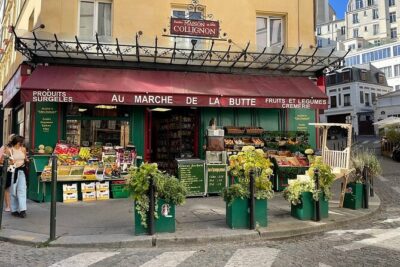
Montmartre Hill French Gourmet Food and Wine Tasting Walking Tour
Read our review →
Loire Valley Castles Day Trip With Wine Tasting
Read our review →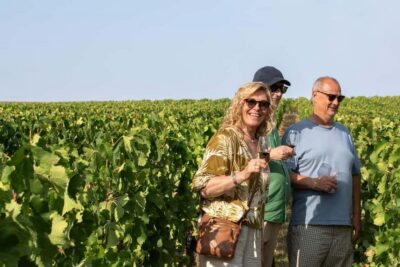
Afternoon Saint-Emilion Wine Tasting & snack
Read our review →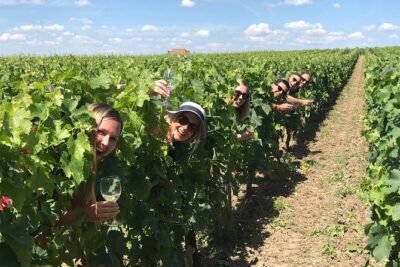
Medoc or Saint Emilion Wine Tasting and Chateau from Bordeaux
Read our review →
Saint Emilion Day Trip with Sightseeing Tour & Wine Tastings from Bordeaux
Read our review →
Saint-Émilion: Grand Cru Classé Winery Visit and Tasting
Read our review →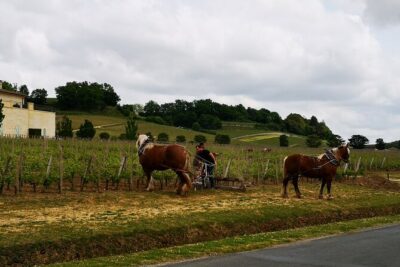
Saint Emilion Half-Day Trip with Wine Tasting & Winery Visit from Bordeaux
Read our review →Browse the lists this tour appears in