
Reviewed · BEAUNE TOURS & ACTIVITIES
Clos Marey Monge Tasting
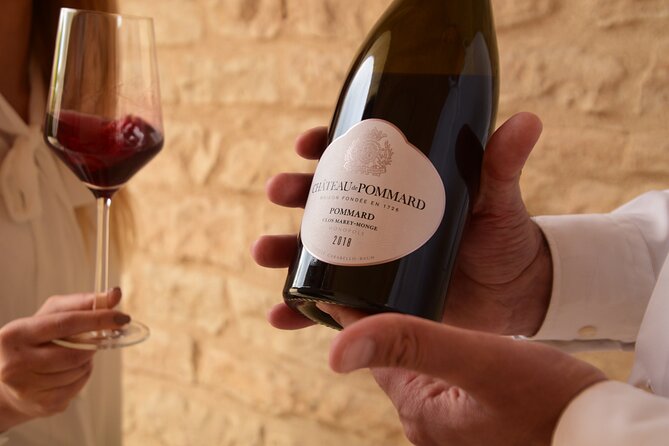
One hour is all it takes to learn Burgundy Pinot. The Clos Marey-Monge tasting in Pommard is an expert-led, small-group session where you taste six wines and build real understanding of terroir, climat, and biodynamic choices. It is a smart way to get your bearings in Burgundy without a full-day schedule.
What I like most is the focus on Pinot Noir from Château de Pommard’s Clos Marey-Monge, and the way the advisor links each wine to the plot and the year. I also love that the group stays intimate, with a maximum of six travelers, so you can actually ask questions and keep pace with the explanations. The downside to keep in mind is that the cellars cannot be visited right now because of renovation, so you will not get the full behind-the-scenes tour.
In This Review
- Quick Take: What Makes This Tasting Worth Your Time
- Meet in Pommard, Then Settle In for a Calm, Focused Tasting
- What You Actually Taste: Six Clos Marey-Monge Wines That Build a Story
- Pinot Noir and the Clos Marey-Monge Identity
- Climat and Terroir: Turning Burgundian Words Into Real Flavor
- Vintage and Weather: Why Each Year Shows Up in the Glass
- Biodynamic Winemaking: What It Changes and What You Might Notice
- The Pace: How the Hour Feels, and What the Renovation Means
- Who This Tasting Fits Best (And Who Might Want Something Else)
- Price and Value: Is $49.37 Fair for Six Wines?
- Tips Before You Go: Make the Most of Your Six-Pour Flight
- Should You Book the Clos Marey-Monge Tasting in Pommard?
- FAQ
- How long is the Clos Marey Monge Tasting?
- Where does the tasting start and where does it end?
- How many wines will I taste?
- What wines are included?
- Is the tour offered in English?
- How big is the group?
- Can the cellars be visited during the experience?
- Is wine tasting included in the price?
- How far in advance should I book?
- What is the cancellation policy?
Quick Take: What Makes This Tasting Worth Your Time
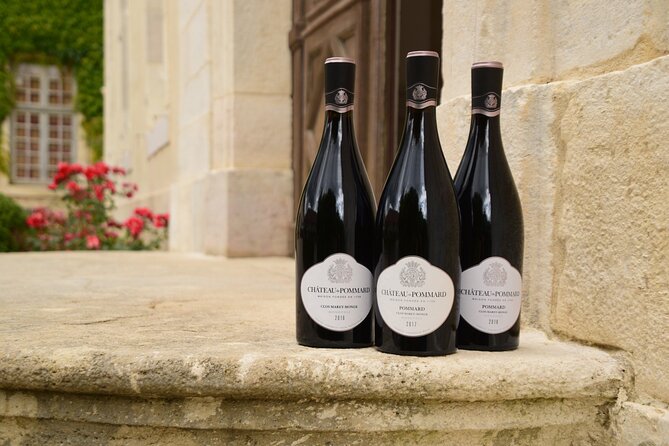
- Six wines in about an hour: you get variety fast, without feeling rushed.
- Plot and climat talk: you learn how Burgundian terms connect to what ends up in the glass.
- Vintage effects you can taste: the advisor ties weather to the character of each cuvée.
- Biodynamic winemaking, in plain language: you understand what it changes and why it matters.
- Maximum six people: small-group format makes the tasting feel personal.
Meet in Pommard, Then Settle In for a Calm, Focused Tasting
The experience starts at 15 Rue Marey Monge, in Pommard, which is the kind of Burgundy base you want if you are planning to explore Beaune next. You will finish back at the same point, so you can keep your day tidy and not hunt for a second pickup spot.
Timing matters here. You get about one hour, with three tour times available during the day, which helps if you are juggling museum visits, lunch, or a train schedule. And since this tends to get booked well in advance (about 22 days on average), I recommend picking a slot early if you want a specific time window.
The group size is capped at six, so you are not squeezed into a loud room with strangers. That matters because wine education can be talk-heavy. When everyone has space and the advisor can address questions, you end up learning more than just what tastes good.
Other Beaune bookings to consider
- Burgundy Bike Tour with Wine Tasting from Beaune
★ 5.0 · 674 reviews - Beaune: Wine Tasting at Château de Pommard
★ 4.6 · 353 reviews - Beaune: Maison Champy Guided Cellar Tour with Wine Tasting
★ 4.7 · 213 reviews
What You Actually Taste: Six Clos Marey-Monge Wines That Build a Story
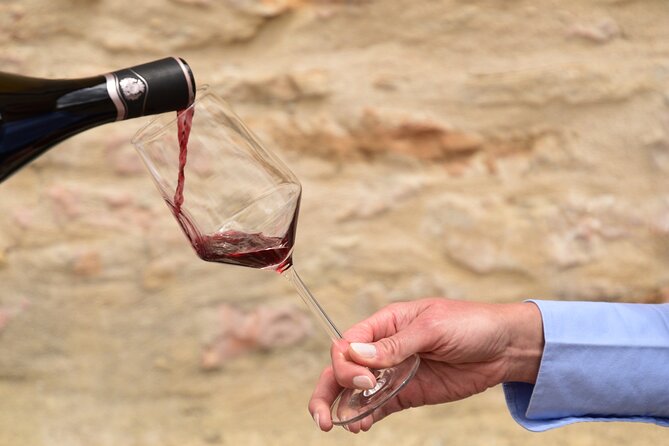
Your tasting includes six wines from Château de Pommard, all connected to Clos Marey-Monge. You are there to compare expressions of Pinot Noir, and the structure is designed to make differences feel logical, not random.
Here is how to think about the tasting flow. You start with the baseline idea that Pinot Noir can taste dramatically different depending on where the grapes come from and how the season played out. Then you move through the flight, and the advisor explains the “why” as you go. By the time you reach the later pours, you usually stop asking what you are tasting and start asking how it got there.
The experience is not built around a long walking tour or a big food spread. It is a tasting-first format, which is a win if you want education but do not want to spend your entire day on your feet. The tradeoff is that it is more of a guided tasting session than a full property experience, especially since the cellars are closed for renovation.
Pinot Noir and the Clos Marey-Monge Identity
Clos Marey-Monge is the kind of Burgundy name that sounds fancy until someone explains it in a way that clicks. This tasting is built to help you connect the name to what you can actually taste.
You will learn about Pinot Noir, the grape variety that drives the tasting, and how the Clos Marey-Monge identity shows up in the glass. You will also hear about the effect of biodynamic winemaking and how those choices can shape the wine’s character. This is not about memorizing a science textbook. It is about understanding that decisions in the vineyard and cellar can show up in aroma, texture, and the overall feel of the wine.
What I find valuable is the comparison angle. The tasting is designed so you taste at least six wines and see how the same grape can express different nuances. That helps you stop treating Burgundy wines like a single style. Instead, you start to recognize Pinot Noir as a family of related flavors, each with its own logic.
Climat and Terroir: Turning Burgundian Words Into Real Flavor
Burgundy has its own vocabulary, and it can be confusing at first. “Terroir” and “climat” are often translated as general concepts, but this tasting tries to make those terms concrete.
Here is the practical takeaway. Terroir is the collection of factors that influence the grapes, like soil and site, and the way the vineyard’s conditions shape growth. Climat is the more specific Burgundian concept of a named plot or defined parcel. The tasting links both ideas to what you are drinking, so you understand why two Pinot Noirs can be close cousins and still feel different.
You also learn about the “vintage effect.” That is where terroir meets the weather of a particular year. Even with the same vineyard, different weather patterns can shift ripeness, balance, acidity, and ultimately the feel of the wine. When an advisor connects these dots while you taste, the vocabulary stops being academic and starts being useful.
If you are new to Burgundy, this is the kind of lesson that pays off later. You can walk around Beaune or taste at a shop and not feel totally lost. You know what plot and year might mean before you start asking for recommendations.
Within easy reach:
- From Beaune: Burgundy Day Trip with 14 Wine Tastings
★ 4.8 · 248 reviews - Burgundy Grand Crus Route Day Tour – 14 Wines Tastings in Domains
★ 5.0 · 223 reviews - Private excursion to Côte de Beaune and Côte de Nuits (full day)
★ 5.0 · 166 reviews - Skip the Line: Abbaye de Fontenay Admission Ticket
★ 4.5 · 117 reviews
Vintage and Weather: Why Each Year Shows Up in the Glass
One of the best parts of this experience is the way it emphasizes vintage differences. You are not just sampling wines, you are comparing how the year lends character to each cuvée.
The tasting specifically focuses on how weather changes how grapes develop, which then affects the final wine. That can mean differences in fruit expression, acidity level, and overall balance. The goal is not to predict a wine like a weather app. It is to help you understand why the same name can feel different from bottle to bottle.
This is also where the flight format helps. When you taste multiple wines in sequence, it becomes easier to notice patterns. If you jump between bottles at random later, you often miss the connection. Here, the advisor builds the comparison for you while the sensory memory is fresh.
For value, this is a smart approach. A lot of tastings pour a few wines and give generic notes. This one aims to train your palate to recognize what is driving the differences.
Biodynamic Winemaking: What It Changes and What You Might Notice
Biodynamic winemaking can sound like an extra layer of marketing unless someone explains it clearly. In this tasting, you learn about biodynamic techniques and how they affect wine’s taste.
I like that the experience ties biodynamics directly to flavor outcomes, not just philosophy. The advisor explains the techniques and connects them to the wine in front of you. That helps you avoid the common trap of judging biodynamic wines only by reputation.
One practical way to use what you learn is to pay attention to texture and overall harmony while tasting. When winemaking choices change how grapes mature and how wine evolves, you can often sense it in the way the wine finishes, whether the structure feels tight or open, and how the aromas line up.
Since you are tasting multiple Pinot Noirs, you also get the chance to compare how style changes with site and vintage. Even if you do not personally decide you love biodynamic methods, the tasting gives you a framework to evaluate wines with more confidence.
The Pace: How the Hour Feels, and What the Renovation Means
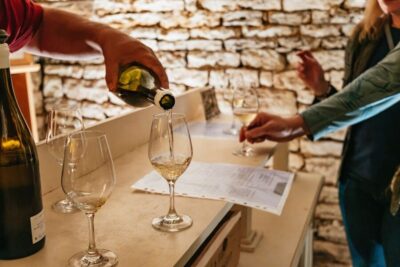
The experience includes wine tasting only, with a simple starter concept tied to the flight: Clos Marey Monge tasting, discover six wines. Expect a structured session that keeps you moving through pours while the guide explains what to look for.
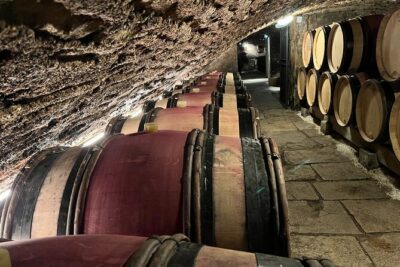
There is no promise of a long walking tour. And the cellars are not available for a visit right now due to renovation. That aligns with one key drawback that shows up in feedback: some people want more vineyard and chateau time, like additional walking, more property atmosphere, or a space to enjoy the wines between explanation moments.
So what should you do with that information? If you want a fully rounded estate visit with cellar views and vineyard walking, you might feel the time is too concentrated on tasting. If you want concentrated education in a small group, this still works well, and the tasting focus is the point.
Also note: the experience is offered in English, which makes a real difference for understanding the terroir and climat sections. Burgundy terms can get tangled fast, and having explanations in your language is a big part of the value.
Who This Tasting Fits Best (And Who Might Want Something Else)
This experience is ideal if you want a high-signal Burgundy introduction. You get expert-led tasting, at least six wines, and a clear explanation of the ideas that matter most in Burgundy: Pinot Noir, plot differences, climat concepts, vintage effects, and biodynamic winemaking.
It is also a good choice if you are traveling with limited time. At around an hour, you can plug it into a Beaune day without sacrificing dinner plans. The choice of three tour times helps you match the tasting to your schedule.
If you are the type who loves wandering around vineyards and taking photos in every angle, you may want to pair this with another stop that includes walking time. Because the cellars are closed and the tasting is the main event, you might feel you want more physical “place” along with the wine education.
If you are a wine geek, you will probably enjoy the plot-focused comparisons. And if you are a beginner, you will likely appreciate how the advisor turns terroir and climat into something you can taste and remember.
Price and Value: Is $49.37 Fair for Six Wines?
At $49.37 per person for about an hour, this is priced like a focused, education-forward tasting rather than a long, all-day excursion. In places like Burgundy, that kind of pricing often depends on two things: how many wines you taste and how much guided explanation you receive.
Here, you taste at least six wines, and the experience is expert-led with a professional wine advisor. You also get small-group attention, max six people, which improves the quality of the time. That is the value math. You are not paying for a huge production. You are paying for guided interpretation while you taste.
One piece of feedback highlights how much people appreciate the guide’s clarity. In a top-rated account, the advisor Flavian was praised for being excellent and informative, which fits the experience goal of turning terms into real understanding. That kind of guidance is often what makes a tasting feel worth it, even when you are not pouring large quantities.
If you are comparing this to other tastings, treat it like an educational workshop. If your goal is simply to drink a few wines and move on, you may find better deals elsewhere. If your goal is to leave with a stronger ability to choose Pinot Noir in Burgundy, this price becomes more reasonable fast.
Tips Before You Go: Make the Most of Your Six-Pour Flight
You get the most out of this tasting when you slow down slightly inside your head. Drink, notice, then listen. The advisor will likely connect each pour to a specific idea, like a plot identity, a vintage effect, or a biodynamic practice.
A few practical moves help:
- Bring a small notebook or use notes on your phone for a quick write-up after each wine.
- Pay attention to how the wine finishes, not just the first sip.
- Ask at least one question during the tasting, since the group is small and questions are easier to fit.
Also, because you cannot visit the cellars during renovation, plan your “cellar curiosity” elsewhere. If you want cellar photos, you will need to get them at another stop. This one is about taste and explanation, not a behind-the-scenes wander.
Should You Book the Clos Marey-Monge Tasting in Pommard?
Yes, if you want a tight, high-learning Burgundy tasting. This is especially worth it when you care about understanding Pinot Noir through terroir, climat, vintage, and biodynamic winemaking, and when you appreciate an intimate group of up to six. At around an hour, it is also easy to fit into a Beaune and Pommard day.
Skip it or supplement it if you are mainly hunting for an estate tour with cellar access and vineyard walking. With cellars under renovation and the experience focused on the tasting session, you may wish you had more property time.
If you fall in the middle, you will probably love it. I like experiences where the wine comes with an explanation you can use later. This one aims to give you that, one pour at a time.
FAQ
How long is the Clos Marey Monge Tasting?
It runs for about 1 hour.
Where does the tasting start and where does it end?
It starts at 15 Rue Marey Monge, 21630 Pommard, France, and ends back at the meeting point.
How many wines will I taste?
You will taste six wines.
What wines are included?
The tasting focuses on Clos Marey-Monge wines from Château de Pommard, including Pinot Noir.
Is the tour offered in English?
Yes, it is offered in English.
How big is the group?
The experience has a maximum of six travelers.
Can the cellars be visited during the experience?
No, the cellars cannot be visited because of renovation.
Is wine tasting included in the price?
Yes, wine tasting is included.
How far in advance should I book?
On average, it is booked about 22 days in advance.
What is the cancellation policy?
Free cancellation is available up to 24 hours before the experience’s start time for a full refund. If you cancel less than 24 hours before, the amount paid is not refunded.
Newly listed around Beaune
- Private wine tasting workshop by Dufouleur – Bourgogne★ 5.0 · 57 reviews
- Discovery of the world of Truffles and tasting★ 4.5 · 66 reviews
- Visit of our 15th century cellars★ 5.0 · 57 reviews
- Private Wine Tasting Tour – Burgundy Uncorked!!★ 5.0 · 74 reviews
- The Beautiful Escape, The Cellar Armand Heitz★ 5.0 · 20 reviews
- Visit-Tasting-Sale★ 5.0 · 87 reviews
- Private Guided Sidecar Tour in Burgundy from Meursault★ 5.0 · 31 reviews
- From Beaune: Full day the most of Burgundy, with lunch★ 4.5 · 30 reviews
Beaune Tours & Activities, compared.
Burgundy Bike Tour with Wine Tasting from Beaune
Read our review →
Burgundy Grand Crus Route Day Tour – 14 Wines Tastings in Domains
Read our review →
Maison Champy Guided Cellar Tour with Wine Tasting
Read our review →
Private excursion to Côte de Beaune and Côte de Nuits (full day)
Read our review →
Skip the Line: Abbaye de Fontenay Admission Ticket
Read our review →
Browse the lists this tour appears in