
Reviewed · DIJON TOURS & ACTIVITIES
Dijon: Burgundy Wines Masterclass
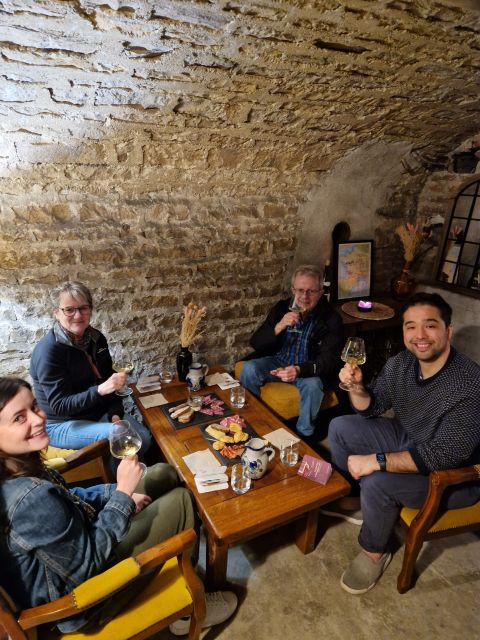
Burgundy gets way easier when you taste correctly. This Dijon masterclass uses a proven WSET-style approach and then connects each pour to Burgundy’s grapes, rules, and geography. You come away with a practical way to read labels and judge what you like.
I like two things a lot. First, the session starts with how to taste wine step by step, so you are not just drinking. Second, you get a guide who can explain Burgundy clearly, in a relaxed way, and still keep things lively (Mathieu, often listed as Matthieu, is a standout communicator with top-level WSET training in London and about ten years leading tastings).
One thing to consider: it is a focused 1-hour class, so if you want a long, slow tasting with deep pours of one single style, this might feel a bit fast. And it is not suitable for children under 18 or for pregnant women.
In This Review
- Burgundy Masterclass Key Highlights You’ll Actually Use
- Dijon Burgundy Wines Masterclass at a Glance
- Finding The Wine Compass Meeting Point In Dijon
- The 2:30 pm Session Flow, What You’ll Do During the Hour
- 1) A calm start: how to taste wine, the right way
- 2) Tasting the first wines with a plan, not random sampling
- 3) Burgundy 101 while you taste, not after you forget
- 4) Food and wine pairing that actually explains the “why”
- 5) Wrap-up with questions, at a relaxed pace
- The Tasting Method: Why WSET-Style Works in Real Life
- Burgundy Areas, Grapes, and Label Reading That Finally Click
- The Wines: 3 Whites, 3 Reds, and the Pairing Connection
- Price and Value: Is $54 Worth It?
- Who This Dijon Burgundy Masterclass Fits Best
- Should You Book This Dijon Burgundy Masterclass?
- FAQ
- What time does the Burgundy masterclass start?
- How long is the masterclass?
- How many wines do you taste?
- What languages are available?
- Is the group small?
- What’s included in the price?
- Is it suitable for kids or pregnant travelers?
Burgundy Masterclass Key Highlights You’ll Actually Use
- A WSET-based tasting method that gives you a repeatable routine for any wine
- 6 wines served (3 white, 3 red) with guidance on what to look for in each glass
- Burgundy label reading made practical, including how production rules shape what you taste
- Food and wine pairing instruction using a served platter to connect flavors
- Small group of up to 10, so questions do not disappear into the back row
- Relaxed pacing with time to ask questions, not a rushed checklist
Dijon Burgundy Wines Masterclass at a Glance
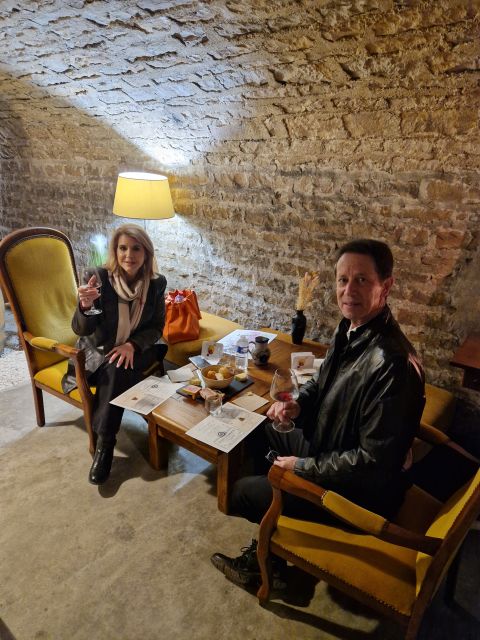
This experience is a Burgundy wines masterclass in Dijon, priced at $54 per person for a 1-hour session. It starts at 2:30 pm, and the group is kept small, limited to 10 participants, which matters because wine questions are personal. If you wonder why a wine smells a certain way, you want a guide who can actually respond.
You will taste 3 white wines and 3 red wines, with water provided. The core promise is simple: you learn Burgundy by tasting it, and you learn tasting by using a structured method.
If you need a different time slot, you can reach out and they will try to accommodate. And while the main languages are English, French, and Spanish, German might be available on request.
Other Dijon bookings to consider
- Dijon: La Cave du Palais Burgundy Wine Tasting Experience
★ 4.8 · 400 reviews - Burgundy wine tasting tour Half-Day Beaune from Dijon
★ 4.7 · 182 reviews - Pinot Noir Masterclass – Wine tasting in Dijon
★ 5.0 · 147 reviews
Finding The Wine Compass Meeting Point In Dijon
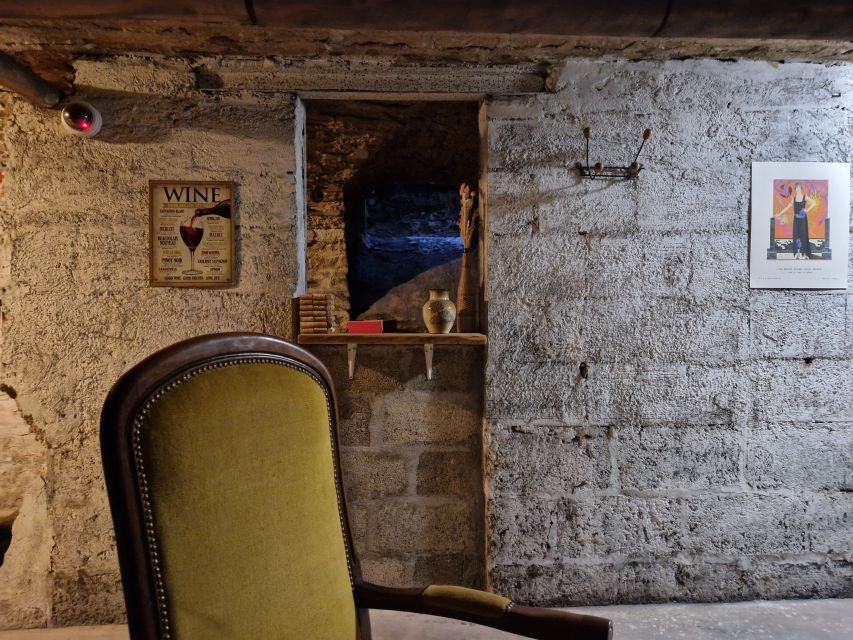
Your meeting point is easy but specific. Enter the courtyard, then look for stairs going down on the left. There will be a sign that says The Wine Compass.
Why this matters: Dijon can feel a bit maze-like if you are walking without a plan. Knowing that you are heading into a courtyard first helps you avoid wandering in circles while you are half-reading menus and half-staring at street signs.
Because the tasting is only an hour, get there a touch early. Not to be fancy, but to settle in, chat with the group, and be ready for the first wine right when the class starts.
The 2:30 pm Session Flow, What You’ll Do During the Hour
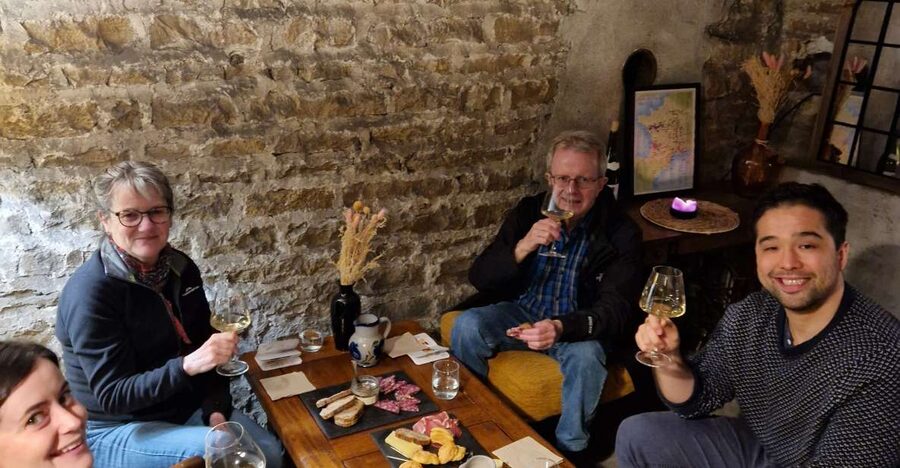
This class is built as a sequence, not a vague wine stroll. Here is what the hour typically looks like, and what each part accomplishes for you.
1) A calm start: how to taste wine, the right way
The guide begins with an explanation of how to taste wine properly. The method is based on the Wine & Spirit Education Trust (WSET) systematic approach to wine tasting. That is important because it changes the experience from guesswork to skill.
Instead of hoping your palate is “right,” you get a framework. You learn what to notice first, what to smell for, what kind of reactions in the glass mean something, and how to talk about what you detect. Reviews highlight that this part is where the light goes on for first-timers.
Within easy reach:
- Small-Group Full-Day Tour of Côte de Nuits, Côte de Beaune Vineyards and Beaune Historical District
★ 5.0 · 364 reviews - Burgundy Wines Full-Day Tasting Tour from Dijon
★ 4.8 · 141 reviews - Dijon: Cheese and Burgundy Wine Tasting Workshop
★ 4.8 · 122 reviews - Dijon: Bike tour and Tastings in the Vineyards of Burgundy
★ 3.9 · 47 reviews
2) Tasting the first wines with a plan, not random sampling
After the tasting basics, the session moves into actual pours. You are not just swirling and hoping for the best. You are guided through what you should be thinking about in each glass.
With 3 whites followed by 3 reds, you also get a built-in comparison tool. White wines let you focus on aroma and acidity, while reds often shift you toward structure, texture, and fruit profile. Switching styles inside one hour keeps your brain awake.
3) Burgundy 101 while you taste, not after you forget
As you taste, your guide walks you through Burgundy’s different areas, how the region works, and what makes it distinct. You will also cover grapes, history, production rules, and how to read a Burgundy label.
The clever part here is timing. Burgundy label reading is much easier when you are holding a glass that reflects the rules written on that label. You are not memorizing; you are connecting.
4) Food and wine pairing that actually explains the “why”
Then comes the pairing portion. Burgundy is often discussed like it is only about wine, but your class focuses on the pairing side, too. You learn how to match flavors so the wine and food support each other instead of fighting.
The guide walks you through food and wine pairing during the session, and based on past feedback you can expect a platter-style pairing with cheese, cold meats, and scones. That kind of lineup is perfect for training your palate, because it gives you multiple textures and salt levels to react to.
5) Wrap-up with questions, at a relaxed pace
The atmosphere stays relaxed, and the guide encourages questions. People repeatedly mention that it does not feel like you are being rushed out the door. That is not just comfort, it is practical: wine has too many personal preferences to teach it by monologue.
If you are the type who worries you’ll ask a “stupid question,” this is the format where you can safely ask it.
The Tasting Method: Why WSET-Style Works in Real Life
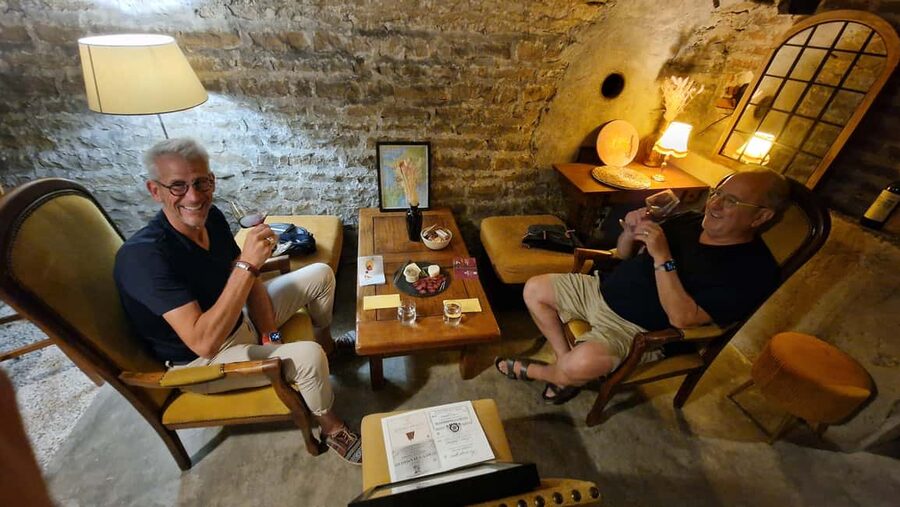
The heart of this masterclass is the structured tasting approach. WSET-style frameworks are popular for a reason: they keep your attention in the right place.
You are essentially training yourself to answer three questions in order:
- What do I notice in the aroma?
- How does it feel in the mouth, and what does that tell me about structure?
- What flavors do I detect, and does the wine match what I expected?
That routine pays off immediately. Even after one class, you can walk into a wine shop later and talk about what you like without sounding vague. And if you visit Burgundy again, you will understand label details you would otherwise skip.
In reviews, a common theme is that this tasting education goes beyond “tasting notes.” You learn techniques like what to smell when something is off, and you learn how to describe what you experience in a way that makes sense to others.
And yes, the guide’s communication style matters. Reviews mention humor and the ability to connect with both beginners and people who already know wine basics. That is the sweet spot.
Burgundy Areas, Grapes, and Label Reading That Finally Click
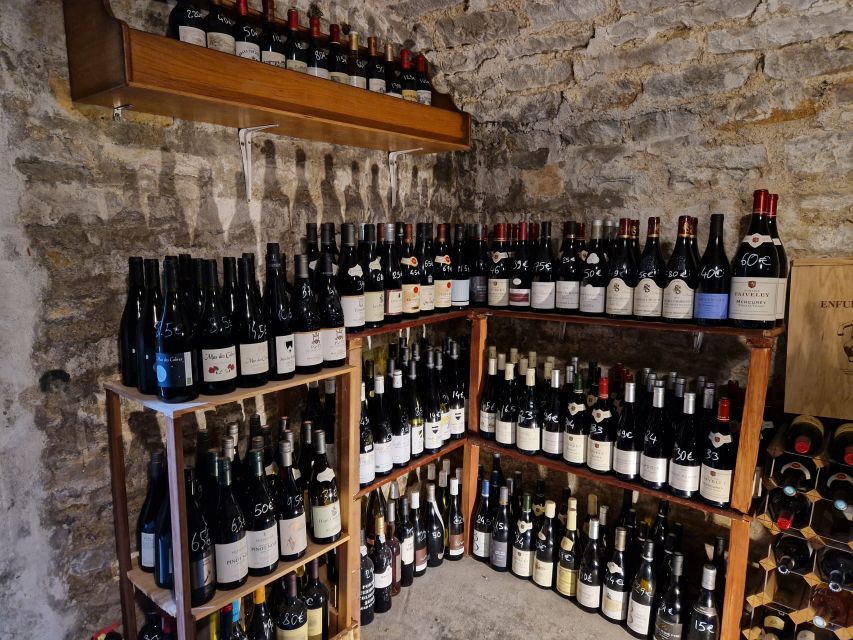
Burgundy can feel like a puzzle because the region is famous for small distinctions. This class turns that puzzle into something you can handle.
You will be guided through:
- Different areas within Burgundy
- Grapes and what they contribute
- Rules of production and why those rules matter
- How to read a Burgundy wine label
Why this is valuable: Burgundy labels can look intimidating. But once you understand that the label points to production choices, not random marketing, you start to predict what you might taste.
Also, the “why” comes through. Reviews repeatedly call out that the intro info is perfect for grasping the complexity of Burgundy wines. That is exactly what you want at the start: clarity first, then nuance.
A bonus from the teaching style: the guide is not just reciting facts. He connects them to the wine in front of you. That is how you remember.
The Wines: 3 Whites, 3 Reds, and the Pairing Connection
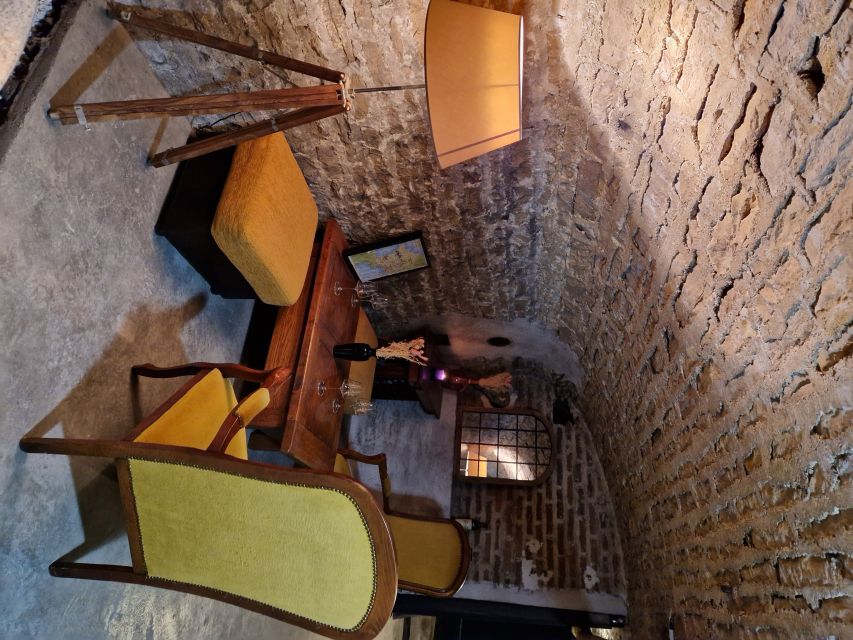
You will taste 3 white wines and 3 red wines during the 1-hour session. That mix is smart. It gives you variety without turning the class into a chaotic buffet of unrelated flavors.
From the feedback on past sessions, two ideas stand out:
- The wines are high quality, not just “training samples.”
- The pairing component is excellent, especially for first-timers.
Food pairing is where wine tastings can become a gimmick. In this class, it is treated like part of the lesson. You learn how flavors interact: how salt affects perception, how richness changes your sense of acidity, and how texture can change how fruit and tannins come across.
If cheese and meats are your thing, you are in luck. Past sessions mention pairing with cheese and cold meats, plus scones. That mix is practical because it covers multiple flavor and texture categories, so you can learn patterns instead of chasing one perfect match.
And one detail to know: in at least one past session, the guide added an extra sixth wine because the group was enjoying the momentum. That is not something to count on, but it does hint at a guide who likes to keep the experience fun, not robotic.
Price and Value: Is $54 Worth It?
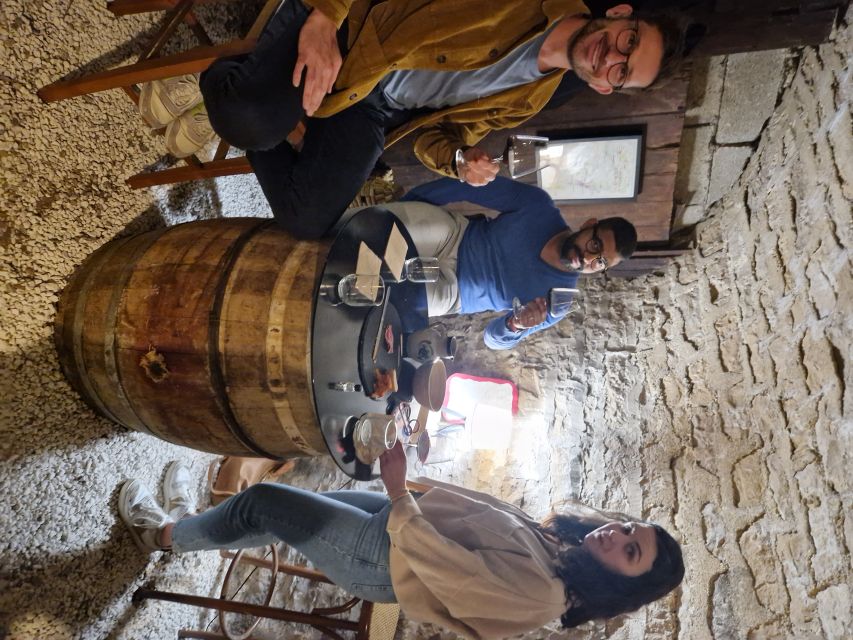
For $54 for one hour, the value depends on what you want.
If you want a simple sip-and-smile tasting, you could probably find cheaper. But if you want skills, this is priced reasonably. You are paying for:
- Instruction based on a structured method
- Six wines, split across whites and reds
- Burgundy context that helps you understand what you taste
- Food pairing guidance
- A small group size that keeps it interactive
The small group limit of 10 participants is a big part of the value. In a larger tasting, you can taste, sure. But you might not get your questions answered. Here, you are more likely to leave with actual tools you can use next week, not just memories of good flavor today.
Also, the class includes water, which helps keep your tasting palate accurate. It sounds basic, but it matters, especially when you are trying to pay attention rather than just get a buzz.
Who This Dijon Burgundy Masterclass Fits Best
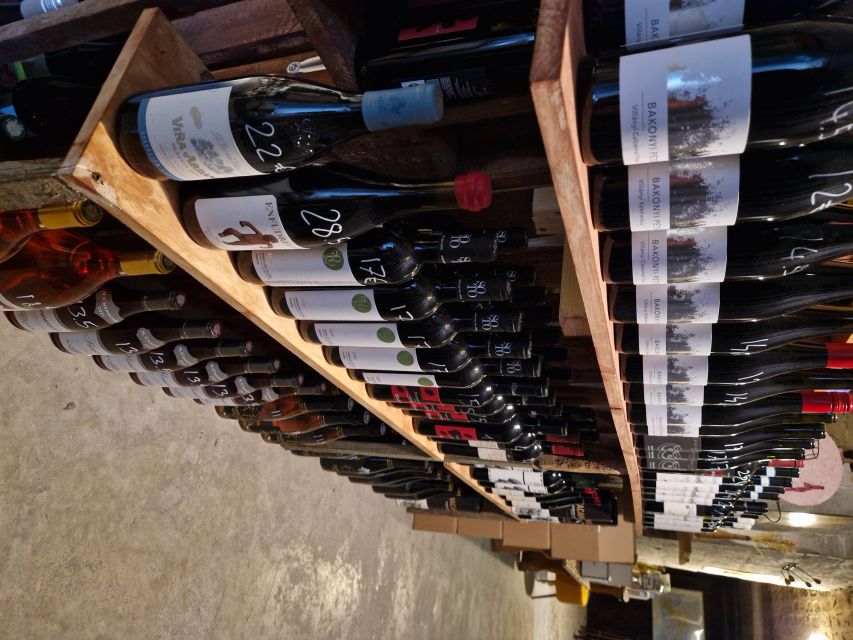
This is best for you if:
- You are curious about Burgundy and want a clear starting framework
- You are a beginner who wants the basics taught in a simple, structured way
- You already like wine and want a more organized way to taste and compare
- You want a relaxed setting with time for questions
It is not a fit if:
- You are pregnant
- You are bringing children under 18
- You are under 17
Pets are not allowed, so plan accordingly if you are traveling with animals.
One more practical note: the class is only one hour, so it is a strong option when you have a tight schedule in Dijon. Reviews also suggest it is an excellent introduction, even for people who have taken other wine tastings around France.
Should You Book This Dijon Burgundy Masterclass?
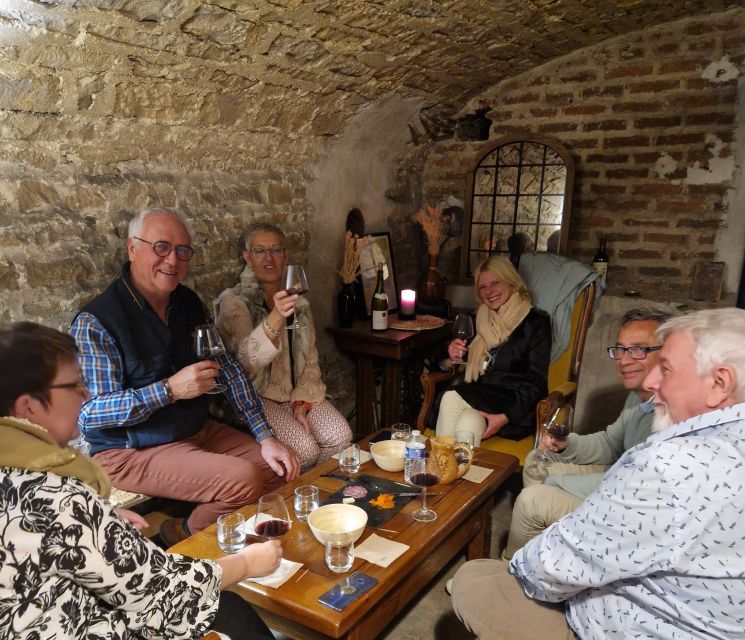
If you want a wine experience that actually teaches you how to taste and how to understand Burgundy labels, I think you should book it. The combination of a WSET-based tasting method, six wines served, and real pairing guidance makes the class feel like more than a snack with wine.
I would especially recommend it if Burgundy feels intimidating right now. After this, you will have a clearer way to judge what you like, explain it, and choose better bottles on your next stop.
One last nudge: arrive a little early at The Wine Compass meeting point, get comfortable, and bring your questions. This is the kind of class where curiosity is part of the program.
FAQ
What time does the Burgundy masterclass start?
The starting time is 2:30 pm. If you need another time slot, you can get in touch and they will try to accommodate you.
How long is the masterclass?
It lasts 1 hour.
How many wines do you taste?
You will be served 3 white wines and 3 red wines, for six wines total.
What languages are available?
The instructor can teach in English, French, and Spanish. German might be available on request.
Is the group small?
Yes. It is a small group limited to 10 participants.
What’s included in the price?
The experience includes wine tasting and water.
Is it suitable for kids or pregnant travelers?
No. It is not suitable for pregnant women and children under 18 (and people under 17). Pets are also not allowed.
Newly listed around Dijon
- 🍷 Masterclass Pinot Noir – Wine tasting in Dijon 🇫🇷★ 4.5 · 35 reviews
- ✨ Masterclass Chardonnay – Wine tasting in Dijon 🇫🇷★ 4.7 · 20 reviews
- Historic Center of Dijon : Discovery Tasting Wine Burgundy★ 4.5 · 40 reviews
- From Dijon: Côte de Nuits Wine-Tasting Tour★ 4.9 · 16 reviews
- Dijon: Half-Day Guided Gourmet Bike Tour★ 4.3 · 33 reviews
- Dijon: Cheese and Burgundy Wine Tasting Workshop★ 4.8 · 122 reviews
- Dijon City Tour : Highlights Tour with Gourmet Break★ 4.6 · 26 reviews
- Dijon: Express Walk with a Local in 60 minutes★ 4.5 · 28 reviews
Dijon Tours & Activities, compared.
La Cave du Palais Burgundy Wine Tasting Experience
Read our review →
Small-Group Full-Day Tour of Côte de Nuits, Côte de Beaune Vineyards and Beaune Historical District
Read our review →Burgundy wine tasting tour Half-Day Beaune from Dijon
Read our review →
Burgundy Wines Full-Day Tasting Tour from Dijon
Read our review →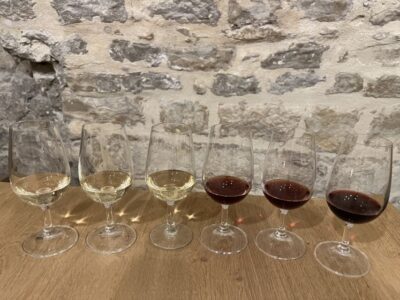
Bike tour and Tastings in the Vineyards of Burgundy
Read our review →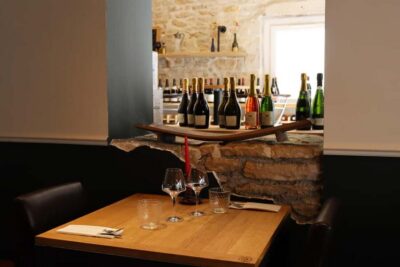
Historic Center of Dijon : Discovery Tasting Wine Burgundy
Read our review →Browse the lists this tour appears in