

Reviewed · LOIRE VALLEY CASTLE TOURS
Guided tour of the Château de Chambord
A castle staircase can change how you see a whole building. At Château de Chambord, I love how the guided, interactive format turns the French Renaissance story into something you can picture fast, and I also love the attention to hearing, with microphone and headphones so you are not straining in big rooms. The only real drawback is practical: there is no elevator, you will be standing and climbing steps for about 1.5 hours, so you need to plan for that.
Chambord is one of the Loire Valley’s big-name castles, and this tour is priced to fit a half-day schedule, especially since the entrance ticket is separate. It is small, limited to about 10 people, which helps the guide keep the pace lively and the Q and A coming.
In This Review
- Key Highlights You Can Expect
- Why a Small Group Guide Matters at Château de Chambord
- The 90-Minute Flow, Starting at the Entrance
- Francis I and the Renaissance Plan Behind the Stone
- Getting the Layout Right as You Walk the Key Stops
- The Double-Helix Staircase: Where Explanations Become Instantly Visible
- Terrace Time: Seeing the Roofline After the Story
- Price and Value: What $53 Covers, and What You Still Need
- Practical Tips That Make the Tour Feel Easier
- Who Should Book This Tour (and Who Should Skip It)
- Should You Book This Guided Tour at Chambord?
- FAQ
- Is the entrance ticket included in the tour price?
- How long is the guided tour?
- What languages are offered for the live guide?
- What should I bring or wear?
- Is the tour interactive?
- Are selfie sticks or flash photography allowed?
Key Highlights You Can Expect

- Francis I storytelling that connects the architecture to the politics and ambition of the Renaissance
- Interactive questions that make you think like a French courtier while you walk key spots
- Double-helix staircase wow factor, with explanations that make it click
- Small group size (up to 10), so you get more than a silent walk-through
- Good audio support, since the tour uses microphone and headphones
- Terrace finale, where the views and roofline details land differently after the story
Why a Small Group Guide Matters at Château de Chambord
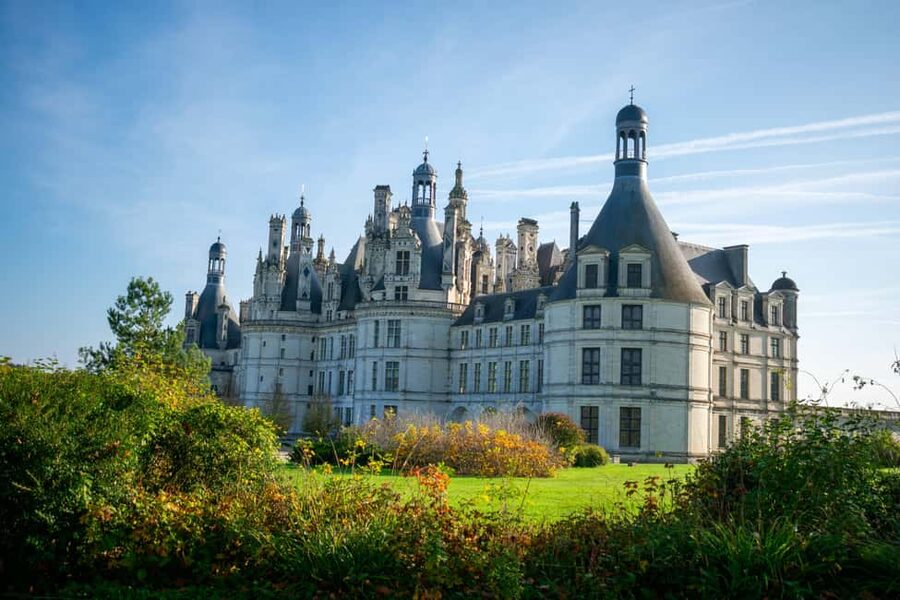
Château de Chambord can feel overwhelming on your own, because the castle is huge and the details are everywhere. A good guide helps you move with intention. This tour is led by Sarah Guibout-Chatelain, and the tone is clearly built for understanding, not just seeing. You get the story in a way that keeps you oriented, especially when you are trying to place rooms, symbols, and design choices in the bigger picture of the French Renaissance.
Two things make this feel like a smart use of your time. First, you do not just get facts dumped at you. You will answer questions, and you may be asked to imagine yourself in the French court setting tied to the castle’s most famous features. Second, the tour is designed to be heard. The microphone and headphones matter more than you might think, because castle interiors and courtyards can eat up sound, and you want the guide’s explanations to be clear from start to finish.
The castle is also cold in a very practical way. It is constantly open to the outside, so even in mild weather, plan on chilly drafts. If you dress for warmth, the whole experience feels smoother, and the standing time is easier.
More Loire chateau days:
- Loire Valley Castles Day Trip from Paris with Complementary Wine
★ 4.5 · 3,907 reviews - Chambord: Entry Ticket to the Castle
★ 4.6 · 1,841 reviews - From Paris: Loire Valley Castles Day Trip With Wine Tasting
★ 4.6 · 1,727 reviews
The 90-Minute Flow, Starting at the Entrance
The tour meets in front of the castle entrance, and the exact meeting point can vary based on the option you booked. Either way, the idea is simple: you start right where the visit begins, so you do not waste time hunting for the right building and group.
From there, the pace is built around a 90-minute guided walk that ends on the terraces. That timing is just long enough to feel guided, without turning into a slog. You are not expected to read everything on your own first, then guess what it means. Instead, you get the narrative, then you see the design choices with that context in your head.
A small note that changes your comfort level: you will be standing and walking for the full 1.5 hours. Then you add stairs. There is no elevator, so comfortable shoes are not optional, they are part of making the tour enjoyable.
And yes, the guide uses both English and French. If you are bilingual or prefer one language, you can choose what you need. The tour may show some content in its original language, but the guide’s job is to translate it into something you can follow.
Francis I and the Renaissance Plan Behind the Stone
Chambord’s fame is easy to recognize. But the why behind the fame is the part that makes the castle feel alive. The tour story centers on Francis I and his ambitious project to build what the guide frames as the Jewel of the French Renaissance.
What I like about this approach is that it gives you a way to connect separate sights into one design idea. Instead of treating each room or staircase as an isolated photo stop, you understand the logic of a ruler trying to make a statement through architecture. That means when you look at the castle’s grandeur, you also understand the ambition and message that came with it.
You also get a chance to make the history feel personal. The tour is interactive, so you are not just listening, you are participating. That can sound silly in theory, but in practice it helps you remember. When the guide asks you to picture yourself as part of a French court, it makes the architecture and the movement through it feel meaningful, not random.
Even if you have never read anything about Francis I, you can keep up. The guide’s explanations are structured to work for both younger visitors and adults. The key is that the tour focuses on story, not on turning your visit into a lecture.
Getting the Layout Right as You Walk the Key Stops

Chambord is visually dramatic, but the experience still depends on knowing where you are relative to the castle’s layout. A self-guided visit often turns into a lot of wandering, then a lot of guessing what you just saw.
On this tour, the guide helps you build a mental map. You follow the story through the spaces that matter, and the explanations are timed to what you can actually see at that moment. That is where headphones with a microphone really pay off. You do not want to miss a point while you are shifting your attention from a detail on a wall to a view that opens up nearby.
The tour also sets you up for the big “wow” moment later. As you move through the castle, you start hearing the logic of why the famous staircase is not just a gimmick. It connects to court life, to spectacle, and to the way the castle had to function as both a residence and a showpiece.
If you hate long waits inside, this tour is also a decent pick. It is active, not an endless queue of standing still. You are always walking or listening to the next story beat.
Other the Loire Valley bookings to consider
- From Tours: Chenonceau and Chambord Castles Guided Tour
★ 4.8 · 86 reviews - Chenonceau: E-Bike Guided Tour & Gourmet Picnic Lunch
★ 5.0 · 45 reviews - Chambord: Private Guided Tour of the Castle + Reserved Entry
★ 4.4 · 18 reviews - Paris: Louvre Guided Tour with Reserved Access & Boat Cruise
★ 4.3 · 16,353 reviews
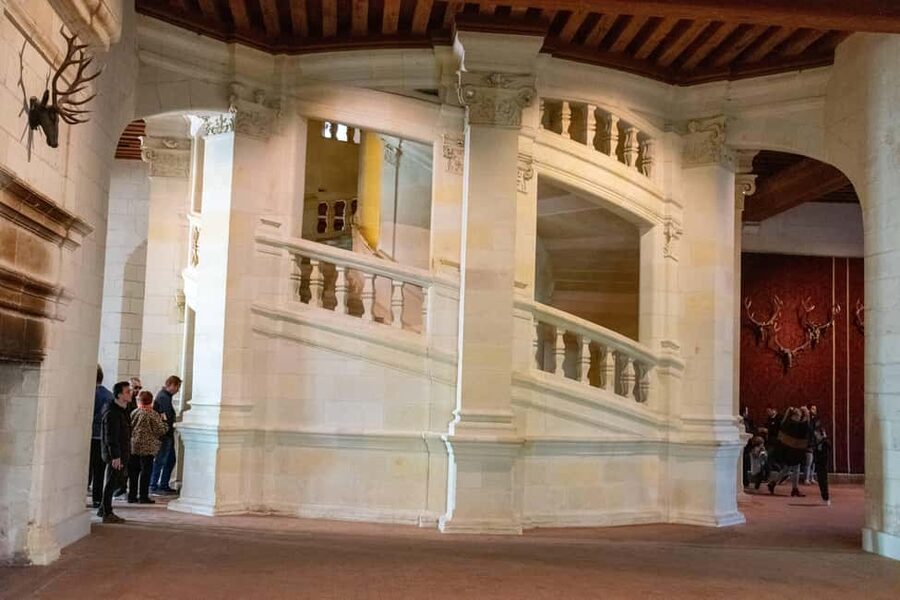
The Double-Helix Staircase: Where Explanations Become Instantly Visible
If there is one feature people remember from Chambord, it is the staircase. This tour leans hard into that moment, and it is easy to see why. The staircase looks engineered for drama, and once you understand what the guide is pointing out, it becomes more than an architectural curiosity.
The guide frames it in a way that makes the design feel clever rather than just strange. You learn how the structure supports movement and visual effect. And because the tour is interactive, you are more likely to pause, look closely, and understand what you are seeing.
This is also the part where imagining matters. The guide may ask you to visualize yourself using the stairs like someone in the castle’s era. That simple mental exercise changes how you interpret the angles and the idea of separation and connection. You can watch your brain go from photo mode to comprehension mode, which is exactly what you want from a paid guided experience.
There is a practical consideration here too. Stairs are part of the experience, and since there is no elevator, you need to treat the staircase as a real workout element. If you have knee issues, plan your pace carefully. The tour is still worth it, but your shoes and your energy level matter.
Terrace Time: Seeing the Roofline After the Story
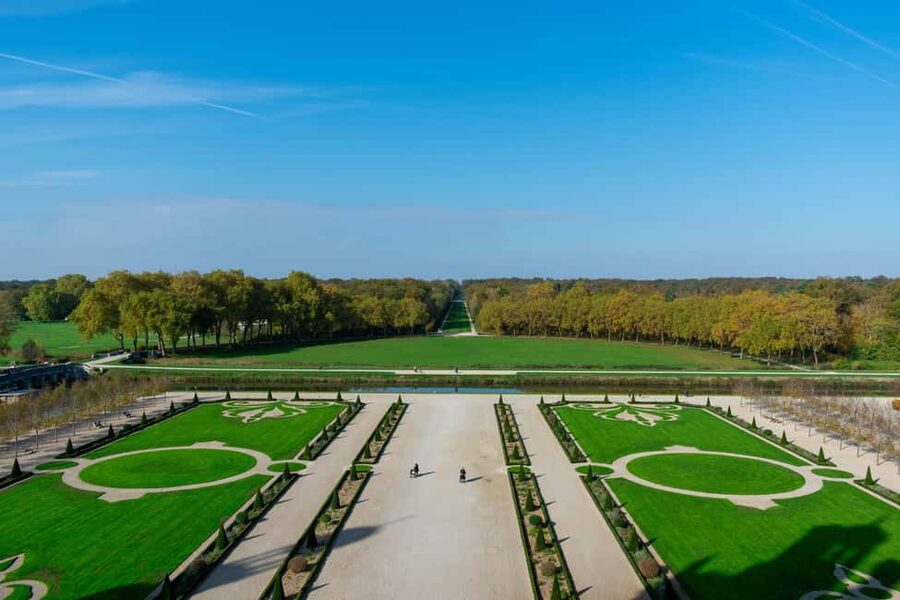
The tour ends on the terraces, and that timing is smart. Terraces are where you start to understand Chambord as a whole object, not just a collection of interiors.
After you learn the Francis I story and hear explanations tied to the castle’s design, the terraces shift your perspective. You see the roofline details and the overall silhouette with a better sense of why they exist. Instead of thinking only about size, you begin to notice the rhythm and intentionality.
The terraces also make the castle feel more real. You are outside, exposed to the weather, and that contrast helps you appreciate why the castle keeps drawing people back. You are not only looking at a model replica. You are standing where the castle’s drama would have been visible.
Dress warm here too. Since the castle is constantly open to outside conditions, temperatures can feel colder than you expect. If you show up with layers, you get to enjoy the final view without rushing to warm up.
Price and Value: What $53 Covers, and What You Still Need
At $53 per person for about 90 minutes, this is an “add-on value” tour. In other words, it makes sense if you plan to visit Chambord anyway and want the context that helps the castle click.
What you are paying for is not the entrance ticket. The tour includes the guided portion, plus the microphone and headphones that improve the experience. You are also paying for a guide who can keep a small group moving and participating. Limited to a small group of up to 10, the format is not based on you listening from far away. It is built for conversation.
So what should you budget beyond the tour? Entrance tickets are not included, so you need to book them separately through the castle’s official ticket site before your visit. If you forget this step, you can end up scrambling. But if you plan ahead, this tour feels like a clean way to turn a ticketed visit into a story-led experience.
Is it worth paying for a guide in a famous castle? In my opinion, yes, because Chambord rewards interpretation. Even if you love architecture, you still benefit from someone pointing out what to notice and why it matters. Without that, you can walk through and still miss the meaning behind key features.
Practical Tips That Make the Tour Feel Easier
A few small details make a big difference with this one.
Wear warm clothes. The castle can feel cold because it stays open to the outside, and drafts are part of the experience. If you layer, you will stay comfortable through the indoor walking and the terrace finale.
Wear shoes you can climb in. There is no elevator. You should expect stairs and steps during the tour, so plan for a steady pace.
Keep bags simple. Luggage or large bags are not allowed. If you travel with a daypack, keep it manageable. Also, no selfie sticks, no flash photography, and you are not allowed to touch exhibits.
Think about strollers. Strollers are allowed on the ground floor, but you would need to leave them downstairs for the upstairs part of the tour. If you are traveling with a stroller, plan for that transfer.
Know who it is not suitable for. The tour is not suitable for people with mobility impairments and wheelchair users, since it involves steps and climbing. If you need accessibility-first options, ask for alternatives that better match your mobility needs.
Who Should Book This Tour (and Who Should Skip It)
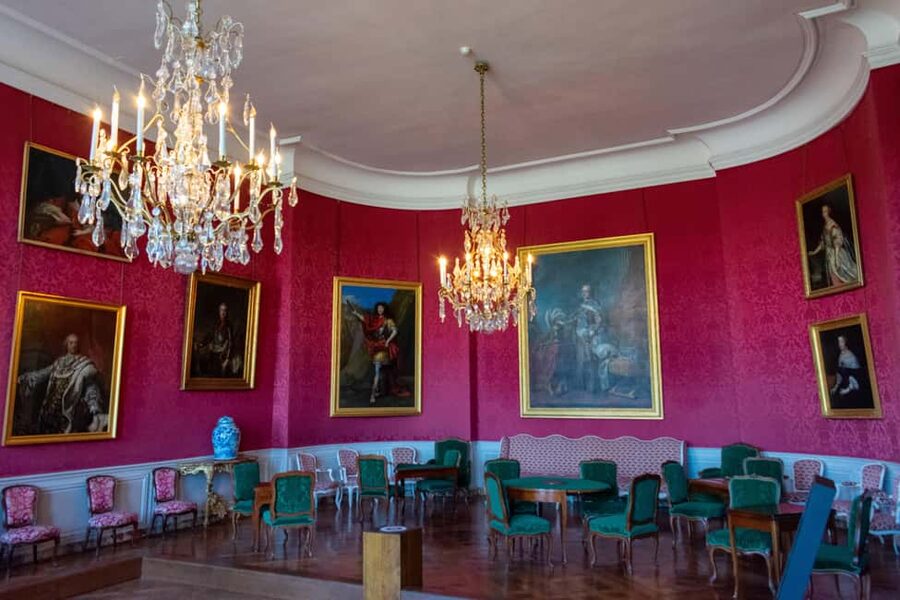
This guided tour makes the most sense if you want the highlights of Chambord with context. You are a good fit if you like your museum time active, with interaction and clear explanations. You also get extra value if you prefer a smaller group, because you will hear the guide well and you will have space to ask questions.
It also suits people who do not want to spend their visit building their own background knowledge first. The Francis I story is delivered in a way that helps you understand the castle as a statement, not just a landmark.
You might want to skip or reconsider if you cannot handle stairs or long standing time. Since there is no elevator and the tour involves climbing the castle steps, this is not a casual walk for everyone. In that case, choose a plan designed around your mobility needs.
For families, the interactive format is a plus, and the tour is described as understandable for ages from young kids to older adults. Just remember you need an ID card or passport for children.
Should You Book This Guided Tour at Chambord?
If you are going to Château de Chambord anyway, I think booking this 90-minute guided tour is a smart move. The price feels reasonable for what you get: a small group, a local guide who can keep things lively, and the kind of explanations that make the double-helix staircase and the Francis I story feel connected.
Book it especially if you want to avoid wandering without context. You will finish on the terraces with a clearer sense of what you just saw, and that makes the souvenir photos more meaningful.
If stairs are a deal-breaker for you, do not force it. But if you can handle walking, standing, and climbing, this is one of the better ways to experience Chambord beyond the headline sights.
FAQ
Is the entrance ticket included in the tour price?
No. Entrance tickets are not included. You need to book them directly from the Château de Chambord ticket office using the castle website.
How long is the guided tour?
The tour lasts about 90 minutes.
What languages are offered for the live guide?
The live tour guide is available in English and French.
What should I bring or wear?
Bring warm clothes, since the castle can be cold and drafty. Wear suitable shoes because the tour involves walking, standing, and climbing stairs. Children should bring a passport or ID card.
Is the tour interactive?
Yes. The tour is interactive, and you may be asked questions or encouraged to imagine scenes connected to the famous staircase.
Are selfie sticks or flash photography allowed?
No. Selfie sticks are not allowed, and flash photography is also not allowed.
Newly listed around the Loire Valley
- Tours: visite du coeur historique de la ville.★ 4.8 · 41 reviews
- From Tours: Loire Valley Wineries Day Trip with Tastings★ 4.9 · 38 reviews
- Paris: Loire Valley Castles Tour with Wine Tasting★ 4.9 · 22 reviews
- Paris: Loire Valley Castles Tour with Chambord & Chenonceau★ 4.8 · 51 reviews
- From Paris: Loire Valley Castles Tour with Hotel Transfers★ 4.1 · 55 reviews
- Loire Valley: Château Royal d’Amboise Entrance Ticket★ 4.6 · 476 reviews
- From Paris: Small-Group Loire Valley Castles Full-Day Tour★ 4.8 · 244 reviews
- Loire Valley: Vouvray Vineyard Tour and Wine Tasting★ 5.0 · 19 reviews
Loire Valley Castle Tours, compared.

Loire Valley Castles Day Trip from Paris with Complementary Wine
Read our review →

Loire Valley Castles Day Trip With Wine Tasting
Read our review →

Loire Valley Castles Trip with Chenonceau and Chambord from Paris
Read our review →
Amboise: Clos Lucé Castle, Da Vinci Park and Museum Ticket
Read our review →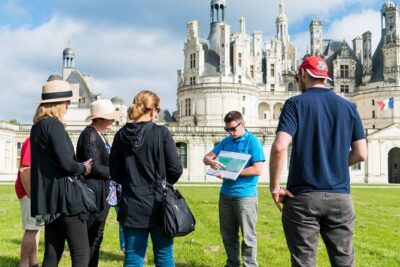
Loire Valley Wine and Castles Small-Group Day Trip from Paris
Read our review →Browse the lists this tour appears in