
Reviewed · MUSEUMS
Limoges: Musee National Adrien Dubouche Ticket
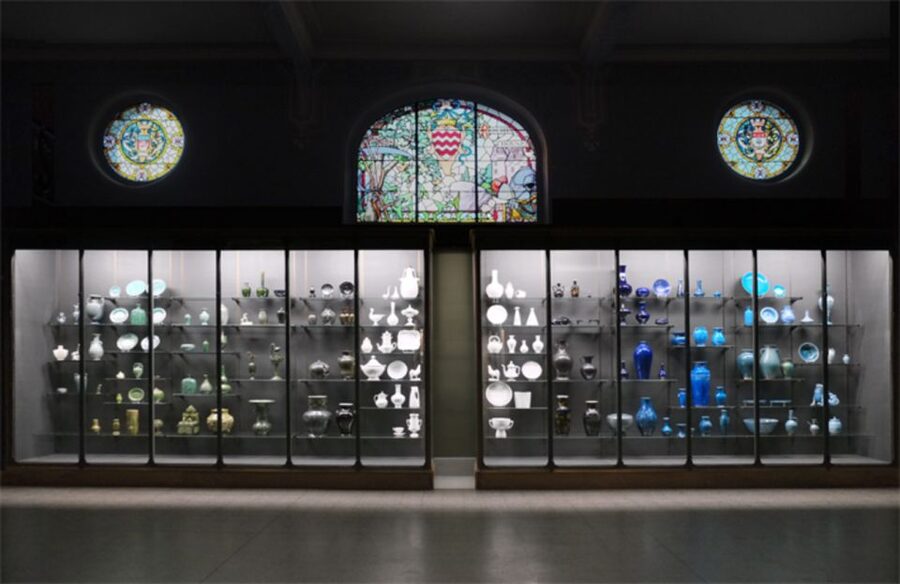
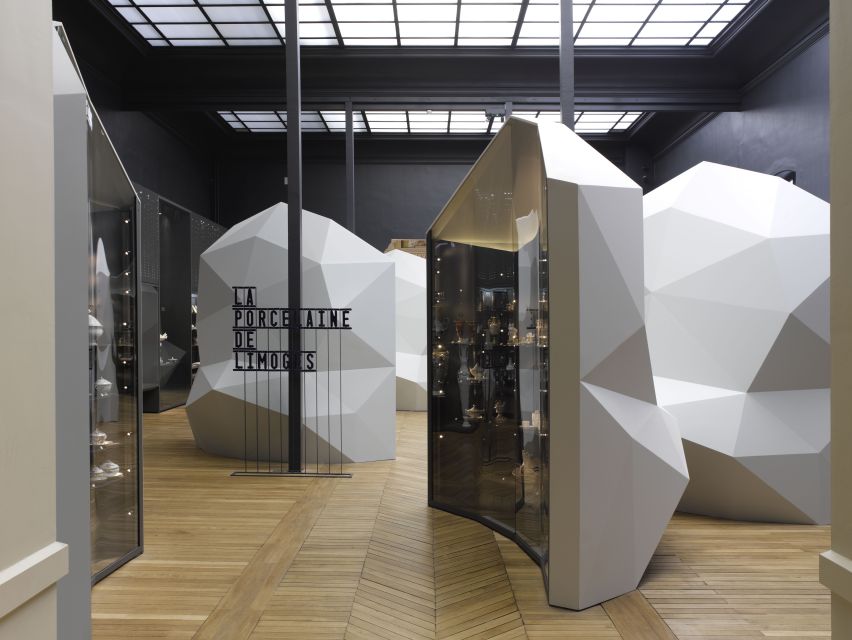
Porcelain lovers, this museum is for you. The Musée National Adrien Dubouché lets you roam through 18,000 pieces of Limoges porcelain history inside a beautiful Italian façade. I love the way the museum tackles materials and how porcelain is made, and I also like the calm, light-filled spaces that make it easy to concentrate. One possible drawback is that the second-floor presentation can feel a little confusing if you prefer everything in a strict, easy sequence.
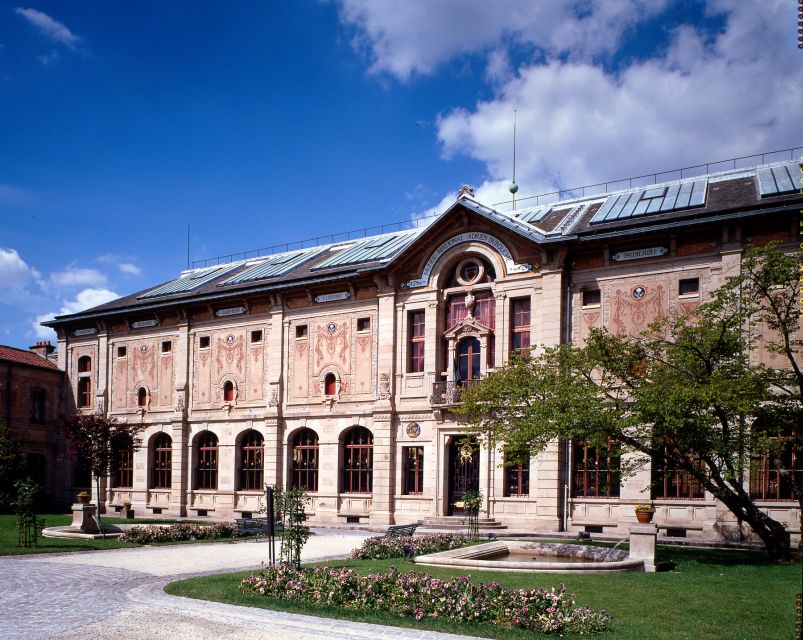
This is not a quick photo stop. The building, with its classic façade, has been listed as a historical landmark since 1992, and your visit moves through four distinct museum areas you can explore at your own pace. Expect a walk from older classroom settings to Art Nouveau-style rooms, plus a dedicated section on techniques and porcelain-making.
For a self-paced day, the ticket is great value at about $8 per person, especially since the collection spans ceramics from antiquity to the present day. The only real heads-up: food and drinks are not included, so plan your timing accordingly if you get hungry.
In This Review
- Key highlights
- The appeal: why this Limoges porcelain museum feels so satisfying
- Where to go in Limoges and when the doors are open
- The building and the “first impression” moment
- Old classrooms of the École d’arts décoratifs: where craft meets education
- Art Nouveau halls: when porcelain becomes design language
- Porcelain and ceramic-making techniques: the most useful section
- Halls of finest porcelain artworks: where the eye slows down
- The 18,000-piece challenge: how to pace it without getting lost
- Price and value: why this ticket is a smart spend
- Practical tips that make the visit smoother
- Who should book this ticket, and who might skip it
- Should you book the Musée National Adrien Dubouché ticket?
- FAQ
- Where is the Musée National Adrien Dubouché?
- How much does the ticket cost?
- How long should I plan to spend there?
- What are the museum opening hours?
- Is the museum open on Tuesdays?
- When is the museum closed for holidays?
- Is the museum wheelchair accessible?
- Can I bring luggage or large bags?
- When is entry free?
Key highlights
- 18,000-piece collection covering ceramics from antiquity to the present day
- Four museum areas that range from old art classrooms to porcelain galleries
- Art Nouveau halls where design meets decorative craft
- Techniques and materials focus so you understand how the work is made
- Bright, calm rooms that make long looking feel comfortable
- Easy pacing thanks to a full, self-guided walk at your leisure
The appeal: why this Limoges porcelain museum feels so satisfying
What makes this museum work is the scale, but also the way that scale is presented. You are not rushing between a few rooms. You are walking through a large public collection that gives you a big-picture feel for ceramics, then lets you slow down and see details.
I like that the museum spends real time on how porcelain and ceramics relate to craft. You will see pieces across centuries, but you will also encounter explanations about materials and ceramic-making approaches. That combo helps you look at the objects with more understanding instead of just admiring them from a distance.
The building itself adds to the experience. The Italian façade is impressive from the outside, and inside you get a feeling of space that makes the visit feel calm rather than crowded chaos. Even if you are not a hardcore porcelain collector, the atmosphere helps you stay focused.
Other France bookings to consider
- Paris: Orsay Museum Entry Ticket
★ 4.7 · 25,647 reviews - Louvre Museum Masterpieces Guided Tour with Access
★ 4.5 · 12,023 reviews - Paris: Louvre Museum Entry Ticket With Host and River Cruise
★ 4.6 · 9,926 reviews
Where to go in Limoges and when the doors are open
You’ll meet up at the Musée National Adrien Dubouché, 8 bis place Winston Churchill, 87000 Limoges. It is a straightforward address to plug into your map app, and the location makes it easy to build this visit into a Limoges day.
Hours are split into two blocks most days:
- 10:00AM-12:30PM
- 2:00PM-5:45PM
The museum is open daily except Tuesdays, and it closes on December 25th and January 1st. If you are planning around other activities, I strongly suggest choosing one of the two visiting windows and building the rest of your day around it, not the other way around.
The building and the “first impression” moment
Even before you reach the displays, you can feel that you are stepping into something designed for viewing. The museum is housed in a historic building with an Italian façade, and that matters because it sets expectations: this is a serious place for ceramics, not a small hobby collection.
Once inside, it helps to take a quick orientation lap before you commit to an order. You are heading into a layout with multiple areas, and a little early orientation saves time later. Think of it like getting your bearings fast, so you do not end up backtracking through the same corridors.
Also, plan around the museum rules. Luggage or large bags are not allowed, so travel light. A small daypack is usually what you want if you are carrying personal items, and you will enjoy the visit more if your hands are free for looking at labels and details.
Old classrooms of the École d’arts décoratifs: where craft meets education
One of the four museum areas pulls you into the atmosphere of the old classrooms of the École d’arts décoratifs. This part of the visit adds context to the objects, because you see ceramics not just as finished art, but as something taught and learned through practice.
This is a good stop early on if you like to understand the “how” before the “wow.” The classroom setting encourages you to pay attention to processes and materials, which pairs nicely with the museum’s techniques focus elsewhere.
The good news here is pacing. Since it is a self-guided visit, you can take your time in the classroom area without worrying about keeping up with a group. If you are the type who likes to read labels slowly, this is where that habit pays off.
Within easy reach:
- Paris: 1-Hour Seine Cruise departing from the Eiffel Tower
★ 4.4 · 77,472 reviews - Disneyland® Paris 1-Day Ticket
★ 4.6 · 49,412 reviews - Paris: Versailles Palace and Gardens Full Access Ticket
★ 4.6 · 41,579 reviews - Paris: Arc de Triomphe Rooftop Tickets
★ 4.6 · 34,264 reviews
Art Nouveau halls: when porcelain becomes design language
Next, you get to the museum’s Art Nouveau halls. This is one of those sections where porcelain stops being only about form and function and starts acting like design and style history. You will see how decorative choices reflect tastes and aesthetics of different eras.
What I like about this area is that it gives you a visual “feel” for changing design approaches. Instead of treating porcelain as a single genre that stayed the same, the Art Nouveau rooms show you variation in lines, ornament, and presentation.
If you prefer structure, you might want to spend a little extra time here with a notebook or phone notes, just to keep track of what you are seeing. Later on, the variety across the collection can make it tempting to rush. A slow, deliberate approach in these halls makes the rest of the visit more satisfying.
Porcelain and ceramic-making techniques: the most useful section
The museum includes a dedicated porcelain and ceramic-making techniques room, and this is the heart of why the visit works for people who want more than decoration. You go from “pretty objects” to “understanding what makes porcelain and ceramics possible.”
Even if you do not remember every detail, this section helps you develop better eyes. You start noticing things like material choices, surface treatments, and the logic behind craftsmanship. It is the kind of learning that does not feel like a lecture because it is built around objects you can look at directly.
This area is also a great “reset” point mid-visit. If you feel like the collection is getting overwhelming, techniques give you a framework. Suddenly you are not just scanning pieces, you are comparing how different processes lead to different results.
Halls of finest porcelain artworks: where the eye slows down
The museum has halls dedicated to the finest porcelain artworks, and this is where you shift into pure looking mode. These galleries reward patience. If you like standing back for a moment, then stepping closer to examine details, this is where you will enjoy that rhythm.
This portion of the collection also helps you appreciate the museum’s range. The objects are not all the same style, and the display encourages you to see evolution and differences across time. It is especially appealing if you like comparing forms and decorations without needing specialized knowledge.
One practical note: these kinds of galleries can make time slip by fast. If you want to finish in a comfortable window, it helps to set an internal goal, like choosing a few pieces you truly want to study rather than trying to look at everything equally.
The 18,000-piece challenge: how to pace it without getting lost
The museum’s biggest promise is the scale: more than 18,000 pieces across the history of ceramics. That is wonderful, but it can also overwhelm if you try to “see it all” in one go.
Here’s how I’d pace it. Start with one area that gives context, like the old classrooms and techniques. Then spend your middle time in the big visual zones, like Art Nouveau halls and major artwork galleries. Save your personal favorites for the end, when you can slow down and enjoy rather than “collecting sightings.”
A helpful detail from visitor experiences is that the museum can feel a bit confusing on the second floor. I would treat that as a signal to move patiently and not assume the route is obvious. If you need a moment, stop, re-check your bearings, and pick the next gallery calmly.
If you want a comfortable rhythm, plan for around 3 to 3.5 hours. That time window lets you enjoy the collection without rushing through every room. Shorter visits can work, but you will likely end up skipping at least part of the museum’s story.
Price and value: why this ticket is a smart spend
At about $8 per person, this ticket is strong value for what you get. You are paying for access to an enormous public collection, with multiple themed areas and real educational components on materials and techniques.
Where the value really shows up is in the self-guided format. You are not paying for a fixed itinerary that ends quickly. Instead, you pay for freedom to roam, linger, and return to pieces you want to look at again.
So this is a good choice when:
- you want a cultural visit that does not require strict timing
- you enjoy museum labels and visual details
- you want something unique to Limoges, not another generic history site
If you only like museums for one quick highlight, you might feel the scale is too much. But if you like craft, design, and objects, this is one of the best uses of a few hours in town.
Practical tips that make the visit smoother
Because this is a large museum, your comfort matters more than you might expect. Here are the practical things I would do before you go.
First, travel light since large bags and luggage are not allowed. Second, give yourself time to settle. The museum is bright and airy, and once you get into the flow, it becomes a very enjoyable place to take your time.
Also, keep your expectations balanced. The museum is educational, but it is still a place built around objects. You do not need to be a specialist to enjoy it. You just need to be willing to look closely and read at least some of the explanations.
Finally, if you are sensitive to disorder or unclear layout, keep in mind that a portion of the presentation can feel confusing. That is not a deal-breaker. It just means you should move at a human pace and use short breaks to reorient.
Who should book this ticket, and who might skip it
This ticket is perfect if you:
- love porcelain, ceramics, or decorative arts
- like museum experiences where you can go room to room at your own speed
- enjoy learning about materials and craft processes
- want something distinctly tied to Limoges
It may be less ideal if you:
- want only one or two quick stops and hate long browsing
- dislike museums where the collection breadth is the main feature
- need a very linear experience with zero chance of confusion
The upside is that you can adjust your pace. If you spend extra time in techniques and one artwork hall, you still come away with a strong sense of what the collection is about.
Should you book the Musée National Adrien Dubouché ticket?
If you are deciding between this museum and a more general sightseeing plan, I say book it. The combination of scale (18,000-plus pieces), a focused techniques section, and themed areas like the Art Nouveau halls makes it a visit that feels both big and meaningful.
I would choose it especially if you want an authentic Limoges experience tied to ceramics rather than a generic stop. At around $8, it is also low risk. You can enjoy it for 3 to 3.5 hours and still have energy for the rest of your day in town.
Book it if you like to look slowly, read labels, and compare objects. If you want something ultra-fast and photo-only, then you may want to pick a shorter attraction instead.
FAQ
Where is the Musée National Adrien Dubouché?
The address is Musée National Adrien Dubouché, 8 bis place Winston Churchill, 87000 Limoges.
How much does the ticket cost?
The ticket price is listed as $8 per person.
How long should I plan to spend there?
A comfortable pace is about 3 to 3.5 hours, since the museum lets you roam freely through a large collection.
What are the museum opening hours?
It is open daily except Tuesdays, with hours 10:00AM-12:30PM and 2:00PM-5:45PM.
Is the museum open on Tuesdays?
No. The museum is closed on Tuesdays.
When is the museum closed for holidays?
It is closed on December 25th and January 1st.
Is the museum wheelchair accessible?
Yes, wheelchair accessibility is listed.
Can I bring luggage or large bags?
No. Luggage or large bags are not allowed.
When is entry free?
Entry is free for students under 26, teachers leading school or educational groups, job seekers, and RSA beneficiaries. It is also free for everyone on the first Sunday of each month.
Newly listed around France
- Visit the lavender fields, the Gorges du Verdon and Moustiers.★ 5.0 · 17 reviews
- Provence small group half-day wine tour from Aix★ 4.5 · 18 reviews
- Monaco & the French Riviera – From AIX★ 4.5 · 20 reviews
- Picturesque Luberon – From AIX-EN-PROVENCE★ 5.0 · 55 reviews
- Lunch in Provence: Discovering Local Flavors in Aix-en-Provence★ 5.0 · 38 reviews
- 5-Hours Lavender Fields Tour in Valensole from Aix-en-Provence★ 5.0 · 42 reviews
- Luberon Market & Villages Day Trip from Aix-en-Provence★ 5.0 · 250 reviews
- Half day Wine Tour in Côtes de Provence Sainte-Victoire from Aix en Provence★ 5.0 · 27 reviews
Museums, compared.

Louvre Museum Masterpieces Guided Tour with Access
Read our review →
Louvre Museum Entry Ticket With Host and River Cruise
Read our review →
Les Invalides: Napoleon’s Tomb & Army Museum Entry
Read our review →
Musée de l’Orangerie Reserved Entrance Ticket
Read our review →
Louvre Museum – Exclusive Guided Tour (Entry Included)
Read our review →
Louvre Museum Hosted Entry and Mona Lisa Audioguide
Read our review →
Browse the lists this tour appears in