
Reviewed · LOUVRE HIGHLIGHTS GUIDED TOURS
Louvre & Orsay Masterpieces – Guided Tour up to 6 guests 5h
A world-class art plan in one day, not two. What makes the Louvre and Orsay combo so interesting is the way it tells a single story across centuries, instead of sending you hunting room to room. I especially like the chronological walkthrough that ties Ancient Greek mythology to later masterpieces, and I love the small group size that helps your guide keep the pace human. One drawback to plan for is the heavy walking and strict museum rules, including luggage limits.
This is the kind of tour that turns two famous buildings into one connected art lesson. Your guide starts at the Louvre, home to more than 35,000 works across roughly 650,000 square feet, then shifts after lunch to the Musée d’Orsay, a Beaux-Arts station turned art museum. The result is a day that feels structured and doable, even if you only have about 5 hours.
In This Review
- Key things I’d prioritize before you go
- A 5-hour Louvre to Orsay plan that actually feels manageable
- Louvre Museum: the timeline starts with Ancient Greece, then accelerates
- The Mona Lisa moment, plus the guiding logic behind it
- Louvre palace architecture: why the building matters as much as the galleries
- Lunch break: a reset that keeps the afternoon from feeling rushed
- Musée d’Orsay: from old rail station to Impressionist era
- Art rebellions and techniques, not just big names
- Small group navigation: crowd control and pacing that fits real people
- Languages, and why it matters more than you think
- Price and value: $281 per person, with a key fee included
- Practicalities: walking, bag rules, and quiet rooms
- Accessibility and who should skip this format
- Should you book the Louvre and Orsay guided combo?
- FAQ
- How long is the Louvre and Orsay guided tour?
- What is included with the tour?
- Are transfers between the Louvre and Musée d’Orsay included?
- Is the tour only for the Mona Lisa?
- Is the tour private?
- What languages are available?
- What should I bring, and what restrictions apply inside the museums?
- Is this tour wheelchair accessible?
- Is free cancellation possible?
Key things I’d prioritize before you go
- Chronological flow from Ancient Greece to French Impressionism and beyond
- Mona Lisa time plus other landmark works, guided through the big moments
- Louvre palace context so the building itself makes sense, not just the paintings
- Orsay in the old Gare d’Orsay building, which instantly changes the mood
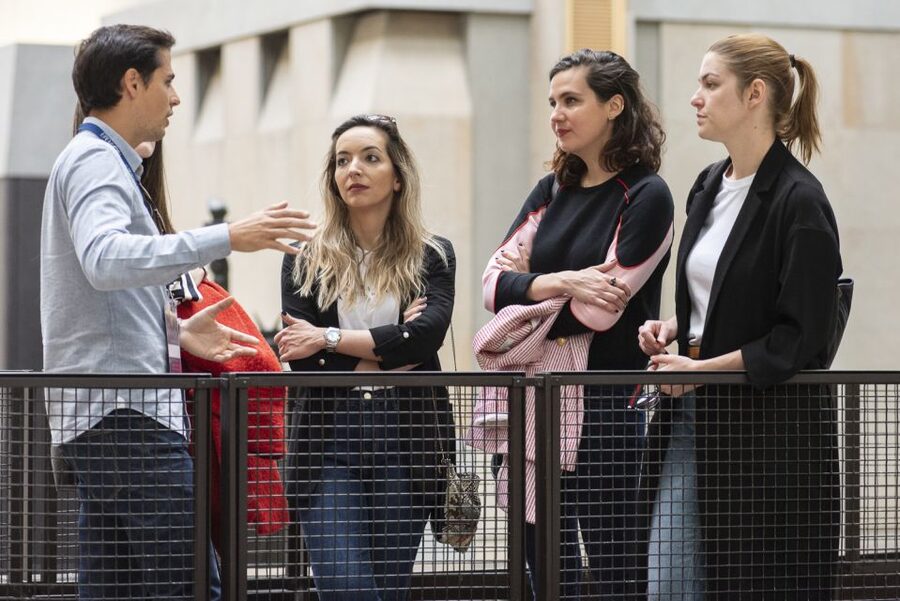
- Small-group feel (up to 6 people), which helps with crowd navigation
- Art-technique talk around 19th-century artists like Manet, Renoir, Cézanne, Gauguin
A 5-hour Louvre to Orsay plan that actually feels manageable

If you have ever stared at the Louvre map and thought, okay, but where do I begin, this is a smart fix. The tour is built around a simple idea: pick a direction, then keep moving in a timeline. Instead of treating the museums like two separate checklists, you get a guided story that links what came before to what changed later.
You’re looking at a 5 hour experience, with a break for lunch included. That timeline matters. The Louvre alone can eat a whole day, and Orsay can too if you wander. Here, the schedule is tight enough to stay focused, but guided enough that you are not lost in the maze.
Also, the group size is kept small, up to 6 people per guide. In practice, that means your guide can adjust on the fly, answer questions, and guide you through the busiest choke points without turning your day into a sprint.
More Louvre entries and guided rounds:
- Paris: Louvre Guided Tour with Reserved Access & Boat Cruise
★ 4.3 · 16,353 reviews - Louvre Museum Masterpieces Guided Tour with Access
★ 4.5 · 12,023 reviews - Paris: Louvre Overview, Exploration tour and Reserved Entry
★ 4.1 · 10,145 reviews
Louvre Museum: the timeline starts with Ancient Greece, then accelerates
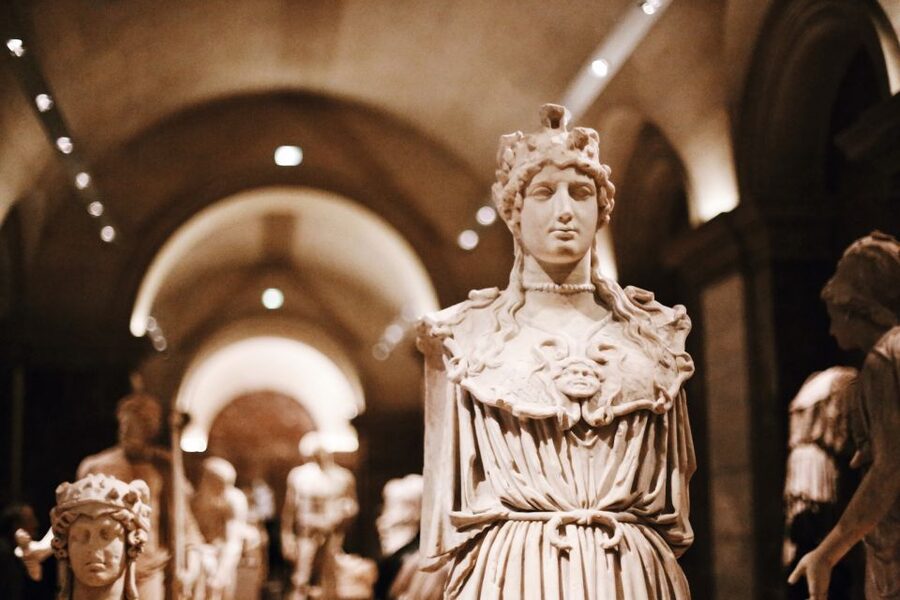
Your tour begins at the Louvre, where your guide frames the collection in order, from Ancient Greek mythology into later European art. This is a huge value add, because the Louvre’s scale is intimidating. With more than 35,000 works on display, you can easily end up seeing only the highlights and missing how those highlights connect.
Expect the guide to point you toward major works that shaped how art was made and how societies understood power, religion, and storytelling. Even if you only know a handful of famous names, the timeline approach gives you a way to place each artwork in context: what it responded to, what it borrowed, and what it tried to change.
The Mona Lisa moment, plus the guiding logic behind it

Yes, you will get to the Mona Lisa. But the tour value is not just arriving at a crowd magnet and taking a photo. The guide builds the lead-up, so the artwork lands as part of a larger shift in how Renaissance art worked.
A practical tip for your mindset: when you see the Louvre as a timeline, the Mona Lisa becomes less of a single stop and more of a turning point. You are seeing why it matters in the bigger story of style, technique, and cultural taste.
Louvre palace architecture: why the building matters as much as the galleries
One of the best things about this tour is that it treats the Louvre building as part of the experience. The Louvre is not just a container for art. It also has its own history, including the era when it functioned as a palace.
When your guide explains that palace past, the museum stops feeling like a neutral warehouse. Instead, you start noticing how spaces were designed for authority and display. That changes how you move, and it changes what you pay attention to, even if your feet are doing most of the work.
More Orsay tickets:
- Paris: Orsay Museum Entry Ticket
★ 4.7 · 25,647 reviews - Paris: Orsay Museum Entry Ticket and Digital Audio Guide App
★ 4.4 · 3,170 reviews - Paris in a Day: Louvre or Orsay, Eiffel Tower, City Walk & Cruise
★ 5.0 · 1,956 reviews - Paris: Musée d’Orsay Skip-the-Line Tour with Expert Guide
★ 4.5 · 1,145 reviews
Lunch break: a reset that keeps the afternoon from feeling rushed

After the Louvre segment, there is a lunch break included. Food is not included, but having the break scheduled is. In a plan this structured, you will appreciate a pause so you can regroup before Orsay.
Also, Orsay is a different vibe than the Louvre. The morning is all about scale and centuries. The afternoon is more focused on 19th-century French art, and the museum’s layout is easier to read once your brain has shifted gears.
Musée d’Orsay: from old rail station to Impressionist era
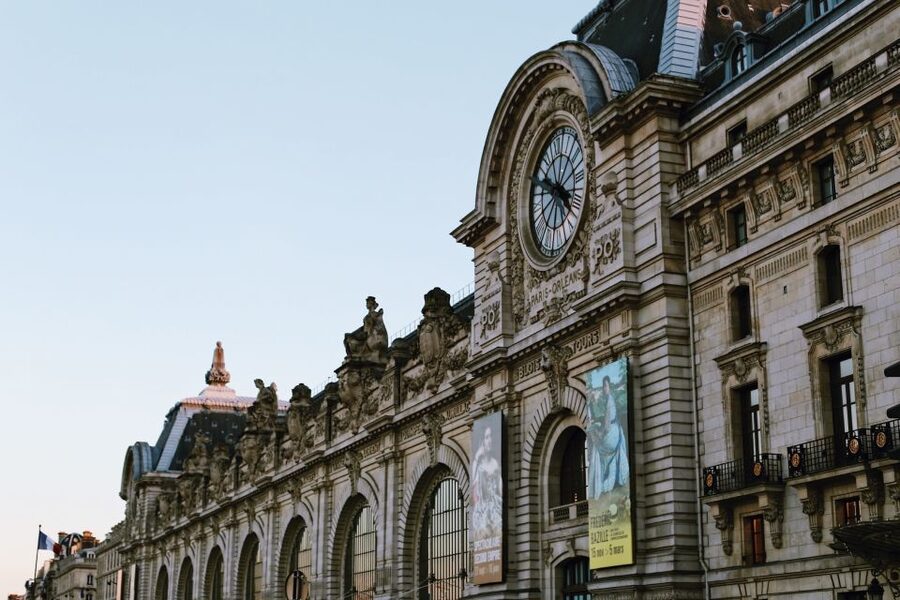
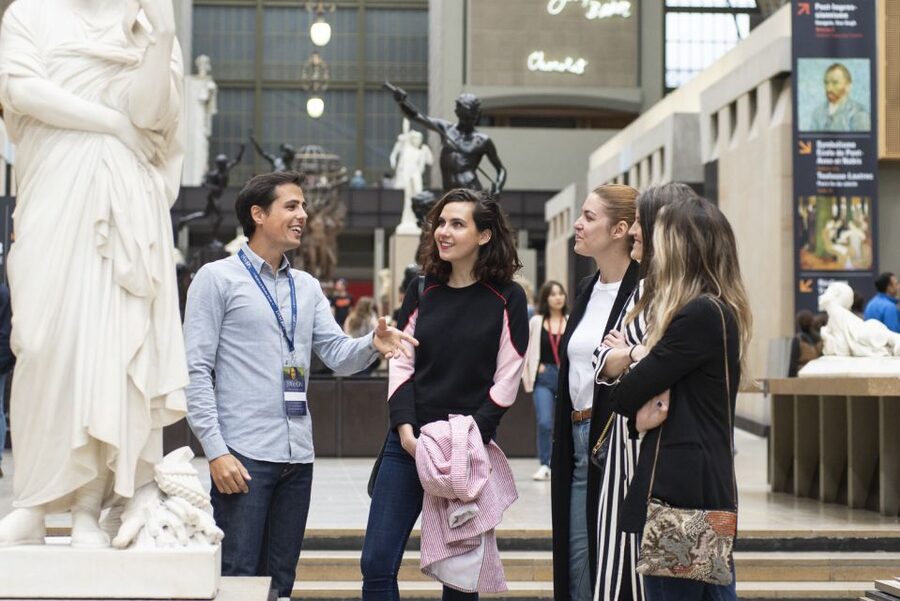
Then you head to the Musée d’Orsay. The building is a former Gare d’Orsay railway station, and that detail is more than trivia. The architecture and light feel different from the Louvre, and the space supports the art style. It is one reason Orsay can feel more approachable, even though it is still a major museum.
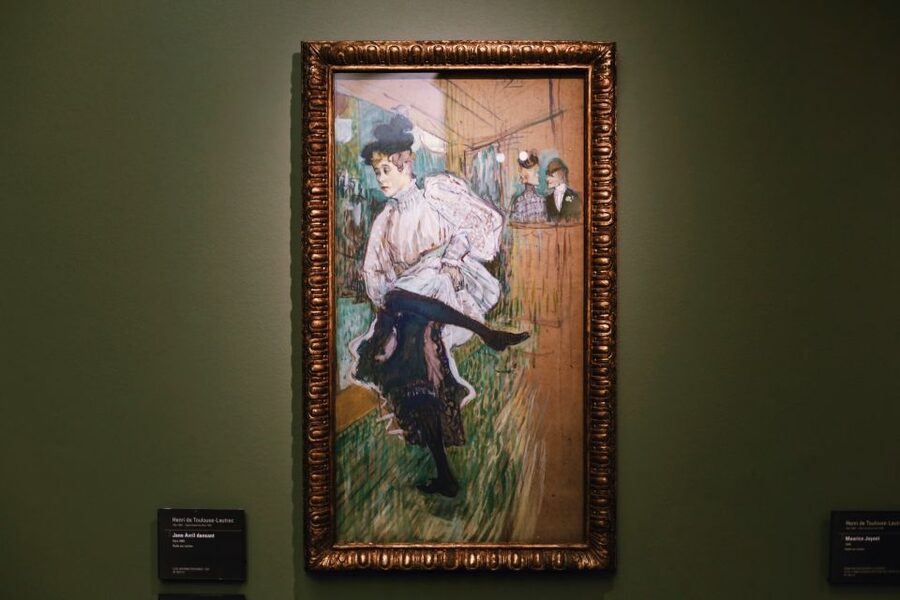
Orsay focuses on 19th-century French art, so the tour continues its timeline, but with an art-world identity you can feel. Expect your guide to highlight styles and key names such as Manet, Renoir, Cézanne, and Gauguin.
Art rebellions and techniques, not just big names
One reason this tour works well is that your guide does not treat the collection as a museum lecture. The emphasis includes how artists created effects, what technique choices meant, and why certain works were considered bold.
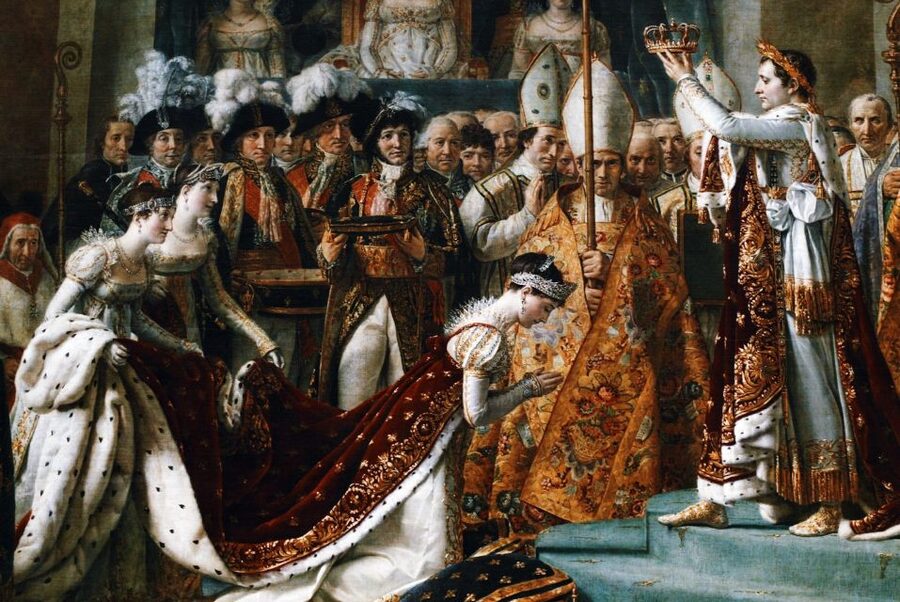
The guide ties the idea of rebellion to the Impressionist movement and post-Impressionist shift, where artists pushed past official tastes. You might not catch everything in a single 5-hour window, but you will leave with clearer mental links: which artists broke rules, and how those breaks led to the next visual language.
Small group navigation: crowd control and pacing that fits real people
The best guides for this kind of tour are the ones who can move you through busy rooms without losing the story. You will see that in how guides have handled the day for small groups, including guides named Martin, Manu, Alex, Ashad, Dunya, Romain, and Belén.
What these names have in common in the way the tours are described is simple: strong storytelling, smart routing inside the museums, and time management that keeps the afternoon from collapsing. One guide style that shows up in the feedback is adjusting routes based on what your group wants to see, rather than treating the tour like an unmoving script.
If you are coming with family or teenagers, this format can be especially workable. The day stays structured, but you still get room for interest points.
Languages, and why it matters more than you think
The tour is offered with a live guide in multiple languages: English, Russian, German, Spanish, Italian, and French. That matters because art tours can get awkward when the explanation is just basic facts.
If you have any preference, pick the language you feel most fluent in. You will get more out of technique talk and art-history context when you can follow the guide’s phrasing without effort.
Price and value: $281 per person, with a key fee included
At $281 per person for a 5 hour guided experience, this is not a budget museum day. But value here is about what you are buying:
- Guided time across two museums instead of trying to self-navigate the Louvre and Orsay back-to-back
- Museum entrance fee included for the Louvre permanent collection (listed as €22)
- A lunch break scheduled into the plan
- A small-group structure with a cap of 6 people per guide
If you try to do this on your own, you can spend the day seeing highlights and still feel like you missed the point. This tour pays for someone to arrange the timeline and keep you moving where it matters.
Practicalities: walking, bag rules, and quiet rooms
Let’s be honest. This is a museum day with high amount of walking. That is fine if you pace yourself, but it is not the right match if you want a slow stroll.
There are also clear restrictions:
- No luggage or large bags
- Oversize luggage is not allowed
- Items exceeding 55 x 35 x 20 cm are not permitted
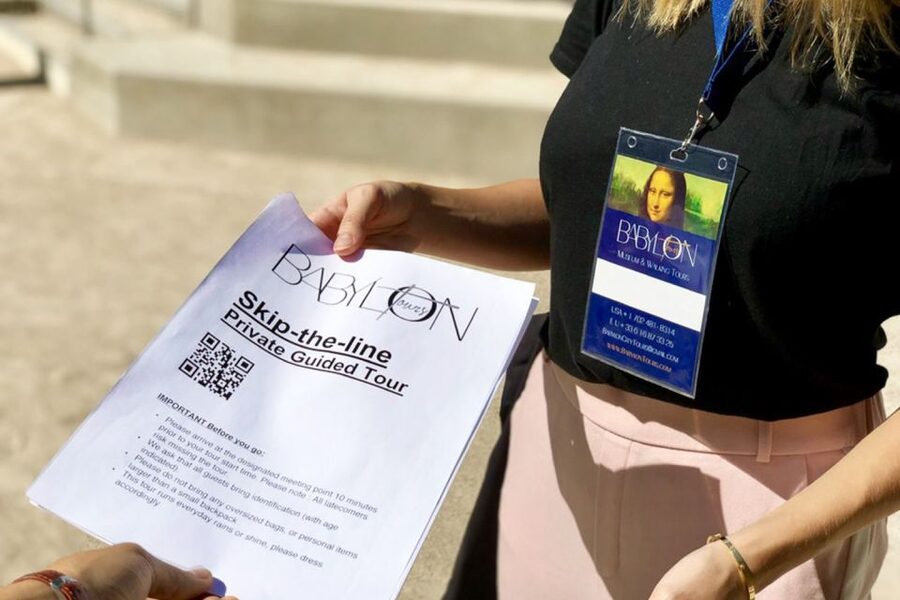
- You need to bring a passport or ID card
Inside the museums, some rooms can have rules requiring quiet or restricted speaking. That is normal for art viewing, but it is worth knowing so you are not surprised.
Accessibility and who should skip this format
This tour is not suitable for people with mobility impairments, and wheelchair users are not included under the semi-private format. Wheelchair tours are listed as available only on request, so if accessibility is central to your planning, you should confirm what option is possible before booking.
Also, because the tour involves extensive walking, even for people who are generally mobile, a comfy shoe plan matters more than usual.
Should you book the Louvre and Orsay guided combo?
I think this is a strong choice if you want:
- A clear timeline across both museums, not a random set of rooms
- A guide who can connect Ancient Greece to Renaissance works and then into 19th-century French art
- A time-efficient plan that still feels like a real experience, about 5 hours total
I would skip it if:
- You need a low-walking day
- You have very specific art targets that require long, slow stays in one room
- You are sensitive to crowd energy or strict room rules around speaking
If your goal is to understand what you see, and you want the day to feel structured without turning into a checklist, this Louvre plus Orsay guided tour is one of the most practical ways to do it.
FAQ
How long is the Louvre and Orsay guided tour?
The tour duration is 330 minutes, about 5 hours.
What is included with the tour?
It includes a private or semi-private guide, the museum entrance fee for the Louvre permanent collection (listed as €22), a lunch break, and wheelchair tours on request only.
Are transfers between the Louvre and Musée d’Orsay included?
Transfers are not listed as included. The Louvre to Musée d’Orsay walk is about 10 minutes, and you will be accompanied by your guide.
Is the tour only for the Mona Lisa?
No. You visit the Louvre and Musée d’Orsay with a chronological art experience, including major works such as the Mona Lisa, plus key artists in Orsay’s 19th-century collections.
Is the tour private?
It can be private or semi-private. The small group is capped at a maximum of 6 people per guide.
What languages are available?
The live guide is available in English, Russian, German, Spanish, Italian, and French.
What should I bring, and what restrictions apply inside the museums?
Bring your passport or ID card. Luggage or large bags are not allowed, and items exceeding 55 x 35 x 20 cm are not permitted.
Is this tour wheelchair accessible?
Wheelchair tours are available only on request. The semi-private tour is not available for wheelchair users, and there is high walking.
Is free cancellation possible?
Yes, free cancellation is available up to 24 hours in advance for a full refund.
Newly listed around Paris
- The voice of Montmartre is a must-see in Paris★ 3.8 · 19 reviews
- Top Private Cruises in Paris with Champagne + more surprises★ 5.0 · 309 reviews
- The Official Emily in Paris Montmartre Walking Tour★ 4.7 · 40 reviews
- The Paris Pass® Plus: 90+ Attractions including The Louvre★ 3.4 · 386 reviews
- The Official Emily in Paris Wine & Cheese with Butter Making★ 4.9 · 20 reviews
- The Official Emily in Paris Locations Walking Tour★ 4.9 · 383 reviews
- The Official Emily in Paris Macaron-Making Workshop★ 4.9 · 68 reviews
- The Official Emily in Paris Croissant-Making Workshop★ 4.9 · 85 reviews
Louvre Highlights Guided Tours, compared.

Louvre Guided Tour with Reserved Access & Boat Cruise
Read our review →
Louvre Museum Masterpieces Guided Tour with Access
Read our review →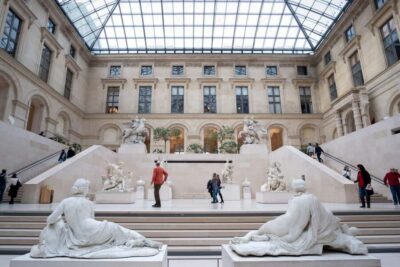
Louvre Overview, Exploration tour and Reserved Entry
Read our review →
Louvre Museum Entry Ticket With Host and River Cruise
Read our review →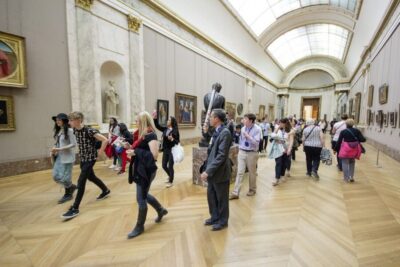
Mona Lisa & Louvre Masterpieces Tour with Reserved Access
Read our review →
Louvre Museum – Exclusive Guided Tour (Entry Included)
Read our review →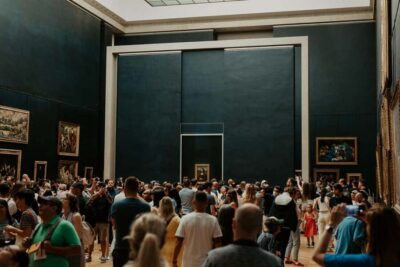
Louvre Museum Hosted Entry and Mona Lisa Audioguide
Read our review →
Louvre Access with Mona Lisa Escort or Guided Option
Read our review →Browse the lists this tour appears in