
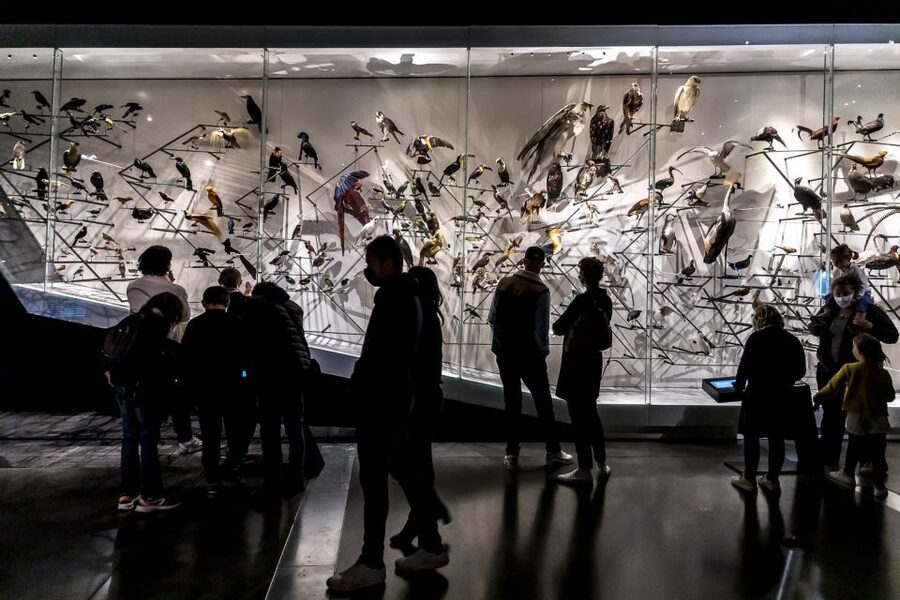
Reviewed · MUSEUMS
Lyon: Musée des Confluences Entrance Ticket
Lyon’s science museum hits like a movie set.
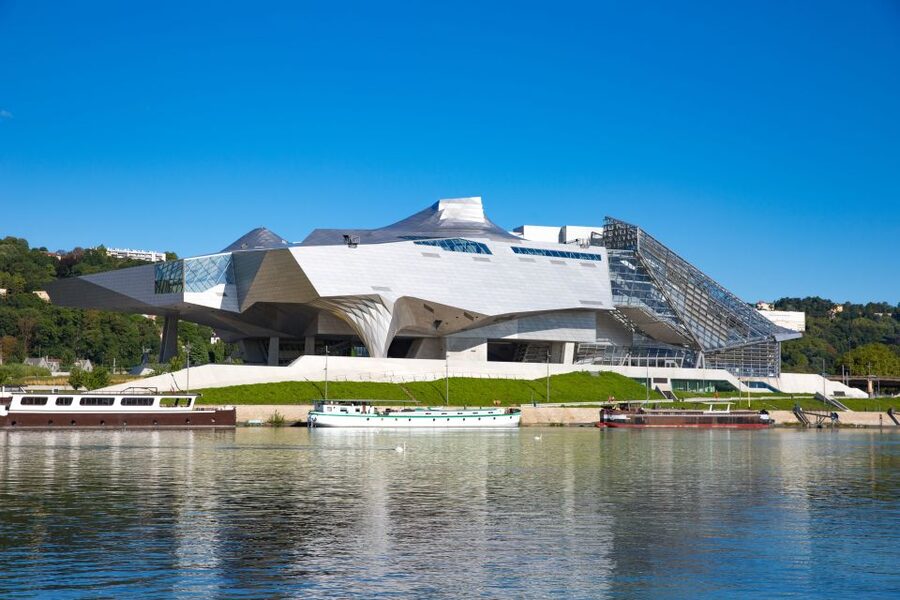
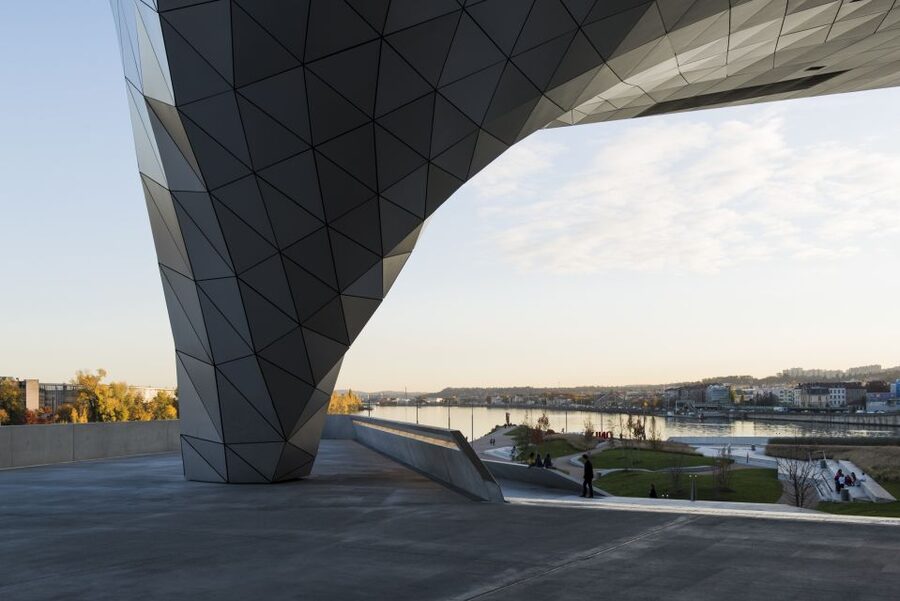
The Musée des Confluences pulls you in with its crystal-like Crystal and cloud-shaped Cloud architecture at the Rhône-Saône confluence.
What I like most is the pairing of big awe objects with clear storytelling. You get a 155-million-year-old mammoth skeleton plus Egyptian mummies and fossils, and most signage and exhibition content includes English support alongside French.
One heads-up: this museum deserves time. If you try to rush, you’ll miss connections between sections and feel like you spent your visit reading and walking without settling in.
In This Review
- Key Things to Know Before You Go
- A Crystal-Cloud Museum at the Rhône-Saône Confluence
- Entry Tips, Timing, and the Real Meaning of Fast-Track
- How I’d plan your day
- Bags and lockers
- The Four Permanent Exhibitions: A Route That Makes Sense
- Origins: where humanity starts telling its story
- Species: fossils and the shape of life
- Societies: cultures, civilizations, and human choices
- Eternity: time, artifacts, and how memory lasts
- Museum Stars You Can’t Miss: Mammoth, Mummies, and Fossils
- The mammoth skeleton
- Egyptian mummies
- Fossils and more
- Where the Museum’s Collections Come From (And Why That Matters)
- Galerie Émile-Guimet and donor impact
- Field missions and ongoing research
- Temporary Exhibitions: Use Them to Tailor Your Day
- The best way to handle temporary exhibits
- A Smooth Visit Plan: How to Actually See It All
- Start with orientation and architecture
- Use English support strategically
- Save your energy for the headline displays
- Give yourself time for outside the galleries
- Value in Plain Terms: Is the Price Worth It?
- The one value trap
- Who Should Book This Ticket?
- Should You Book the Musée des Confluences Entrance Ticket?
- FAQ
- Where is the Musée des Confluences located?
- Where do I scan my voucher?
- How long is the ticket valid?
- How much does the ticket cost?
- What’s included with the ticket besides the entrance?
- Do I get skip-the-line access to exhibitions?
- Are temporary exhibitions included?
- Are large bags or luggage allowed?
- Is the museum wheelchair accessible?
- Who can enter for free with an ID?
- Is the ticket refundable?
- What are the rules for children traveling?
Key Things to Know Before You Go
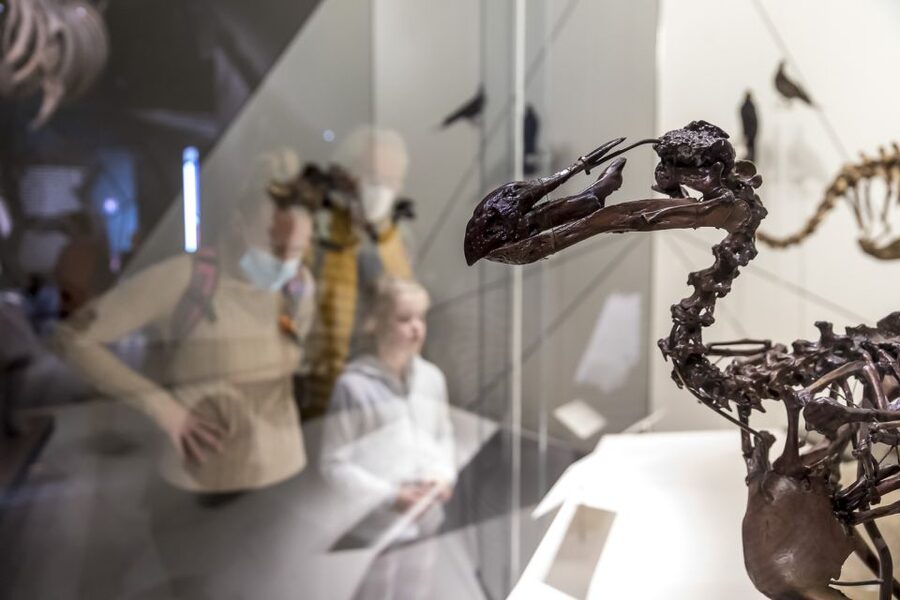
- Crystal and Cloud architecture: the building itself is part of the show, designed to blend with the river setting
- Big-name collections, modern presentation: themed galleries use science, culture, and history together
- Four permanent exhibitions: Origins, Species, Societies, and Eternity help you structure a logical route
- Translation support is strong, but not perfect: most content has English, yet a few videos or screens may not
- Temporary exhibitions change yearly so your visit can feel fresh instead of repeat
- Fast entry plus free lockers, but skip-the-line inside exhibitions is not included
A Crystal-Cloud Museum at the Rhône-Saône Confluence

First thing you notice is scale, then you notice the design choices. Musée des Confluences sits where the Rhône and Saône meet in Lyon, and the museum architecture takes that idea seriously. The exterior is often described as crystal-like, and inside the building keeps that sense of lightness and openness.
I like museums that teach you how to look, not just what to look at. This one does. It uses architecture and flow to gently guide you from one theme to the next, so you’re not stuck in the usual pattern of rooms that feel unrelated.
A practical bonus: this location makes it easy to turn your museum time into a wider outing. After you finish exhibits, you can keep walking by the water, or just find a quiet spot for a snack and people-watching.
Other Lyon bookings to consider
- Lyon: Musée de l’illusion Entrance Ticket
★ 3.9 · 1,023 reviews - Lyon: Musée Soieries Brochier guided tour
★ 4.7 · 81 reviews - Lyon: admission ticket to Brochier Soieries Silk Museum
★ 4.2 · 51 reviews
Entry Tips, Timing, and the Real Meaning of Fast-Track
Your ticket includes fast-track entry for the entrance and access through an express security check. That’s useful because museums can slow down right at the start: checks, lines, and bags take time.
But here’s the nuance that matters for planning. The ticket does not promise skip-the-line access once you’re inside the exhibitions. In other words, you’ll likely still experience normal museum traffic for the most popular areas. The fast-track mainly helps you get through the front door and start exploring sooner.
How I’d plan your day
I suggest you think in blocks, not in a headlong sprint. The museum has over 3,000 m² of permanent exhibitions, plus temporary shows. With that much to cover, your goal is not to see every object. Your goal is to see the main ideas, then chase what catches your eye.
Bags and lockers
Free lockers are included, which is a lifesaver if you arrive with a tote that feels too big. Just note the rules: luggage or large bags aren’t allowed, and unaccompanied minors aren’t allowed. If you’re traveling with kids, plan for supervision and keep things simple at arrival.
Within easy reach:
- Lyon: Guided Sightseeing Cruise
★ 4.5 · 3,126 reviews - Lyon City Hop-on Hop-off Sightseeing Bus Tour
★ 4.0 · 1,614 reviews - Vieux Lyon Cultural & Historical Walking Guided Tour (English)
★ 5.0 · 942 reviews - Lyon: Private Walking Tour of “Traboules” in the Old Town
★ 5.0 · 866 reviews
The Four Permanent Exhibitions: A Route That Makes Sense

The museum organizes its permanent collections into four themed exhibitions, each one tackling a big question about humans, life, and time. You’ll see how the museum connects science, culture, and history instead of treating them like separate departments.
These four are:
- Origins
- Species
- Societies
- Eternity
Even if you don’t follow a strict order, using these as “chapters” helps you keep your bearings.
Origins: where humanity starts telling its story
This section centers on human beginnings and the long timeline of life and culture. I like how it frames evolution and human history without making the exhibits feel like a dry textbook. You’re nudged to ask what “origin” means, not only biologically, but also culturally.
Species: fossils and the shape of life
This is where the museum leans into the diversity of life. If you’re into natural history, this part gives you a sense of scale, from ancient specimens to the bigger idea of how species change.
It’s also an easy area to spend extra time in because the objects are physically impressive. You want to stand, look closer, and then move on with a better understanding of what you’re seeing.
Societies: cultures, civilizations, and human choices
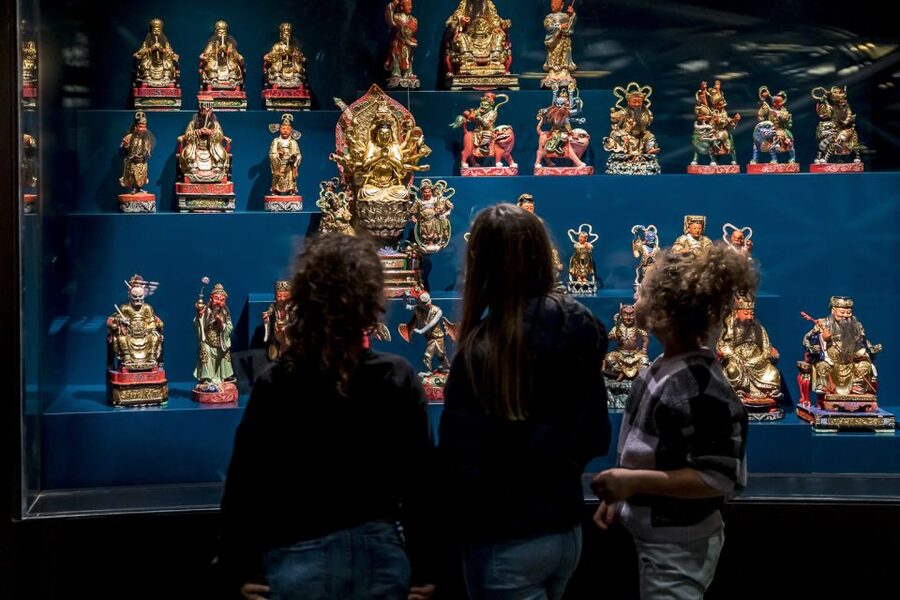
Here the museum shifts from specimens to people and their tools, beliefs, and environments. This is the “science meets culture” zone. It’s also where you’ll feel the museum’s overall mission most clearly: understanding humans as part of nature, while also recognizing culture as a force that shapes survival and meaning.
Eternity: time, artifacts, and how memory lasts
This final section is built around long time horizons. It helps you feel how museums work, not just what they show. When you reach Eternity, you start thinking about preservation, discovery, and why certain objects outlast human lifespans.
Museum Stars You Can’t Miss: Mammoth, Mummies, and Fossils
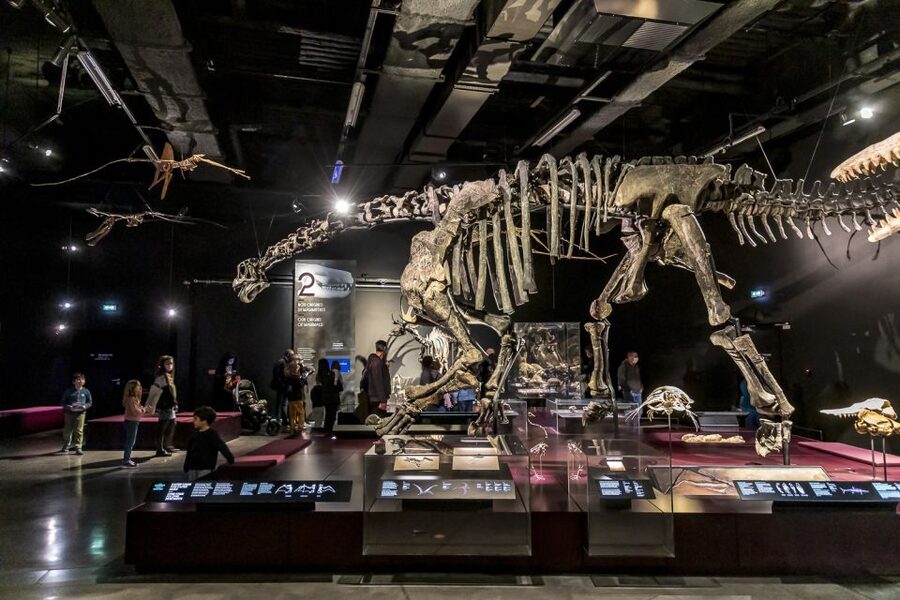
If you’re coming for at least a few blockbuster objects, you’re in the right place. The museum’s highlights include a 155-million-year-old mammoth skeleton, plus Egyptian mummies, fossils, and other major collections.
The mammoth skeleton
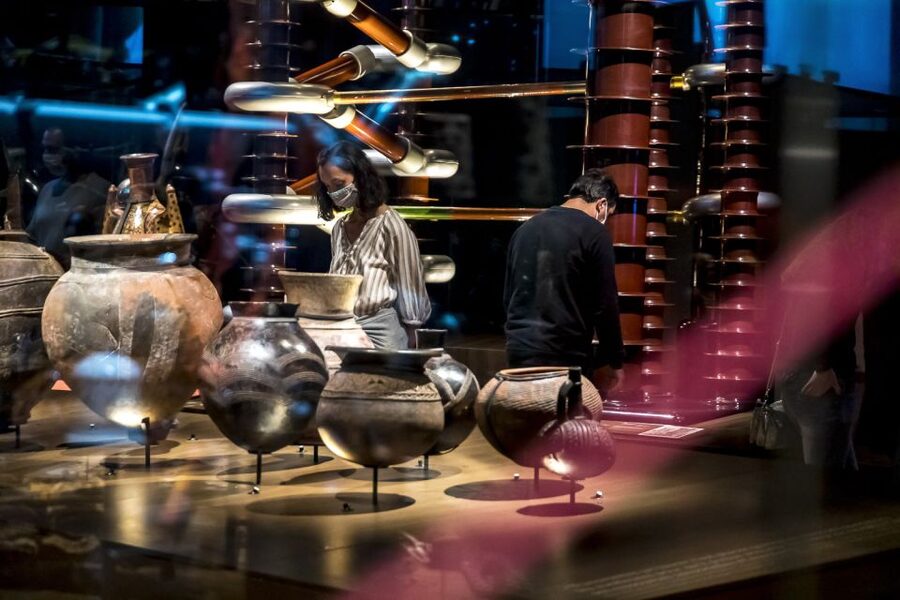
It’s the kind of display that makes you step back without realizing it. Large skeletons tend to do that, but what makes this museum feel different is the way the exhibit uses the specimen to push a bigger idea: time. You’re not only looking at bones, you’re looking at the difference between what humans can experience and what natural history records.
Egyptian mummies
Mummies fit perfectly into the museum’s time theme. They’re history and science in one object. I like when museums treat ancient artifacts as evidence, not just relics. That’s the vibe here, because the museum’s structure keeps pulling you back to how humans, environments, and knowledge connect.
Fossils and more
Beyond the headlines, you’ll see fossils and other materials that round out the story. The trick is to keep moving, but slow down at sections that let you compare. When you compare, you actually learn faster.
One more note: I found the museum’s English support genuinely helpful. Most labels and lots of content come with English translation alongside French, which makes it easier to keep a steady pace without constantly stopping to interpret.
Still, don’t be shocked if you hit a video or screen where English is limited. It’s not a dealbreaker, just something to remember if you rely heavily on English.
Where the Museum’s Collections Come From (And Why That Matters)
The museum doesn’t just throw random objects on shelves. It brings together collections with a serious backstory.
It has three-and-a-half million artifacts and specimens, with collections inherited from major museums in Lyon, including the Muséum d’histoire naturelle and the Musée Guimet. That heritage shows in the variety: natural history next to cultural collections, and both framed through the museum’s four-galleries logic.
Galerie Émile-Guimet and donor impact
You can also encounter areas linked to Galerie Émile-Guimet, which highlights contributions from donors over the years. That may sound like museum-world trivia, but it helps explain why certain collections feel so expansive, and why the museum’s programming can keep evolving.
Field missions and ongoing research
One of the most interesting parts, for me, is the museum’s emphasis on that it’s not only about the past. It points to ongoing field missions, including entomological campaigns in Morocco and Amazonian artifact collection projects.
Even if you’re just there for one day, it helps the museum feel alive. You see evidence that the work continues, not just the objects on display.
Temporary Exhibitions: Use Them to Tailor Your Day
Temporary exhibitions are included with your ticket, and they change annually. That matters because it lets you plan around your interests.
For example, you might catch temporary work focused on romance-themed subjects such as L’Amour, or programming that leans into photography like Marc Riboud, or themes connected to rivers around the world. Since the temporary lineup can shift, you’ll get the most out of your visit if you check what’s on for your dates once you’re in Lyon.
The best way to handle temporary exhibits
If you want to see everything, the museum may still beat you. So I suggest this approach:
- Do the permanent galleries first, using the four exhibition themes as your structure
- Save temporary exhibits for the middle or end, once you know how the museum flows
- If one temporary exhibit grabs you, give it extra time and accept that you won’t “finish” everything
This keeps your day enjoyable instead of stressful.
A Smooth Visit Plan: How to Actually See It All
Here’s a practical way to organize your time in this museum.
Start with orientation and architecture
When you enter, pause for a moment. The building is part of the experience, and the way light moves through the space helps you understand the design concept. Take a quick look at the big features, then go straight into one of the four permanent areas to get momentum.
Use English support strategically
Since you’ll see English on most content, don’t be afraid to read. But don’t treat it like homework. If a label grabs you, stay with that object or station for an extra minute, then move on.
If you find a video or screen without full English support, you can still understand the theme from nearby text and the overall exhibit structure. You won’t feel lost if you rely on the “chapter” idea.
Save your energy for the headline displays
Build your route so you hit the mammoth and mummy highlights without turning your day into a frantic zigzag. Then, after you’ve seen the big objects, you can drift into the smaller connections.
Give yourself time for outside the galleries
Some of the best museum days include a slow exhale after the last exhibit. If you’ve got energy, take a walk around the river area. If you need food, a roof terrace style lunch can be part of your plan, and it’s a nice way to break up the museum time.
Value in Plain Terms: Is the Price Worth It?
At $16 per person, this ticket is easy to justify if you’re the kind of person who likes science plus culture in one place.
The museum gives you:
- access to permanent and temporary exhibitions
- free lockers
- fast-track entry and an express security check
And the scale is real: over 3,000 m² of permanent exhibition space, plus a huge collection base of 3.5 million items across centuries. Even if you don’t see everything, you’re buying a solid day of high-quality indoor exploring, especially on hot days when outdoor touring gets tiring.
The one value trap
Don’t assume fast-track means zero lines everywhere. It helps at the entrance. Once inside, you still need to expect normal museum flow, especially near the top highlights.
Who Should Book This Ticket?
This is a great fit if:
- you want a modern museum experience in Lyon, not just a classic gallery day
- you like exhibits that connect natural history and human cultures
- you want English support for most of what you see
- you’re traveling with teens who enjoy science, animals, ancient history, or big displays
It’s less ideal if:
- you only have a very short time in Lyon and you’re determined to “check boxes” without slowing down
- you get frustrated by the reality that a few videos or screens may not be fully English-supported
Should You Book the Musée des Confluences Entrance Ticket?
Yes, if you want one ticket that delivers big ideas and big objects in a single modern building. The architecture alone makes it feel like a Lyon must. Pair that with the mammoth, mummies, and fossils, and you’ve got a day that’s more than decorative.
If you’re on a tight schedule, still consider booking, but plan for a focused visit. Pick your priorities, use the four permanent exhibition themes as your guide, and treat temporary exhibitions as the bonus. That way you leave with the sense that you actually understood the museum, not just passed through it.
FAQ
Where is the Musée des Confluences located?
The museum is at 86 quai Perrache, Lyon.
Where do I scan my voucher?
Please scan your voucher at the museum gate.
How long is the ticket valid?
It’s valid for 1 day. You can check starting times based on availability.
How much does the ticket cost?
The price is listed as $16 per person.
What’s included with the ticket besides the entrance?
Your ticket includes access to the permanent and temporary exhibitions and free lockers.
Do I get skip-the-line access to exhibitions?
No. The ticket includes fast-track entry for the entrance, with an express security check, but skip-the-line access to exhibitions is not included.
Are temporary exhibitions included?
Yes. Your ticket includes access to temporary exhibitions, which change annually.
Are large bags or luggage allowed?
No. Luggage or large bags are not allowed.
Is the museum wheelchair accessible?
Yes. The museum is listed as wheelchair accessible.
Who can enter for free with an ID?
Free admission with ID is available for under 18s, apprentices, civic service volunteers, students under 26, those on minimum social benefits (job seekers, RSA, etc.), and disabled visitors, plus 1 accompanying person.
Is the ticket refundable?
No. This activity is listed as non-refundable.
What are the rules for children traveling?
Guests under 13 must be accompanied by an adult, and unaccompanied minors are not allowed.
Newly listed around Lyon
- Tour of Old Lyon in Bellecour with a guide★ 4.8 · 68 reviews
- Storytelling tour of the Vieux-Lyon for children in French★ 4.8 · 60 reviews
- Storytelling tour of the Vieux-Lyon in French★ 4.8 · 130 reviews
- Storytelling tour of Croix-Rousse in French★ 4.8 · 140 reviews
- Lyon: Create your own traditional Lyonnais silk square★ 4.9 · 30 reviews
- Lyon: Guided Food Tour with Tastings★ 4.8 · 143 reviews
- No Diet Club – Food tour with many tastings ! (Lyon Sud)★ 4.6 · 20 reviews
- Lyon: Private Traboules Tour – Hidden Passages★ 4.9 · 39 reviews
Museums, compared.
Louvre Museum Masterpieces Guided Tour with Access
Read our review →
Louvre Museum Entry Ticket With Host and River Cruise
Read our review →
Les Invalides: Napoleon’s Tomb & Army Museum Entry
Read our review →
Musée de l’Orangerie Reserved Entrance Ticket
Read our review →
Louvre Museum – Exclusive Guided Tour (Entry Included)
Read our review →
Louvre Museum Hosted Entry and Mona Lisa Audioguide
Read our review →
Browse the lists this tour appears in