
Reviewed · FRANCE
Molène Archipelago: Sea trips from Crozon. Seals, dolphins,
Wild sea air does something to your brain. This 7-hour trip from Crozon County puts you in the UNESCO Molène Biosphere Reserve for wildlife spotting, plus a real island stop on Molène. I love that the outing pairs nature watching with maritime stories, and you get the practical tools to actually see what’s out there, including binoculars.
The big draw is the chance to observe seals, seabirds, and likely dolphins, while the guide explains the marine life and navigation history as you go. One thing to think about: lunch is not included during the Molène stop, so plan on buying food or packing a picnic.
In This Review
- Key Points You Should Care About
- Molène Biosphere Reserve From the Deck: Why This Route Works
- Wildlife Encounters: Seals, Seabirds, and Possible Dolphins
- The Molène Island Stop: 2.5 Hours to Walk, Eat, and Reset
- Lighthouses, Brest Fortifications, and the Stories Behind Navigation
- Sea Day Comfort: Meeting Point and What to Bring
- Value for $129: What You Get for the Cost
- Who This Tour Suits Best (And Who Should Skip It)
- Should You Book the Molène Archipelago Sea Trip from Crozon?
- FAQ
- How long is the Molène Archipelago sea trip?
- How much time do you spend on Molène island?
- Where do I meet the boat in Camaret-sur-Mer?
- Is lunch provided during the stop on Molène?
- Does the tour include binoculars and safety equipment?
- What languages is the live guide available in?
- What should I bring for the trip?
- Who is the tour not suitable for?
- Is free cancellation available?
Key Points You Should Care About
- UNESCO Molène Biosphere Reserve focus, not a quick drive-by nature look
- Seals, seabirds, and dolphins are possible, with binoculars to improve your odds
- A 2.5-hour stop on Molène for walking the village and port, plus lunch or a picnic
- Eco-responsible observation aligned with the Marine Park charter, designed to protect wildlife
- Maritime heritage built in, from lighthouses to Brest harbor fortifications and navigation know-how
Molène Biosphere Reserve From the Deck: Why This Route Works
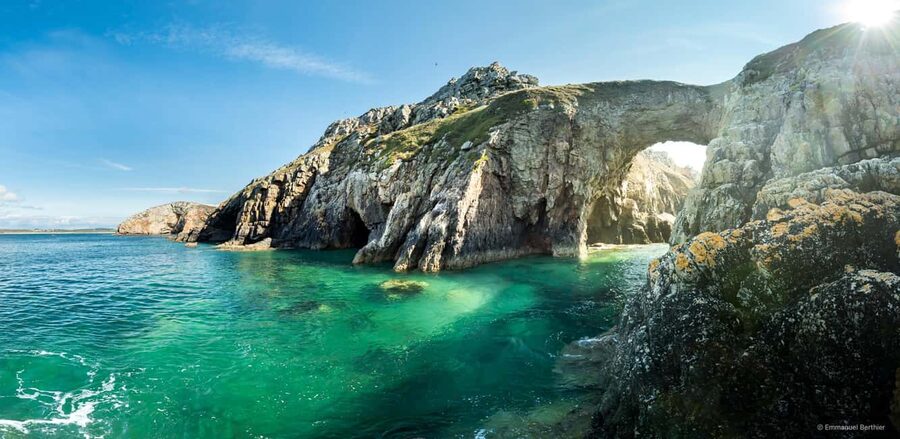
This is one of those Brittany outings where the payoff is built into the geography. You’re not just cruising past the coast, you’re going into the Iroise Marine Natural Park region, where the waters around the Molène archipelago are famous for marine wildlife and dramatic sea features. The operator frames the day as an “odyssey,” and that matters, because it turns the outing from a one-spot activity into a moving wildlife platform.
The timing is also part of the value. At 7 hours total, you’re getting enough time on the water to look for seals and seabirds in more than one area, rather than rushing from point A to point B. Then you get a proper pause on Molène itself, scheduled at about 2.5 hours. That stop is long enough to stretch your legs in the village and port area, then reset on the beaches.
I also like how the day connects living nature with human history. You get documented comments throughout the tour, covering biodiversity and algae, but also heritage like legendary lighthouses and the historic fortifications that protected Brest harbor. It’s a smart pairing for curious travelers, because it keeps you engaged even when the wildlife action is quiet for a stretch.
One practical note: because this is an ocean trip, you’ll want to treat it like a sea day, not a casual stroll. Weather and wind can change quickly, which is why you’ll see the recommendation for warm layers and a windbreaker.
Elsewhere in France, also good:
- Paris: 1-Hour Seine Cruise departing from the Eiffel Tower
★ 4.4 · 77,472 reviews - Disneyland® Paris 1-Day Ticket
★ 4.6 · 49,412 reviews - Paris: Versailles Palace and Gardens Full Access Ticket
★ 4.6 · 41,579 reviews
Wildlife Encounters: Seals, Seabirds, and Possible Dolphins
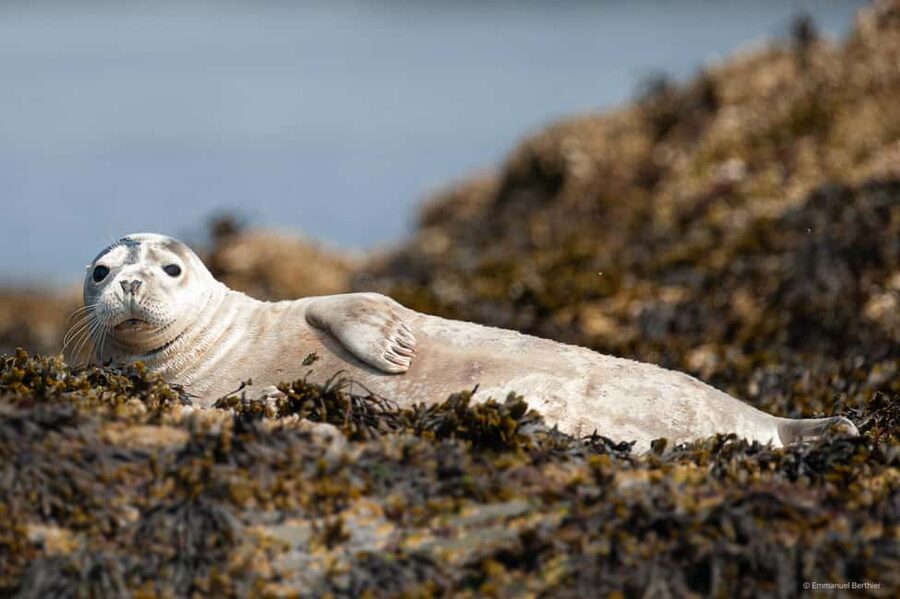
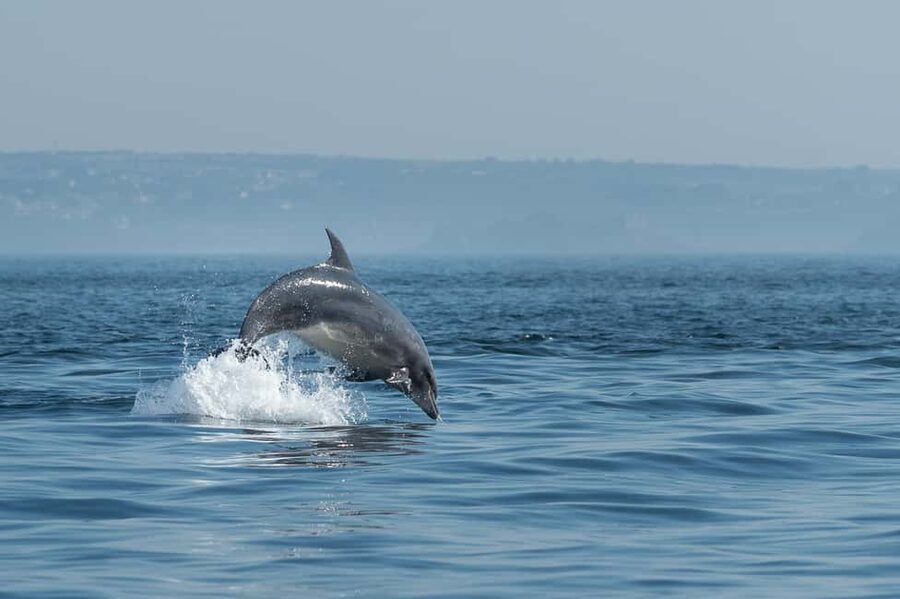
Let’s talk about what you actually came for: animals. The trip is designed for privileged observation of seals and seabirds, and it also mentions likely dolphin encounters in these waters. That word likely is important. In other words, dolphins are a maybe, not a guarantee. Seals and seabirds are the consistent theme, with guides helping you spot them effectively.
What helps your odds is the observation setup. You’ll be provided binoculars, which is a big deal on open water where small shapes can be hard to separate from waves. It also helps you move from vague “I think I saw something” to a real look at how seabirds fly, hunt, or perch.
The approach matters as much as the target species. The tour is described as eco-responsible, aligned with the Marine Park charter. In practice, this usually means the boat does not treat wildlife like a drive-through attraction. The goal is for animals to stay comfortable and choose how close to come, and the guide’s commentary supports what you’re seeing without pushing too hard.
You’ll also hear about what the marine ecosystem depends on: not just the animals in front of you, but the living context behind them. The included biodiversity sharing covers marine fauna, seabirds, and algae. That makes your sightings more meaningful. Instead of watching in isolation, you start to understand what the water is doing that day.
If you’re an animal-focused traveler, this is where the day feels rewarding. You’re on the water long enough to have multiple chances for action, and the guides keep attention on what’s changing, not just what’s impressive in a single moment.
The Molène Island Stop: 2.5 Hours to Walk, Eat, and Reset
The Molène stop is the part of the day that feels most like a travel experience, not just a boat activity. The tour includes an authentic island stopover of about 2.5 hours on Molène, with an opportunity to disembark and explore. You’ll have time to stroll through the picturesque village and its port, then either have lunch, enjoy a picnic, or recharge on pristine beaches.
This is not a full-day island immersion, so you need to use the time smartly. Here’s how I’d approach it: start with a quick walk of the village and port area to get your bearings, then choose a nearby stretch of beach for the relax slot. If you bring a snack, this is the time to eat. If you’re relying on buying food, you’ll want to keep an eye on what’s available and plan accordingly, because the tour explicitly does not include lunch.
That no-lunch detail is not a dealbreaker, but it does affect comfort and cost. Pack a picnic if you want to control your day and avoid hunting for food on a tight clock. Even a simple lunch setup can make the island portion feel like a real break rather than a scramble between walking and eating.
Also, the boat visit and the island stop work together for a reason. On the water, you’re learning to scan for wildlife. On Molène, you get the slower pace version of the same place: village life, small harbor scenes, and the sense of being somewhere that is not trying to please mass tourism.
Lighthouses, Brest Fortifications, and the Stories Behind Navigation
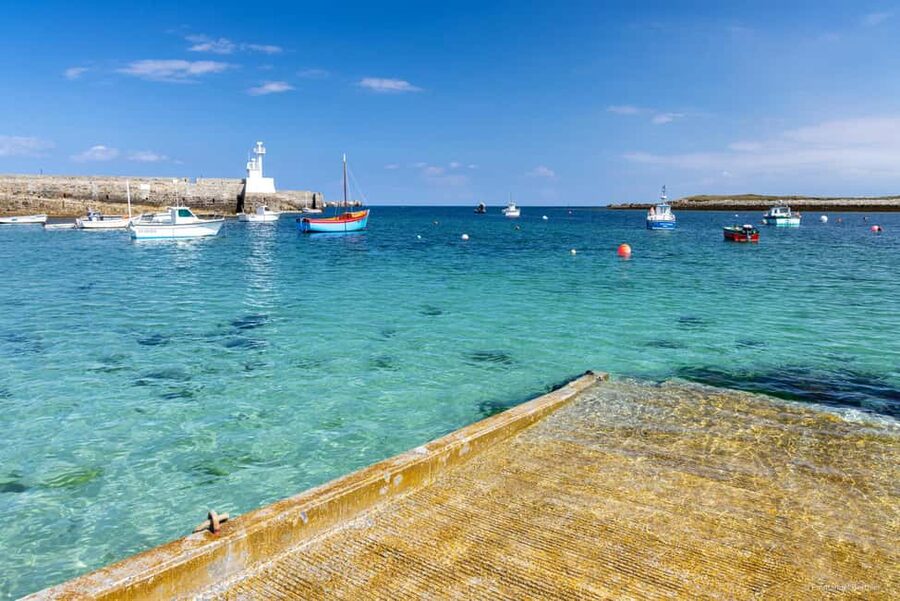
A lot of sea trips are purely about sighting. This one adds a layer of context through documented comments throughout the tour. You’ll learn about the present and past maritime history of the areas you visit, plus knowledge about maritime navigation. That means the guide is not only pointing out what you can see, they’re explaining why ships and lighthouses mattered here, and how coastal navigation evolved.
The itinerary description highlights legendary lighthouses and historic fortifications that protected the Brest harbor. That pairing is interesting because it connects two different “jobs” of maritime infrastructure: warning ships away from danger using light, and defending the coast and harbor using fortifications.
In a day like this, that kind of background changes how you look. A lighthouse is not just a postcard object anymore. You start noticing the coast’s shape, the cliffs, and the practical realities of steering in these waters. It also makes it easier to stay engaged even when the best wildlife moment is between sightings.
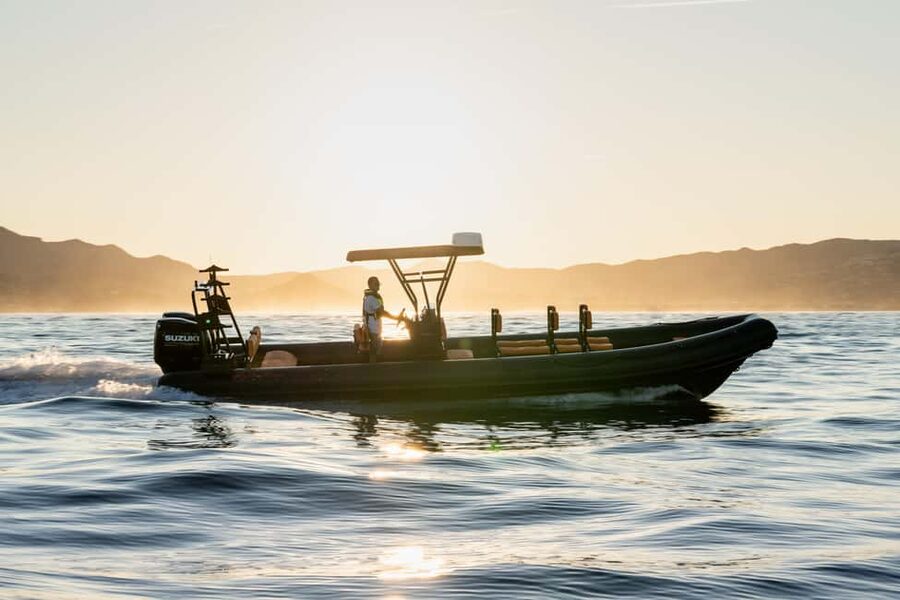
One review detail that aligns with this kind of day is how the tour can involve not only wildlife spotting, but also rock features and sea passages that feel like part of the coastal puzzle. The boat’s compact feel can matter here, because it can help in tighter spots where bigger vessels might not go.
If you like your nature with a side of how it all works, this is a strong fit.
Within easy reach:
- Paris: Arc de Triomphe Rooftop Tickets
★ 4.6 · 34,264 reviews - Paris: Orsay Museum Entry Ticket
★ 4.7 · 25,647 reviews - Paris: Evening River Cruise with Music
★ 4.4 · 22,721 reviews - Paris: Eiffel Tower Entry Ticket with Optional Summit Access
★ 4.4 · 20,035 reviews
Sea Day Comfort: Meeting Point and What to Bring
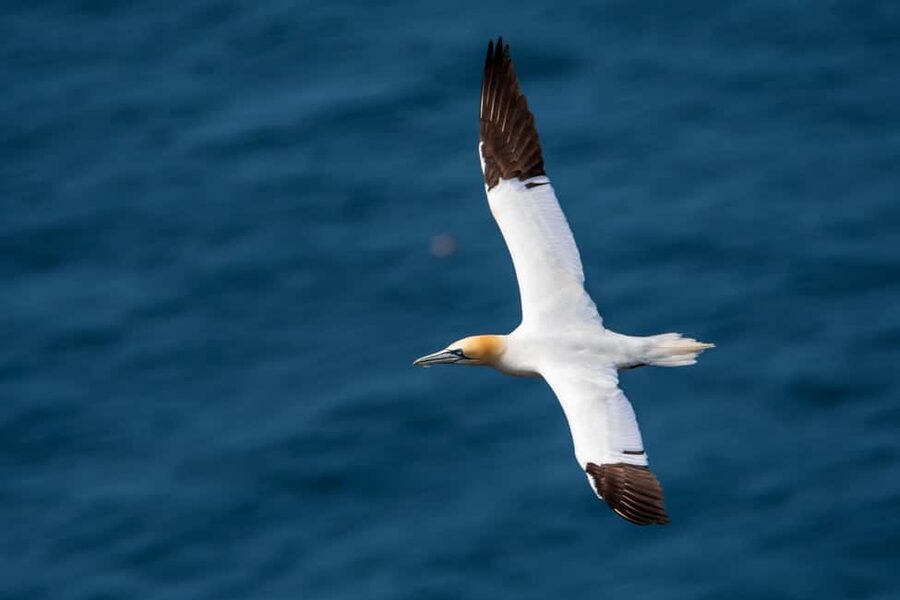
You start in Camaret-sur-Mer, boarding at the dock on Rue Louis-Auguste Téphany, 29570 Camaret-sur-Mer. Coming from the restaurants and shops near Camaret, you’ll find the boarding dock on your left about 100 meters after the tourist office. Parking is free nearby on the quay of Rue Louis-Auguste Téphany, and if that’s full, there’s free municipal parking at Super U about 200 meters away.
This is the kind of trip where arriving early helps. Not because the tour is chaotic, but because you’ll want a calm start for a sea day. Also, you’ll be doing binocular spotting and a short island walk, so your comfort matters.
What to bring is clear and sensible:
- Comfortable shoes (you’ll walk on Molène)
- Warm clothing and a windbreaker (Brittany wind is not subtle)
- Sunglasses and a sun hat
- Sunscreen and water
- A jacket and weather-appropriate outdoor layers
This is also where you should be honest about your body. The activity is not suitable for people with back problems or low fitness, and it’s not listed as suitable for people with mobility impairments. It’s also not suitable for pregnant women, and children under 5 years are not recommended. Even if you’re physically fine, you’ll still be spending a chunk of the day on the boat, so bring the right layers.
Value for $129: What You Get for the Cost
At $129 per person, you’re paying for more than just transportation. The included items are what make this price feel reasonable for a wildlife and heritage day.
You get:
- Round-trip boat transportation
- Disembarking on Molène
- A live tour guide in French and English
- Binoculars for observation
- Documented comments throughout the trip
- Mandatory individual life jackets for safety
- Answers to your questions, plus knowledge sharing on marine life and navigation
- Focus on wildlife viewing that’s designed to be respectful, not intrusive
If you tried to DIY this on your own, you’d still face the same core costs: getting to the archipelago area by boat, paying for a safe vessel, and paying for expertise to help you actually spot and understand wildlife. Here, you’re buying that interpretation in one package.
One more value factor: the 2.5-hour island stop keeps the day from feeling like a long ride with no landing. The stop transforms the day into a mix of observation and exploration, which is often what makes the difference between a “good excursion” and a “worth it day.”
Who This Tour Suits Best (And Who Should Skip It)
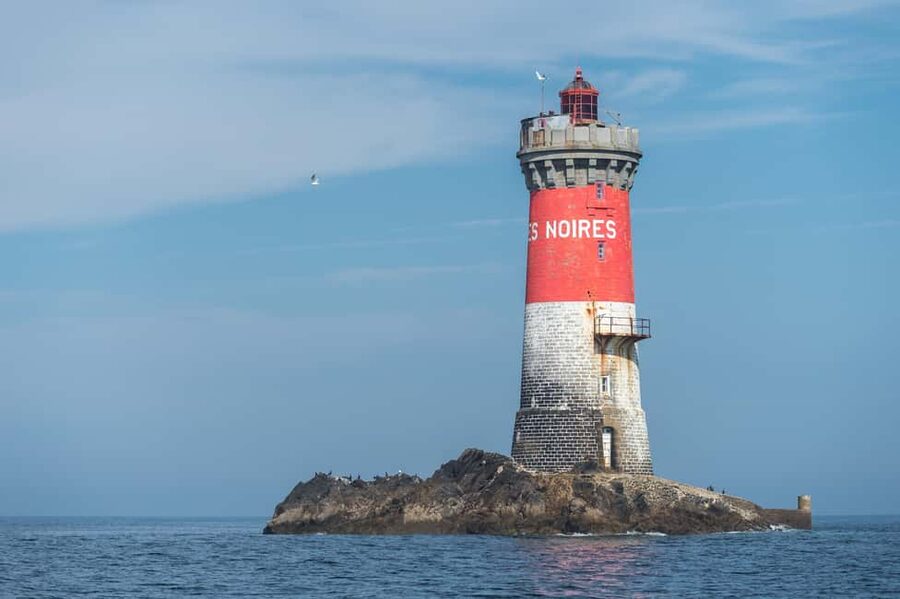
This is ideal if you’re the type of traveler who likes nature with structure. You’ll enjoy it more if you care about spotting wildlife properly and listening to why the ecosystem works the way it does. It’s also a good match for people who want a bit of coastal history, not just a scenery tour.
It’s especially a good fit for:
- Wildlife watchers who want seals and seabirds as the core
- People curious about how navigation and maritime defenses shaped the region
- Travelers who like a respectful eco approach and want a guide to help you observe without crowding animals
- Couples and small groups who want a full day outside, with a real island break
Skip it if:
- You fall into the listed restrictions like children under 5 years, pregnant women, people with back problems, mobility impairments, low fitness, or young children under 15 kg.
- You hate cold wind and rougher sea conditions, since the tour expects you to bring warm layers and a windbreaker.
Should You Book the Molène Archipelago Sea Trip from Crozon?
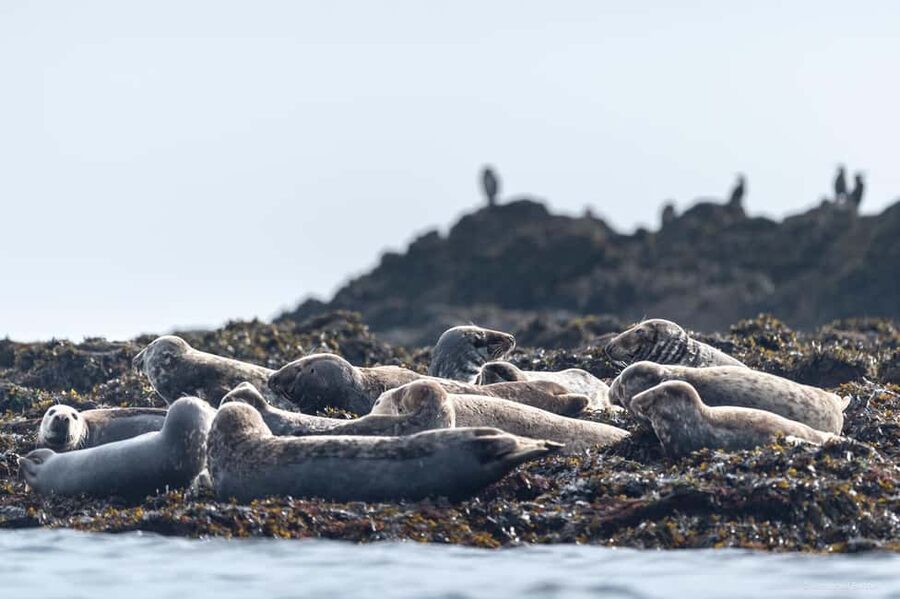
I’d book this if you want a nature-forward day with real time in the UNESCO Molène area, plus the chance to see seals and seabirds and maybe dolphins. The island stop is long enough to feel like part of the travel, not just a photo break, and the guide commentary adds depth through biodiversity and maritime navigation history.
If you’re deciding last-minute, base it on your priorities:
- If wildlife and marine life understanding are your top goals, this is strong value.
- If you dread managing cold wind and bringing your own lunch, plan ahead, because lunch is not included and the day is outdoors.
FAQ
How long is the Molène Archipelago sea trip?
The duration is 7 hours.
How much time do you spend on Molène island?
You get a stopover of about 2.5 hours on Molène.
Where do I meet the boat in Camaret-sur-Mer?
Boarding is at Rue Louis-Auguste Téphany, 29570 Camaret-sur-Mer. Coming from the shops and restaurants, the dock is on your left about 100 meters after the tourist office.
Is lunch provided during the stop on Molène?
No. Lunch, restaurants, or picnics are not included during the stopover.
Does the tour include binoculars and safety equipment?
Yes. Binoculars for observation are provided, and mandatory individual life jackets are included.
What languages is the live guide available in?
The live tour guide speaks French and English.
What should I bring for the trip?
Bring comfortable shoes, warm clothing, a windbreaker, sunglasses, sun hat, sunscreen, water, and a jacket or other weather-appropriate outdoor clothing.
Who is the tour not suitable for?
It is not suitable for children under 5 years, pregnant women, people with back problems, people with mobility impairments, people with low fitness, and children under 15 kg.
Is free cancellation available?
Yes. You can cancel up to 24 hours in advance for a full refund.
Newly listed around France
- Visit the lavender fields, the Gorges du Verdon and Moustiers.★ 5.0 · 17 reviews
- Provence small group half-day wine tour from Aix★ 4.5 · 18 reviews
- Monaco & the French Riviera – From AIX★ 4.5 · 20 reviews
- Picturesque Luberon – From AIX-EN-PROVENCE★ 5.0 · 55 reviews
- 5-Hours Lavender Fields Tour in Valensole from Aix-en-Provence★ 5.0 · 42 reviews
- Luberon Market & Villages Day Trip from Aix-en-Provence★ 5.0 · 250 reviews
- Lunch in Provence: Discovering Local Flavors in Aix-en-Provence★ 5.0 · 38 reviews
- Half day Wine Tour in Côtes de Provence Sainte-Victoire from Aix en Provence★ 5.0 · 27 reviews