

Reviewed · MUSéE ORSAY TICKETS & TOURS
Musée d’Orsay Skip-the-Line Tour with Expert Guide
Orsay is art history with attitude. This skip-the-line tour gets you into a Beaux-Arts former rail station, where an expert guide turns big paintings into a clear story.
I love the way the guide explains what made Impressionist art feel shocking at first, using artists like Monet and Manet as real examples. I also like the practical headsets setup, which matters because Orsay is crowded and you still need to hear every point.
One consideration: the guided window can feel fast, especially closer to 90 minutes, so plan to slow down on your own right after the tour.
In This Review
- Key highlights you will feel right away
- Entering the Beaux-Arts railway station that became Orsay
- Meeting point and getting in without wasting your morning
- What the expert guide actually does with Impressionism
- The main highlight route, from big rooms to quieter corners
- What you will focus on with Monet, Manet, Degas, Renoir, and Van Gogh
- Hearing your guide in Orsay crowds, and why pace matters
- After the tour: how to use the extra museum time wisely
- Price and value: what $82 is buying you at Orsay
- Who should book, and who might not love it
- Should you book this skip-the-line Orsay tour?
- FAQ
- FAQ
- Where do I meet the guide for the Musée d’Orsay tour?
- How long is the Musée d’Orsay skip-the-line tour?
- Does this tour include skip-the-line entry?
- Is the tour guided in English?
- Can I stay in the museum after the guided portion ends?
- Is hotel pickup or drop-off included?
- What train or metro stations are closest?
- Are luggage or large bags allowed?
- Is this tour wheelchair accessible?
- What is the cancellation policy?
Key highlights you will feel right away
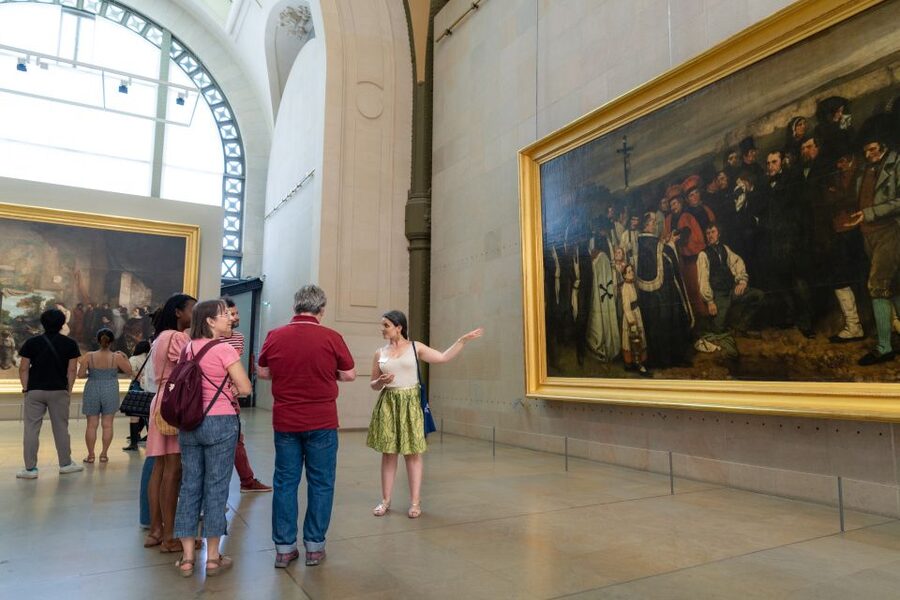
- Skip-the-line entrance keeps your time for art, not queues
- Expert local storytelling that connects brushwork to social rules and scandals
- Crowd-smart pacing with headsets when needed so you do not miss the guide
- Top works plus lesser-known moments across major rooms, not just a checklist
- Stay as long as you like after the tour to revisit what you care about
Entering the Beaux-Arts railway station that became Orsay
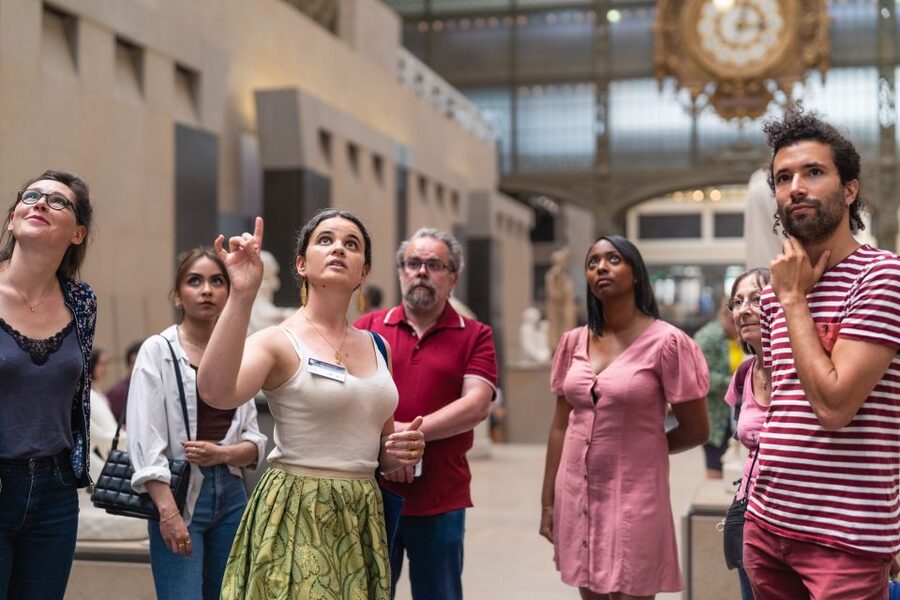
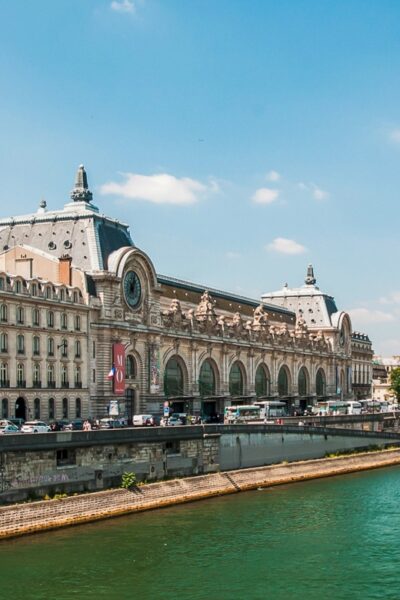
The Musée d’Orsay works partly because it is not just a museum. It is also the building, a magnificent Beaux-Arts railway station built for a World’s Fair. That matters for the feel of the visit: it gives Orsay a sense of drama and momentum, even when you are standing still.
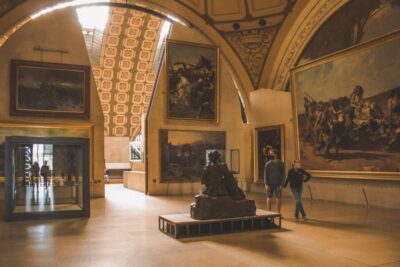
And Orsay’s layout matches the art inside. You move through major galleries that spotlight Impressionism and Post-Impressionism, so the museum already supports the kind of tour this one promises. You get a focused route through key pieces, then you can extend your visit after your guided time ends.
More Orsay tickets:
- Paris: Orsay Museum Entry Ticket
★ 4.7 · 25,647 reviews - Paris: Orsay Museum Entry Ticket and Digital Audio Guide App
★ 4.4 · 3,170 reviews - Paris in a Day: Louvre or Orsay, Eiffel Tower, City Walk & Cruise
★ 5.0 · 1,956 reviews
Meeting point and getting in without wasting your morning
Meet your guide opposite the main entrance to the Musée d’Orsay, next to the entrance of the Musée de l’Orangerie? Actually, the exact instruction here is clear: you meet opposite the main entrance to the Musée d’Orsay, next to the entrance of the Legion d’Honneur Museum. The guide will be wearing a guide badge on an orange lanyard.
From there, the experience is all about speed and clarity:
- You do not stand in the museum ticket lines.
- You get dedicated entrance and entry fees are handled.
- You have headsets when appropriate, so the guide stays audible even through crowd noise.
If you are arriving by public transit, aim for RER Musée d’Orsay (Line C) or Metro Solferino (Line 12). Being close matters because Orsay gets busy, and you want to arrive before the scramble starts.
What the expert guide actually does with Impressionism
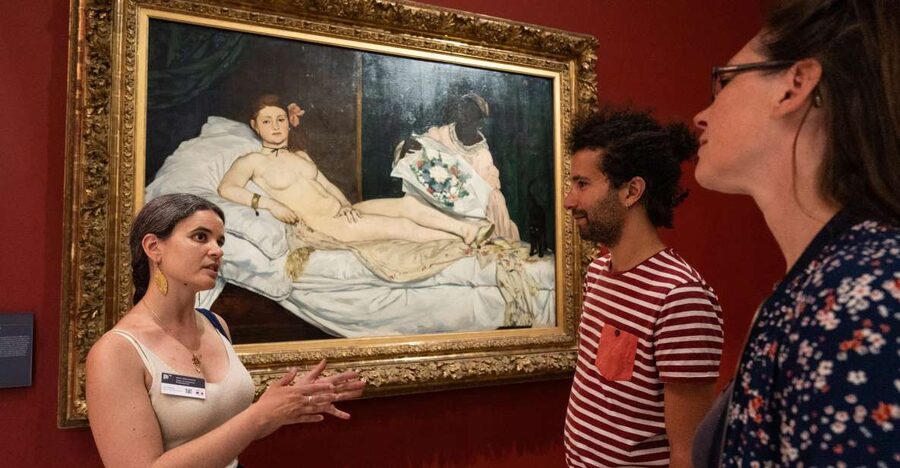
This is not a random walk through galleries. The guide is there to make the paintings make sense, fast.
The story arc they focus on is the one that turned Impressionism from controversial to irresistible. When these works first appeared, the public often expected art to feel polished and ideal. Instead, many Impressionists showed everyday scenes, visible brushstrokes, and colors that looked too modern for traditional taste. That is where the outrage came from, and it is also why the paintings still feel alive today.
You will hear how artists broke rules on purpose. Expect the guide to connect:
- technique (how paint and light are handled),
- subject (what they chose to show),
- and attitude (how they challenged the art system).
And yes, the tour is built around artists named right in the description: Monet, Manet, Renoir, Degas, and Van Gogh. The value is not just knowing the names. The value is understanding why their choices looked scandalous in their moment, and why they still pull you in now.
The main highlight route, from big rooms to quieter corners
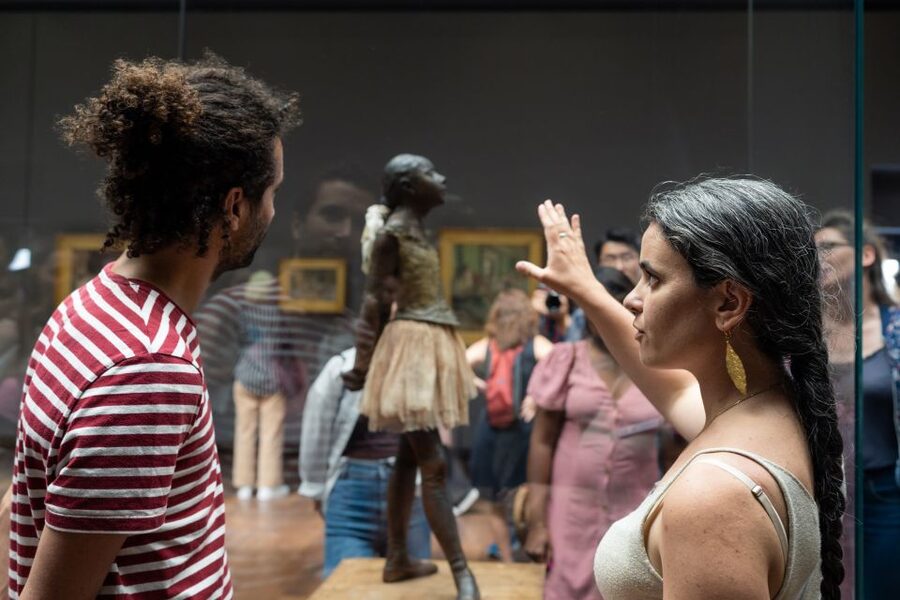
A good museum tour does two jobs at once: it shows you the essential works, and it keeps you from missing the smaller moments that make your visit feel personal. This one promises both major highlights and lesser-known gems, moving you room to room with a clear progression.
Here is what that usually means in practice:
- You start with the core Impressionist and Post-Impressionist ideas that Orsay is famous for.
- You then follow the evolution, so the later rooms feel like a logical result, not a random assortment.
- You get help seeing detail, not just big images from across the gallery.
One detail worth noting from the way guides lead: you are not meant to strain your ears. The included headsets when appropriate are a big deal at Orsay, where people talk, groups cluster, and you can easily lose the thread without audio support.
Also, because this is an expert local guide, you can often ask questions and get straight answers. That Q and A vibe shows up in the praise for guides such as Antony, Avi, Sarah, Perrine, Simone, Sophia, Pauline, Fanny, Matilde, Carolina, Marjolein, and Arthur. Different guides emphasize different angles, but the best ones do the same thing, they turn paintings into understandable moments.
Other Paris bookings to consider
- Louvre Museum Masterpieces Guided Tour with Access
★ 4.5 · 12,023 reviews - Paris: Louvre Museum Entry Ticket With Host and River Cruise
★ 4.6 · 9,926 reviews - Les Invalides: Napoleon’s Tomb & Army Museum Entry
★ 4.6 · 9,185 reviews - Louvre Museum – Exclusive Guided Tour (Entry Included)
★ 5.0 · 6,296 reviews
What you will focus on with Monet, Manet, Degas, Renoir, and Van Gogh
Orsay is packed with masterpieces, so your guided time has to be selective. This tour is built to help you see the right pieces in the right order, with enough context to make them click.
For me, the strongest promise here is that you will not just stare at famous works. You will understand what the painters were doing and why it mattered.
Here is the kind of focus you should expect, based on the tour’s emphasis:
- Manet and Monet: why their choices looked modern and why the public reacted so strongly when these ideas surfaced
- Renoir: how everyday subjects and light can feel radical when technique and color refuse to behave
- Degas: how composition and movement can feel like you are catching a moment, not observing a staged scene
- Van Gogh: how emotion, color, and style communicate beyond what you might assume at first glance
And the tour is designed to help you connect those artists as part of a larger shift. You do not just meet the paintings, you understand the era that produced them.
Hearing your guide in Orsay crowds, and why pace matters
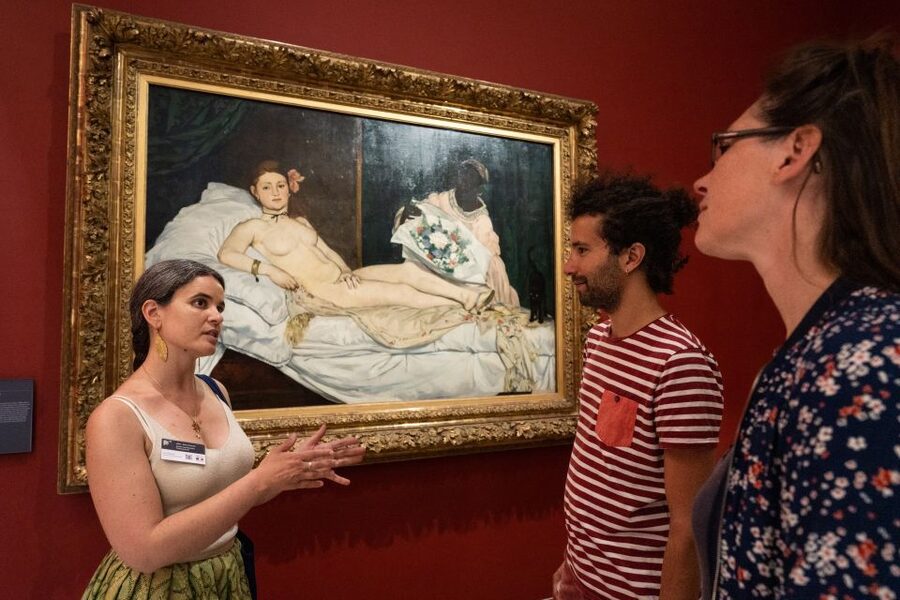
Orsay crowds can make or break a museum visit. You get that same reality here. You are moving through popular rooms where you will be jostled by foot traffic and stopped by people hovering at the best viewpoints.
The tour handles this with two practical tools:
- Headsets when appropriate, so you can keep following the guide even when you cannot stand directly behind them.
- A guided route that prioritizes major viewpoints, so you spend time looking rather than constantly searching.
That said, pace is also the main tradeoff. Some people found the 90-minute pace a bit brisk, with the guide speaking quickly to cover a lot of ground. If you are the type who likes to linger and read every label, do not treat the guided portion as your full visit. Use it to get oriented, then slow down after.
After the tour: how to use the extra museum time wisely
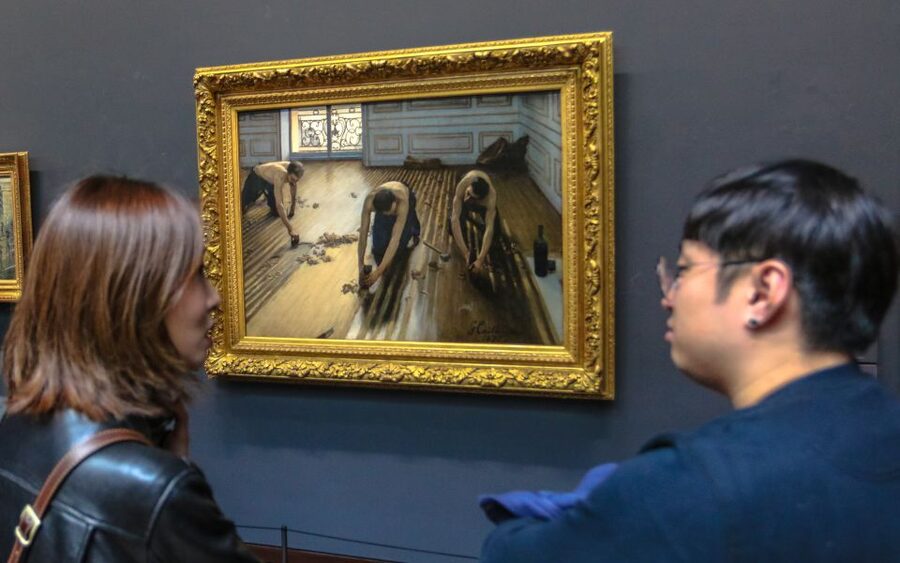
The best part of booking a guided Orsay experience like this is what comes after. You are free to stay as long as you like in the galleries. That lets you do the smart follow-up: return to the paintings that grabbed you on the tour and spend more time there.
So I recommend a simple strategy:
- During the tour, note the titles or artists that made you stop.
- After the tour, go back to those rooms first.
- If you are feeling restless, add a second pass for details, like brushwork and compositional choices.
Orsay also hosts temporary exhibitions, and the tour description notes you can use your confidence after the guided overview to visit with clearer context. In other words, the guide helps you build an internal map, so you are not wandering blind.
Price and value: what $82 is buying you at Orsay
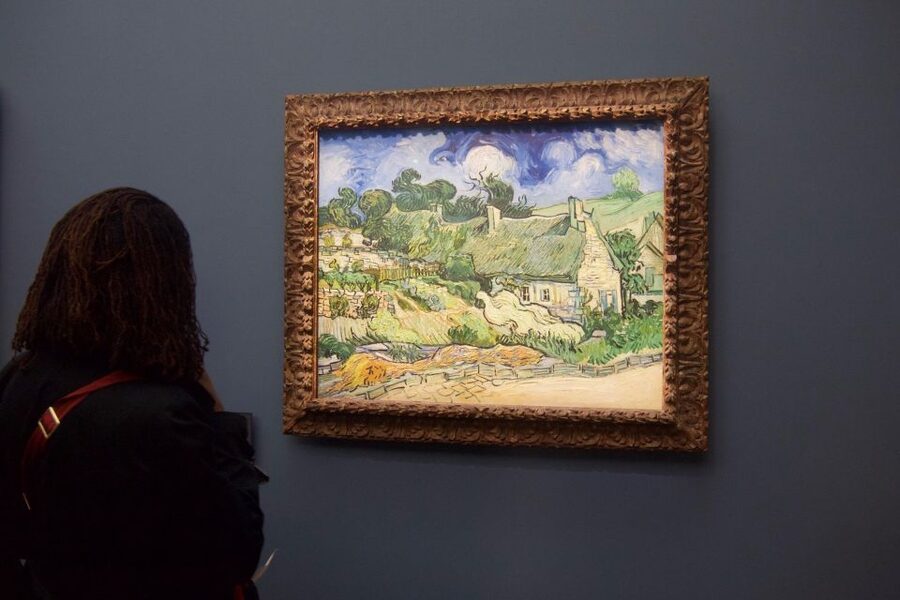
At $82 per person, this is not a budget add-on. It is priced for a guided museum experience with real added value.
Here is what you actually get for that cost, based on the included items:
- 1 hour 45 minutes guided tour
- a fully accredited local guide
- dedicated entrance and entrance fees
- headsets when appropriate
- and the big one, you can stay after the tour
If you were to buy a museum ticket and then try to self-navigate through Impressionism on your own, you would save money, but you would lose the context that explains why these paintings felt outrageous at the time. You would also lose the crowd management benefit, since Orsay can be hard to move through efficiently.
For me, $82 feels like strong value when you are:
- visiting for the first time and want orientation fast,
- interested in why the art changed minds,
- and you want a guide to translate brushwork and social context into plain language.
Who should book, and who might not love it
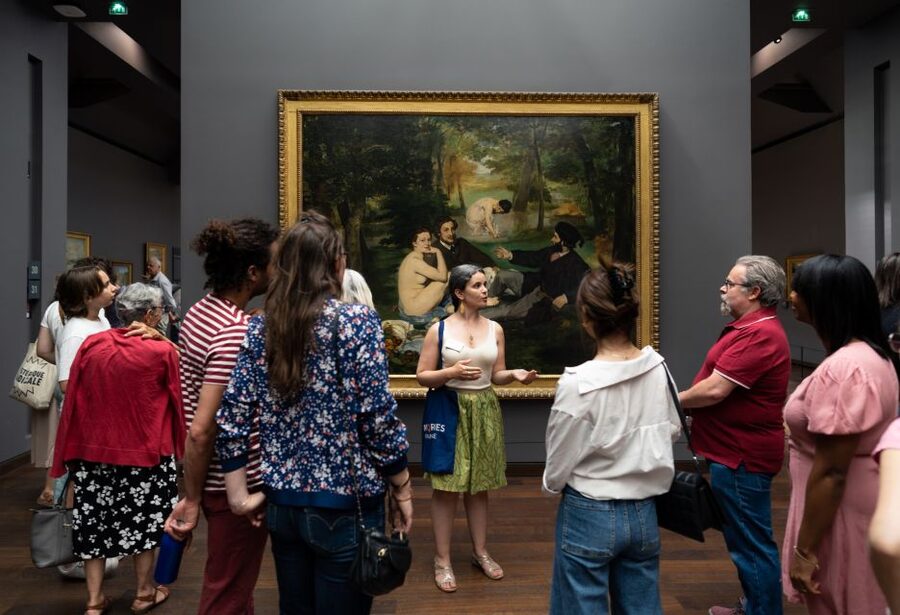
This tour fits art lovers who want clarity and storytelling. It is also a great fit if you are traveling with mixed ages, since the guides highlighted for this experience tend to keep attention with humor, connection to the artists’ lives, and a pace that works even when the museum is packed.
It is also a strong match if you:
- like hearing how and why Impressionism was controversial,
- want to see major highlights without getting overwhelmed,
- and plan to return to your favorites after the tour ends.
On the other hand, it is not suitable for wheelchair users, and luggage or large bags are not allowed. If either of those affects your day, you will need a different plan.
Should you book this skip-the-line Orsay tour?
Book it if you want to see Orsay efficiently, with an expert guide who explains the era behind the paint, not just the artist list. The skip-the-line setup plus headsets makes a real difference in a crowded museum, and the chance to stay afterward lets you control your pace once you are oriented.
Skip it if you are comfortable wandering on your own for hours, reading labels slowly, and you prefer not to follow a set route. In that case, a self-guided visit can be just as enjoyable, but you will need to supply your own context for why Impressionism shocked the art world.
FAQ
FAQ
Where do I meet the guide for the Musée d’Orsay tour?
Meet your guide opposite the main entrance to the Musée d’Orsay, next to the entrance of the Legion d’Honneur Museum. The guide will be wearing a guide badge on an orange lanyard.
How long is the Musée d’Orsay skip-the-line tour?
The duration is 90 to 150 minutes.
Does this tour include skip-the-line entry?
Yes. Dedicated entrance is included, and you should not get in the lines for the museum.
Is the tour guided in English?
Yes, the live tour guide is English.
Can I stay in the museum after the guided portion ends?
Yes. You can stay as long as you like in the galleries after your tour.
Is hotel pickup or drop-off included?
No, hotel pick-up/drop-off is not included.
What train or metro stations are closest?
Nearest stations are RER Station Musée d’Orsay (Line C) or metro Solferino (line 12).
Are luggage or large bags allowed?
No. Luggage or large bags are not allowed.
Is this tour wheelchair accessible?
No, it is not suitable for wheelchair users.
What is the cancellation policy?
Free cancellation is available up to 24 hours in advance for a full refund. Refunds are not possible for missed tours.
Newly listed around Paris
- The voice of Montmartre is a must-see in Paris★ 3.8 · 19 reviews
- Top Private Cruises in Paris with Champagne + more surprises★ 5.0 · 309 reviews
- The Official Emily in Paris Montmartre Walking Tour★ 4.7 · 40 reviews
- The Paris Pass® Plus: 90+ Attractions including The Louvre★ 3.4 · 386 reviews
- The Official Emily in Paris Locations Walking Tour★ 4.9 · 383 reviews
- The Official Emily in Paris Macaron-Making Workshop★ 4.9 · 68 reviews
- The Official Emily in Paris Wine & Cheese with Butter Making★ 4.9 · 20 reviews
- The Official Emily in Paris Croissant-Making Workshop★ 4.9 · 85 reviews
Musée Orsay Tickets & Tours, compared.
Orsay Museum Entry Ticket and Digital Audio Guide App
Read our review →
Paris in a Day: Louvre or Orsay, Eiffel Tower, City Walk & Cruise
Read our review →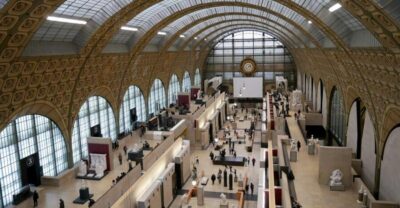
Musée d’Orsay Entry Ticket and Seine River Cruise
Read our review →
Musée d’Orsay Skip-the-Line Tour with Expert Guide
Read our review →
The Musée d’Orsay Guided Tour Orsay Museum Semi-Private 6ppl Max
Read our review →
Louvre & Musée d’Orsay Guided Museum Tour Semi-Private 6ppl Max
Read our review →
Browse the lists this tour appears in