
Reviewed · MONTPELLIER TOURS & ACTIVITIES
Nîmes, chronicle of a legacy from the Enlightenment to the Belle Époque
Nîmes can feel like a book you can walk through, and this 90-minute story tour makes the pages easy to follow. You start with an 18th-century antiquarian mindset, then time-travel to the next century with Élise, as the route links Temple de Diane and the Maison Carrée to what the city meant to later admirers.
Two things I really like: the tone is elegant but practical, so you learn without getting lost in dates, and the pacing is optimized enough that you hit the key monuments plus a break with food. One possible drawback: at this length you will mostly see the big sights from the outside and in staged stops, so if you want lots of time inside the Arena, you may feel a little rushed.
In This Review
- Key things to know before you go
- Why Nîmes feels like a time machine (1764 to the Belle Époque)
- Price and timing: does $18 really work for 90 minutes?
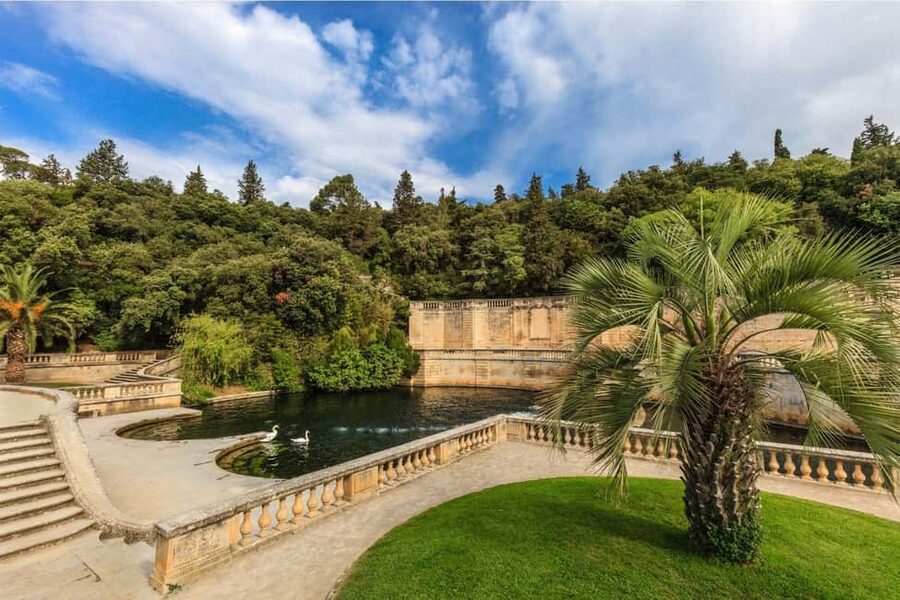
- Start at Les Jardins de La Fontaine: the walk begins with ease
- Jardin de La Fontaine: where elegance meets everyday life
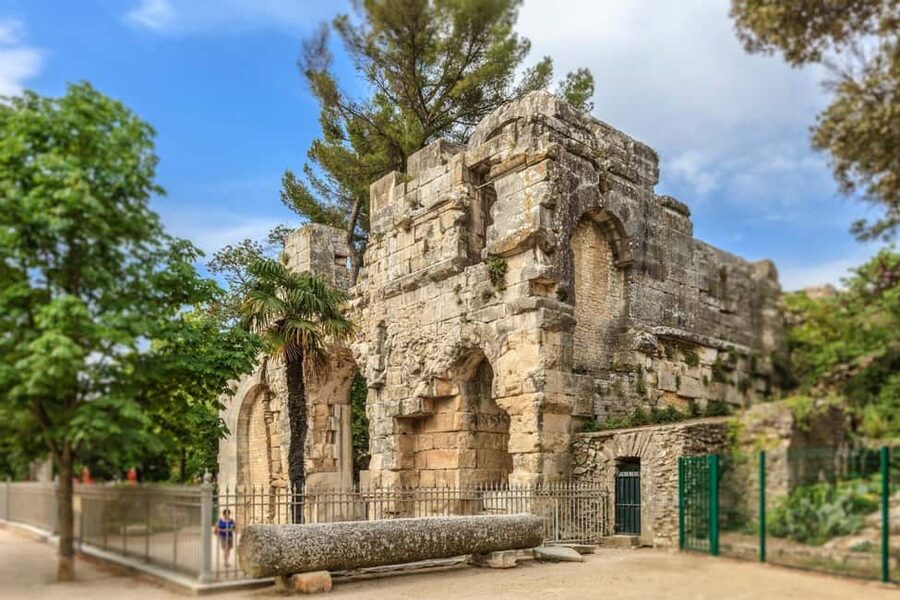
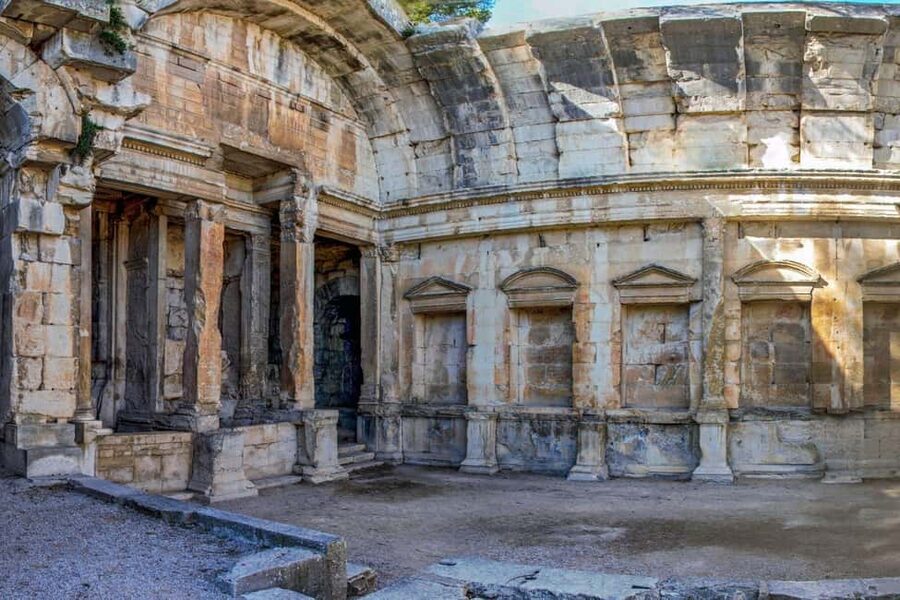
- Temple de Diane: learn the geometry, then enjoy the drama
- Passing viewpoints: why the in-between moments count
- Maison Carrée: the Roman block that still feels modern
- Food tasting: a short reset that makes the walk feel smarter
- Arena of Nîmes: seeing it in context, not just as a photo
- Finish at Fontaine Pradier: end where the city feels alive
- The guide factor: Cassidy, clarity, and that human flexibility
- What you should do before you go
- Who should book this tour
- Should you book Nîmes: Chronicle of a legacy from the Enlightenment to the Belle Époque?
- FAQ
- Where do I meet for the tour?
- How long is the tour?
- How much does it cost?
- Is the tour guided?
- What language is the live tour guide in?
- What sites are included in the route?
- Is there a food tasting during the experience?
- Is the tour wheelchair accessible?
- Is cancellation free?
- Do I need to pay right away?
- Any practical advice for visiting in Nîmes?
Key things to know before you go
- A guided story runs from 1764 to the Belle Époque, guided by an antiquarian then Élise’s perspective.
- Three anchor monuments are built into the walk: Jardin de La Fontaine, Temple de Diane, and the Maison Carrée.
- A short food tasting is scheduled mid-tour, a nice way to reset during the walk.
- The Arena of Nîmes stop is guided, but the overall route is tight for 90 minutes.
- Bring water, especially in summer, since the sun in Nîmes can be strong.
Why Nîmes feels like a time machine (1764 to the Belle Époque)
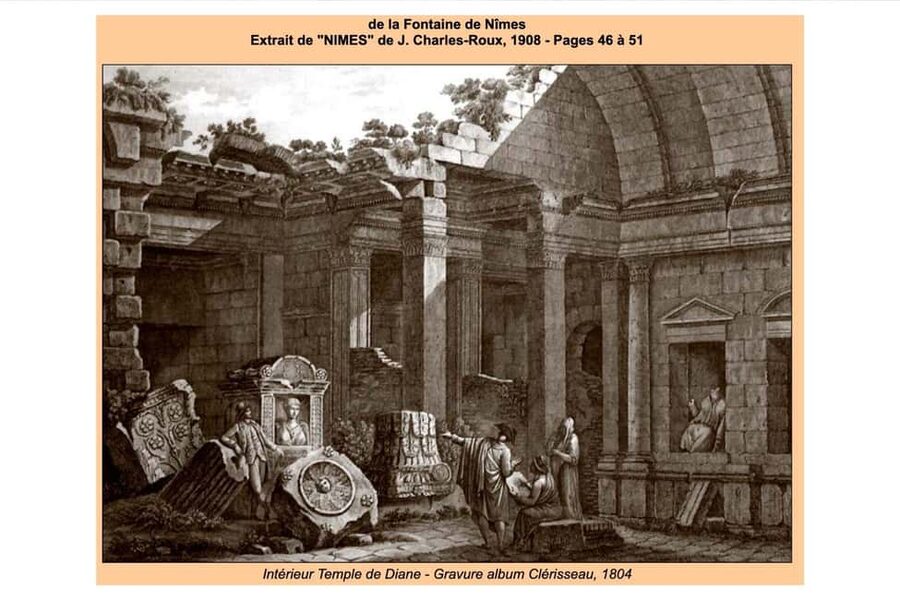
This tour’s trick is the storytelling voice. It starts with an 18th-century man, Étienne, who treated ruins like a personal notebook of Latin lines, moldings, and careful observations. That matters, because Nîmes can be “just Roman monuments” if you show up unprepared. Here, the route gives you a way to look at the stones, not just photograph them.
Then Élise takes over in the next century. The shift changes how you notice things. You still see Roman structures, but the focus leans toward elegance, style, and how later people used archaeology and observation as a form of culture. It is a smooth way to connect Enlightenment curiosity to later refinement.
And yes, it works because the walk is built around named places you can mentally return to later. You do not just wander. You build a timeline in your head while your feet keep moving.
Other Montpellier bookings to consider
- Saw2 vs Squid Game – Escape Game Montpellier
★ 5.0 · 752 reviews - School of Magic – Escape game Montpellier
★ 4.5 · 536 reviews - Mission Possible – Escape game Montpellier
★ 5.0 · 437 reviews
Price and timing: does $18 really work for 90 minutes?
At $18 per person, the biggest question is value: are you paying for a quick “see-and-go” and nothing else, or do you get a tour that earns its place?
For me, the best sign is the structure. You have a clear arc: you begin in the Jardins de La Fontaine, you cover Temple de Diane and the Maison Carrée with guidance, and you add a food tasting and a guided look at the Arena of Nîmes. That is a lot of meaningful stops for 90 minutes, especially in a compact city center route.
The tradeoff is time pressure. A couple of visitors felt the 90 minutes went faster than expected. That is usually a good sign. It also means if you want slow museum-style pacing at each monument, you might prefer a longer tour or pair this with time on your own after the walk.
Start at Les Jardins de La Fontaine: the walk begins with ease
You meet in front of the large main gate of the Jardins de La Fontaine. That is a smart start for two reasons. First, gardens naturally slow you down. Second, you begin in a place that helps you calibrate your senses in Nîmes before you go into heavier monument mode.
This stop is guided, so you are not just waiting in a park. You get orientation, and you learn how to connect what you see in the garden to what you will see in Roman-era landmarks nearby. Think of it as setting your eye, not just your itinerary.
If you are visiting on a hot day, this is also where you get your first shade. Still, follow the guide’s practical advice and bring water, because the sun can be intense once you leave the garden paths.
Jardin de La Fontaine: where elegance meets everyday life

I like the fact that this tour does not treat Nîmes like a closed-off ruin park. A garden in a historic city is living context. You learn to see how the city used to present itself, and how people still move through it.
You also get a gentle transition into the theme. Étienne’s antiquarian approach would not be confined to ruins only. His notebook had room for inscriptions and moldings, but he also cared about everyday observation. Starting in the gardens keeps that human scale alive.
Practical note: you are walking, and you are under the sun at times. Wear comfortable shoes, and if your plan includes other monuments afterward, keep a little buffer in case you want to linger near a stop longer.
Within easy reach:
- Montpellier: Pic Saint-Loup Wine Tour
★ 4.9 · 290 reviews - Montpellier: St. Guilhem le Désert and Moureze Day-Trip
★ 5.0 · 121 reviews - Montpellier Wine and Oyster Tour
★ 4.9 · 72 reviews - From Montpellier: Half-Day Vineyard & Pic Saint-Loup Tour
★ 4.8 · 61 reviews
Temple de Diane: learn the geometry, then enjoy the drama
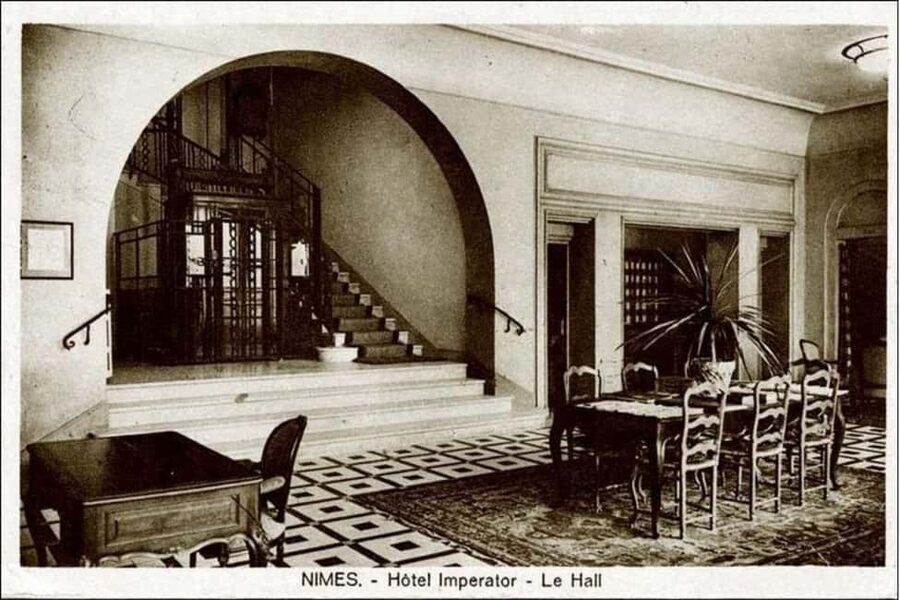
Temple de Diane is one of those sights where a short guided explanation can massively change how you see it. Without guidance, it is easy to just clock a pretty Roman temple facade. With a guide, you start noticing how the structure reads, how the monument holds its proportions, and why it remains memorable.
This is a guided stop, and it tends to be a turning point in the walk. Up to now, you have been in a world of lead-ins and preparation. Here, you hit one of the city’s headline Roman icons.
The backdrop matters too. Nîmes has that South of France brightness, and Temple de Diane benefits from clear light. Plan to look at it not only from your main angle, but also for a quick glance around, to see how the monument feels in motion.
Passing viewpoints: why the in-between moments count
Between major stops you get passing moments. That sounds minor, but it helps you understand how all these sites sit within a working city. You start to sense the distances, the way streets frame monuments, and the small changes in atmosphere from one site to the next.
This is one of the tour’s quiet strengths. When a guide gives you a narrative between landmarks, you stop thinking of Nîmes as scattered photos and start thinking of it as a coherent walkable experience.
If you like travel that feels like walking with a local who has an eye for relationships between places, you’ll probably appreciate these in-between beats.
Maison Carrée: the Roman block that still feels modern
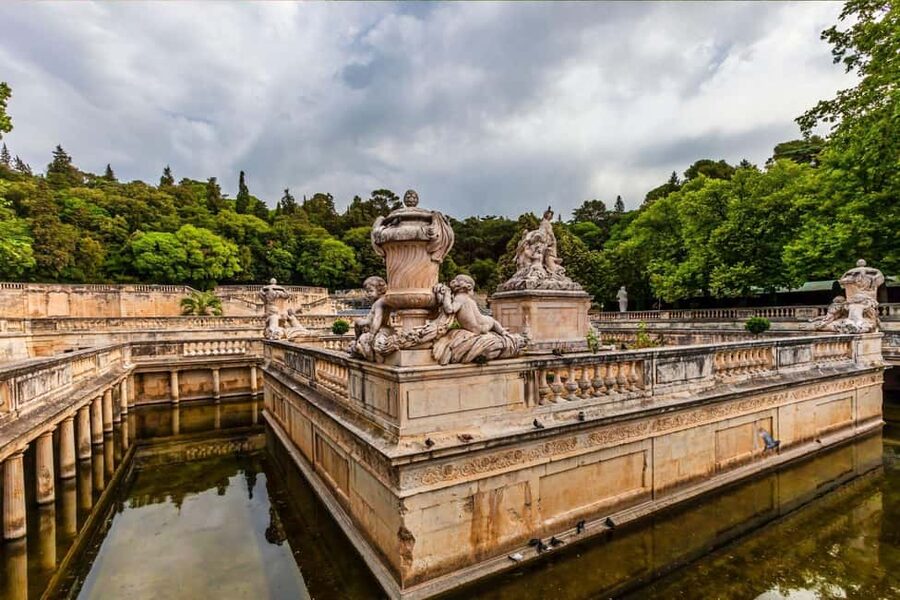
The Maison Carrée is the monument stop that often locks people in. It is tidy, graphic, and it has that clean Roman confidence you can feel even if you do not know every detail.
On this tour, it is a guided visit. That guidance is valuable because the Maison Carrée rewards careful looking. You begin to notice the harmony of the facade and the way the building communicates importance through form. When the story is working well, you also connect this to the 18th-century antiquarian mindset. In Étienne’s world, structures like this were like documents you could read.
I especially like that the tour keeps the mood elegant. You are not doing a technical lecture. You are learning enough to make your own observations feel smarter.
If you want extra time here after the tour, do it. You can always step back and re-check the facade after someone has pointed your attention in the right direction.
Food tasting: a short reset that makes the walk feel smarter
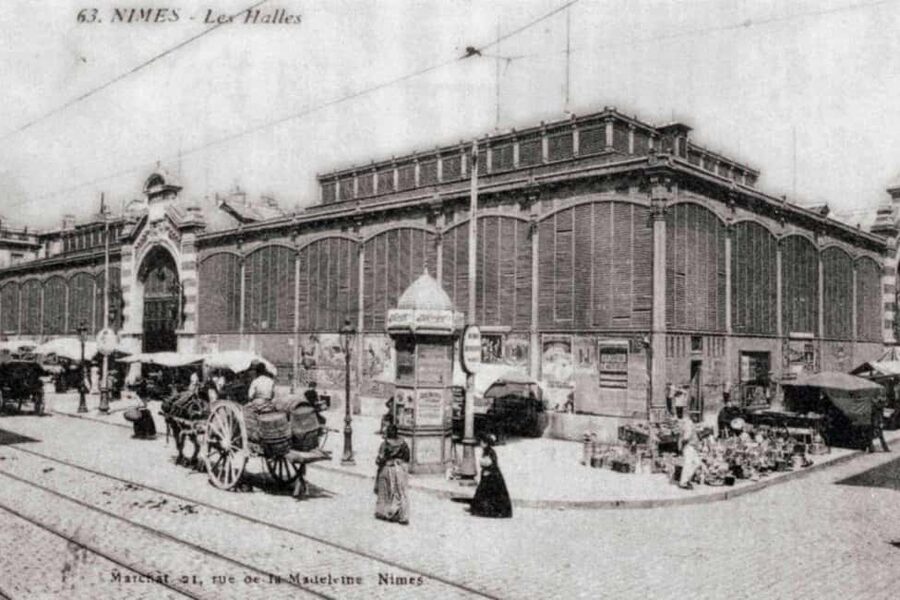
A food tasting is built into the itinerary. In practical terms, it is a morale booster and an energy stabilizer. In cultural terms, it reminds you that this is not only a stone-and-sun city, it is also a place with daily pleasures.
Aline shared that after the visit, they returned to buy croquants, which points to the kind of simple treat many visitors take home from Nîmes. You may not get the same post-tour shopping moment planned into your day, but the point stands: the tasting stop makes the monument focus feel less exhausting.
Keep in mind that it is scheduled during the walk, so you might want to have a bit of room in your stomach. Even small tastings can tip you from hungry to comfortably full.
Arena of Nîmes: seeing it in context, not just as a photo
You get a guided visit at the Arena of Nîmes. This matters because the Arena is so visually strong that it can become a single snapshot. A guide helps you place it in the city’s flow and in the bigger story of how people have valued Roman remains over time.
One detail worth noting: at least one visitor wished the tour ended with a quick look inside the Arena. That tells you something about the pacing and format. This tour is designed for a 90-minute experience that prioritizes the overall narrative and the major monuments along the way. If you plan to stand outside and take it in, it will feel purposeful. If you want lengthy inside exploration, plan extra time separately.
Still, the Arena stop is a high-impact moment. Even from outside, it has presence, and once you have the story context, it hits differently.
Finish at Fontaine Pradier: end where the city feels alive
The tour finishes at Fontaine Pradier. Ending at a fountain is a nice decision because it signals everyday elegance. You are not ending at a ticket gate. You are ending in a space that feels like part of city life.
It is also a natural stopping point. After 90 minutes, your legs will be ready for a break, and your brain will want a quiet moment to absorb what you just pieced together.
If you have the energy, check nearby streets on foot afterwards. This is the kind of tour where you start seeing patterns, and you’ll likely notice how other smaller facades and details echo the bigger monuments you just learned to read.
The guide factor: Cassidy, clarity, and that human flexibility
All the positive momentum in the reviews centers on the guide’s energy and clear explanations. Cassidy comes up repeatedly, and the common theme is that the tour felt like it was moving at the pace of the group, not a rigid script.
One visitor even described a language mix-up. The tour was supposed to be French, but Cassidy helped bridge the gap so the group could still understand and enjoy the story. That kind of flexibility matters because it turns a “you booked the wrong language” mistake into a good day.
In practical terms, you benefit most when the guide can translate the story into simple visuals: where to look, what details matter, and how each stop connects. Based on the feedback, Cassidy does that without making it stiff.
What you should do before you go
This tour is short, so your prep is about comfort and expectations.
- Bring water. The guide directly recommends it, especially in summer heat.
- Wear comfortable walking shoes. You will be on foot most of the 90 minutes.
- If you care about inside-the-Arena time, plan it as an add-on after the tour. This route is tightly designed for its narrative stops.
- Since the tour language is French, basic willingness helps. If you know a few phrases, you will likely follow better. If you do not, pay attention to the guide’s gestures and pacing, and you may still catch the story through supportive explanation.
Who should book this tour
I think this tour is a great fit if you want:
- A 90-minute overview that still feels like a real walking experience.
- Roman monuments with a human story arc, not just a list of sites.
- A guide-led pace that hits big names like Temple de Diane and the Maison Carrée without dragging.
It may not be ideal if you want deep, slow museum-level analysis at each stop. This experience is built for motion and interpretation, not for lingering for hours at one monument.
Should you book Nîmes: Chronicle of a legacy from the Enlightenment to the Belle Époque?
Yes, if you like guided walking tours that make monuments feel connected. The $18 price point is strong for a tour that strings together multiple headline sites, includes a guided stop at the Arena, and adds a food tasting in the middle.
Book it especially if you are the kind of traveler who enjoys stories with structure, from Étienne’s antiquarian notebook mindset to Élise’s later perspective on elegance and archaeology. You will leave with a clearer mental map of Nîmes, and with a better way to look at what you see afterward.
Skip it or plan extra time if you specifically want lots of interior access at the Arena. This tour seems designed to give you the city’s bigger picture quickly and convincingly, then let you choose how to continue on your own.
FAQ
Where do I meet for the tour?
Meet in front of the large main gate of the Jardins de La Fontaine.
How long is the tour?
The duration is 90 minutes.
How much does it cost?
The price is $18 per person.
Is the tour guided?
Yes. It is a private walking tour with a passionate guide.
What language is the live tour guide in?
The live tour guide is French.
What sites are included in the route?
The itinerary includes the Jardin de La Fontaine, the Temple de Diane, the Maison Carrée, a food tasting, and the Arena of Nîmes, with passing by points in between. The tour finishes at Fontaine Pradier.
Is there a food tasting during the experience?
Yes, there is a food tasting stop.
Is the tour wheelchair accessible?
Yes, it is wheelchair accessible.
Is cancellation free?
You can cancel up to 24 hours in advance for a full refund.
Do I need to pay right away?
You can reserve now and pay later, so you can keep plans flexible.
Any practical advice for visiting in Nîmes?
Bring water. The guide notes the sun can be strong, especially in summer, so staying hydrated helps you enjoy the walk without getting overheated.
Newly listed around Montpellier
- The Châteaux of Grès de Montpellier & Wine Tasting★ 4.8 · 45 reviews
- From Montpellier: Half-Day Vineyard & Pic Saint-Loup Tour★ 4.8 · 61 reviews
- Nîmes – Spend a day like an ancient Roman★ 5.0 · 26 reviews
- Nimes: Private Walking Tour of the Historical Center★ 4.3 · 20 reviews
- Nîmes: Musée de la Romanité Skip-the-Line Entrance Ticket★ 4.7 · 20 reviews
- Nimes: Ancient Roman Arena Ticket & Old Town Audio Tour★ 3.8 · 19 reviews
- Montpellier Wine and Oyster Tour★ 4.9 · 72 reviews
- Montpellier: St. Guilhem le Désert and Moureze Day-Trip★ 5.0 · 121 reviews
Montpellier Tours & Activities, compared.






Best of Montpellier: Private Walking Tour with a Local
Read our review →Browse the lists this tour appears in