

Reviewed · MUSEUMS
Nîmes: Musée de la Romanité Skip-the-Line Entrance Ticket
Roman history, minus the hassle. The skip-the-line ticket gets you through quickly, so you spend your time on the museum’s multimedia storytelling and big artifact rooms.
I especially like the augmented reality style of exhibits, because it explains daily Roman life without making you read a wall of text.
My second big win is the rooftop payoff. After the galleries, you get a 360-degree panoramic view over Nîmes, plus the museum’s Mediterranean garden for a calmer walk.
One thing to consider: the audio guide is extra (€4), so if you want full context, budget for it.
In This Review
- Key highlights you’ll feel fast
- Musée de la Romanité in Nîmes: a Roman site made for a one-day visit
- Skip-the-line logistics: when it matters and how to plan your timing
- What’s included in your ticket, and what costs extra
- The museum story in three time periods: Pre-Roman, Roman, and Medieval
- Pre-Roman: daily life before Rome takes over
- Roman period: objects, houses, and the “how it worked” feeling
- Medieval period: when ancient Rome gets reused
- Standout moments: mosaics, reconstructions, and why they’re worth slowing down for
- Pentheus mosaic: decoration you can actually focus on
- Domus Villa Roma: reconstructions that teach spatial thinking
- The Gallic house: a foundation for everything else
- Museum architecture, rooftop views, and the Mediterranean garden break
- Audio guides, help from staff, and how to avoid getting stuck
- Food, rest, and using the museum restaurant without losing your day
- Who this works best for, and who might prefer something else
- Should you book the Musée de la Romanité skip-the-line ticket?
- FAQ
- FAQ
- How much does the Nîmes Musée de la Romanité skip-the-line ticket cost?
- How long should I plan for this visit?
- What is included with the skip-the-line ticket?
- What is not included?
- Where is the meeting point?
- Can I cancel and get a refund?
- Is the ticket valid for one day?
- Are children allowed, and is there a youth rate?
- Is the museum wheelchair accessible?
Key highlights you’ll feel fast
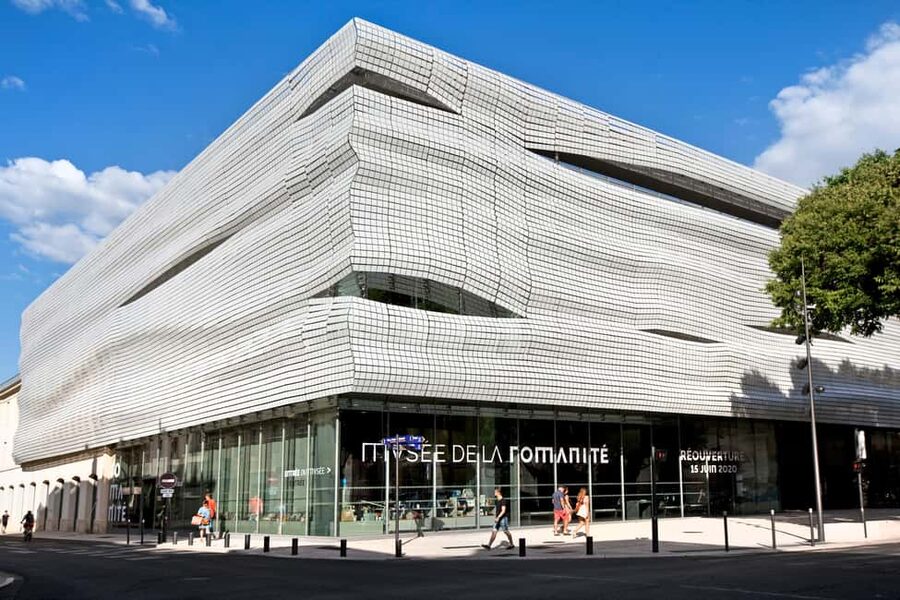
- Skip-the-line entry via a separate entrance: fewer delays, more time for the galleries.
- Augmented reality and large audiovisual tech: Roman history told with visuals, not just labels.
- Over 2,000 archaeological artifacts: plenty to see, even if you’re picky.
- Three time periods in one visit: Pre-Roman, Roman, and Medieval transformations of the site.
- Pentheus mosaic and Domus Villa Roma reconstructions: standout objects with real visual impact.
- Rooftop 360 views plus Mediterranean garden: your final reward is scenery and a breather.
Musée de la Romanité in Nîmes: a Roman site made for a one-day visit
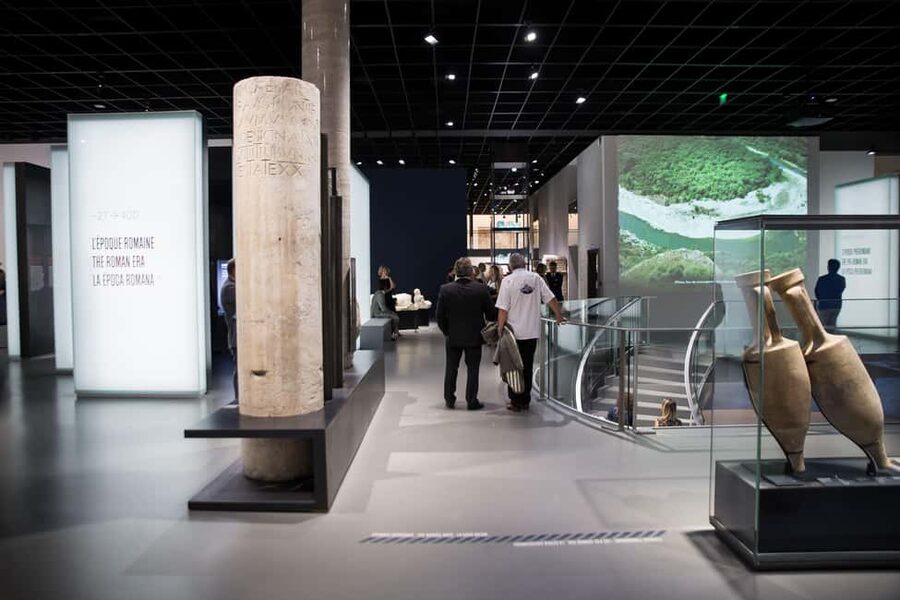
Nîmes already feels Roman, with the arenas and street-level history. The Musée de la Romanité turns that vibe into a full museum visit that works well when you have just one day to spare.
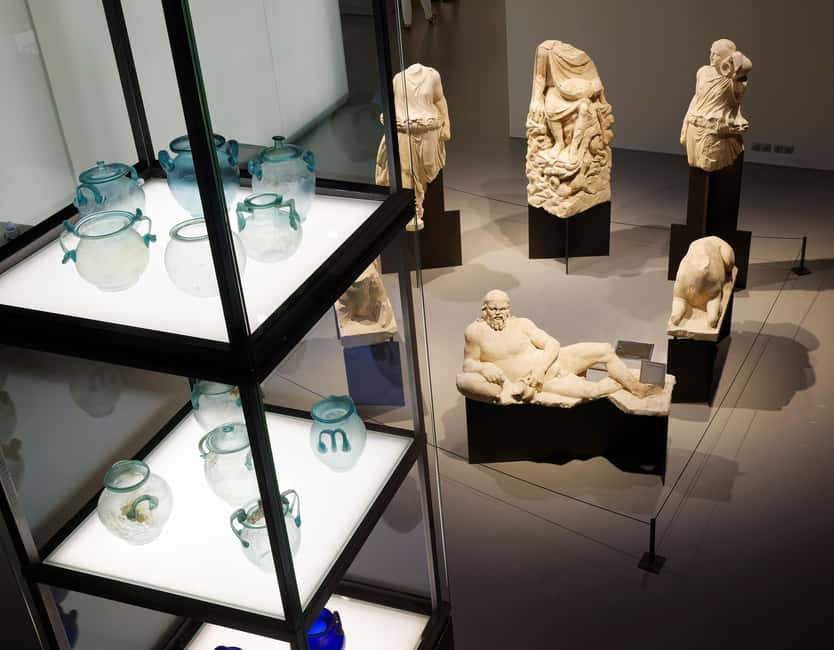
What you’ll get is a modern museum experience built around ancient remains: around 2,000 archaeological artifacts, plus multimedia installations and special “set pieces” that connect objects to how people actually lived. Even if you do not consider yourself a Roman-empire person, the layout helps you move through the story without losing your place.
The best part for practical travelers: the ticket is skip-the-line, using a separate entrance. That matters in peak hours, because the museum experience is better when you arrive ready to look closely, not waiting while you start to feel rushed.
Other Montpellier bookings to consider
- Paris: Orsay Museum Entry Ticket
★ 4.7 · 25,647 reviews - Louvre Museum Masterpieces Guided Tour with Access
★ 4.5 · 12,023 reviews - Paris: Louvre Museum Entry Ticket With Host and River Cruise
★ 4.6 · 9,926 reviews
Skip-the-line logistics: when it matters and how to plan your timing
This is a 1-day museum ticket, and it’s priced around $10 per person. The actual value comes from what it prevents, waiting. With priority entry, you can aim to be inside sooner and spend more time in the exhibit rooms rather than in a queue.
You’ll want to treat this like a structured visit, not a casual stroll. The museum covers three eras, and the technology-based displays reward time and attention. If you go in half-distracted, you’ll miss connections between the “daily life” rooms and the bigger reconstructions.
If you’re traveling with kids, this is also one of the easier museums to manage. There’s a digital game approach designed to help children handle the visit better, instead of wandering while adults read every label.
Meeting point: Musée de la Romanité, 16 boulevard des Arènes, 30000 Nîmes, France.
What’s included in your ticket, and what costs extra
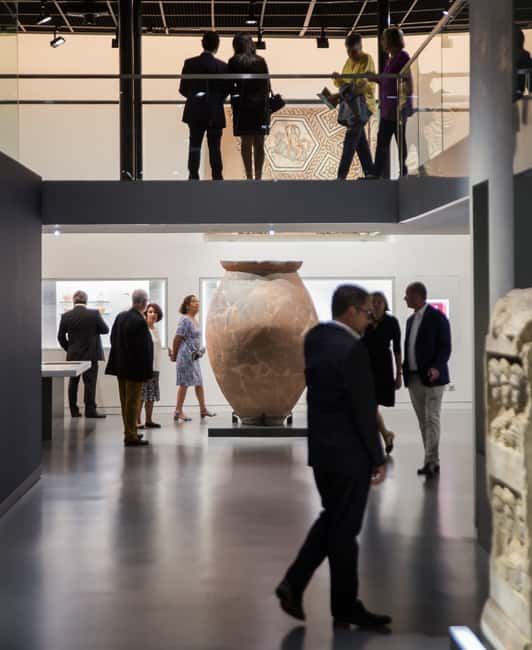
Your skip-the-line ticket includes:
- Skip-the-line priority entrance
- Entrance to the museum
- Entrance to a temporary exhibition (so you get more than the permanent galleries)
What costs extra:
- Audio guide is €4
So the value math is simple. If you like independent, self-paced context, add the audio guide. If you prefer to read select signs and spend the rest looking, you can skip it and still leave with a solid understanding.
Also note the rules that keep the exhibits safe: touching the exhibits is not allowed. It’s common museum behavior, but it’s worth mentioning because some interactive-style spaces can look “touch-friendly” from a distance.
The museum story in three time periods: Pre-Roman, Roman, and Medieval
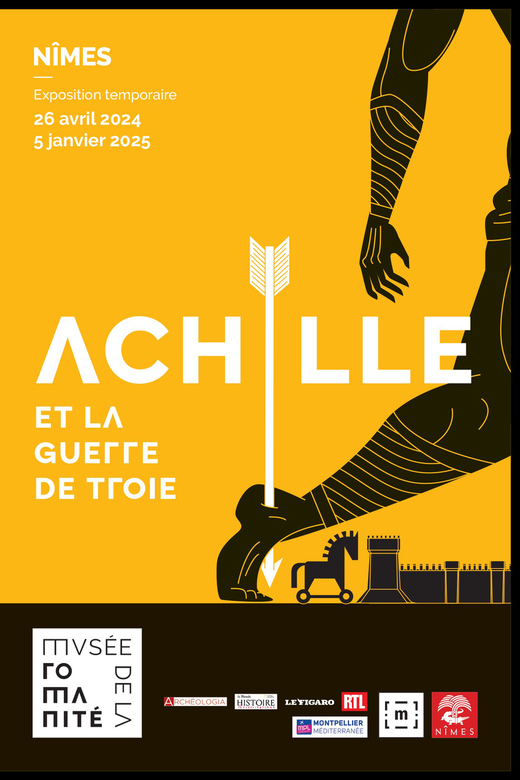
The Musée de la Romanité is structured around three main periods, and that structure is one reason it works for a one-day visit. You can follow the timeline without feeling like you’re bouncing around.
Within easy reach:
- Saw2 vs Squid Game – Escape Game Montpellier
★ 5.0 · 752 reviews - School of Magic – Escape game Montpellier
★ 4.5 · 536 reviews - Mission Possible – Escape game Montpellier
★ 5.0 · 437 reviews - Montpellier: Pic Saint-Loup Wine Tour
★ 4.9 · 290 reviews
Pre-Roman: daily life before Rome takes over
In the first section, you’re introduced to life before the Roman period, including a fully reconstructed Gallic house. The point here is not just style or politics. You’re shown everyday spaces and how people organized living space.
This is where the museum helps you build context. After you’ve seen a reconstructed domestic setting, later Roman rooms feel less like random objects and more like a continuation of real life, just under new influences.
Roman period: objects, houses, and the “how it worked” feeling
Then you step into the Roman period, where the museum leans hard on everyday stuff. You’ll see a collection of daily objects tied to town planning, housing, and habits.
Two highlights that tend to grab attention:
- The Pentheus mosaic, which is visually striking and gives you a clear sense of Roman decorative art.
- The Domus Villa Roma reconstruction, which helps you understand how the built environment shaped daily routines.
This is also the area where the museum’s multimedia and scenography help you connect artifacts to function. You see things and then understand what they likely did in daily life.
Medieval period: when ancient Rome gets reused
In the medieval section, the museum shows a city that changes shape. Ancient vestiges end up buried or reused, and you get a sense of how later communities interacted with older remains.
One of the big visual moments is how the arenas area is transformed into a fortified enclosure, with dwellings and places of worship at the center. It’s a clever way to show continuity and change, using the physical setting to tell a story.
Standout moments: mosaics, reconstructions, and why they’re worth slowing down for
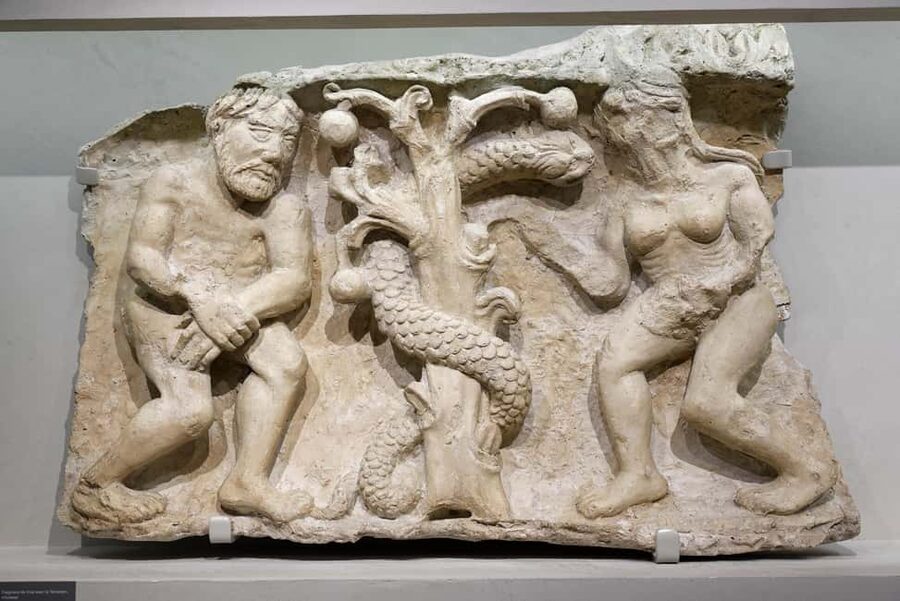
If you’re the type who likes “top moments” first, you can still use this museum to guide your pace. The standout pieces are the ones that make you pause and look around, not just at one object.
Pentheus mosaic: decoration you can actually focus on
A mosaic can turn into background noise in a big collection, unless it’s presented in a way that invites attention. Here, the Pentheus mosaic is treated like a star, and it’s the kind of object that makes you notice details quickly, even if you’re not an art specialist.
Domus Villa Roma: reconstructions that teach spatial thinking
The Domus Villa Roma reconstruction is not only a pretty scene. It’s useful. Once you understand the idea of rooms, circulation, and how people might move through a house, the museum’s object displays start to feel more logical.
It’s also a nice break from glass cases. For many visitors, a reconstruction is where your brain finally stops treating artifacts like museum inventory and starts treating them like lived-in spaces.
The Gallic house: a foundation for everything else
The reconstructed Gallic house matters because it anchors the rest of the museum. Without that starting point, you might read the Roman sections like a list. With it, you read them like a timeline of daily life changes.
Museum architecture, rooftop views, and the Mediterranean garden break
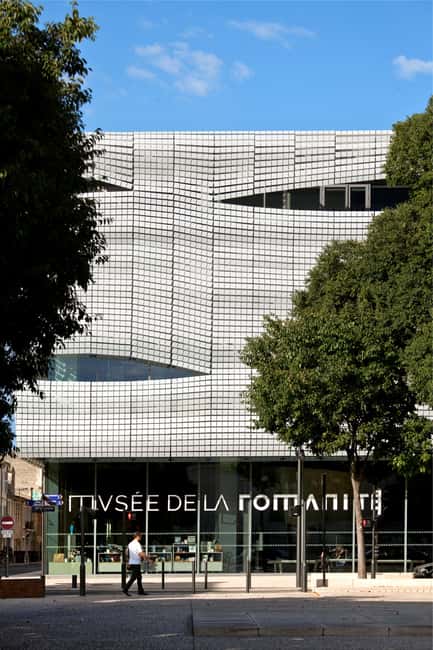
The Musée de la Romanité is not just inside a building, it’s also about how the museum relates to Nîmes. The design sits in harmony with the nearby arenas, and the overall experience has that “Roman city energy” even when you’re indoors.
After the galleries, I like planning a slow finish. That’s when the museum’s rewards hit:
- A 360-degree panoramic view from the rooftop
- Time to relax in the Mediterranean garden
That rooftop moment is your “walk it off” reward after artifact rooms. From up there, you get the context of where you are in town, not just the historical story the museum shows. It also helps you photograph without feeling like you’re trying to cram views between exhibit groups.
Audio guides, help from staff, and how to avoid getting stuck
The museum includes multimedia installations and interactive-style content, so not everything is simply label reading. That’s great when it works, and slightly annoying when a prompt does not trigger the way you expect.
A practical tip: if something feels unclear, ask staff right away. The on-site team is there to help you start the right information sources and get the experience back on track.
Audio guide note: there is an audio guide system for adults and also separate options for children. If you’re visiting as a family, that can reduce friction, because kids get a version made for their attention span instead of an adult explanation they cannot use.
If you do not want extra cost, you can still enjoy the museum’s main displays. But if you’re the type who loves details and names, the €4 audio guide is a reasonable add-on.
Food, rest, and using the museum restaurant without losing your day
There’s a restaurant inside the museum experience, and the big idea is simple: you can take a break without leaving the museum grounds. It’s especially useful if you want to keep your afternoon momentum instead of hunting for lunch nearby.
One advantage for time-crunched days is that the rooftop vibe continues into the dining portion. Even if you keep lunch simple, it can still feel like part of the experience instead of a forced detour.
Pair that meal with the Mediterranean garden stroll and you’ll end your visit feeling like you paced the museum instead of sprinting through it.
Who this works best for, and who might prefer something else
This is a strong fit for:
- Families who want an educational visit with kid-friendly support, including a digital game approach
- Curious first-timers who want Roman history explained through objects and reconstructions
- Travelers who like modern museum tech, especially augmented reality and audiovisual scenes
It may be less ideal for:
- People who hate technology-based exhibits or get impatient with interactive screens
- Visitors who only want one or two rooms, because the structure is built for a fuller sweep across eras
If you love the arenas area and want one more step beyond the street-level Roman vibe, this museum is exactly that step.
Should you book the Musée de la Romanité skip-the-line ticket?
I’d book it if you value time. The biggest benefit is straightforward: priority entrance through a separate route. In a one-day schedule, that’s the difference between seeing the museum at a relaxed pace and feeling like you’re chasing the clock.
I’d also book it if you like museums that use reconstructions and multimedia to make artifacts understandable. The Pentheus mosaic, the Domus reconstructions, and the Gallic house are built to give you visuals you can grasp fast.
Skip it only if you are firmly trying to avoid any extra devices, or if you have a strict budget and do not want the option to add the €4 audio guide. Even then, the museum ticket still includes the main exhibition experience, so you would not be blocked from enjoying the core exhibits.
FAQ
FAQ
How much does the Nîmes Musée de la Romanité skip-the-line ticket cost?
The price is about $10 per person.
How long should I plan for this visit?
It’s designed for a 1-day museum visit.
What is included with the skip-the-line ticket?
You get the skip-the-line priority entrance, entrance to the museum, and entrance to a temporary exhibition.
What is not included?
The audio guide is not included and costs extra at €4.
Where is the meeting point?
The meeting point is Musée de la Romanité, 16 boulevard des Arènes, 30000 Nîmes, France.
Can I cancel and get a refund?
Yes. Free cancellation is available up to 24 hours in advance for a full refund.
Is the ticket valid for one day?
Yes. The ticket is valid for 1 day, and starting times depend on availability.
Are children allowed, and is there a youth rate?
Youth rate from 0 to 7 is free, but you need to request the ticket at the entrance.
Is the museum wheelchair accessible?
Yes, the museum is wheelchair accessible.
Newly listed around Montpellier
- From Montpellier: Half-Day Vineyard & Pic Saint-Loup Tour★ 4.8 · 61 reviews
- The Châteaux of Grès de Montpellier & Wine Tasting★ 4.8 · 45 reviews
- Nîmes – Spend a day like an ancient Roman★ 5.0 · 26 reviews
- Nîmes, chronicle of a legacy from the Enlightenment to the Belle Époque★ 5.0 · 16 reviews
- Nimes: Private Walking Tour of the Historical Center★ 4.3 · 20 reviews
- Nimes: Ancient Roman Arena Ticket & Old Town Audio Tour★ 3.8 · 19 reviews
- Montpellier Wine and Oyster Tour★ 4.9 · 72 reviews
- Montpellier: St. Guilhem le Désert and Moureze Day-Trip★ 5.0 · 121 reviews
Museums, compared.

Louvre Museum Masterpieces Guided Tour with Access
Read our review →
Louvre Museum Entry Ticket With Host and River Cruise
Read our review →
Les Invalides: Napoleon’s Tomb & Army Museum Entry
Read our review →
Musée de l’Orangerie Reserved Entrance Ticket
Read our review →
Louvre Museum – Exclusive Guided Tour (Entry Included)
Read our review →
Louvre Museum Hosted Entry and Mona Lisa Audioguide
Read our review →
Browse the lists this tour appears in