
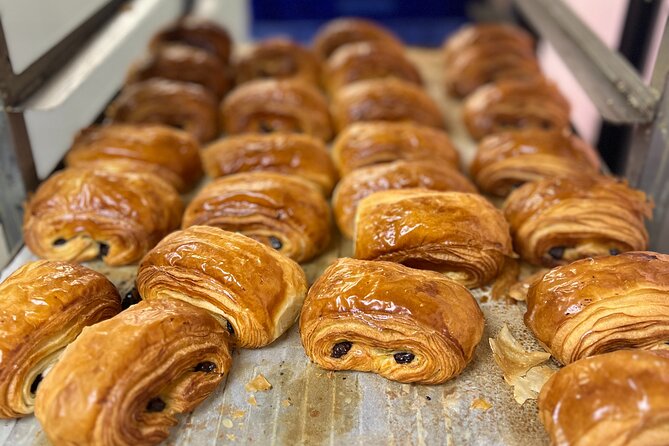
Reviewed · NOTRE DAME & ILE DE LA CITE WALKS
Paris Baking Insider Experience near Notre-Dame
French bread lessons, right where it’s made. This small-group insider bakery experience near Notre-Dame gets you working with real techniques, not just watching. I like the clear, practical focus on dough types (including sourdough and croissant dough) and the way you taste what you’re making as you go. One thing to weigh is the location is up 15 steps to a 2nd floor room with no elevator, so plan for standing and stairs.
In about 2 hours, you get an expert guide leading a hands-on session for a maximum of 8 people in English, with a mobile ticket and snacks along the way. It feels very “working boulangerie” because you’re in the middle of the bakery routine, not off in a studio corner.
As for the pace, it’s hands-on in the way that matters most for beginners: you learn what to look for, then you practice shaping and handling. If you’re expecting heavy kneading from scratch for every item, know the process may include some pre-prepared steps, with your time centered on shaping, lamination, and core technique.
In This Review
- Key Highlights That Make This Baking Tour Worth It
- Entering a Paris Bakery Workflow, Not a Demo Room
- Getting to the 2nd Floor and Why Stairs Matter
- The 2-Hour Structure: From Intro to Baking to Taking It Home
- What You’ll Learn About Dough: Flours, Yeast, and Sourdough
- Baguette Shaping and Lamination: The Skills That Make It French
- Savory and Sweet Bakes: Bread, Croissants, and Financiers
- Guides and Group Size: Why You Don’t Get Lost
- Value for the Price: Why $108.89 Can Make Sense
- Comfort, Cleanliness, and Real Bakery Reality
- Who This Experience Fits Best (And Who Might Skip It)
- Should You Book This Paris Baking Insider Experience?
- FAQ
- Where is the meeting point for the experience?
- How long does the experience last?
- Is this experience offered in English?
- What is the group size?
- Is the tour accessible for people who have trouble with stairs?
- Are service animals allowed?
- Can children join?
- What is the cancellation policy?
Key Highlights That Make This Baking Tour Worth It
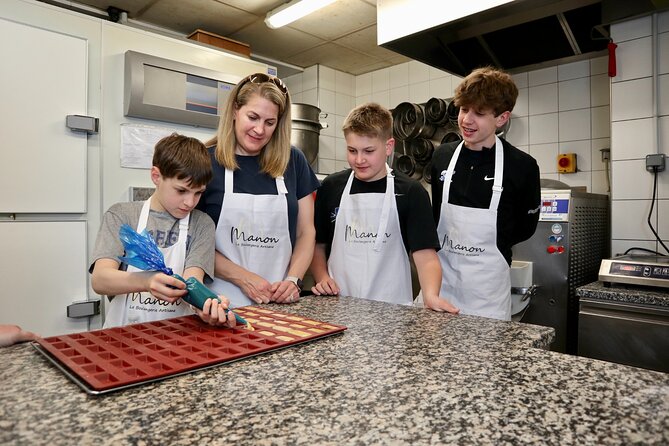
- Max 8 guests, so you’re not stuck watching from the back
- Hands-on baguette and croissant dough work, including shaping techniques
- Dough science you can taste, flours, yeast vs sourdough, and how it changes results
- Lamination practice for croissant dough, the skill that creates the flaky layers
- Tastings tied to technique, so you learn by doing and comparing
- You leave with plenty of baked goods, commonly baguettes, croissants, and financiers
Entering a Paris Bakery Workflow, Not a Demo Room
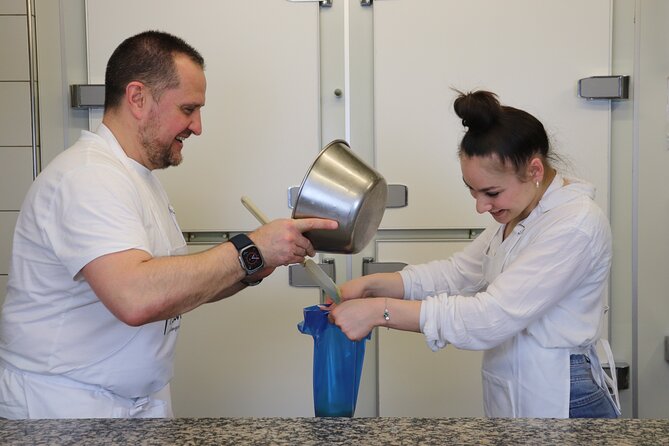
This experience is designed for people who want the real rhythm of a French bakery. The meeting point is at 25 Rue de Bretagne, 75003, and the activity ends back there. Once you arrive, you’re taken into the working space where dough, trays, and baking heat are part of the daily flow.
What makes it special is that you’re learning as part of the production world. Many baking classes in Paris feel like you’re learning in spite of the bakery. Here, you’re learning alongside it, which helps you understand why certain moves matter. That includes how dough feels, how shaping affects crumb and crust, and why fermentation and temperature are not “background info.”
One of the clearest strengths is the teaching style you’ll likely notice quickly. Guides such as Yeju and Valentina are repeatedly praised for keeping things moving, including everyone, and explaining what you’re doing in plain language. Even when you are a confident home baker, the session can still click because it focuses on technique you may not practice often, like croissant lamination and baguette shaping.
A practical note: it can get warm near ovens, and flour ends up where flour always goes. You should expect a working environment, not a sterile kitchen. If you’re picky about mess, wear comfortable clothes you don’t mind getting a bit dusty.
More Ile de la Cite walks:
- Paris Île de la Cité and Notre-Dame Walking Tour With Crypt
★ 5.0 · 2,272 reviews - Paris: Notre-Dame Cathedral Exterior Tour
★ 3.9 · 1,722 reviews - Paris: The Notre Dame Experience with Multiple Tour Options
★ 4.7 · 1,612 reviews
Getting to the 2nd Floor and Why Stairs Matter
The tour is near public transportation, which makes it easier to slot into a Paris day. That said, there’s a big logistics detail you should not ignore: it’s 15 steps to reach the bakery on the 2nd floor with no elevator.
The experience also requires you to be able to stand for an extended period of time. For most people, this is manageable. For anyone with mobility challenges, it can be a deal breaker. If you have knee or back issues, I’d plan a quieter morning elsewhere in Paris, or ask whoever booked it if they can accommodate your needs.
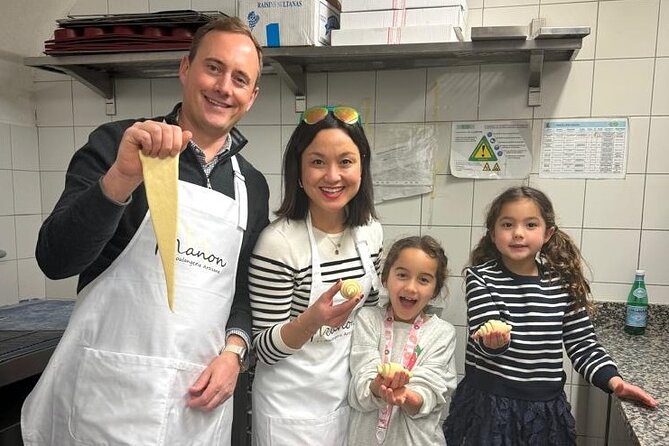
Kids are welcome with an adult, but kids under 5 join for free and cannot participate in hands-on baking for safety reasons. If you’re traveling with younger kids, this can still work as a “see how it’s done” experience, but they should expect more watching than hands-on for the youngest group.
The 2-Hour Structure: From Intro to Baking to Taking It Home
There isn’t a long museum-style route here. It’s a tight, practical block of time. In the roughly 2 hours, you typically move through three phases: learning, practicing, and tasting.
First, you get an orientation from your expert guide. You’ll likely cover core differences in the ingredients and dough types you’ll work with, like bread flours and what roles yeast and sourdough play. Multiple guides are praised for making this approachable, including for kids.
Next comes the hands-on part. You’ll work on bread and croissant dough, and you’ll practice shaping moves that matter for baguettes, not just random “make a loaf” steps. Several reviews mention specific items you work with, including baguettes and croissants, plus sweet or cake items like financiers or small almond cakes.
Then, as baking happens, you’ll get tastings along the way. This is where you connect technique to result. It’s not just, “Here’s food.” It’s, “Here’s what you made, and here’s why it tastes the way it does.”
Finally, you take home what you baked. Reviews repeatedly mention leaving with a lot of bread and pastries, so you’ll want to be ready for an extra bag or two, especially if you’re walking back to your hotel or lugging it on the metro.
What You’ll Learn About Dough: Flours, Yeast, and Sourdough
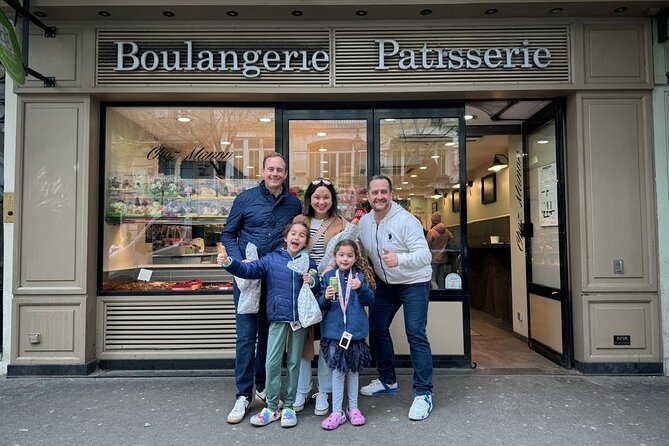
This is the “brain plus hands” part, and it’s why I think this tour is more than a feel-good food stop.
You’ll learn how different doughs behave and what that means for the end product. A big theme is understanding the difference between yeast and sourdough, and how bread flour matters for texture and taste. You may also hear how sourdough and fermentation affect flavor and structure, and why bread doesn’t behave the same way when you change the “starter logic” behind it.
Croissant dough brings its own rules. You’ll learn what lamination is trying to accomplish: thin layers, built through folding and rolling. Even if you’ve watched croissants on YouTube, this is the kind of technique that makes more sense once your hands do the motion and you can see how the layers form.
Reviews highlight that the instruction is grounded in recognizing dough types and dough behavior. That’s the useful takeaway for you at home too: you’re not memorizing recipes, you’re learning how to interpret dough.
And yes, there is plenty of flavor talk. When you taste along the way, you start to notice patterns, like how fermentation can change tang, how lamination affects flakiness, and how shaping affects crust color and crumb.
Other Paris bookings to consider
- Paris: 1-Hour Seine Cruise departing from the Eiffel Tower
★ 4.4 · 77,472 reviews - Disneyland® Paris 1-Day Ticket
★ 4.6 · 49,412 reviews - Paris: Versailles Palace and Gardens Full Access Ticket
★ 4.6 · 41,579 reviews - Paris: Arc de Triomphe Rooftop Tickets
★ 4.6 · 34,264 reviews
Baguette Shaping and Lamination: The Skills That Make It French
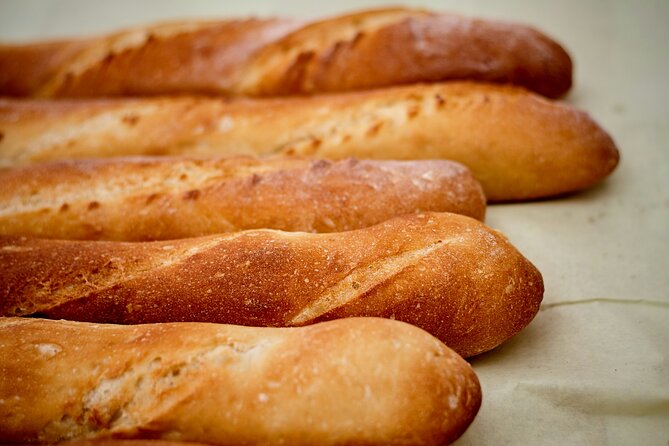
If you love the idea of French bread, baguettes are the obvious goal. But the tour goes beyond “shape a baguette.” You’ll learn baguette-shaping techniques and how to differentiate one baguette from another, which is code for: learn what bakers look at when they want a specific look and bite.
Baguette shaping matters because it affects the way dough stretches and seals, and how it bakes into crust. Small changes in tension and folding can show up in the final bread more than people expect. That’s why it’s so valuable to practice under guidance.
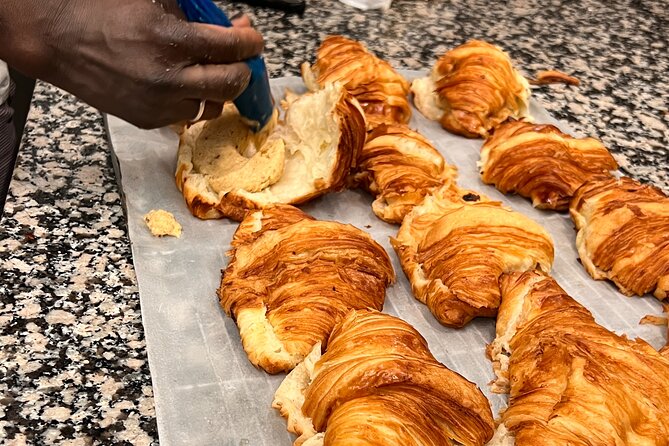
For croissants, the big star is lamination. Reviews mention learning how to laminate dough, which is the process of layering butter into dough for those crisp, flaky sheets you want. This is the part that often overwhelms people on their own. Here, you’re guided through the concept and then you practice so you can feel what “thin enough” and “even enough” mean.
One nice touch in the way guides teach is the attention to clean technique and repeated hand-washing. Several reviews specifically call out cleanliness and frequent hand washing during the session. That matters for food safety and comfort, and it keeps the lesson moving smoothly in a real bakery environment.
Savory and Sweet Bakes: Bread, Croissants, and Financiers
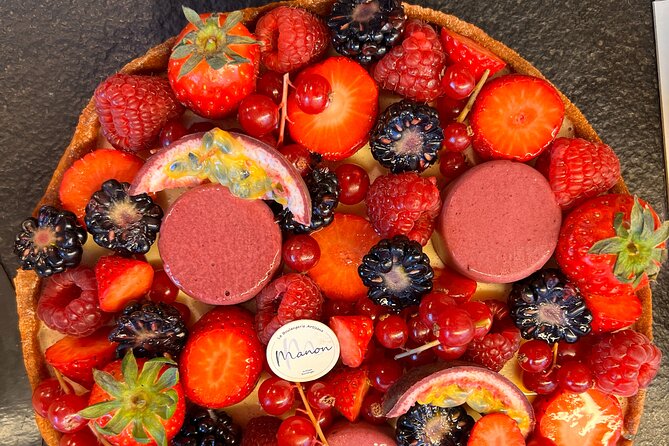
The “what did we make” list is one of the reasons this experience earns repeat recommendations.
At minimum, you’ll get hands-on with bread dough and croissant dough. Many groups also make a sweet bake that commonly includes financiers, described as a small almond cake often called a pocket loaf. Some classes also mention madeleines or other mini cakes, with batter work and baking in the bakery kitchen.
You’ll taste savory items and sweet items you make. This matters because it closes the loop. When you taste the result right after shaping and baking, you connect action to outcome while the process is still fresh in your mind.
Another practical detail: you’re not just eating samples at the end. Tastings happen as part of the flow, which helps you stay engaged during the parts that take time, like dough resting or baking while the group practices the next step.
If you are a beginner, this balance is great. You get enough variety to feel the tour’s value, but not so many steps that it turns into confusion. If you’re an intermediate baker, you may still learn a few technique adjustments, especially with croissant lamination and how guides talk about dough handling.
Guides and Group Size: Why You Don’t Get Lost
This tour caps at 8 travelers, and that limit shows in the teaching. In a small room, you’re more likely to get individualized feedback, and it’s easier for the guide to keep the pace aligned with everyone.
Names that stand out from the guides include Yeju, Valentina, David, Clara, Paula, Martin, and Pierre. The common thread in positive feedback is interactivity: guides keep it friendly, keep the group on track, and make sure everyone has a chance to try the key steps.
That inclusion is especially important if you’re traveling solo. One solo traveler noted feeling included and never left out. For families, guides are also praised for working well with kids, including a 10-year-old and multiple families with children around school age. With kids, the best sessions are the ones where the guide turns technique into something they can do, not just watch.
One caution from the less positive side: a small number of reviews mention issues with expectations or, in one case, discomfort related to how an instructor was treated in the bakery setting. I can’t predict your experience, but it’s smart to know that a working bakery can be a busy, sometimes sharp environment.
If you care most about a smooth, teacher-led classroom vibe, this tour may feel more practical and real than you expect. If you care most about learning by doing inside a boulangerie, you’ll probably love it.
Value for the Price: Why $108.89 Can Make Sense
At $108.89 per person for about 2 hours, you’re paying for four things: an expert guide, small-group attention, hands-on baking time, and the ingredients and tools of a real bakery kitchen. You also get snacks, and you tend to leave with what you baked.
In other words, you’re not paying just for a meal. You’re paying for technique coaching you can take home. That’s the difference between eating a pastry and learning why it works.
The best value angle here is time and quantity. Multiple reviews mention you leave with a lot of bread and baked goods, which effectively stretches the cost. You’re also not stuck with a single item. You’ll typically handle both bread and croissant dough and work on sweet bakes like financiers.
However, if your expectation is a full baking class where you create everything from scratch with recipes and precise measurements, this might not match what you want. Some reviews describe that parts of the prep may be pre-made, with your hands focused on shaping and lamination. That doesn’t mean it’s low value, but it does mean you should calibrate your expectations.
Comfort, Cleanliness, and Real Bakery Reality
Most reviews describe the bakery space as clean and well kept, with an emphasis on hygiene and washing hands often. That’s a good sign and it matters when you’re touching dough and working near ovens.
At the same time, since this is a working bakery, you may expect flour on the floor and warmth near ovens. One negative review mentions hygiene concerns in a particular location or visit, like messy surfaces or staff practices. I can’t generalize that to every session, but it’s a reason to show up ready to accept “working bakery” conditions, not a kitchen designed for quiet photography.
Dress smart. Wear shoes that grip and handle flour dust. Bring layers if you run cold, because bakery ovens can swing temperatures.
Who This Experience Fits Best (And Who Might Skip It)
This is a great match if you want:
- Hands-on French baking with expert coaching
- A chance to learn about sourdough vs yeast and how dough changes with ingredients
- A practical skill set, baguette shaping and croissant lamination
- An activity that works for a short trip, about 2 hours, without needing a full day
It may be less ideal if:
- You need an elevator or cannot stand for extended periods, because there are 15 steps and no elevator
- You want a long, step-by-step classroom lesson with lots of measuring and pure from-scratch baking
- You dislike any “working kitchen” mess, like flour on the floor or heat near the ovens
Families often do well here, especially when kids like rolling dough and getting involved. Just remember that kids under 5 can join but cannot participate in hands-on baking.
Should You Book This Paris Baking Insider Experience?
If you’re choosing between a casual pastry stop and a skill-focused activity, I’d lean toward booking this. The reason is simple: you get real technique practice and a chance to taste what your hands create. The small group size helps, and the mix of bread, croissant dough, and sweet items like financiers makes it satisfying for both adults and kids.
Book it if you want to leave Paris knowing more than just how a baguette tastes. You’ll learn how dough behaves, why shaping matters, and how lamination builds croissant layers.
I’d hesitate if stairs and standing are a problem for you, or if you want a classroom-style course built around exact recipes and heavy prep from scratch. For the right fit, though, this is one of those experiences where the best souvenir is what you can do next time you bake at home.
FAQ
Where is the meeting point for the experience?
The experience starts at 25 Rue de Bretagne, 75003 Paris, France, and it ends back at the meeting point.
How long does the experience last?
The duration is about 2 hours.
Is this experience offered in English?
Yes, it’s offered in English.
What is the group size?
The activity has a maximum of 8 travelers.
Is the tour accessible for people who have trouble with stairs?
This tour requires you to stand for an extended period of time, and you must climb 15 steps to reach the bakery on the 2nd floor with no elevator.
Are service animals allowed?
Yes, service animals are allowed.
Can children join?
Children are allowed but must be accompanied by an adult. Kids under age 5 can join free of charge, but they cannot participate in the hands-on baking due to safety concerns.
What is the cancellation policy?
You can cancel for free up to 24 hours in advance for a full refund. If you cancel less than 24 hours before the start time, the amount paid is not refunded.
Newly listed around Paris
- Paris Orsay Museum and Rodin Museum Daily Combo Ticket★ 4.0 · 32 reviews
- Paris Orsay Museum with Optional Seine River Cruise Tickets★ 4.0 · 65 reviews
- Paris Pastry Tour – Croissants, Macarons & Iconic French Desserts★ 5.0 · 232 reviews
- Paris Occult and the History of the Dark Arts Private Tour★ 5.0 · 17 reviews
- Île de la Cité Guided Tour & assistance Notre Dame entrance★ 5.0 · 22 reviews
- Paris Orsay Museum Entry Ticket with Digital Audio Guide★ 3.5 · 93 reviews
- Notre Dame de Paris: Semi Private or Private Guided Tour Guide★ 5.0 · 30 reviews
- Paris Opera Garnier Private Tour★ 5.0 · 42 reviews
Notre Dame & Ile de la Cite Walks, compared.

Paris Île de la Cité and Notre-Dame Walking Tour With Crypt
Read our review →
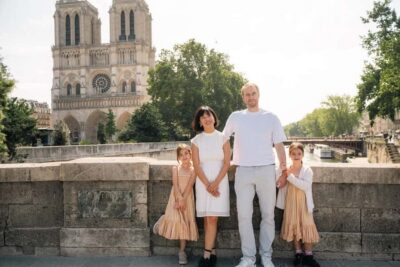
The Notre Dame Experience with Multiple Tour Options
Read our review →
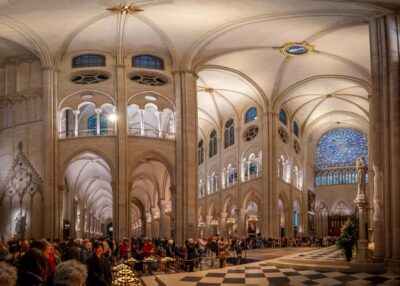
Notre-Dame Cathedral Interior and Exterior Guided Tour
Read our review →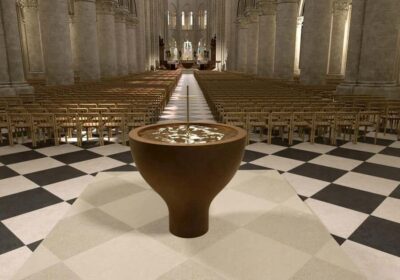
Notre-Dame Guided Tour with Multiple Entry Options
Read our review →
Guided Tour of Cathedral of Notre Dame de Reims
Read our review →
Paris Highlights Bike Tour: Eiffel Tower, Louvre and Notre-Dame
Read our review →Browse the lists this tour appears in