Reviewed · PARIS TOURS & ACTIVITIES
Paris: Baking Insider Experience
Bread has a Paris accent. In this small-group insider class, you get hands-on guidance from a French baker inside a real bakery, with instructors praised for clear step-by-step coaching like Priya, Salome, David, and Pierre.
I also love the way the lesson connects technique to flavor. You’ll shape dough, learn lamination basics for croissants, and taste your way through sweet and savory French favorites, so what you make actually makes sense.
One thing to plan for: this isn’t a sit-down workshop. Expect to stand for an extended period, plus it’s up 15 steps to the bakery with no elevator, so it’s not a great fit if stairs are tough for you.
In This Review
- Key takeaways before you book
- A working Paris boulangerie kitchen, not a classroom
- What you make: baguettes, croissant dough, and sweet bites
- The baking skills that actually help you at home
- Tastings that teach you how to read flavor
- Small-group advantage: why max 8 matters
- Price and value: is $106 per person fair?
- Logistics that affect comfort: stairs, standing, and timing
- Should you book the Paris Baking Insider Experience?
Key takeaways before you book
- Max 8 people means you get personal attention, not a crowded demo
- Working bakery, real rhythm helps you understand how a boulangerie actually runs
- Bread and croissant dough techniques cover flours, yeast vs sourdough, lamination, and shaping
- Tastings along the way help you link ingredients to results
- You leave with what you baked, and some items may be timed so croissants might not always be take-home
- English live guide makes the whole process easier to follow and repeat later
A working Paris boulangerie kitchen, not a classroom
Paris baking lessons can feel a bit staged. This one is different because you’re learning in a real working bakery, where ovens, prep stations, and the pace of a storefront are part of the lesson. That matters, because bread is timing. You feel it when dough is ready, when it needs shaping, and when the schedule is about real-life production, not a studio set.
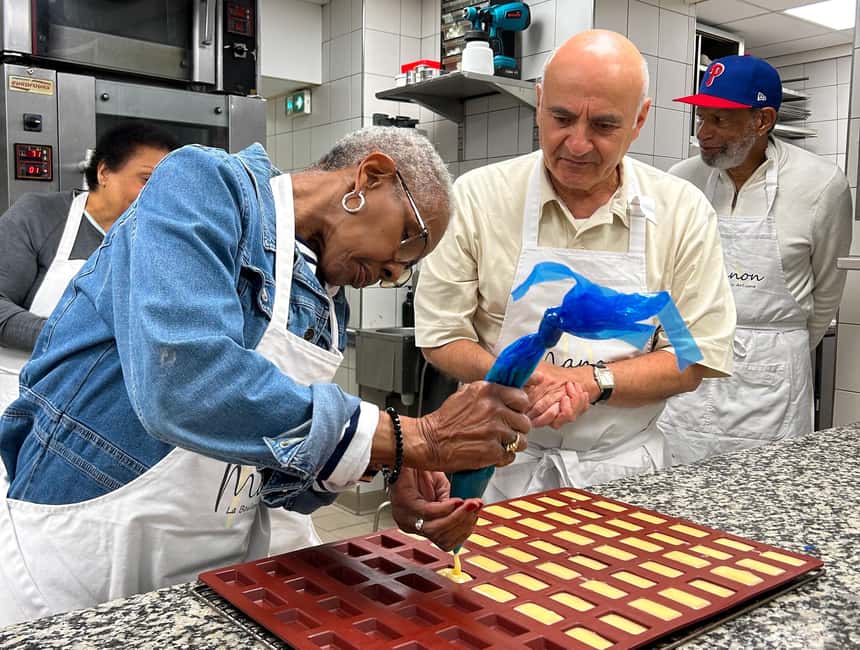
You also get the kind of instructor interaction that only happens in a small group. Several guides named in participant reports stood out for patience and the ability to slow down when someone needed extra help. Priya and Salome, for example, are mentioned for being kind, helpful, and very clear, while David and Martin get credit for mixing practical baking instruction with stories about how French bakeries think.
There’s another practical plus: because the environment is authentic, you learn the flow of a bakery. It’s not just flour on your hands. You’re seeing how a working team moves through tasks, which gives you better context when you try anything at home.
Other Paris bookings to consider
- Paris: 1-Hour Seine Cruise departing from the Eiffel Tower
★ 4.4 · 77,472 reviews - Disneyland® Paris 1-Day Ticket
★ 4.6 · 49,412 reviews - Paris: Versailles Palace and Gardens Full Access Ticket
★ 4.6 · 41,579 reviews
What you make: baguettes, croissant dough, and sweet bites
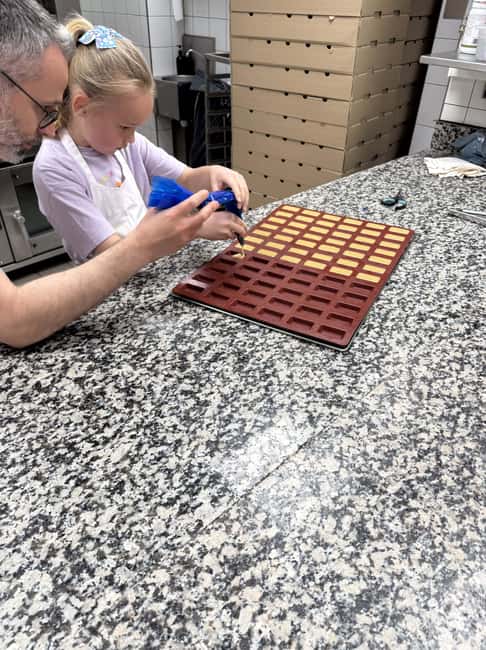
The core of the experience is hands-on bread-making and French pastry craft. Across sessions, you’re taught the skills behind classic results you’d normally just buy in Paris. The highlights explicitly include bread-making, croissant dough prep, and learning how to differentiate one baguette from another, based on the dough and technique.
In plain terms, expect a mix of:
- Breads and shaped dough (baguette-style shaping is specifically called out)
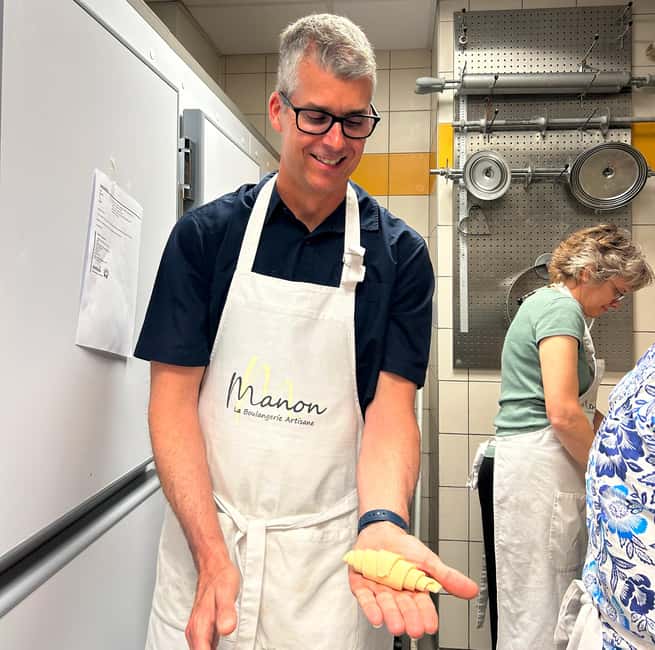
- Croissant-dough work, including lamination techniques
- Sweet and savory tastings as you go
Many sessions also include small French pastries. Financiers, for instance, come up repeatedly in participant experiences as something you may roll or prepare, and that matches the overall promise of tasting a variety of sweet flavors, not just bread.
Croissants are the part of the process that can be most time-sensitive. In some sessions, participants reported rolling croissants but not having enough time to fully complete them for take-home. Translation for your planning: if take-home croissants are your top goal, choose your schedule thoughtfully and ask your organizer what your specific session can realistically finish within the 2 hours.
The baking skills that actually help you at home
This class is built around core techniques you can reuse. Instead of memorizing recipes only, you’re shown what bakers mean by the ingredients and the handling.
Here are the specific skill themes you should expect:
- Bread flours: you learn that different flours behave differently, and that matters for dough feel and final texture
- Yeast versus sourdough: the lesson distinguishes the starter approach from yeast-based leavening
- Lamination basics: you’ll learn how to work laminated dough, which is key for croissants
- Baguette-shaping techniques: shaping is taught as a real craft, not just folding dough into a long shape
This is valuable because beginners often assume baking is mostly about following steps. French baking is more about understanding cause and effect. When you learn why a dough is handled a certain way, you’re more likely to troubleshoot at home instead of starting over every time.
You’ll also hear stories and histories behind iconic French treats. That sounds like fluff until you realize it changes how you pay attention. For example, baguette identity is not just “bread.” It’s crust, crumb, and the baker’s decisions. Learning the context helps you taste with your brain, not just your mouth.
Tastings that teach you how to read flavor
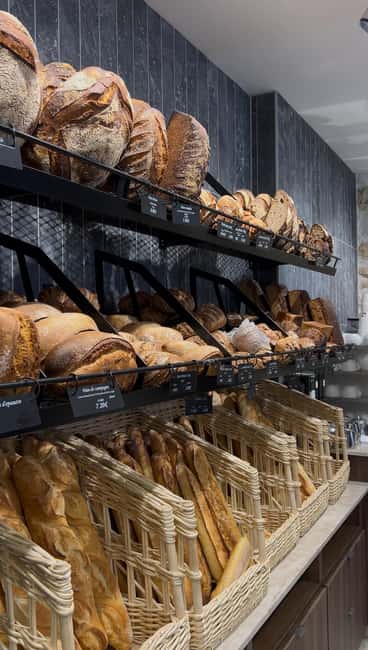
The tastings are not just a bonus snack. They’re part of the training. As you craft dough and pastries, you can compare what you’re learning to what you taste. That closes the loop between technique and result.
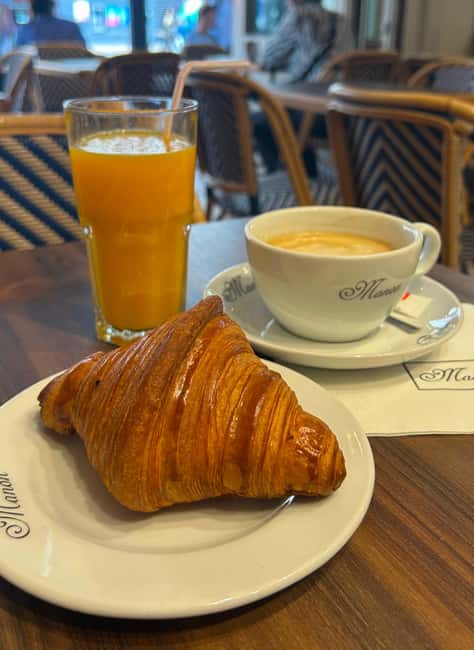
Participants repeatedly mention warm, delicious tastings and coffee or drinks during the class. Some sessions include starting with snacks and coffee, then continuing with tastings throughout the work. Either way, your schedule is structured so you’re not just baking in isolation.
If you like food learning that goes beyond theory, this is one of the strongest reasons to book. You’re not only getting your hands dirty. You’re also learning how French bakers think about flavor, and how small ingredient and process choices show up on the plate.
Within easy reach:
- Paris: Arc de Triomphe Rooftop Tickets
★ 4.6 · 34,264 reviews - Paris: Orsay Museum Entry Ticket
★ 4.7 · 25,647 reviews - Paris: Evening River Cruise with Music
★ 4.4 · 22,721 reviews - Paris: Eiffel Tower Entry Ticket with Optional Summit Access
★ 4.4 · 20,035 reviews
Small-group advantage: why max 8 matters
Max 8 is not a random number. It changes the whole class experience. In practice, it means you can get corrections. When your shaping is off, a baker can show you how to fix it. When dough feels too stiff or too slack, an instructor can help you adjust handling.
You’ll also notice a more personal teaching style. Several reports highlight guides who took extra time with individuals, including situations where a session had very few participants. One person described having a more one-on-one feel with their instructor, which is exactly what you want if you’re serious about returning home and trying again.
There’s also a cultural element. Some instructors are described as explaining how to not disrupt a working bakery and how to behave respectfully around production. That might sound small, but it adds confidence. You’ll feel like you’re stepping into a craft workplace, not wandering through a set.
Price and value: is $106 per person fair?
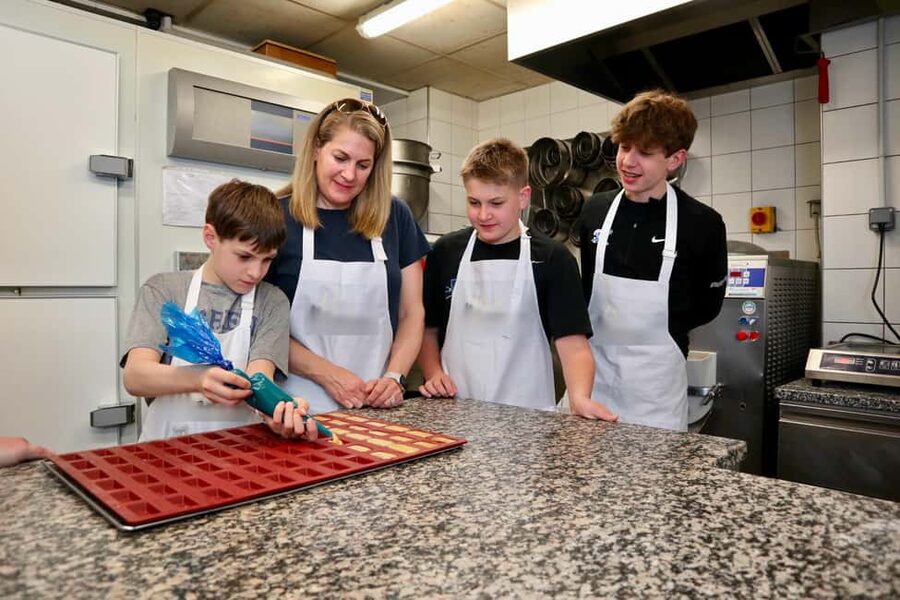
For 2 hours, $106 per person is a premium, but it’s the kind of premium that can make sense in Paris.
Here’s why the value can be strong:
- Expert guidance from a French baker, in English
- Small group size up to 8, which reduces waiting and increases feedback
- Hands-on baking, not just watching
- Snacks and tastings included
- You can often take home what you bake, based on multiple participant accounts
Bread and pastries aren’t cheap in Paris, and the cost of ingredients and packaging adds up too. But the real value is what you gain: technique and confidence. If you’ve ever bought a croissant, then panicked when you tried to replicate it, this type of training is a shortcut to better results.
The main reason the price might feel high is time. At 2 hours, the class has to balance learning with production pace. Some items, like croissants, may not always be finished for take-home depending on your session timing.
My advice: treat this as a skill lesson first, and an eating experience second. The eating is great, but the best money is spent when you walk away with repeatable technique.
Logistics that affect comfort: stairs, standing, and timing
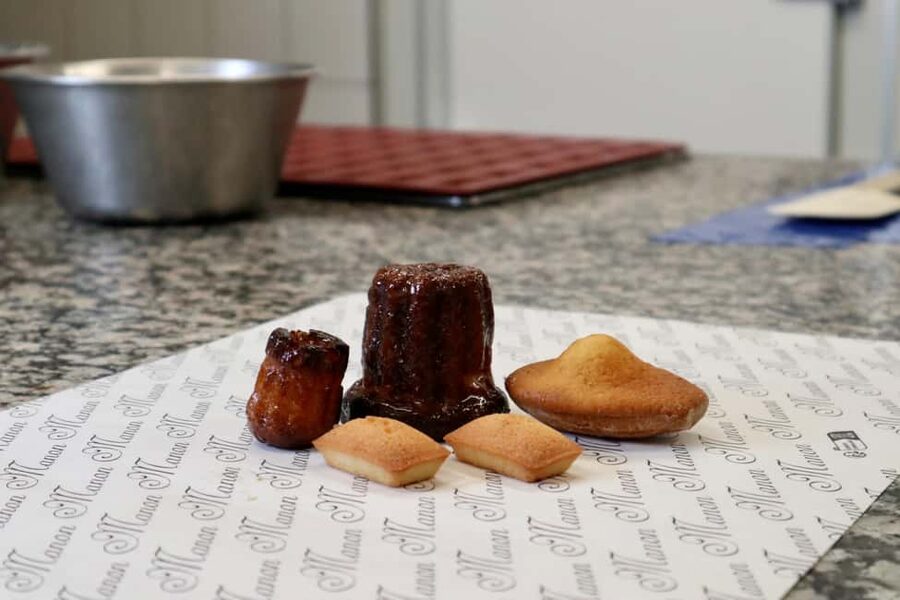
This is worth reading before you book because it’s not a gentle, sitting-only activity.
- You need to be able to stand for an extended period.
- There’s a 15-step walk to the bakery on the second floor, with no elevator.
That combination matters for anyone with mobility issues, even if they can walk short distances. It also explains why the experience is listed as not suitable for wheelchair users.
Children are allowed, but safety comes first. Kids under 5 can join free of charge, but they can’t participate in the hands-on baking part. So if you’re bringing young kids, plan for supervision and consider whether the child can enjoy the observation side while adults handle the dough.
Also, the meeting point may vary depending on the option you book. That’s normal for small businesses, but it’s another reason to arrive a bit early and confirm your exact starting location the day before.
Should you book the Paris Baking Insider Experience?
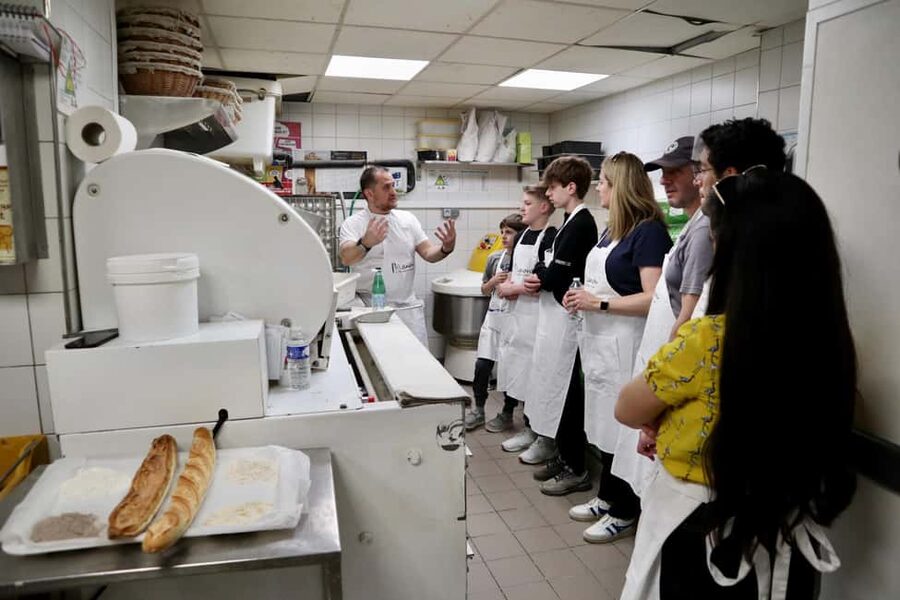
Book it if you want:
- Hands-on bread and pastry skills in a real Paris bakery
- A small-group class where an instructor can correct your shaping and dough handling
- A mix of technique and tastings, so you learn faster
- A fun activity that works for both beginners and experienced cooks, especially if you’re open to learning flour and dough-handling differences
Skip or think twice if:
- Stairs are a major problem for you (no elevator, 15 steps, and standing required)
- You want a long, leisurely class where every item is guaranteed to be fully finished for take-home, especially croissants
- You’re looking for a purely theoretical history talk, not active baking
If you’re on the fence, here’s my practical suggestion. Choose the session date that fits your energy for standing, and be realistic about timelines for laminated items. Then go in hungry and ready to learn. In my view, this is the kind of Paris experience where you leave with more than photos, you leave with muscle memory and a dough-based understanding you can actually use.
Newly listed around Paris
- The voice of Montmartre is a must-see in Paris★ 3.8 · 19 reviews
- Top Private Cruises in Paris with Champagne + more surprises★ 5.0 · 309 reviews
- The Official Emily in Paris Montmartre Walking Tour★ 4.7 · 40 reviews
- The Paris Pass® Plus: 90+ Attractions including The Louvre★ 3.4 · 386 reviews
- The Official Emily in Paris Locations Walking Tour★ 4.9 · 383 reviews
- The Official Emily in Paris Macaron-Making Workshop★ 4.9 · 68 reviews
- The Official Emily in Paris Wine & Cheese with Butter Making★ 4.9 · 20 reviews
- The Official Emily in Paris Croissant-Making Workshop★ 4.9 · 85 reviews
Paris Tours & Activities, compared.

1-Hour Seine Cruise departing from the Eiffel Tower
Read our review →

Versailles Palace and Gardens Full Access Ticket
Read our review →



Eiffel Tower Entry Ticket with Optional Summit Access
Read our review →