Reviewed · PARIS TOURS & ACTIVITIES
Paris: French Revolution Tour Relive the 14th July 1789
Relive 14 July 1789 in streets you can walk. This ParisVu tour strings the day together hour by hour, using the neighborhood itself as a time machine, with Robin as your guide and small-group conversation that keeps the story lively.
I especially like the focus on the Faubourg Saint Antoine area, not just the famous postcard stops. You also get built-in attention to the details, from the everyday streets that helped fuel the uprising to stops such as La Folie Titon, the passage de Lhomme, and the final draw at Place de la Bastille. One drawback to plan for: the tour centers on 1789, so if you want the story all the way through later phases like the Reign of Terror or Napoleon, you may need to add another experience or accept that the main walk ends before those chapters.
In This Review
- Key things I’d pencil in right away
- Why the Faubourg Saint Antoine route makes July 14 make sense
- Meeting points, walking pace, and what 90 minutes really feels like
- Robin the historian, and why the tour feels interactive
- The hour-by-hour structure: from the build-up to the storming of the Bastille
- Faubourg Saint Antoine: the neighborhood that explains the people behind the crowds
- La Folie Titon and the passage de Lhomme: small stops, big perspective
- Place de la Bastille: your ending point and why it lands emotionally
- What this tour adds beyond the typical Paris highlights
- Price and value: is $37 for 90 minutes worth it?
- Who should book this, and who should skip it
- Should you book ParisVu’s French Revolution Tour?
- FAQ
- How long is the French Revolution tour?
- Where do I start and where does it end?
- How big is the group?
- How much does it cost?
- What languages are available?
- Is the tour included in the price, or are there add-on fees?
- Can I get a refund if my plans change?
Key things I’d pencil in right away
- Small-group feel where questions come up naturally, not at the end
- Storytelling by Robin that makes the social conditions and street scenes click
- Faubourg Saint Antoine focus so July 14 feels connected to daily life
- Stops that most visitors miss, like La Folie Titon and the passage de Lhomme
- Place de la Bastille finish that gives you a satisfying, emotional landing point
Why the Faubourg Saint Antoine route makes July 14 make sense
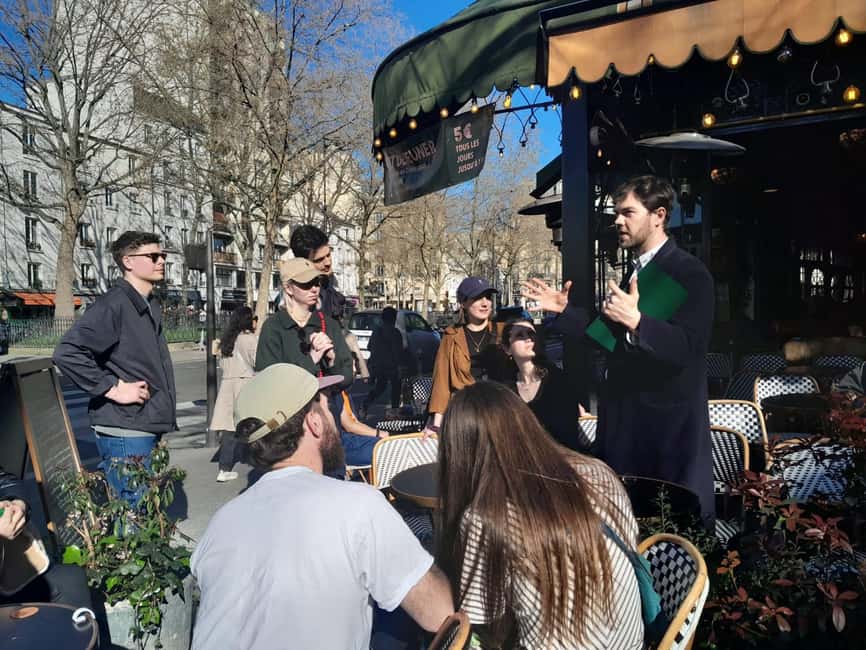
If your mental picture of the French Revolution is mostly portraits, speeches, and big formal events, this tour nudges you back to where it started: work, hunger, housing pressure, and anger in real streets. The route keeps pointing you toward the social roots of the uprising, not only the dramatic moments.
The Faubourg Saint Antoine side of Paris is key here. It helps you understand why the revolution caught fire with momentum that was not accidental. You get the sense that the day on 14 July 1789 was the visible burst, while the conditions behind it had been gathering for a while.
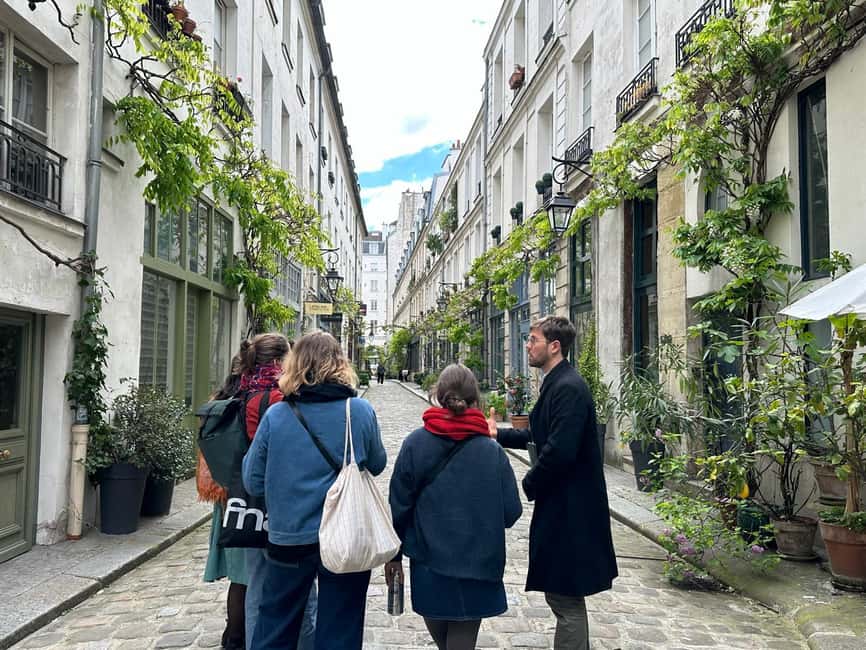
And it is not a museum-style narration from behind a rope. The guide ties the story to what you can still see in the urban fabric, including how neighborhoods are shaped and why certain places matter. That is where the tour earns its popularity, including the repeated praise about how Robin makes the past legible through small details.
Other Paris bookings to consider
- Paris: 1-Hour Seine Cruise departing from the Eiffel Tower
★ 4.4 · 77,472 reviews - Disneyland® Paris 1-Day Ticket
★ 4.6 · 49,412 reviews - Paris: Versailles Palace and Gardens Full Access Ticket
★ 4.6 · 41,579 reviews
Meeting points, walking pace, and what 90 minutes really feels like
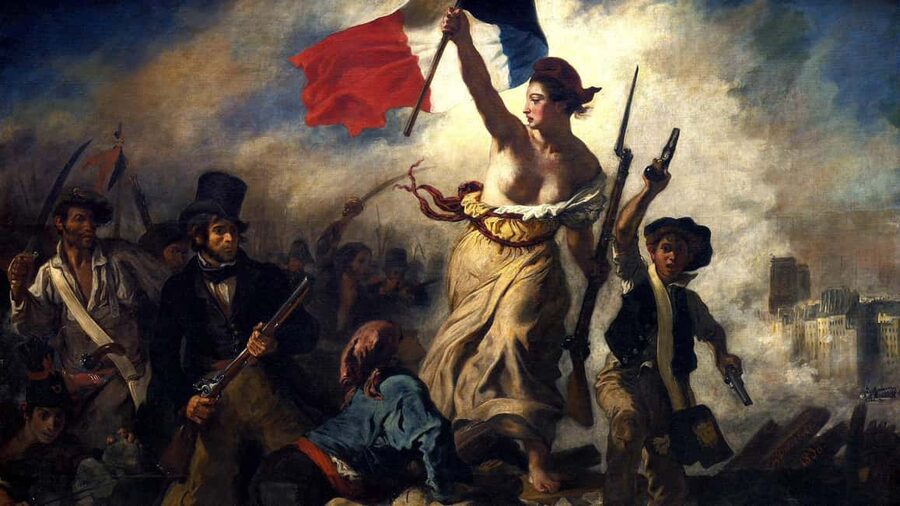
This is a walk, not a ride. You meet between Café les Blouses Blanches and Mon Café, then the tour starts at 1 Pl. du Dr Antoine Béclère and ends at 28 Pl. de la Bastille. Plan on 90 minutes total, split across guided stops and short stretches of walking.
The good news is the time is long enough for a real story arc and short enough that it does not drag. The reviews line up with that exact feeling: people come away with context they can use while sightseeing the rest of the trip. The walking pace is built for conversation, especially because group size stays small, capped around 12 to 15 in the description and also described as limited to 10 for a small-group experience.
Practical tip: wear comfortable shoes. You will be looking down at street-level clues and up at landmarks, so you want stable footing. Also bring a little patience for getting oriented, because you are moving through neighborhoods where the history is less obvious than at the headline sites.
Robin the historian, and why the tour feels interactive
Most walking tours can sound like a lecture with frequent photo stops. This one tries to keep the energy two-way. The format is designed for dialogue, and the group stays small enough that you are not just a background listener.
Robin is repeatedly singled out in the reviews for storytelling that is clear and engaging, with a professor-like command of the material. People also mention humor, and the fact that he encourages questions so you are not left to guess about the why behind events. One review even calls out that the guide used pictures to help explain how the area looked in the 18th century, which is a big deal because it bridges the gap between present-day Paris and the Paris in 1789.
In other words, you are not only learning facts. You are building a mental map. That is why the tour comes recommended even by people who already live near the Bastille or work around Saint Antoine, because the guide can still connect dots they may not have understood in the first place.
The hour-by-hour structure: from the build-up to the storming of the Bastille
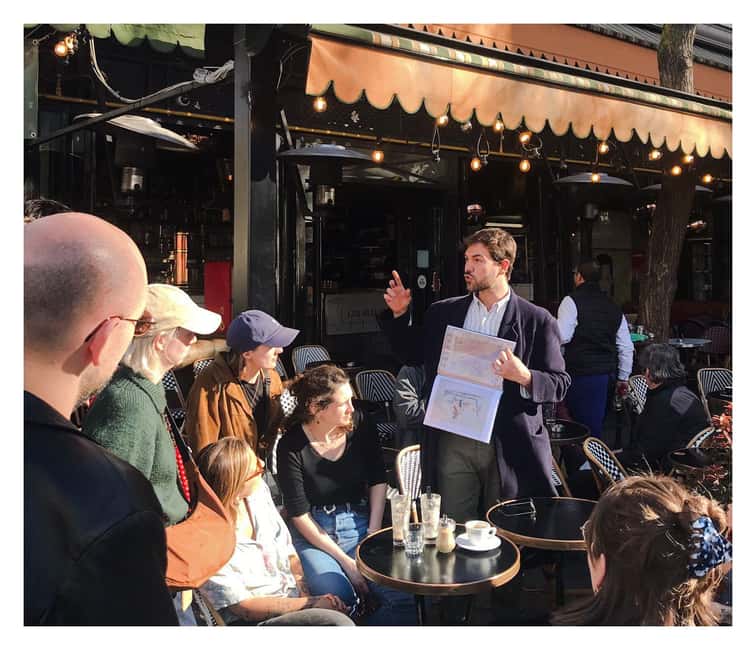
The promise here is simple: relive 14 July 1789 hour by hour. You start with the context that makes the day intelligible, then you move toward the flashpoint, culminating at the Place de la Bastille finish.
You will get the lead-up, including what was happening socially and politically before the crowd action. Reviews highlight how the guide explains the working-class conditions and the pressures that pushed people toward revolt. That matters because the storming of the Bastille is easier to understand when you know what people were reacting to, not only what the crowd did.
Then you reach the Bastille area. Ending there is smart because it anchors the emotional and symbolic climax of the day. Even if you know the headline event already, the tour makes you see how the day escalated, what the neighborhoods contributed, and why the Bastille became such a powerful target.
One note to keep your expectations tight: the tour is focused on the revolution story of 1789. Some reviewers wanted it to go beyond that timeline, including later fallout and Napoleon-era outcomes. If you love chronological coverage, consider pairing this with another tour that extends the storyline after 1789.
Within easy reach:
- Paris: Arc de Triomphe Rooftop Tickets
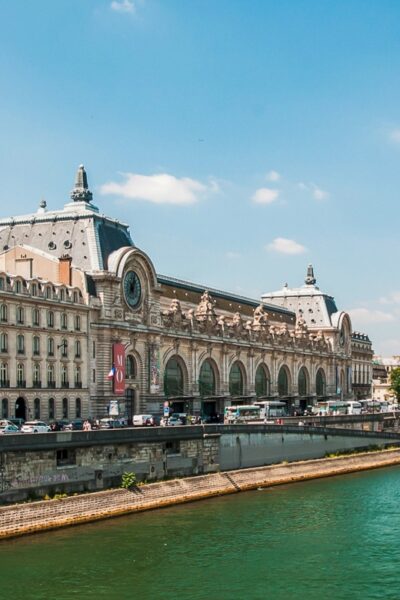
★ 4.6 · 34,264 reviews - Paris: Orsay Museum Entry Ticket
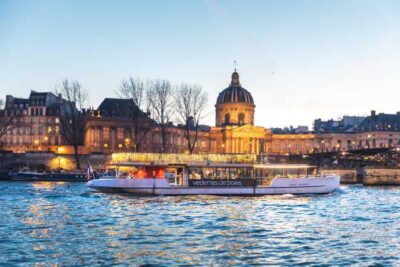
★ 4.7 · 25,647 reviews - Paris: Evening River Cruise with Music
★ 4.4 · 22,721 reviews - Paris: Eiffel Tower Entry Ticket with Optional Summit Access
★ 4.4 · 20,035 reviews
Faubourg Saint Antoine: the neighborhood that explains the people behind the crowds
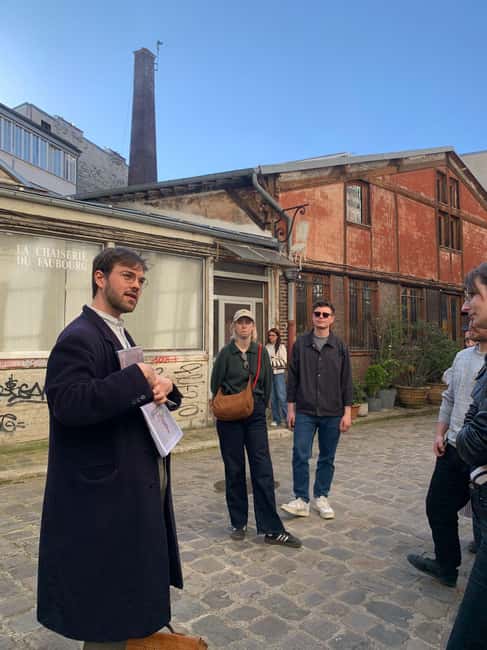
Le Faubourg Saint Antoine is not treated as scenery here. It is treated as evidence. You learn how ordinary streets and working areas shaped the way people gathered, shared information, and built collective momentum.
This part of the walk is where the tour shines for anyone who likes history tied to daily life. Reviews repeatedly mention that Robin points out details people would normally walk past, including architectural and street cues that help you picture what life looked like in the 18th century. That makes the neighborhood feel less like a set and more like a stage where the cast lived.
You also get a clearer sense of the social mix and why artisans and working communities mattered in the lead-up. One review calls out the focus on the origins in working-class neighborhoods in the 11th arrondissement, and that theme shows up across the route: the revolution is not just politics, it is survival and dignity.
If you are the type who likes to connect what you see on the street to what was going on behind the scenes in 1789, you will find this section especially rewarding.
La Folie Titon and the passage de Lhomme: small stops, big perspective
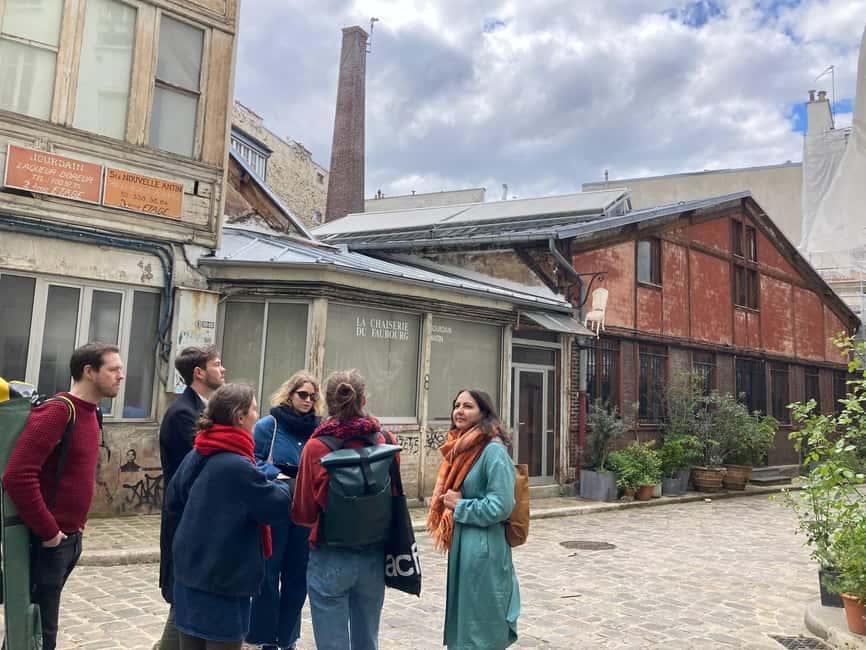
The tour includes lesser-known locations that most first-time visitors will not seek out on their own. Two names you will hear during the walk are La Folie Titon and the passage de Lhomme.
Why do these kinds of stops matter? Because they help you understand that the revolution was not happening only at the famous monuments. It was brewing in the fabric of the city, in corridors people walked daily, in spaces shaped by earlier land use, and in how neighborhoods connected.
Also, these stops support the guide’s core method: he helps you read Paris. Instead of giving only a timeline, the tour gives you objects and spaces to anchor the story. The result is that when you later stroll on your own, you have prompts in your head, like where streets would have funneled crowds or why certain localities felt politically charged.
Even if you only take in one or two standout facts at each stop, the payoff is that you remember the route. That is exactly what the reviews emphasize: it stays memorable because it is tied to specific places, not just general narration.
Place de la Bastille: your ending point and why it lands emotionally
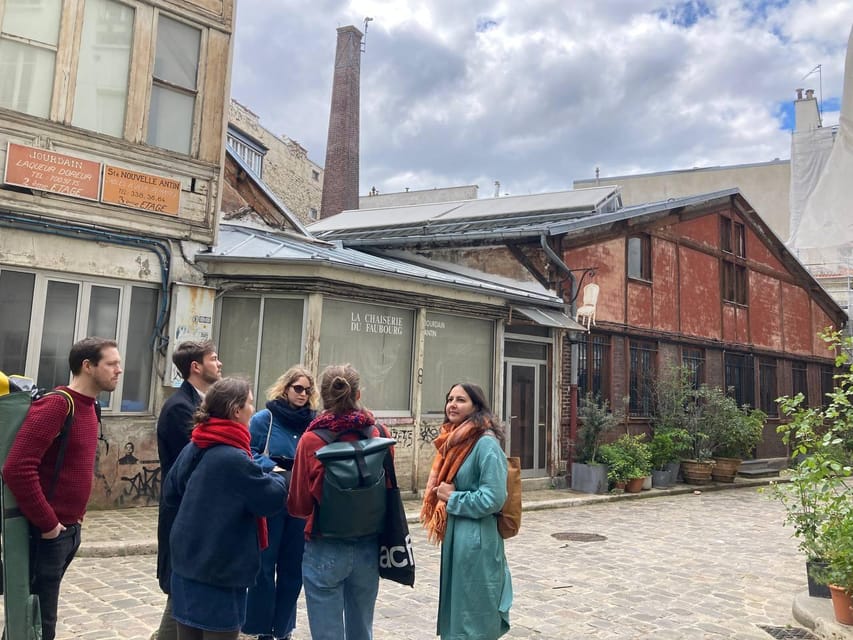
Finishing at Place de la Bastille is not only convenient. It is narratively satisfying. You end at a location that has become shorthand for the revolution’s most famous rupture, and doing that as a walking climax helps the story stick.
By the time you reach the square, you have been walking through the lead-up and the social conditions that made action possible. So when you arrive at the Bastille area, it feels less like sightseeing and more like a period of history catching up to you in the present.
This is also a practical gift. After you wrap, you can keep exploring immediately. You can look around with better questions, like what other nearby streets might have hosted movement and how the urban layout shaped crowd behavior.
If you only know the Bastille as a single landmark, this tour adds the missing layer: why so many different forces were converging on that point in 1789.
What this tour adds beyond the typical Paris highlights
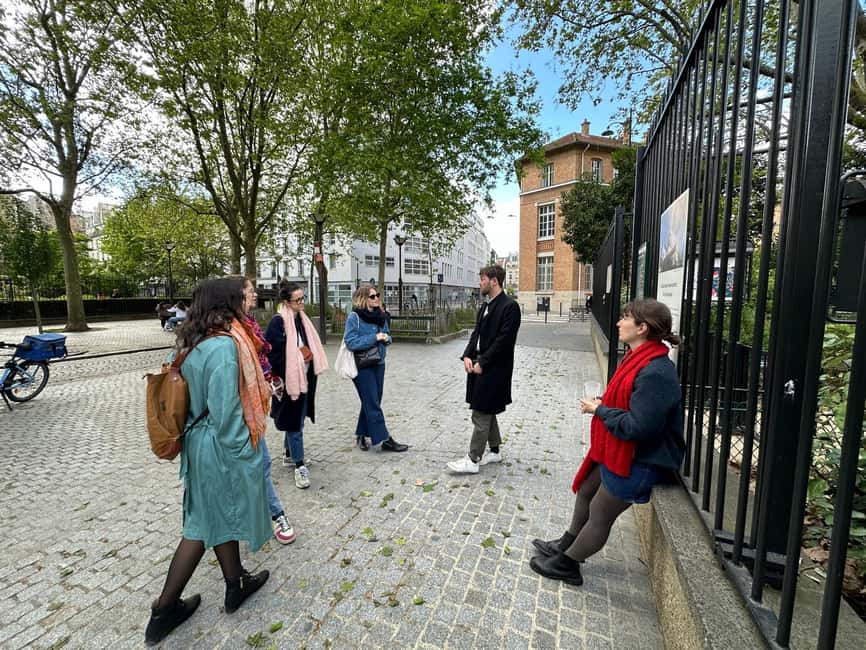
The biggest upgrade you get is context you can use while sightseeing the rest of the city. People often say this kind of tour helps with the rest of their trip, because suddenly Paris is not just pretty buildings and museum titles. It is a place with motives, pressures, and crowds layered under the sidewalk.
From the reviews, the most highly praised aspects are consistent:
Robin’s storytelling and entertainment value, plus his command of social context
The ability to spot details in the neighborhoods that you would otherwise miss
The small-group format that lets you ask questions and stay engaged
A route that is away from the biggest tourist crush compared with more famous centers
That last point matters more than it sounds. When you spend time in the Saint Antoine area, you are not just learning history, you are also seeing a working side of Paris that makes the revolution feel less like a distant artifact.
Price and value: is $37 for 90 minutes worth it?
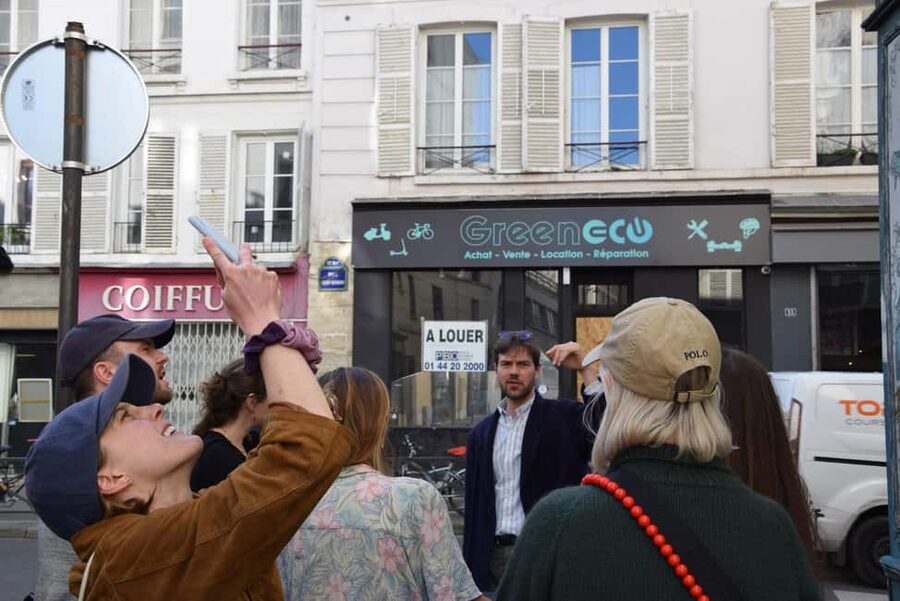
At $37 per person for about 90 minutes, the value depends on one simple question: do you want history connected to streets? If yes, this is a solid deal.
Here is why the math works. The tour includes a live guide, it stays small, and it has no additional fees listed. You are also paying for more than facts. You are paying for a guided narrative that turns ordinary city blocks into meaningful places, especially through detailed street-level explanations.
If you are comparing it to bigger, busier tours, the value tilts further in favor of this one because your attention is less diluted. A smaller group means more interaction, and multiple reviews specifically mention how the guide invites engagement rather than treating everyone as passive listeners.
If you only want a quick sweep of the most famous sights with minimal walking, then you might feel the price is too high for what you get. But if you want 14 July 1789 to come alive through neighborhoods, not just monuments, you will likely feel like you got your money back in understanding.
Who should book this, and who should skip it
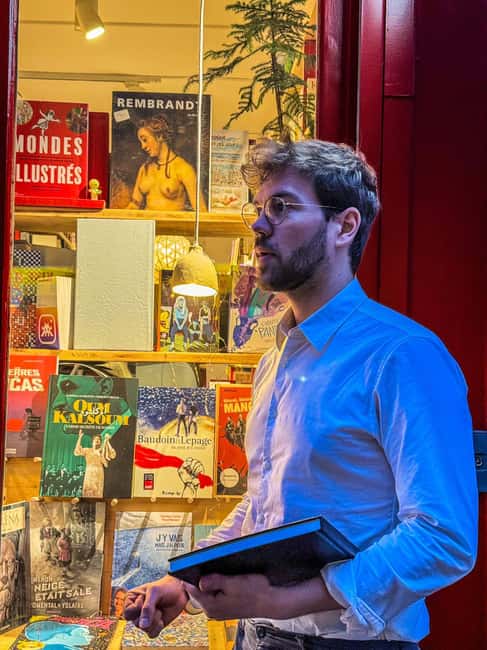
This tour is a good fit for:
History fans who like the social side of events, not only the royal names
People who want a different arrondissement experience, especially around Saint Antoine and the routes that lead you toward the Bastille
Anyone who prefers a walking format where you can ask questions and stay engaged
You might consider skipping or pairing it if:
You want a full Revolution-to-Napoleon timeline in one go. One review notes that the tour ends up staying focused on 1789, with no extra time for later chapters like the Reign of Terror
You are not comfortable walking for 90 minutes while watching street-level details and listening continuously
Should you book ParisVu’s French Revolution Tour?
Yes, if you want the French Revolution taught through Paris streets and you like a guide who can explain not just what happened, but why it happened. The repeated five-star feedback is not about fancy extras. It is about the guide’s ability to make the past understandable, plus the route that brings you away from the usual sightseeing loop.
Before you book, set one expectation clearly: this is centered on 14 July 1789 and the lead-up, ending at Place de la Bastille. If you want later events hammered in, you may need to plan another tour for the aftermath.
FAQ
How long is the French Revolution tour?
It runs about 90 minutes.
Where do I start and where does it end?
You start between Café les Blouses Blanches and Mon Café, and you finish at 28 Pl. de la Bastille.
How big is the group?
The group size is kept small, with a maximum of about 12-15 participants in the description, and it is also stated as limited to 10 participants.
How much does it cost?
The price listed is $37 per person.
What languages are available?
The live tour guide is available in English, French, and German.
Is the tour included in the price, or are there add-on fees?
There are no additional fees listed.
Can I get a refund if my plans change?
Free cancellation is available up to 24 hours in advance for a full refund.
Newly listed around Paris
- The voice of Montmartre is a must-see in Paris★ 3.8 · 19 reviews
- Top Private Cruises in Paris with Champagne + more surprises★ 5.0 · 309 reviews
- The Official Emily in Paris Montmartre Walking Tour★ 4.7 · 40 reviews
- The Paris Pass® Plus: 90+ Attractions including The Louvre★ 3.4 · 386 reviews
- The Official Emily in Paris Locations Walking Tour★ 4.9 · 383 reviews
- The Official Emily in Paris Macaron-Making Workshop★ 4.9 · 68 reviews
- The Official Emily in Paris Wine & Cheese with Butter Making★ 4.9 · 20 reviews
- The Official Emily in Paris Croissant-Making Workshop★ 4.9 · 85 reviews
Paris Tours & Activities, compared.
1-Hour Seine Cruise departing from the Eiffel Tower
Read our review →
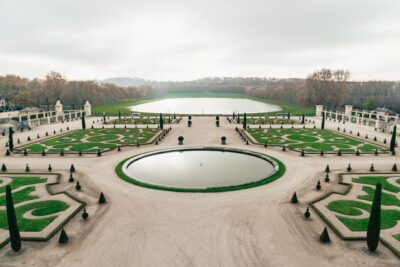
Versailles Palace and Gardens Full Access Ticket
Read our review →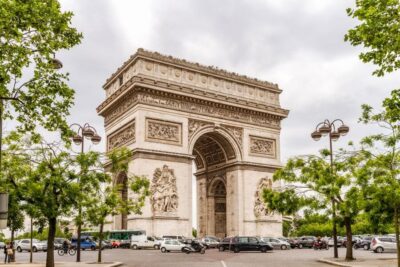

Eiffel Tower Entry Ticket with Optional Summit Access
Read our review →