Reviewed · TICKETS
Paris: Ménagerie Zoo of Jardin des Plantes Entrance Ticket
Old cages, new life. Paris lets you see wildlife care with deep roots. The Ménagerie Zoo sits inside Jardin des Plantes and has been operating since 1794, mixing animal education, conservation work, and early 19th-century architecture in one walkable patch of the city.
I love the chance to focus on newborn animals when the season lines up, because it turns a normal zoo visit into something you remember. I also like how the zoo highlights standout species like the Rothschild’s mynahs, plus other recognizable icons such as golden lion tamarins and Arabian oryx.
One consideration: winter can be a mixed experience. If you go in colder months, you may find fewer animals active and some areas feel quieter than the spring hype you hear about.
In This Review
- Key things to know before you go
- Ménagerie Zoo at Jardin des Plantes: a 1794-style time machine
- What You See: 150 species and small, focused enclosures
- Conservation in Practice: breeding, veterinarians, and reintroduction
- Springtime Births and the best moments to catch newborns
- Signature species you should look for: mynahs, tamarins, and oryx
- Architectural Highlights: Rotonde and Grande Volière
- Your self-guided 1-day loop: a practical route that works
- Price and value: what $15 buys you in Paris
- Best timing and how to avoid a flat visit
- Who should go, and who should think twice
- Should you book the Ménagerie Zoo ticket?
- FAQ
- How long is the Ménagerie Zoo visit?
- Where is the Ménagerie Zoo located?
- What is included with the ticket?
- What animals or species should I expect to see?
- Is the zoo good for seeing newborn animals?
- What conservation efforts does the zoo highlight?
- How do I get there by public transport?
- What time should I plan my last entry?
- Do children and disabled visitors get free admission?
- Can I use my ticket for other nearby attractions?
Key things to know before you go

- One of the oldest zoos in the world (since 1794), right in Jardin des Plantes
- About 150 species, with nearly 40% facing extinction, so you’re not just sightseeing
- Small to medium-sized animals get the attention, which often means closer viewing
- Conservation is the theme, including breeding and reintroduction efforts like the Arabian oryx
- Architectural stops such as the Rotonde and the Grande Volière help you understand the zoo’s design history
- A 12-step biodiversity trail and keeper-focused activities make the visit educational, not just observational
Ménagerie Zoo at Jardin des Plantes: a 1794-style time machine
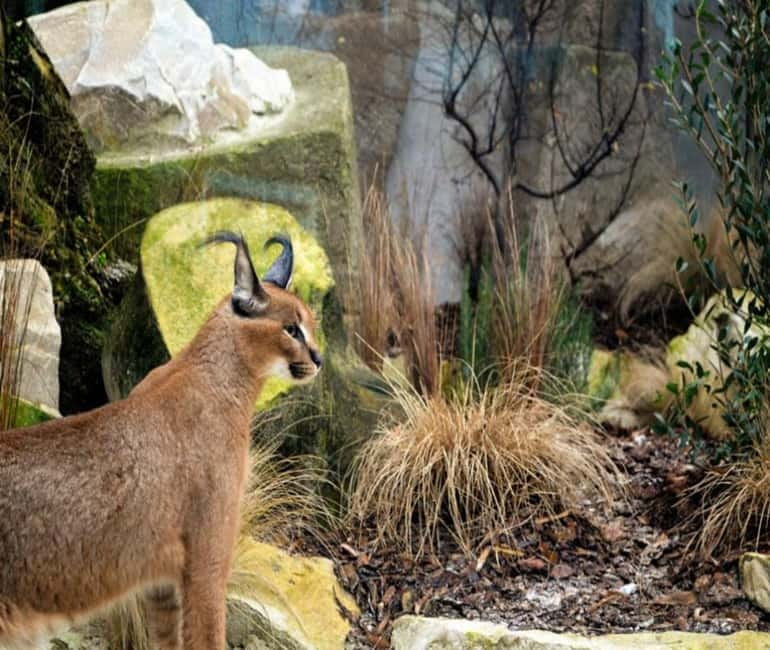
The Ménagerie Zoo is the kind of place that changes how you think about zoos. It is not trying to be a theme park. It is built around learning, veterinary care, and conservation, inside a site that has been doing its thing since the late 18th century.
You’ll walk through an environment where the animals and the buildings both matter. The early 19th-century structures are part of the experience, not background clutter, so you get history in your line of sight as you move.
Other Paris bookings to consider
- Paris: 1-Hour Seine Cruise departing from the Eiffel Tower
★ 4.4 · 77,472 reviews - Disneyland® Paris 1-Day Ticket
★ 4.6 · 49,412 reviews - Paris: Versailles Palace and Gardens Full Access Ticket
★ 4.6 · 41,579 reviews
What You See: 150 species and small, focused enclosures
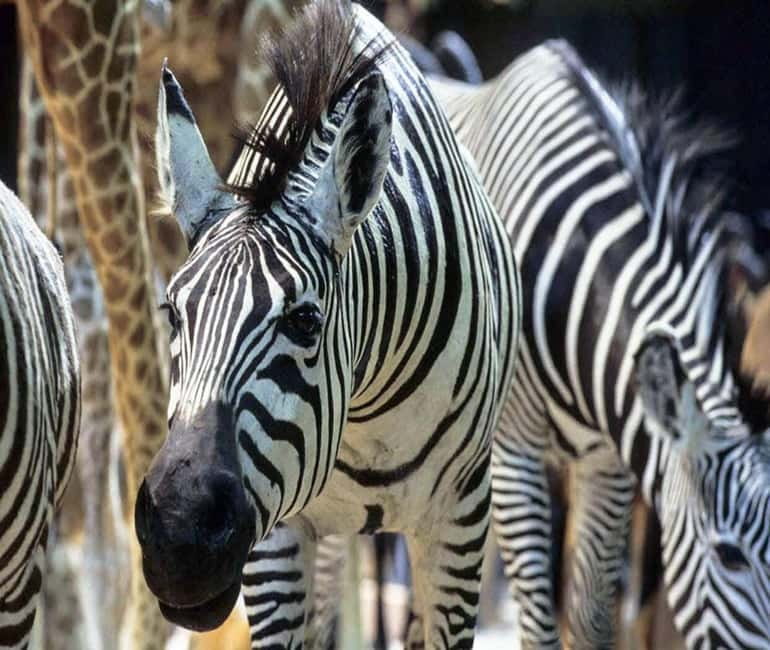
The zoo is arranged for variety without feeling like an endless maze. Plan on encountering 150 species during your visit, and remember that it leans toward small to medium-sized animals. That matters because it usually gives you a more personal view, and it also makes it easier to keep the visit moving at a comfortable pace.
You’ll also notice a strong conservation angle. Nearly 40% of the species here face extinction, so the visit has a “why it matters” layer even when you’re just watching behavior.
Conservation in Practice: breeding, veterinarians, and reintroduction
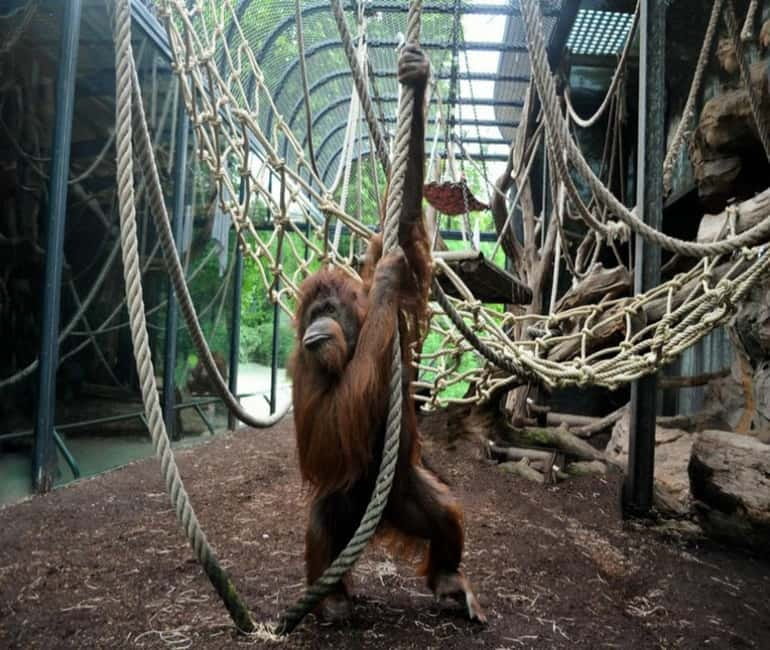
This is one of the best reasons to go beyond the postcard animals. The zoo’s conservation work is built into the visitor experience, with emphasis on breeding programs and reintroduction efforts.
Some of the most meaningful examples include:
- Arabian oryx reintroduction work
- Golden lion tamarin breeding and return efforts
You’ll also see that this is not purely “animal watching.” The care team includes veterinarians and ethologists, and you can connect that to what you’re seeing: health checks, habitat planning, and behavioral observation all support long-term species survival.
Springtime Births and the best moments to catch newborns
One of the most magical things about this zoo is timing. If you visit during spring, you have a shot at seeing newborn animals, which the zoo highlights as a special seasonal experience.
Examples of springtime young that may be around include the short-tailed pademelon and Kirk’s dik-dik. Even if you do not catch every birth, the zoo’s focus on breeding makes the newborn season feel like the visit’s main event, not an accidental bonus.
If spring is not your season, still go with realistic expectations. Animals may be less visible or less active depending on the weather, which can affect how many “wow” moments you get per hour.
Within easy reach:
- Paris: Arc de Triomphe Rooftop Tickets
★ 4.6 · 34,264 reviews - Paris: Orsay Museum Entry Ticket
★ 4.7 · 25,647 reviews - Paris: Evening River Cruise with Music
★ 4.4 · 22,721 reviews - Paris: Eiffel Tower Entry Ticket with Optional Summit Access
★ 4.4 · 20,035 reviews
Signature species you should look for: mynahs, tamarins, and oryx
Some species here are genuinely distinctive, and I think it helps to know what to keep an eye out for. The zoo points you toward iconic animals and then lets you see them in a calmer, more educational setting than many bigger parks.
Keep your eyes open for:
- Rothschild’s mynahs, known for striking plumage
- Golden lion tamarins, a conservation flagship
- Arabian oryx, linked to reintroduction success
The value is not just seeing these animals once. It is seeing conservation-focused species and then understanding how breeding and care connect to the big picture.
Architectural Highlights: Rotonde and Grande Volière
I love when a zoo visit doubles as a small walking lesson in design. Here, the architecture is part of how the site functions, and it also tells the story of how the zoo evolved.
Two specific architectural features to notice are the Rotonde and the Grande Volière. As you move between areas, try to connect what you see in the buildings to what you’re learning about animal housing and ventilation needs. Even if you are not an architecture person, you’ll feel the site’s deliberate planning.
This is also a nice change from the modern style of many attractions. You get a sense of continuity and a place that has grown smarter over time instead of being replaced.
Your self-guided 1-day loop: a practical route that works
You do not need a strict itinerary to enjoy the zoo, but a simple plan helps you avoid backtracking. Since the admission is for 1 day, build your visit like a gentle circle: enter, get oriented, then spend your best energy on the areas that match your interests.
Here is a route style that tends to work well:
- Start with orientation and the main species circuit
Begin with the most prominent animal areas so you can gauge energy levels and where animals are active.
- Look for conservation messaging as you walk
When you see breeding or conservation themes, slow down. Those signs and learning moments are the difference between casual viewing and a visit that changes how you think.
- Plan time for the 12-step biodiversity trail
This is the educational backbone of the zoo visit. It’s the part where local conservation practices connect to the global species story.
- Catch keeper-focused moments if they are running
The zoo offers workshops and lets you meet keepers. If you see an opportunity scheduled during your visit window, take it, because it’s the fastest way to turn observations into understanding.
Try to leave yourself a cushion. You’ll likely spend longer than you expect in the areas with species you recognize, especially if you’re there during a season with newborns.
Price and value: what $15 buys you in Paris
At about $15 per person, the zoo ticket can be good value, especially if you treat it as more than a quick animal stop. You are not only paying for entry. You’re paying for a conservation-centered experience with 150 species, educational programming, and historic architecture under one roof.
Also worth knowing: a full-price ticket can be used for up to three months at Jardin des Plantes-related sites, including Musée de l’Homme or Parc Zoologique de Paris. That turns one purchase into flexibility for your broader Paris itinerary.
In plain terms, if you like animals and history, this can be a solid use of a day. If you only care about the largest exotic animals and expect open-range drama, you may feel the zoo’s focus is more intimate and educational than spectacle.
Best timing and how to avoid a flat visit
When you can go makes a big difference here. The zoo specifically highlights springtime births, so if you want that emotional peak, aim for that season.
If you visit in winter, adjust expectations. The experience can feel quieter, and animals may not be as visible. That does not mean the zoo is closed-minded or inactive. It just means your “how many animals can I see right now?” score may be lower.
My practical advice: pick the time of day when the weather is most comfortable for you, not just when it’s convenient for plans. Your enjoyment depends on staying outside and walking, so you want your body to feel good.
Who should go, and who should think twice
This is ideal for:
- Animal lovers who want more than entertainment
- People interested in conservation success stories and breeding programs
- History-minded visitors who enjoy architecture and older institutions
- Families who like educational activities like the biodiversity trail
If you are sensitive about animal welfare topics, go in with open eyes. One booking included strong criticism about enclosure conditions and the size of certain animal spaces. I cannot verify any of that from the information here, but it is enough that you should form your own opinion during your visit. If you want to be extra careful, prioritize the areas that feel well designed to you, and spend time observing rather than rushing.
Should you book the Ménagerie Zoo ticket?
Yes, if you want a meaningful zoo day in Paris. The 1794 origin story, the conservation focus, and the chance to see species like Arabian oryx and golden lion tamarins make it more than a casual stop.
I would also book it if you enjoy mixing “learn something” with “look closely.” The 12-step biodiversity trail and keeper-focused activities are the type of extras that can turn a ticket into a full experience, not a quick walk-through.
Think twice if your trip depends on winter visibility, or if you need a zoo experience that feels big, modern, and purely comfort-driven. This place is historic and more intimate. That can be a plus, but it is not everyone’s match.
FAQ
How long is the Ménagerie Zoo visit?
The ticket is valid for 1 day, so you can plan to spend a day in the zoo at your own pace.
Where is the Ménagerie Zoo located?
It is at Jardin des Plantes in Paris, within the Ile-de-France region.
What is included with the ticket?
The ticket includes entrance to the Ménagerie Zoo at Jardin des Plantes.
What animals or species should I expect to see?
You can expect around 150 species, including Rothschild’s mynahs, golden lion tamarins, and Arabian oryx.
Is the zoo good for seeing newborn animals?
Springtime births are a highlight, with the zoo offering a chance to see newborn animals when the season lines up.
What conservation efforts does the zoo highlight?
The zoo focuses on conservation work, including breeding programs and reintroduction efforts such as the Arabian oryx and the golden lion tamarin.
How do I get there by public transport?
You can use bus lines 24, 57, 61, 63, 67, 89, and 91, the Batobus Jardin des Plantes stop, or metro and RER options including Line 5 to Gare d’Austerlitz, Line 7 to Censier Daubenton, Line 10 to Jussieu or Gare d’Austerlitz, and RER C to Gare d’Austerlitz.
What time should I plan my last entry?
Last admission is 1 hour before closing.
Do children and disabled visitors get free admission?
Yes. Children under 3 can get free admission, and disabled visitors and their attendant can get free admission with justification issued by MDPH.
Can I use my ticket for other nearby attractions?
Full-price ticket holders can use their ticket for up to three months at Jardin des Plantes, Musée de l’Homme, or Parc Zoologique de Paris.
Newly listed around Paris
- The voice of Montmartre is a must-see in Paris★ 3.8 · 19 reviews
- Top Private Cruises in Paris with Champagne + more surprises★ 5.0 · 309 reviews
- The Official Emily in Paris Montmartre Walking Tour★ 4.7 · 40 reviews
- The Paris Pass® Plus: 90+ Attractions including The Louvre★ 3.4 · 386 reviews
- The Official Emily in Paris Locations Walking Tour★ 4.9 · 383 reviews
- The Official Emily in Paris Macaron-Making Workshop★ 4.9 · 68 reviews
- The Official Emily in Paris Wine & Cheese with Butter Making★ 4.9 · 20 reviews
- The Official Emily in Paris Croissant-Making Workshop★ 4.9 · 85 reviews
Tickets, compared.

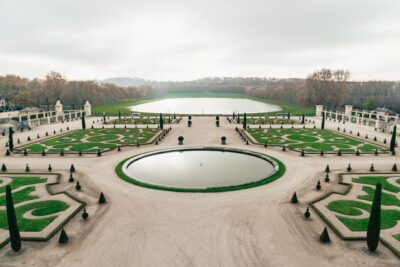
Versailles Palace and Gardens Full Access Ticket
Read our review →

Eiffel Tower Entry Ticket with Optional Summit Access
Read our review →
Moulin Rouge Cabaret Show Ticket with Champagne
Read our review →
Montparnasse Tower Observation Deck Entry Ticket
Read our review →