
Reviewed · FRENCH FOOD TOURS
Private Basque Country Tour Hidden Villages and Culinary Delights
Basque coast views start fast on this route. I like how the day mixes ocean viewpoints, classic beach areas, and old fishing-town streets in one smooth loop. I also love the food-first stops like Les Halles de Biarritz, where you can sample Basque staples such as Bayonne ham, cheeses, pintxos, seafood, oysters, and Basque cake. One thing to consider: since this is a no-meals-included tour, you’ll want to budget for lunch at Sare (and any extra bites you crave).
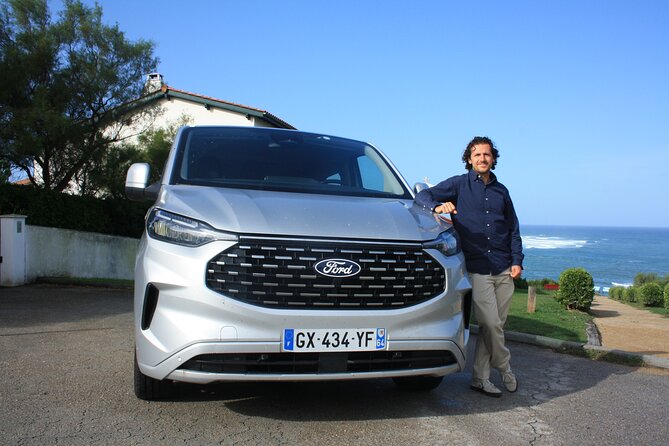
I’ll give you a practical heads-up on pacing. The day is designed to feel like you’re with a local friend who adjusts timing to your group, not a school field trip. Based on past experiences with Étienne and The Basque Way, you can expect a calm flow, clear storytelling, and flexible stops, but you should still be ready for some walking on coastal paths and village streets.
In This Review
- Key highlights you should care about
- Price and what you truly get for $456.09 per person
- The “Basque coast to pepper country” route, in plain terms
- Stop 1 in Biarritz: Rocher de la Vierge, Grande Plage, and Les Halles
- Bidart’s 5 km beaches, Sainte-Madeleine Chapel, and the fronton vibe
- Guethary: port charm, optional Saraleguinea Museum, and cliff paths
- Saint-Jean-de-Luz: Louis XIV history and a bay walk you can actually enjoy
- Sare and Ainhoa: smuggling legends, mountain views, and farm tastings
- Espelette: PDO chili pepper culture and smarter shopping
- Comfort, pacing, and how to plan your food day
- Who this private Basque Country tour fits best
- Should you book The Basque Way’s private day in Biarritz and beyond?
- FAQ
- How long is the private Basque Country tour?
- Where does the tour start and is pickup included?
- Is the tour offered in English?
- Are meals included in the price?
- What is included in the tour?
- What is the cancellation policy?
Key highlights you should care about
- Panoramic coastline time at Rocher de la Vierge and the Biarritz Lighthouse, with sea views that make everything click
- Real Basque tasting energy at Les Halles de Biarritz, built around ham, cheeses, pintxos, seafood, and cake
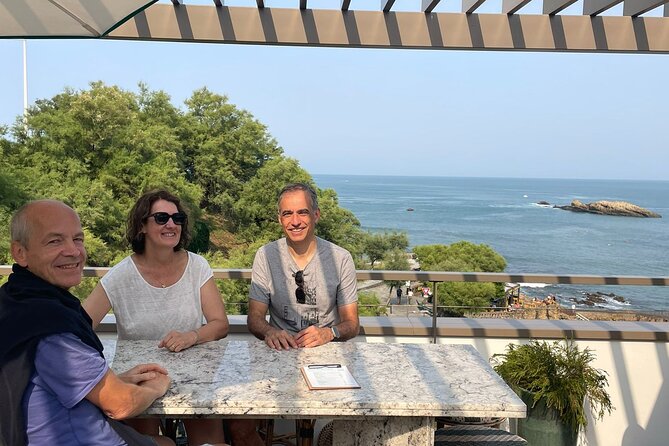
- Bidart’s 5 km shoreline plus the Sainte-Madeleine Chapel perched above the Atlantic
- Village character over checklists, including Sare’s smuggling legend and the Assumption church in Saint-Jean-de-Luz
- Meet producers in Ainhoa, with a family farm stop for traditional cheese and ham
- Espelette with a strategy for shopping around the PDO chili pepper culture, without getting stuck in the obvious stalls
Price and what you truly get for $456.09 per person
At $456.09 per person for about 7 hours, this sits in the premium range. The value comes less from “tickets” and more from how the day is assembled: private transportation, pickup options, an air-conditioned vehicle, and help from a guide who can tailor the rhythm to your group.
You also get a useful mix of free-access sites and food-focused moments. Many of the sights listed are free entry, which means your money goes toward time, context, and the right sequence. Bottled water is included, and parking fees and government fees are covered, so you avoid the constant small-friction costs that add up during a self-guided day.
The one clear trade-off is meals. Lunch in Sare is part of the itinerary, but meals are not included. That’s normal for a day like this, but you should plan for it so the budget feels comfortable from the start.
If you’re a small group, private can be a smart way to protect your time. You avoid waiting around for public transit connections and you can linger in the places you love most (especially markets, terraces, and village streets).
More food rounds in Biarritz:
- Biarritz Guided Walking and Gourmet Tour Food Tour
★ 5.0 · 24 reviews - Authentic Parisian Gourmet Food Tour with 10 Local Dishes & Wines
★ 5.0 · 4,754 reviews - Devour Paris Ultimate Food Tour
★ 5.0 · 2,087 reviews
The “Basque coast to pepper country” route, in plain terms
This tour moves along the French Basque coast, then turns inland toward villages tied to mountain life and border history. What makes it work is the order: you start with Biarritz, then slide to Bidart and Guethary, then move to Saint-Jean-de-Luz, and finally climb into Sare, Ainhoa, and Espelette.
Why that matters: coastal towns change character fast. A port district feels different from surf beaches. A market in Biarritz is a different kind of Basque experience than a farm stop. By the end of the day, you’re not just collecting views, you’re seeing how food, sea work, and mountain traditions connect.
You’ll also get a steady dose of context while you’re driving. From what I’ve learned through past experiences with Étienne and his approach, the best part is not just where you go, it’s the reason behind it, including stories that help you read the coastline and villages like a local.
Stop 1 in Biarritz: Rocher de la Vierge, Grande Plage, and Les Halles
Biarritz is where the ocean drama starts. You begin at Rocher de la Vierge, a standout viewpoint known for panoramic views of the ocean and bay. It’s accessible via the Eiffel footbridge, which gives you an easy walking option and an immediate sense of scale, from rocky edges to the waterline.
Next comes beach time, including Grande Plage and the Côte des Basques. This is where you’ll hear the city’s beach history and get pointers on the legendary spots, plus what makes some areas feel quieter than the obvious ones.
Then you hit the day’s easiest win for food lovers: Les Halles de Biarritz. This covered market is a short, high-impact stop that turns your Basque tasting from random to focused. You can sample Bayonne ham, local cheeses, pintxos, seafood, oysters, and Basque cake. Even if you don’t plan to try everything, the market gives you a real sense of what people buy for everyday pleasure.
A practical note: markets reward curiosity. Eat lightly before you arrive so you can enjoy more tastings without feeling weighed down. If you’re the type who hates decision-making, this is still a good stop, because the market layout makes it easy to compare styles of ham, cheese, and small bites.
After lunch alternatives are optional, you finish Biarritz with two more viewpoint hits: the Biarritz Lighthouse and the Port des Pêcheurs. The lighthouse gives you a broader sweep of coast and mountains stretching toward the Spanish Basque Country. Port des Pêcheurs shifts the mood again, bringing you to a smaller, typical port district with fish restaurants and a more authentic, working-feeling atmosphere.
Bidart’s 5 km beaches, Sainte-Madeleine Chapel, and the fronton vibe
Bidart is a strong mid-day reset. It stretches along the coast with five magnificent beaches over about 5 km. You go from family-friendly areas like Uhabia to surf territory such as Parlementia, plus wild coves like Erretegia.
What I like about this section is that it’s not just scenic. You get a sense of how the Basque coast supports different lifestyles: families, surfers, and tide-watchers who explore natural pools at low water.
One of the most memorable stops here is Sainte-Madeleine Chapel, a historic monument from the 12th century perched on a cliff. It’s dedicated to fishermen who lost their lives at sea, so the view comes with meaning, not just photos. If the weather is clear, the Atlantic outlook from this kind of cliff setting can be the kind of scene that sticks with you for a long time.
In the center of Bidart, you’ll also see the Church of Our Lady of the Assumption from the 16th century, plus the parish cemetery. Look closely if you can, because you might spot disc-shaped stones used on older Basque tombs. Small details like that are exactly why a guided route feels more rewarding than quick stops.
You’ll then land at Bassilour Mill, now turned into a pastry shop where you can taste traditional Basque cake prepared on site. It’s a great sweet break after all the salty sea air.
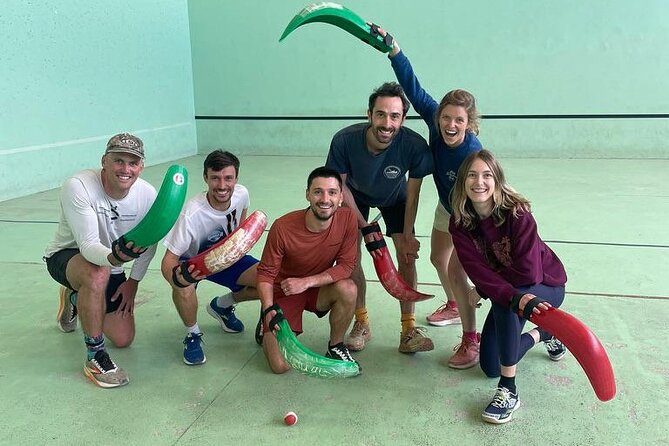
Finally, the main square brings you back to village life. Expect lively cafés, a historic fronton court, and Basque pelota players. If you’re not familiar with pelota, think of it as a cousin of tennis, with its own rules and local identity. Watching even briefly helps you understand why frontons show up in so many Basque towns.
Other Biarritz bookings to consider
- No Diet Club – Amazing local food in Biarritz !
★ 4.9 · 124 reviews - Explore the Wild Beauty of the Basque Coast by Boat
★ 5.0 · 62 reviews - Unusual Guided Tour in a Segway in Biarritz
★ 5.0 · 50 reviews - Biarritz: 1.5-Hour Group Surf Lesson
★ 4.9 · 46 reviews
Guethary: port charm, optional Saraleguinea Museum, and cliff paths
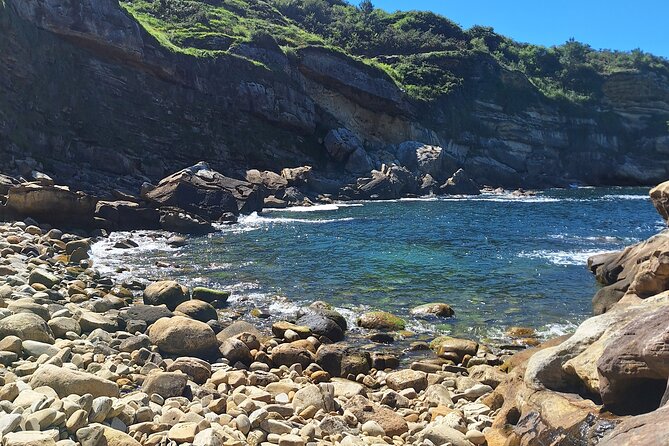
Guethary keeps the day feeling real and less touristy. You start with a picturesque port, the kind with boats in dry dock that looks like it was staged for a postcard, but it’s actually part of the working routine.
From there, you have two paths. One is Saraleguinea Museum, which is optional. It’s contemporary art in a listed villa with superb gardens and temporary exhibitions (sculpture and ceramics). If you like art breaks that don’t feel rushed, this can be a good detour.
If you’d rather stay outside, you’ll focus on wild beaches and cliffs. This is where small hidden paths matter. At low tide, natural pools can appear, and you get that slow wander feeling that’s hard to replicate on your own because you’d need local timing and route knowledge.
You also get a panoramic view from Pierre-Lious Terrace, with ocean scenes and surfers at Parlementia. Even if you don’t catch a perfect wave moment, the viewpoint does the job, because it frames the coast like you’re reading a map: beach below, surf spot ahead, Atlantic stretching out.
Saint-Jean-de-Luz: Louis XIV history and a bay walk you can actually enjoy
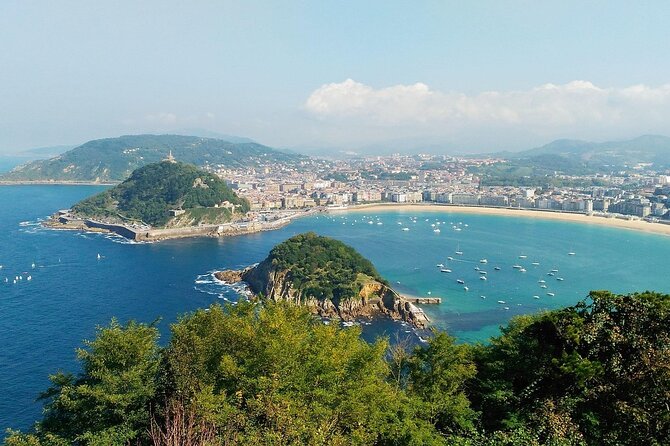
Saint-Jean-de-Luz is where architecture and royal history meet coastal strolling. You visit the Saint-Jean-Baptiste Church, a major monument connected to the wedding of King Louis XIV to Infanta Maria Theresa of Spain on June 9, 1660. That historic weight matters, but the bigger payoff is that the church is a visible landmark in the town center, so it anchors your walk.
Then you spend time in the historic center: narrow streets and traditional Basque houses. This is the part of the day that feels human. You can slow down, look up at building details, and notice how the town is shaped for foot traffic.
Finally, you get the Promenade Jacques Thibaud, an easy pedestrian walkway ideal for strolling and admiring the bay of Saint Jean de Luz. It’s a practical end to a history and architecture block, and it helps you keep energy for the villages that come next inland.
Sare and Ainhoa: smuggling legends, mountain views, and farm tastings
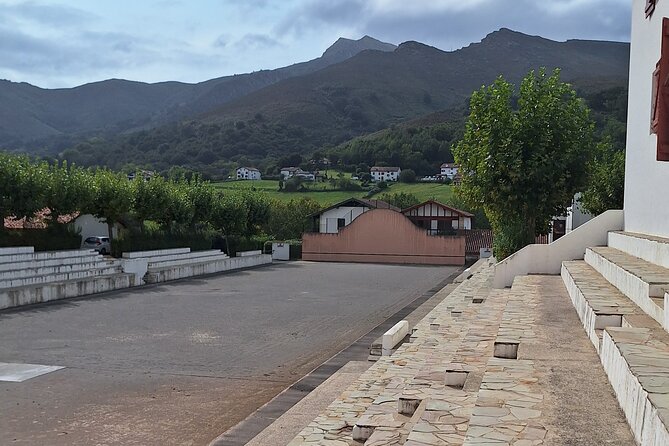
Sare is where the tour flips from coast to border stories. Lunch happens here in a typical Basque restaurant with mountain views. Since meals aren’t included, this is the moment to plan your budget. It’s also one of the stops where you’re most likely to want seconds, because Basque cooking tastes better after time outdoors and viewpoint walking.
Then comes the village visit. Sare is listed among the Most Beautiful Villages in France, and you’ll feel heritage marked by smuggling along its border with Spain. The legend says smugglers crossed mountain passes wearing espadrilles on their feet to be silent and avoid customs officers. Whether you take the legend literally or as cultural memory, the story helps you understand why borderlands feel different, even visually.
Next is Ainhoa, and the best part for food-focused travelers: you visit a family farm and taste traditional Basque cheese and ham. You meet the producers, and you get time to chat and learn their ancestral know-how. This matters because cheese and cured meat are not just products, they’re the end result of routine, animals, and aging decisions that people pass down.
If you’re the type who likes to ask questions, this is a stop where your curiosity will pay off. You’ll leave with a sense of how local ingredients become local identity.
Espelette: PDO chili pepper culture and smarter shopping
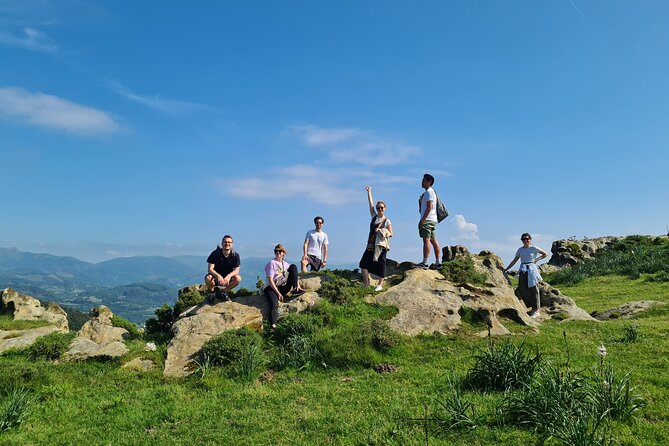
Espelette is a small village with a big reputation, and the tour focuses on why: it’s world-renowned for its PDO chili peppers. You’ll see chili peppers drying in windows, cobbled streets, and shops with a history that runs long, not flashy.
This is also the one place where you’ll get guidance on avoiding the tourist trap version of shopping. You’ll follow the route toward the real Espelette off the beaten track. The key is that you’re not just walking into any store and buying the first thing you see. You’re learning what to look for, how the pepper culture shows up in daily life, and where the village feels most authentic.
Practical tip: if you want to bring chili products home, this is usually where you should commit. You’ll have the clearest connection between the village and the ingredient. Pick carefully, because once you start getting tastes and small souvenirs earlier in the day, you might find you’ve already filled your carry capacity.
Comfort, pacing, and how to plan your food day
This tour is private, which usually means you get more control than on a shared group day. You also get bottled water and a comfortable air-conditioned vehicle, plus parking fees and government fees are covered. That reduces the mental load of constantly managing little costs.
Language is offered in English. Pickup is offered, and you can start and end around Biarritz, Bayonne, Saint Jean de Luz, Hendaye, San Sebastian, Bilbao, Pampelune, Hossegor, Seignosse, Capbreton, Bordeaux. That flexibility helps if your trip includes both French Basque towns and Spanish Basque neighbors.
One practical drawback is walking. Coastal stops and cliff terraces are not long hikes, but you should still wear shoes that grip well, especially near viewpoints and uneven paths.
For food planning, here’s the simplest strategy:
- Eat lightly before Les Halles so you can taste ham, cheese, pintxos, seafood, oysters, and Basque cake without feeling sick.
- Budget for lunch in Sare at a typical Basque restaurant since meals are not included.
- Leave room for sweet time at Bassilour Mill and for pepper souvenirs in Espelette.
If you like a guide who keeps stories short and useful, you’ll appreciate the style associated with Étienne and The Basque Way: warm, professional, and flexible. In past experiences with groups, that approach led to well-paced days with clear local context, and it’s exactly the kind of energy you want in a 7-hour window.
Who this private Basque Country tour fits best
This tour fits you if you want a single day that covers a lot of ground without feeling rushed. It’s ideal when you care about Basque food culture, enjoy sea viewpoints, and like village storytelling that explains why places exist the way they do.
You’ll also like it if you’re visiting for the first time and you want an organized route from Biarritz through Bidart, Guethary, and Saint-Jean-de-Luz, then inland to Sare, Ainhoa, and Espelette. The structure helps you understand the region as one connected cultural system instead of separate postcards.
It might not be the best fit if you want long museum time or full beach lounging, because this is built as a sight and tasting loop. Still, you’ll get beach views and enough time to appreciate the coast without a hard commitment to sunbathing.
Should you book The Basque Way’s private day in Biarritz and beyond?
Yes, I’d book it if you’re after value that shows up as time well used: private transport, smart sequencing, and Basque food stops that don’t feel random. The market visit in Biarritz and the farm tasting in Ainhoa are the kind of anchors that make a day like this worth paying for, even before you count the viewpoints and village history.
I’d also book if you want a guided day that feels calm and adjustable, with a local like Étienne who brings stories, practical tips, and producer-level access, not just scenic photo stops.
If your budget is tight or you hate walking on coastal paths, consider whether you’d rather do a self-guided route and spend the day on your own schedule. For most people who want a high-quality Basque overview without logistics stress, this private format is the right call.
FAQ
How long is the private Basque Country tour?
It runs for about 7 hours.
Where does the tour start and is pickup included?
Pickup is offered, and you can arrange starting and ending around areas such as Biarritz, Bayonne, Saint Jean de Luz, Hendaye, San Sebastian, Bilbao, Pampelune, Hossegor, Seignosse, Capbreton, and Bordeaux.
Is the tour offered in English?
Yes, it is offered in English.
Are meals included in the price?
No, meals are not included. Lunch is planned in Sare, but you’ll need to cover your meal costs.
What is included in the tour?
Included items are bottled water, booster seat, parking fees, airport or departure tax, government fees, WiFi on board, private transportation, and an air-conditioned vehicle.
What is the cancellation policy?
You can cancel for a full refund if you cancel at least 24 hours in advance of the experience’s start time. If you cancel less than 24 hours before, the amount paid is not refunded.
Newly listed around Biarritz
- Walking tours of Biarritz★ 5.0 · 43 reviews
- Guided Electric Bike Rides on the Basque Coast★ 5.0 · 43 reviews
- Biarritz Guided Walking and Gourmet Tour Food Tour★ 5.0 · 24 reviews
- Basque visit in Biarritz★ 5.0 · 30 reviews
- Biarritz: Surf lessons on the Côte des Basques beach★ 4.9 · 45 reviews
- Biarritz: Culture and Food Walking Guided Tour★ 4.9 · 39 reviews
- Explore the Wild Beauty of the Basque Coast by Boat★ 5.0 · 62 reviews
- Biarritz: 1.5-Hour Group Surf Lesson★ 4.9 · 46 reviews
French Food Tours, compared.
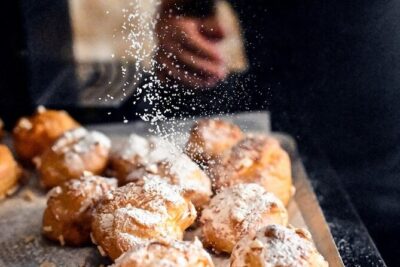
Authentic Parisian Gourmet Food Tour with 10 Local Dishes & Wines
Read our review →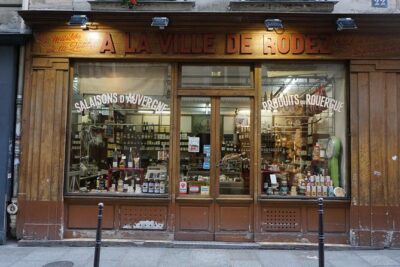
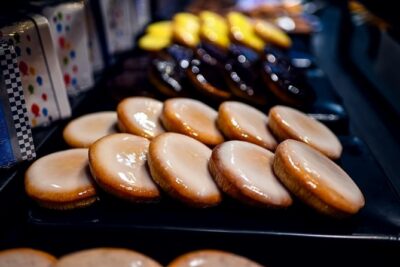
Private Montmartre Food Tour with Wine, Cheese & Pastries
Read our review →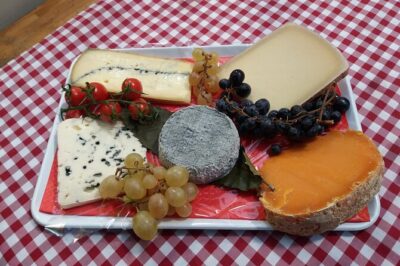
Paris Le Marais Food Tour With 10+ Tastings, Cheese, Wine & More
Read our review →
Paris French Sweets Tasting Tour with Pastries and Chocolates
Read our review →
Paris Le Marais District Original Food and Wine Tasting Tour
Read our review →
Paris Montmartre Food Tour – A Full French Meal by Do Eat Better
Read our review →
Paris Culinary Tour: 11 Tastings & 2 Wines in Le Marais
Read our review →Browse the lists this tour appears in