
Reviewed · WINE TASTINGS & VINEYARD TOURS
Saint-Émilion: 2 hours – Visit of the vineyard, the cellar and tasting
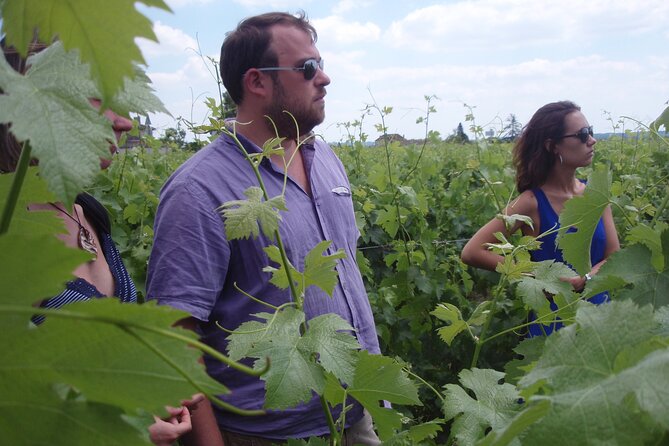
Two hours, and you get it. At Château Haute-Nauve, an English small-group visit with Florent (mother and son) shows you how family farming in Saint-Émilion turns into wine, starting with a walk through the vines and the estate story. I love the way the guide connects vineyard work to what you’ll taste next.
The best part is the guided tasting of four Château wines, including two Saint-Émilion Grand Cru. You finish with a clear, coached comparison, not just a quick sip and a goodbye.
One drawback to plan for: it is fast. With only about two hours, you get the big picture, but it is not a deep, all-day classroom on every single detail.
In This Review
- Key highlights you should care about
- Entering Château Haute-Nauve: Vine to Bottle, in Plain English
- Meeting point, pacing, and the small-group advantage
- The vineyard walk: plots, seasons, and the Saint-Émilion rules
- Sustainability tech you can spot: wind turbine and a tall wine bottle
- Inside the winery: fermentation, pumping, pressing
- Barrel cellar aging: where the wine’s character gets shaped
- The tasting of four Château wines: how the lineup is planned
- Who this tour suits best
- Price and value: what $30.04 buys you in real terms
- Tips to get the most from your visit
- Should you book Château Haute-Nauve’s Saint-Émilion tour?
- FAQ
- How long is the Saint-Émilion vineyard, cellar, and tasting tour?
- Where does the tour start?
- Does the tour offer English?
- What is included in the tasting?
- Which wine types are included in the tasting?
- How many people are in the group?
- Is it a mobile ticket experience?
- Will I see the cellar and wine aging area?
- Is this tour suitable for most people?
- What happens if the tour is canceled due to low enrollment?
Key highlights you should care about
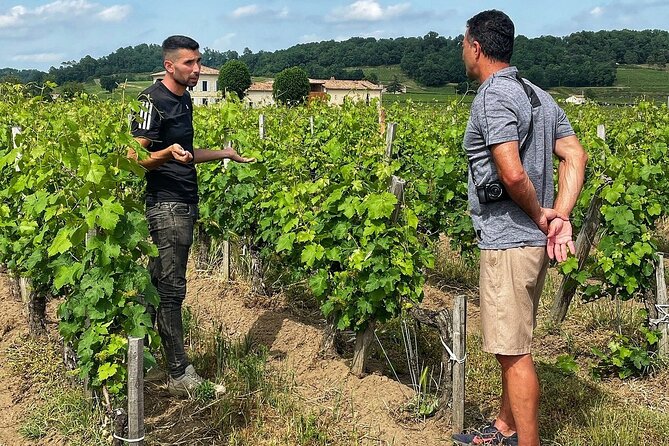
- Florent and Marie-Anne style of touring, a mix of clear explanations and an easy, fun feel
- Vineyard walk through the year, with different plots and how the work changes season to season
- Sustainability and resilience, including how they address crop freezes and plan for the future
- Real production steps you can see, fermentation, pumping, pressing, plus aging in the barrel cellar
- Tasting that makes sense, 4 wines with two from the Grand Cru category
- Small group size, up to 15 people, which keeps questions from getting lost
Entering Château Haute-Nauve: Vine to Bottle, in Plain English
If you want Saint-Émilion wine without the fuss, this tour is built for you. You start at Château Haute Nauve in Saint-Laurent-des-Combes, then spend roughly two hours moving through the vineyard, the winery, and the barrel cellar before ending with a guided tasting of four wines.
What makes it feel worthwhile is the structure. You do not just look at barrels and tanks, you also hear how the vineyard side leads to the final style in the glass. That “vine to bottle” thread matters because Saint-Émilion wine can feel mysterious until someone connects the dots for you.
I also like the estate focus. This is a family operation in the Saint-Émilion appellation, with a multi-generational story you hear right on site. That gives the tour more meaning than a generic winery talk.
More vineyard visits in France:
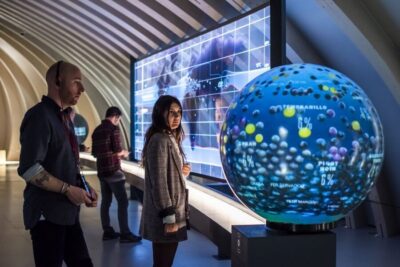
- Bordeaux: Cité du Vin Entry Ticket and Wine Tasting
★ 4.6 · 3,885 reviews - Montmartre Hill French Gourmet Food and Wine Tasting Walking Tour
★ 5.0 · 2,588 reviews - From Paris: Loire Valley Castles Day Trip With Wine Tasting
★ 4.6 · 1,727 reviews
Meeting point, pacing, and the small-group advantage
The experience starts and ends back at Château Haute Nauve (33330 Saint-Laurent-des-Combes). It is offered in English, and you get a mobile ticket, which makes day-of logistics simple.
The pacing is one of the key reasons people rate it highly. You are not shuffled through ten rooms. Instead, you move in a logical order: vineyard first, then cellar and production, then tasting. With a maximum of 15 travelers, the guide can actually respond when you ask something specific, like how work in the vines changes through the year or what a certain production step does.
The main consideration is time. This is a 2-hour experience, so come with curiosity, not expectations for a long, leisurely meal or a full, behind-the-scenes deep dive into every technical choice.
The vineyard walk: plots, seasons, and the Saint-Émilion rules
The tour begins in the vines, where the guide brings you into the estate’s world. You hear about the family history, described as fourth generation, and you learn what defines Saint-Émilion as an appellation.
You also get a practical feel for the vineyard itself. You walk among different plots, and you learn how the vineyard work evolves as the year moves forward. That part is not just about “what farmers do,” it helps you understand why the same grape can lead to different results depending on timing, conditions, and how the team responds.
This is also where you learn about the bigger challenges growers face, like how freezes can affect crops. You’ll hear how the estate is tackling those issues, while also focusing on sustainability and diversification and developing new wines. In other words, you see that the vineyard story is not frozen in time, it keeps changing.
Sustainability tech you can spot: wind turbine and a tall wine bottle
This is not a tour where everything is hidden behind closed doors. During the vineyard part, you are shown some striking features that help explain how the estate thinks.
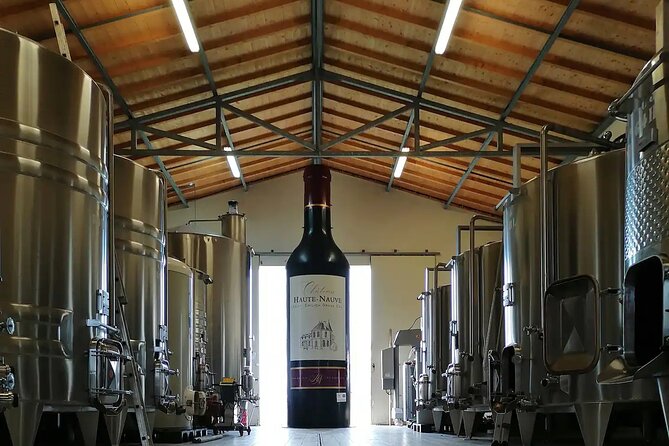
You will see a wind turbine, which signals an interest in energy and sustainability choices. You’ll also spot a 6 meter high wine bottle, an eye-catching landmark that makes the estate feel memorable and easy to orient around while you’re walking and listening.
These are more than photo props. They reinforce the messages the guide talks through: the estate is preparing for risks like crop freezes, planning sustainable practices, and experimenting with diversification and new wines. Even if you are not an engineering person, you’ll likely appreciate the way the tour points out what’s visible and then ties it back to the choices that shape the wine.
Other France bookings to consider
- Paris: Seine Cruise & Crepe Tasting near the Eiffel Tower
★ 4.4 · 11,231 reviews - Authentic Parisian Gourmet Food Tour with 10 Local Dishes & Wines
★ 5.0 · 4,754 reviews - Normandy D-Day Small-Group Day Trip with Omaha Beach, Cemetery & Cider Tasting
★ 5.0 · 2,786 reviews - Paris: Illuminated Evening River Cruise & Waffle Tasting
★ 4.1 · 2,697 reviews
Inside the winery: fermentation, pumping, pressing
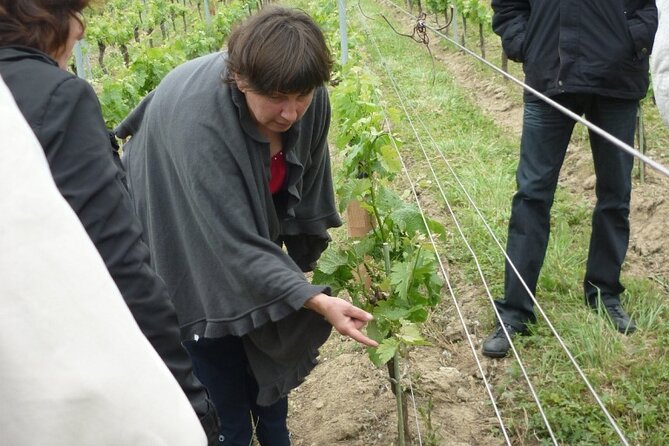
After the vineyard, you move into the production side. This is where the tour gets very hands-on in terms of explanation. You learn about the whole production process, including key steps like fermentation, pumping, and pressing.
Why this matters for you: it helps you stop guessing. Many people taste Saint-Émilion and wonder what makes one wine feel smoother or more structured. By learning what happens to juice and wine during fermentation and pressing, you get a framework for what to notice later in the tasting.
The guide keeps things understandable, including showing the machinery and larger tanks used after harvest. You also hear how the process moves from harvest to the next stage, so the winery stops being a blur of equipment and becomes a sequence you can follow.
If you like learning through explanation rather than just seeing, this part is a strong match.
Barrel cellar aging: where the wine’s character gets shaped
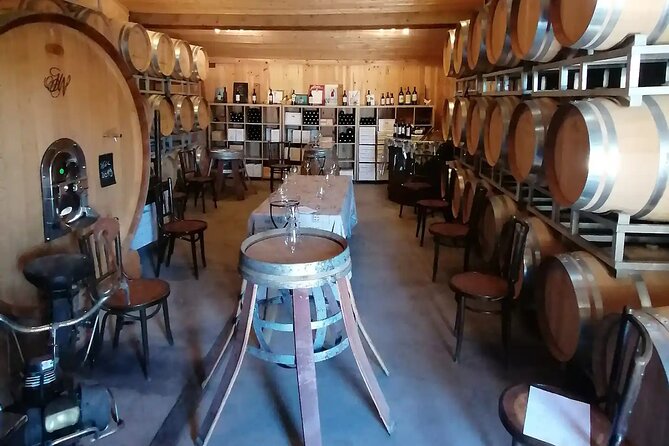
Next comes the barrel cellar, where you see how the wine is aged. The tour focuses on the methods used for aging, which is important because aging is where many wines pick up their texture and depth.
It is the right placement in the itinerary. You already learned about vineyard choices and production steps, so now you see the “middle chapter” where timing, storage, and aging decisions influence the final outcome.
This part also tends to land well emotionally. You’ve been looking at work and machines, then suddenly you’re in a quieter space where time is the ingredient. That shift helps the whole tour feel complete.
The tasting of four Château wines: how the lineup is planned
The experience ends with a guided tasting of four Château wines. The lineup is structured to give you contrast, and you’ll taste a Rosé, a Saint-Émilion, and two Saint-Émilion Grand Cru wines.
That mix is smart for your first time in the region. The Rosé gives you a lighter entry point so your palate wakes up rather than gets overwhelmed. Then you move into Saint-Émilion and finish with two Grand Cru expressions, which helps you understand how the Grand Cru category can show up in style, structure, and overall feel.
Guided tasting means the guide does not just pour and disappear. You get help noticing differences, which is exactly what you want if you are trying to learn quickly without turning the whole thing into homework.
In my view, the best sign of value here is that the tasting is not random. It ties directly to what you heard earlier: vineyard work, production steps, and aging. By the time you taste, you have a story in your head, and each glass confirms or complicates it in a useful way.
Who this tour suits best
This is a great fit if you:
- Want an English-friendly Saint-Émilion introduction with clear explanations
- Like small groups and questions that actually get answered
- Enjoy wine tours that connect what happens in the vineyard to the wine in your glass
- Want to taste multiple categories, including two Grand Cru wines, without paying for a longer, more expensive day
It may be less ideal if you:
- Want a full-day tour with deep technical training and lots of time to linger
- Are only interested in a single specific style, like only red Grand Cru, and would rather skip the Rosé component
Price and value: what $30.04 buys you in real terms
At $30.04 per person for about two hours, this tour can be a strong value if you want guided learning and a structured tasting. You are paying for three things at once:
- A vineyard and cellar visit where the guide explains what you are seeing
- A real tasting with four wines, not just a quick sample
- English service in a small group (up to 15 people)
The fact that two of the wines are Saint-Émilion Grand Cru makes the price easier to justify. Many wineries charge more for tastings that either limit the lineup or do not include Grand Cru categories in a guided session.
Also, the experience covers multiple stages of winemaking. You are not paying just for barrels, or just for vines. You get production steps like fermentation, pumping, and pressing explained in context.
If you are staying in the Saint-Émilion area and want one high-quality, time-efficient wine experience, this is the kind of tour that can work well.
Tips to get the most from your visit
A few practical moves can make your tour smoother and more fun:
- Arrive with curiosity about what you will taste next, then listen for how the guide links vineyard work to production and aging.
- Ask one or two specific questions during the vineyard walk, like how work changes through the year or how they handle challenges like freezes.
- Keep an eye out for the visible sustainability and estate landmarks, like the wind turbine and the tall wine bottle, because the guide ties them back to the bigger story.
- Take your time during the tasting. If you liked a wine, ask what you should compare it to, the guide is set up to help you do exactly that.
One small reality check: because it is outdoors for the vineyard portion and then inside for the cellar, comfort matters. You’ll be walking through the estate, and you’ll appreciate being ready for a mix of light walking and indoor viewing.
Should you book Château Haute-Nauve’s Saint-Émilion tour?
I’d book it if you want a well-paced, English-friendly tour that actually teaches. The biggest reasons are simple: the vineyard-to-cellar flow, the lively way Florent guides the experience, and the guided tasting of four wines with two Grand Cru bottles in the lineup.
Skip it only if you are chasing a long, ultra-technical day or you want a tour focused on one single wine category. For everyone else, this is a smart use of time in the Saint-Émilion region.
If you can, book ahead. The tour is often reserved about 12 days in advance, so waiting too long can make your preferred day harder to find.
FAQ
How long is the Saint-Émilion vineyard, cellar, and tasting tour?
It lasts about 2 hours.
Where does the tour start?
It starts at Château Haute Nauve, Haute Nauve, 33330 Saint-Laurent-des-Combes, France.
Does the tour offer English?
Yes, English is offered.
What is included in the tasting?
You taste 4 Château wines.
Which wine types are included in the tasting?
You taste a Rosé, a Saint-Émilion, and two Saint-Émilion Grand Cru wines.
How many people are in the group?
The tour has a maximum of 15 travelers.
Is it a mobile ticket experience?
Yes, you receive a mobile ticket.
Will I see the cellar and wine aging area?
Yes. You visit the winery process area and then the barrel cellar to see aging methods.
Is this tour suitable for most people?
Most travelers can participate, and service animals are allowed.
What happens if the tour is canceled due to low enrollment?
If it’s canceled because the minimum number of travelers isn’t met, you’ll be offered a different date or experience, or a full refund.
Newly listed around France
- Paris Orsay Museum and Rodin Museum Daily Combo Ticket★ 4.0 · 32 reviews
- Paris Pastry Tour – Croissants, Macarons & Iconic French Desserts★ 5.0 · 232 reviews
- Paris Orsay Museum with Optional Seine River Cruise Tickets★ 4.0 · 65 reviews
- Paris Occult and the History of the Dark Arts Private Tour★ 5.0 · 17 reviews
- Île de la Cité Guided Tour & assistance Notre Dame entrance★ 5.0 · 22 reviews
- Paris Orsay Museum Entry Ticket with Digital Audio Guide★ 3.5 · 93 reviews
- Notre Dame de Paris: Semi Private or Private Guided Tour Guide★ 5.0 · 30 reviews
- Paris Opera Garnier Private Tour★ 5.0 · 42 reviews
Wine Tastings & Vineyard Tours, compared.
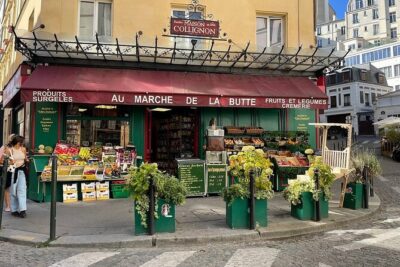
Montmartre Hill French Gourmet Food and Wine Tasting Walking Tour
Read our review →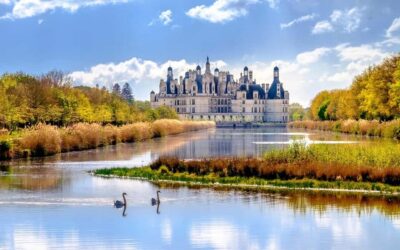
Loire Valley Castles Day Trip With Wine Tasting
Read our review →
Afternoon Saint-Emilion Wine Tasting & snack
Read our review →
Medoc or Saint Emilion Wine Tasting and Chateau from Bordeaux
Read our review →
Saint Emilion Day Trip with Sightseeing Tour & Wine Tastings from Bordeaux
Read our review →
Saint-Émilion: Grand Cru Classé Winery Visit and Tasting
Read our review →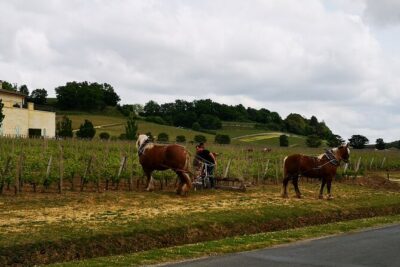
Saint Emilion Half-Day Trip with Wine Tasting & Winery Visit from Bordeaux
Read our review →Browse the lists this tour appears in