
Reviewed · SAINT-EMILION WINE DAY TRIPS
Saint-Émilion: Family Vineyard Visit with Wine Tasting
Two cellars and four wines, guided by the family. I love the owner-led pace, with Marie-Anne or Florent explaining how the estate works from grapes to bottle. I also love that you get a small-group feel, so questions actually land and answers stay practical. One drawback to plan for: there is no food included, so you will want to time this around a meal.
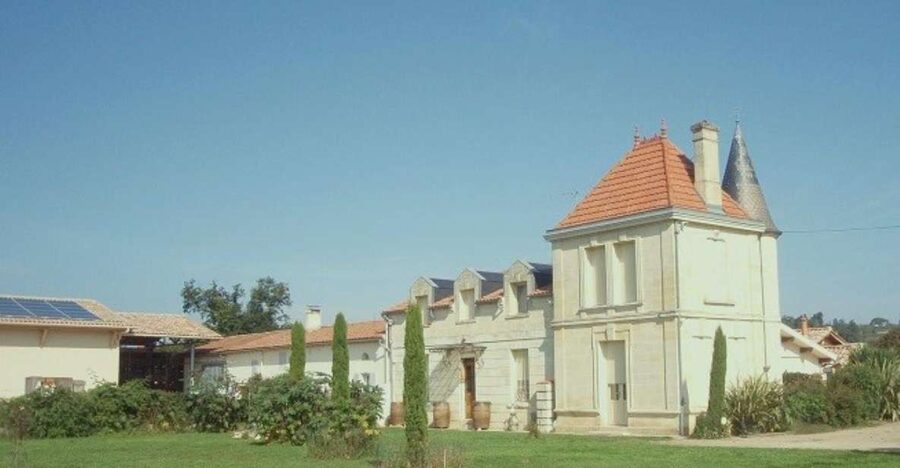
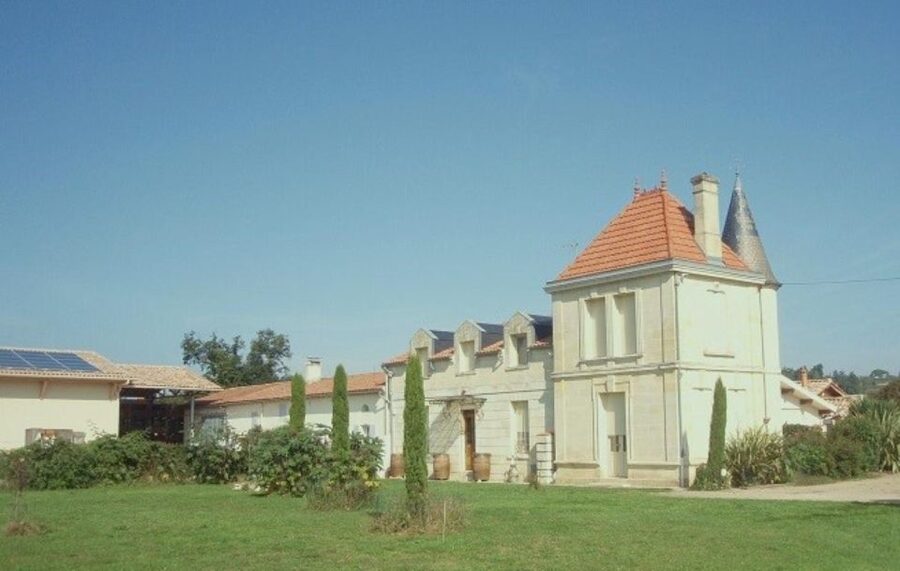
Château Haute-Nauve has been family run in Saint-Émilion since 1930, and you will feel that multi-generation continuity in the way the tour is told. In 75 minutes, you walk the vineyards, tour the cellar where wine is made, then visit the barrel aging rooms before a guided tasting of 4 wines, including two Grand Cru selections. At the end, you can buy bottles on site, or arrange shipping so your favorites make it home.
In This Review
- Key things I’d pencil into your Saint-Émilion day
- Entering Château Haute-Nauve, family run since 1930
- Vineyard walk: how the appellation connects to what ends up in the glass
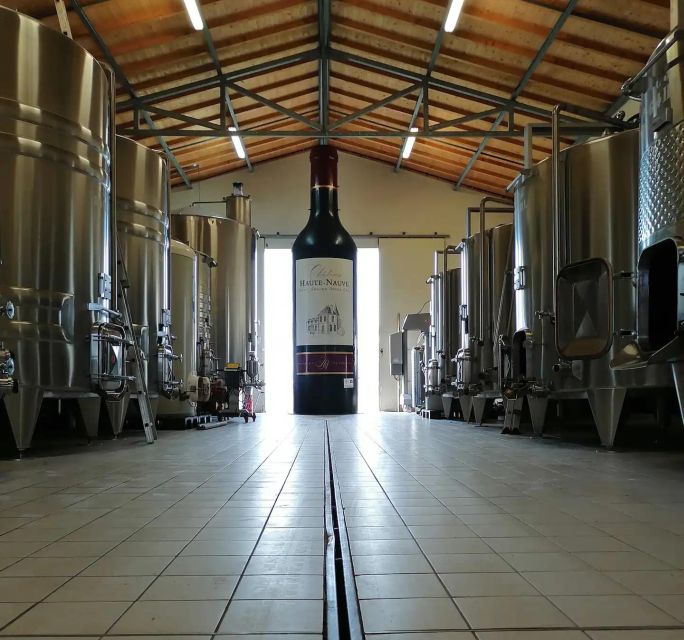
- Vinification cellar tour: fermentation, pumping, and pressing made practical
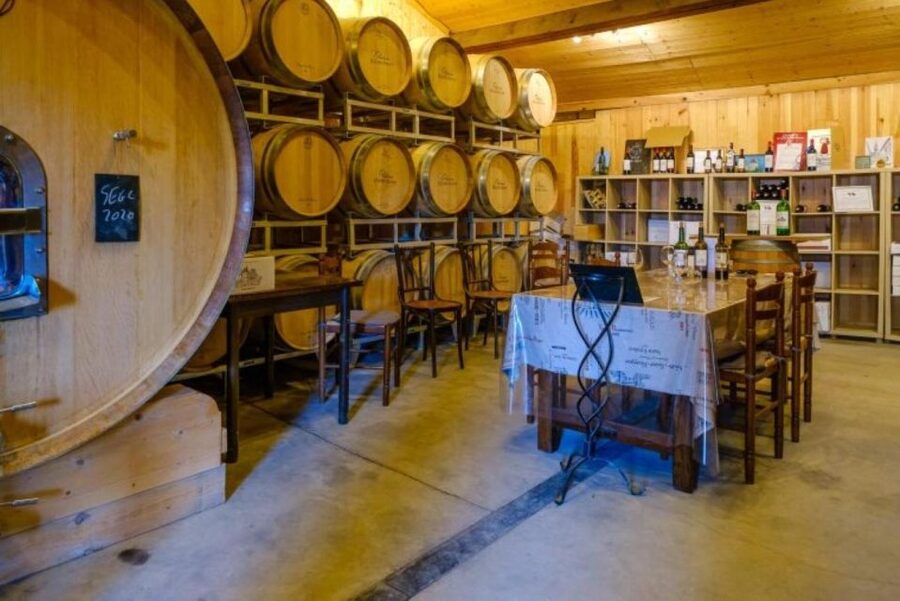
- Barrel cellar aging: traditional methods you can actually see
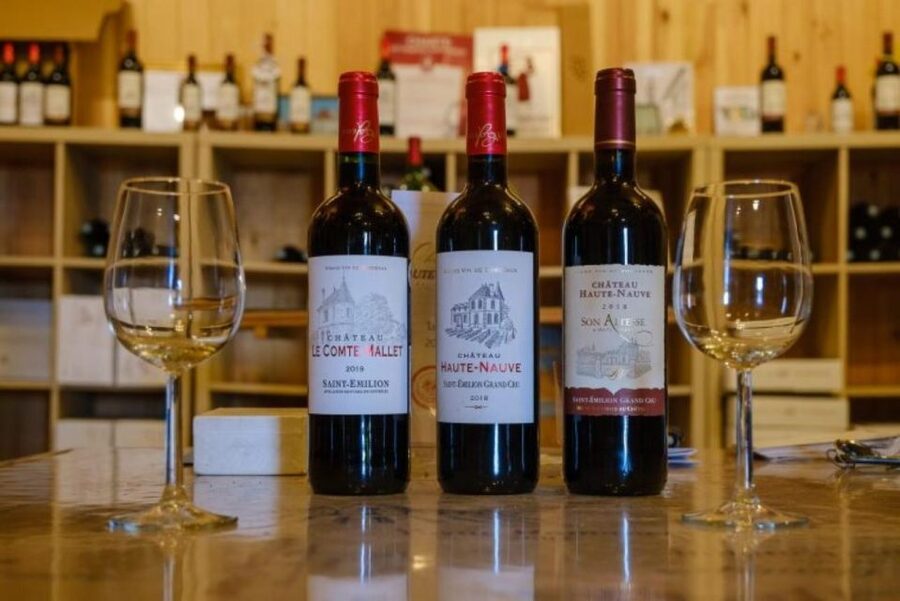
- The tasting: four Château Haute-Nauve wines, including two Grand Cru picks
- Buying and shipping: taking the best bottles beyond Saint-Émilion
- Price and value: why $18 can feel like a bargain
- Practical tips for a smooth visit
- Who should book this family vineyard visit
- Should you book Château Haute-Nauve?
- FAQ
- Where do I meet for the tour?
- How long does the visit last?
- How much is the tour?
- Is food included?
- Is transportation included?
- How many wines do you taste, and what are they?
- Who guides the tour?
- What languages are offered?
- What should I bring?
- Can I buy or ship the wines, and is there free cancellation?
- Quick verdict
Key things I’d pencil into your Saint-Émilion day
- Marie-Anne or Florent leads the tour, so it stays personal and direct
- Vineyard, vinification cellar, and barrel cellar, all in one tight 75-minute visit
- Fermentation, pumping, and pressing are explained in plain, human language
- Tasting four wines, including two Saint-Émilion Grand Cru wines, plus a rosé
- Small group limit of 10, which makes it easy to ask questions and linger at the right spots
- You can purchase and ship wines from the estate at the end of the visit
Entering Château Haute-Nauve, family run since 1930
If you want Saint-Émilion wine without the stiff, performative vibe, this is a great fit. You go straight to Château Haute-Nauve, and you will be guided by the family themselves, either Marie-Anne or her son, Florent. They are the fourth generation of ownership, and that matters because the tour is built like real work, not like a script.
The group stays small, capped at 10 participants, so it does not feel like you are watching from the back. You can ask the small questions, like why certain steps happen in a particular order, or what the winemaker is trying to control when grapes become wine. If you are the kind of person who likes details, you will get them. If you are newer to wine, the explanations are paced to keep you with the group.
The setting is also part of the value. This is not just a room and a tasting sheet. You are walking from the vineyards into the production spaces, which makes the tasting feel earned. Also, languages are covered, with French and English offered, so you are not stuck if you do not want to guess your way through technical terms.
More Saint-Emilion wine days:
- From Bordeaux: Afternoon Saint-Emilion Wine Tasting & snack
★ 4.8 · 1,581 reviews - Medoc or Saint Emilion Wine Tasting and Chateau from Bordeaux
★ 5.0 · 1,415 reviews - Saint Emilion Day Trip with Sightseeing Tour & Wine Tastings from Bordeaux
★ 5.0 · 1,120 reviews
Vineyard walk: how the appellation connects to what ends up in the glass
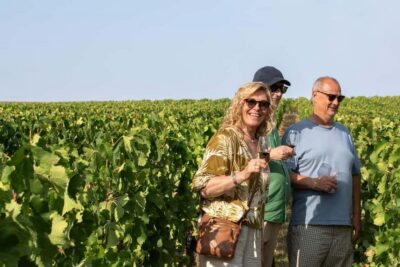
The tour starts outdoors, with time on the vineyard side of the estate. You will explore the vineyard and hear about the family’s multi-generation story in Saint-Émilion. You also get a sense of the grape varieties specific to the Saint-Émilion appellation, which is useful because it explains why the wines taste the way they do later.
This is where the “why” clicks. When you stand near the vines, you stop treating wine as a finished product and start seeing it as a chain of choices. The guide frames those choices around what happens next in the cellar, so by the time you reach vinification, you already understand what they are aiming for.
One practical tip: wear comfortable shoes. These vineyard paths and cellar floors are not designed for slick soles. Bring a hat too, since you may be outside before you settle into cooler cellar air.
Vinification cellar tour: fermentation, pumping, and pressing made practical
After the vineyard, you move into the vinification cellar, where the estate makes wine. This part is often where tours either become too technical or too vague. Here, the focus is on the steps that actually shape the wine, and you learn what happens during fermentation, pumping, and pressing.
Here is how this matters for your tasting.
Fermentation is where grape juice turns into wine, and the guide explains it so it sounds like a process, not a magic moment. Pumping connects to how the winemaker manages contact between juice and grape skins during fermentation, which can influence color and texture. Pressing is where wine separates from solids, which helps determine the structure and how the final blend can behave.
Even if you have never used these terms before, you will likely leave with a clearer mental model. You also get to see the cellars that support the process, including tanks and other equipment used along the way. Seeing the physical setup makes the explanations stick.
One extra detail you might appreciate: the tour may include short visual aids. Some guests have noted the guide uses videos to make the technical bits easier to follow. If you learn best by seeing how something works, that is a real plus.
Barrel cellar aging: traditional methods you can actually see
Next comes the barrel cellar, where the atmosphere changes. You are in the aging portion of the journey now, and the focus shifts from making wine to shaping it over time.
The guide shows traditional methods for aging wine in barrels, and you get context for why aging is not just “waiting.” Barrels influence how wine develops through slow contact with the wood and through gentle oxygen exchange. The guide’s explanations help you connect that to the style you will taste later, including the estate’s more elevated Grand Cru selections.
This stop also gives you a break from the technical lecture feel. Even if you are not hunting for every detail, the barrel cellar is where you can feel the craft. You are standing where the wine’s personality is built.
And because the tour is small, you can spend a bit more time with the guide if a question sticks. I like that you do not feel rushed through the explanation, which can happen on larger tours.
More vineyard visits in Saint Emilion:
- Saint-Émilion: Grand Cru Classé Winery Visit and Tasting
★ 4.6 · 1,118 reviews - Saint Emilion Half-Day Trip with Wine Tasting & Winery Visit from Bordeaux
★ 4.5 · 1,034 reviews - Saint-Emilion Electric Bike Day Tour with Wine Tastings & Lunch
★ 5.0 · 696 reviews - Saint-Emilion Afternoon Wine Tour – 2 Wineries & delicacies
★ 5.0 · 614 reviews
The tasting: four Château Haute-Nauve wines, including two Grand Cru picks
The tasting is the moment most people book for, and it is handled in a relaxed, guided way. You taste 4 Château Haute-Nauve wines, and the lineup is clearly described, which makes it easier to compare what each wine brings.
What you taste:
- 2 Saint-Émilion Grand Cru wines
- 1 Saint-Émilion wine
- 1 rosé
Those Grand Cru selections are the headline. Saint-Émilion’s Grand Cru label typically signals wines made with a higher level of ambition and reputation in the appellation. Even if you are not a classification nerd, tasting two Grand Cru wines back to back gives you a strong sense of what changes when a winery aims higher.
The rosé slot is also smart. It gives you a contrast against the red wines, so you can notice differences in fruit expression and texture as you move through the flight.
How I recommend you taste: pick one thing to focus on per glass. On the first wine, focus on aroma, on the second, focus on texture, on the third, focus on structure, and on the rosé, focus on brightness and balance. You will end up remembering the wines more than if you try to evaluate everything at once.
The tasting is also not just for show. You should feel free to ask which wine the guide recommends for your style preferences, because the family can connect the wine to the moment you plan to drink it.
Buying and shipping: taking the best bottles beyond Saint-Émilion
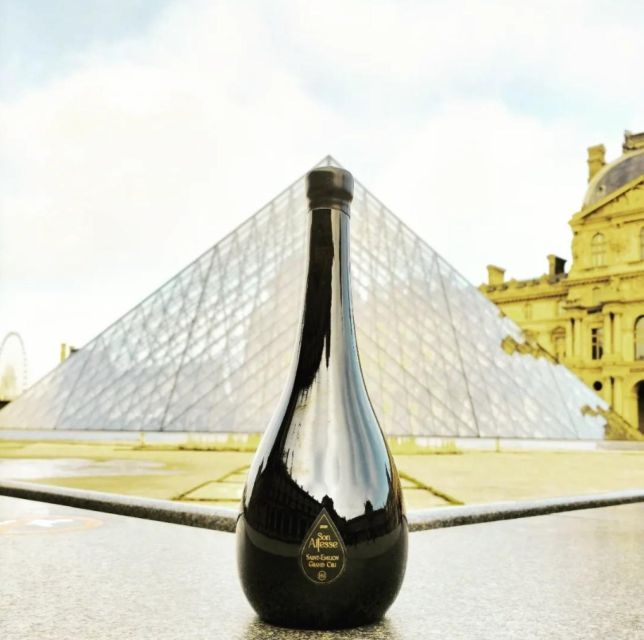
At the end, you have the chance to purchase wines from the estate. That is a key part of the experience because the tasting is tied to what they actually grow and make, not a generic menu.
If you want to bring a bottle home, this works as a souvenir that also turns into a real plan for later. If you are traveling light, you can often arrange shipping, so your favorites do not end up as fragile luggage.
A practical thing to consider: if you buy, decide before you walk away. Once you leave the estate, it is harder to compare how each wine performed in the tasting. In a small group, the end-of-tour moment is usually when people scramble a little, so I would keep your notes in your head and commit there.
Price and value: why $18 can feel like a bargain
At $18 per person, you are paying for a short, owner-led experience that includes vineyard time, cellar visits, and a guided tasting of 4 wines. The value comes from two parts.
First, you are not just touring, you are being taught. The guide covers how the wine is made, from fermentation to pumping and pressing, then explains traditional aging methods in the barrel cellar. That turns a tasting into something you can understand, not just taste.
Second, the wine selection includes two Saint-Émilion Grand Cru wines. Grand Cru wines are typically the kind you might assume come with a higher price tag and higher expectations. Here, they are part of the included flight, which is exactly where value can show up.
One consideration: food is not included. If you are doing this in the afternoon, eat something beforehand so the tasting does not become your main meal plan. Also, transportation is not included, so you should plan how you will reach the château.
Practical tips for a smooth visit
A few small things can make your visit better fast.
- Wear comfortable shoes. Cellar floors and vineyard paths are not always flat.
- Bring a hat if the weather is warm, because you may be outside during the vineyard part.
- Ask questions during the process. Since the group is limited to 10, you can get direct answers.
- Come ready to compare wines. With four pours, having a simple plan for how you taste helps you choose what to buy.
- If you are traveling from Saint-Émilion center, plan for local rides or walking time. Transportation is not included, so do not count on a pickup.
Also, since the tour is French and English, if you have any strong preferences, tell the guide early. The tour moves at a human pace, and that helps the host tailor the explanations to your level.
Who should book this family vineyard visit
This tour fits best if you want wine education that feels grounded in real work. I especially recommend it for:
- Wine lovers who like process, not just tasting notes
- First-timers who want the steps explained clearly
- Travelers who prefer a small group and a friendly, conversational guide
- People who want to buy a few bottles with confidence because they understand what they tasted
It may not be the best match if you want a full day experience, or if you expect a food pairing included with the tasting. This is built around a tight, 75-minute flow, so you get focused content, not a long, leisurely meal program.
Should you book Château Haute-Nauve?
Yes, if you want a high-value Saint-Émilion stop with an owner-led feel and a tasting that includes two Grand Cru wines. I think the biggest win is the combination: vineyard context, vinification steps like fermentation and pressing, then barrel aging, all before you taste.
If your priority is a big food setup or you want transportation handled for you, then look for something else. But for most wine travelers who want clarity, charm, and good bottles to bring home, Château Haute-Nauve is an easy yes.
FAQ
Where do I meet for the tour?
Meet at Château Haute-Nauve.
How long does the visit last?
The duration is 75 minutes.
How much is the tour?
It costs $18 per person.
Is food included?
No, food is not included.
Is transportation included?
No, transportation is not included.
How many wines do you taste, and what are they?
You taste 4 wines: two Saint-Émilion Grand Cru selections, one Saint-Émilion wine, and one rosé.
Who guides the tour?
The tour is guided by the owner, Marie-Anne or Florent.
What languages are offered?
The tour is available in French and English.
What should I bring?
Bring comfortable shoes and a hat.
Can I buy or ship the wines, and is there free cancellation?
You can purchase wines from the estate and also arrange shipping. There is free cancellation up to 24 hours in advance for a full refund.
Quick verdict
If you want a smart, small-group Saint-Émilion vineyard visit that ends with real tastings of Grand Cru wines, this is worth booking. Just plan your food timing, since no meal is included.
More Wine Tours in Saint Emilion
- Bordeaux: Saint-Emilion and Medoc Full-Day Wine Experience
★ 4.8 · 582 reviews - Saint-Emilion: Grand Cru Classé Guided Winery Visit & Picnic
★ 4.7 · 296 reviews - From Bordeaux: Medoc Half-Day Wine Tour
★ 4.6 · 280 reviews - From Bordeaux: Half-Day Saint-Emilion Wine Tour
★ 4.8 · 257 reviews
More Food & Drink in Saint Emilion
- Saint-Émilion: Bordeaux Vineyard Tour and Wine Tasting
★ 4.8 · 578 reviews - Saint-Émilion: Vineyard Walking Tour and Tasting
★ 5.0 · 404 reviews - From Bordeaux: Saint-Emilion Guided Wine Tasting Tour
★ 4.8 · 319 reviews - Saint-Emilion: Morning Tour with Wine Tasting & Snack
★ 4.8 · 31 reviews
Newly listed around Saint Emilion
- From Bordeaux: Saint-Emilion Wine Tasting Tour★ 4.8 · 24 reviews
- Saint Emilion Wine and Bike Tour★ 4.9 · 22 reviews
- Saint-Emilion : Tasting of 4 wines in a family vineyard★ 5.0 · 19 reviews
- Saint-Emilion: Morning Tour with Wine Tasting & Snack★ 4.8 · 31 reviews
- Saint-Emilion : half-day wine-tour into classified estates★ 4.7 · 22 reviews
- Saint-Émilion: Vineyard Walking Tour and Tasting★ 5.0 · 404 reviews
- Saint-Emilion: Grand Cru Classé Guided Winery Visit & Picnic★ 4.7 · 296 reviews
- Saint-Emilion: Grand Cru Classé Cheese & Charcuterie Visit★ 4.6 · 65 reviews
Saint-Emilion Wine Day Trips, compared.
Afternoon Saint-Emilion Wine Tasting & snack
Read our review →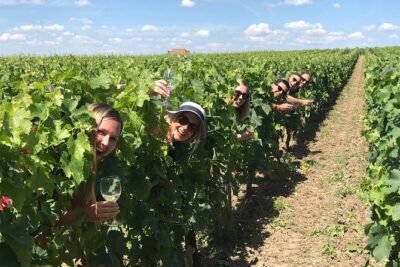
Medoc or Saint Emilion Wine Tasting and Chateau from Bordeaux
Read our review →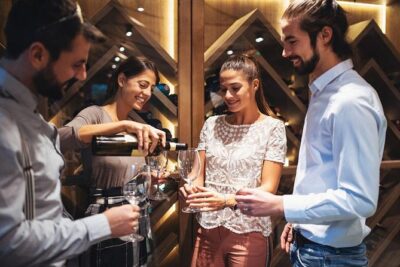
Saint Emilion Day Trip with Sightseeing Tour & Wine Tastings from Bordeaux
Read our review →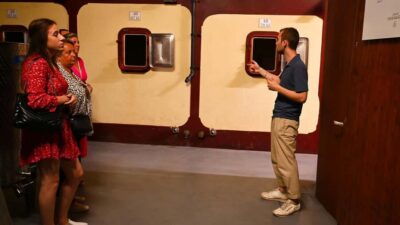
Saint-Émilion: Grand Cru Classé Winery Visit and Tasting
Read our review →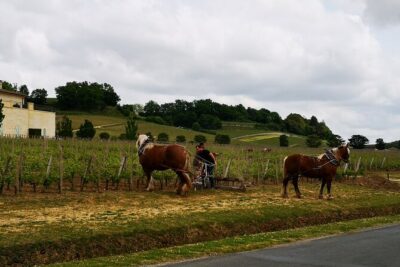
Saint Emilion Half-Day Trip with Wine Tasting & Winery Visit from Bordeaux
Read our review →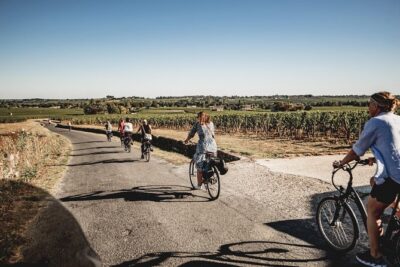
Saint-Emilion Electric Bike Day Tour with Wine Tastings & Lunch
Read our review →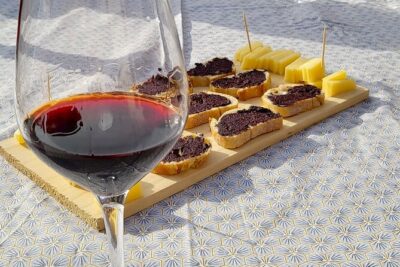
Saint-Emilion Afternoon Wine Tour – 2 Wineries & delicacies
Read our review →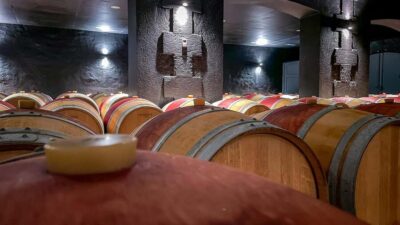
Saint-Emilion and Medoc Full-Day Wine Experience
Read our review →Browse the lists this tour appears in