
Reviewed · FRANCE
Stroll with Madame de Lapérouse in 18th-Century Albi
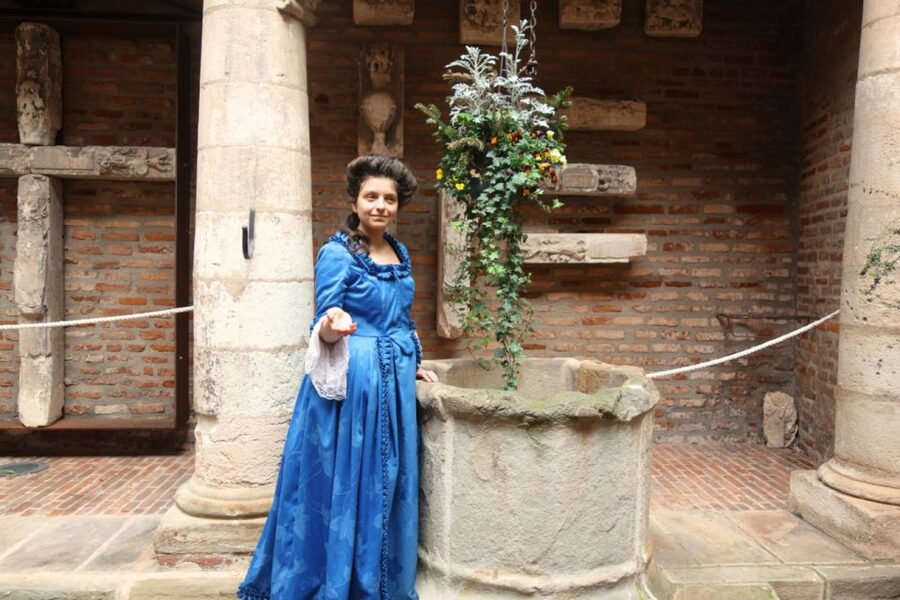
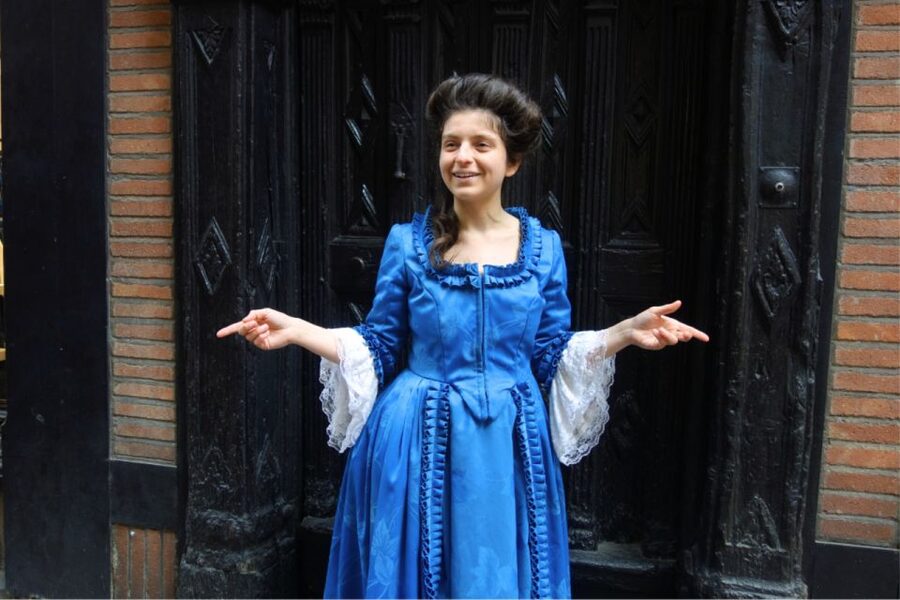
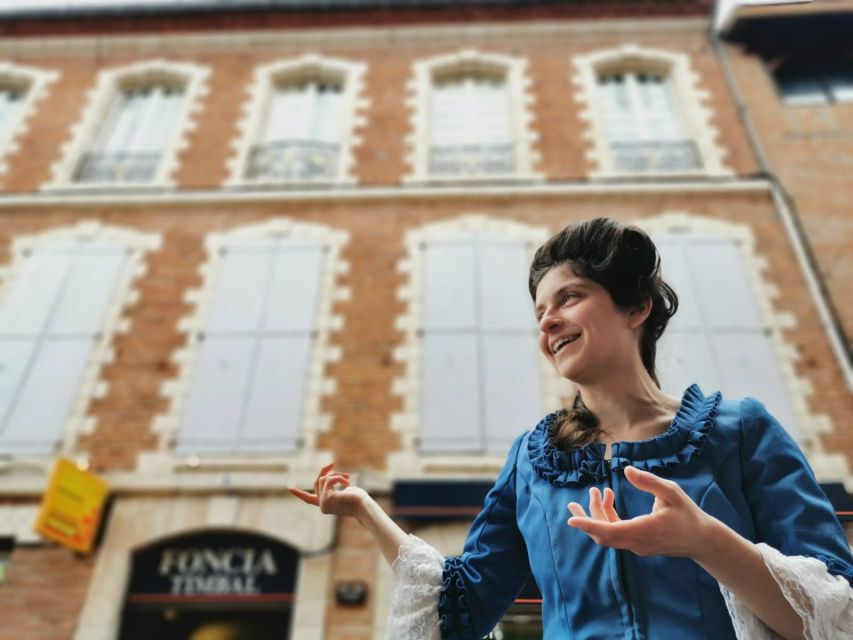
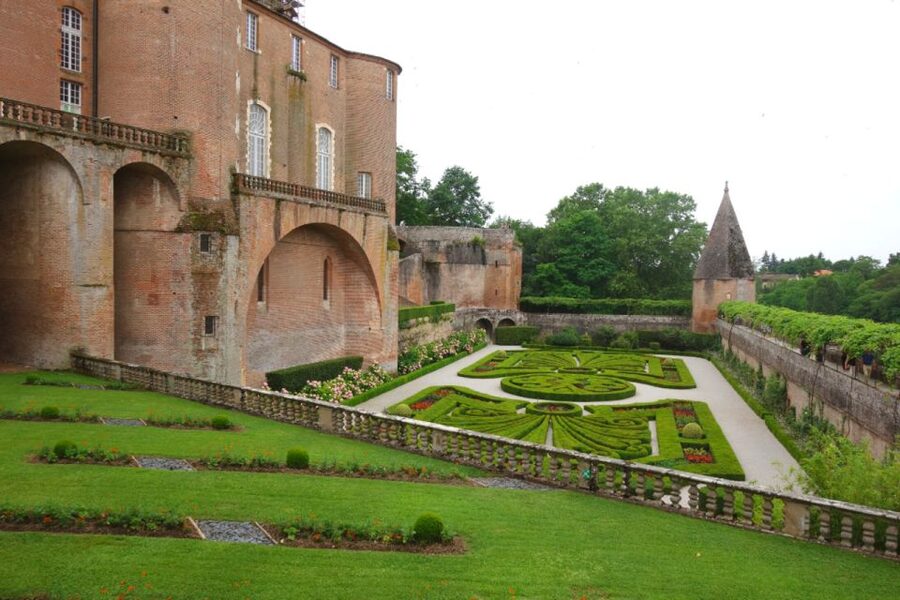
Albi comes alive as a character speaks. On this 90-minute Stroll with Madame de Lapérouse, you walk the UNESCO episcopal city while a guide in 18th-century historical outfit brings the Enlightenment era to life through Madame de Lapérouse’s eyes.
I love the blend of humor and historical anecdotes, because facts stick when someone tells them like a story. I also like the small, intimate group feel, so you get time for questions and a pace that stays easy on your feet.
One possible drawback: the story covers a lot of time, so the chronology can feel a bit packed if you are traveling with younger kids who want strict, school-style timelines. (Also, the tour is not suitable for children under 8.)
In This Review
- Key highlights to know before you go
- Starting at the tourism office and walking the old heart of Albi
- Who Madame de Lapérouse is, and why her perspective lands
- 18th-century Albi, segment by segment: walls, port life, and noble scandals
- 1) From medieval walls to a city in transition
- 2) Port life and the daily energy of commerce
- 3) The whispered scandals of noble families
- 4) The Enlightenment era and the shadow of Louis XVI
- The theatrical guide experience: why the performance makes it easier to remember
- Price and value: is $23 for 90 minutes actually a good deal?
- Weather, timing, and what to bring for a comfortable stroll
- Who should book this Albi stroll, and who might not
- Should you book the Stroll with Madame de Lapérouse in Albi?
- FAQ
- How long is the Madame de Lapérouse stroll in Albi?
- Where do we meet for the tour?
- What language is the tour guide?
- How much does the tour cost?
- Is the tour canceled if it rains?
- Is there free cancellation, and is pay later available?
Key highlights to know before you go
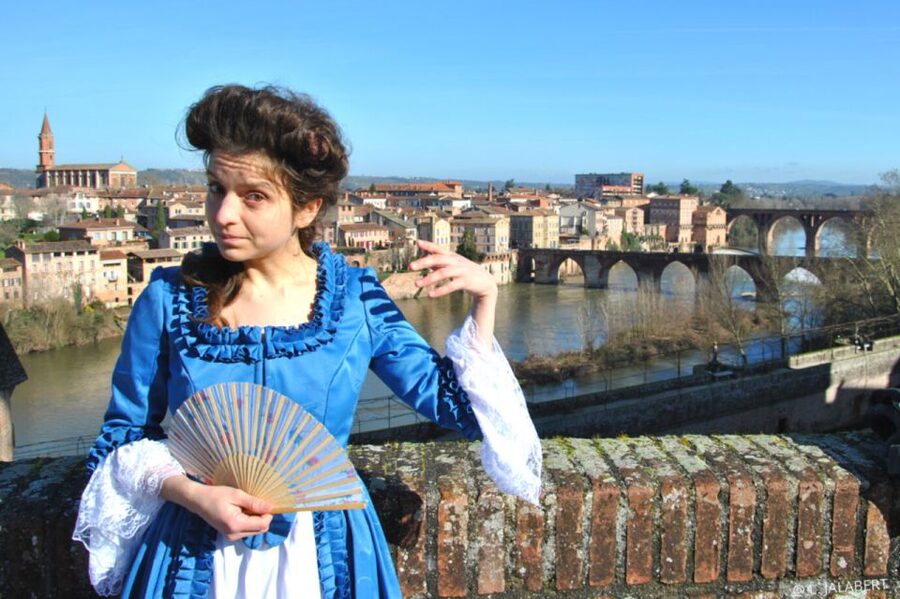
- A theatrical guided tour in period costume, led as Madame de Lapérouse
- A 90-minute walk focused on Albi’s old heart, designed for an easy tempo
- 18th-century stories with laughter, not lectures
- Big themes you will walk through, from dismantling medieval walls to port life and noble-family scandals
- Enlightenment-era viewpoint, including social intrigue tied to King Louis XVI’s time
- Rain or shine, plus wheelchair accessible for those who need it
Starting at the tourism office and walking the old heart of Albi
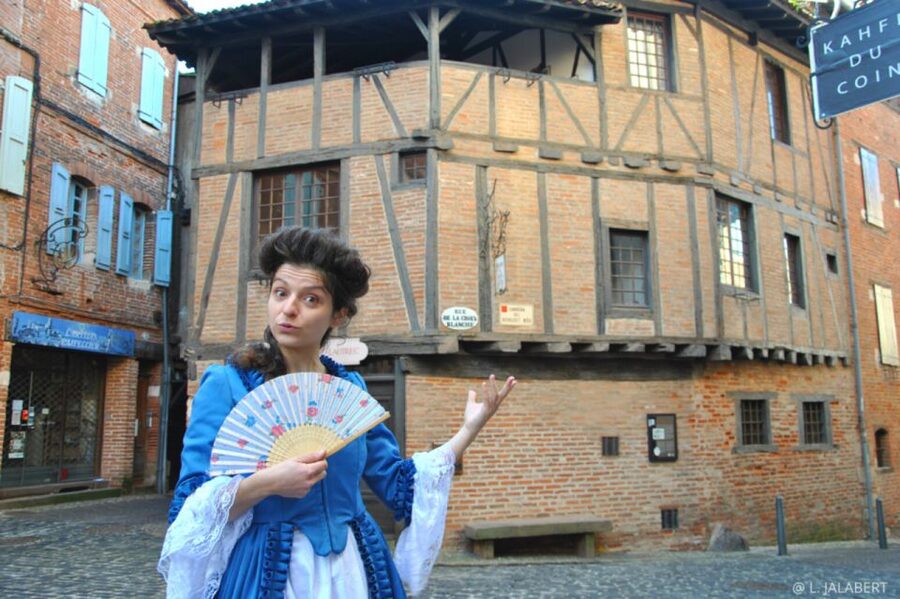
You meet in front of the tourism office in Albi, then you start walking right away. This is not a sit-down museum visit. It’s a street-level experience, built around seeing how the city’s past shaped daily life.
The good news is the format is simple: a live guide in historical outfit, a set duration of about 90 minutes, and an on-foot route through the historic core. That matters because you are not trying to solve logistics while learning the story. You can just follow Madame de Lapérouse’s lead, look where she points, and take in the feel of the episcopal city.
This also explains why the small group size works. When a tour is theatrical, you need space to hear, react, and stay with the character. A bigger group can turn the performance into background noise. Here, the pacing is built for an intimate walk.
Practical tip: wear comfortable shoes. The tour is rain or shine, so if it has been wet in the morning, you will be grateful you chose traction over style.
Elsewhere in France, also good:
- Paris: 1-Hour Seine Cruise departing from the Eiffel Tower
★ 4.4 · 77,472 reviews - Disneyland® Paris 1-Day Ticket
★ 4.6 · 49,412 reviews - Paris: Versailles Palace and Gardens Full Access Ticket
★ 4.6 · 41,579 reviews
Who Madame de Lapérouse is, and why her perspective lands
The tour is framed through Eléonore de Lapérouse, the wife of famed navigator M. de Galaup. That choice is clever. Instead of talking about famous men only, you get a noblewoman’s social world, the kind where reputation, alliances, and gossip can shift outcomes as much as politics.
Madame de Lapérouse is presented as an Enlightenment-era character. As you walk, your guide ties Albi’s local changes to a broader political moment, including the transformation under King Louis XVI. You are not just learning about dates, you are learning how people talked, maneuvered, and reacted to change.
And yes, the humor is part of the point. The best theatrical historical tours do not just decorate the facts. They shape how you understand them. When Madame de Lapérouse tells the story with wit, you end up hearing the human side of power: the tension between public image and private scandal, between old defenses and new ways of living.
This is exactly why the reviews emphasize the guide’s professional portrayal. When the character feels consistent and the jokes land in the right places, you stop thinking of the tour as content. You start treating it like a conversation with someone who lived there, at least for the length of your walk.
18th-century Albi, segment by segment: walls, port life, and noble scandals

The tour covers Albi’s past through a few big lenses, and you can feel the structure as you go. Since it is a walking tour, each theme gets tied to what you are passing at that moment, so it feels less like memorizing and more like recognizing patterns.
1) From medieval walls to a city in transition
One of the themes you will hear about is the dismantling of medieval walls. That is more than an engineering story. It’s a social turning point. When walls come down, a city changes how it moves, where people gather, and how outsiders see the place.
In your walk, this topic sets up the bigger idea of transformation. Madame de Lapérouse frames the city as something that is shedding an older identity and stepping into a newer rhythm. If you like history that explains everyday consequences, this portion is the kind that makes the past practical.
Possible consideration: if you are the type who likes timelines spelled out in exact order, you may want to listen for signposts. The tour is storytelling driven, and some time jumps are the price of keeping it lively.
Within easy reach:
- Paris: Arc de Triomphe Rooftop Tickets
★ 4.6 · 34,264 reviews - Paris: Orsay Museum Entry Ticket
★ 4.7 · 25,647 reviews - Paris: Evening River Cruise with Music
★ 4.4 · 22,721 reviews - Paris: Eiffel Tower Entry Ticket with Optional Summit Access
★ 4.4 · 20,035 reviews
2) Port life and the daily energy of commerce
Another thread is bustling port life. This is where Albi’s story stops being only about power and becomes about movement: goods arriving, people working, conversations happening because someone has something to sell, trade, or negotiate.
Port life also adds a nice contrast to noble intrigue. You hear about the public-facing side of the city, then you hear how elites and ordinary people experienced the same era differently. That contrast helps you hold the whole picture in your head instead of getting stuck in one mood.
3) The whispered scandals of noble families
Then the tour leans into social intrigue. You will hear about noble families and the sort of whispered scandals that traveled through society. This part can be funny, but it is also sharp. It shows how reputation functions like currency.
If you enjoy human stories, not just facts, this is likely the most memorable section. It also helps explain why Madame de Lapérouse as a character works so well. Her role naturally gives her access to the ways people talk, not only the ways they govern.
4) The Enlightenment era and the shadow of Louis XVI
Finally, the tour brings you toward the period of transformation tied to King Louis XVI. The Enlightenment framing matters because it changes how you interpret the changes you heard earlier. Instead of viewing the city as a static medieval relic, you see it as a place adapting to new ideas and new rules of social life.
This is where the tour feels like it has an arc. You start with a city defined by defenses and boundaries. You move through commerce and everyday activity. Then you end with a society that is adjusting to a changing political climate. That arc is what makes 90 minutes feel like a complete story rather than scattered anecdotes.
The theatrical guide experience: why the performance makes it easier to remember
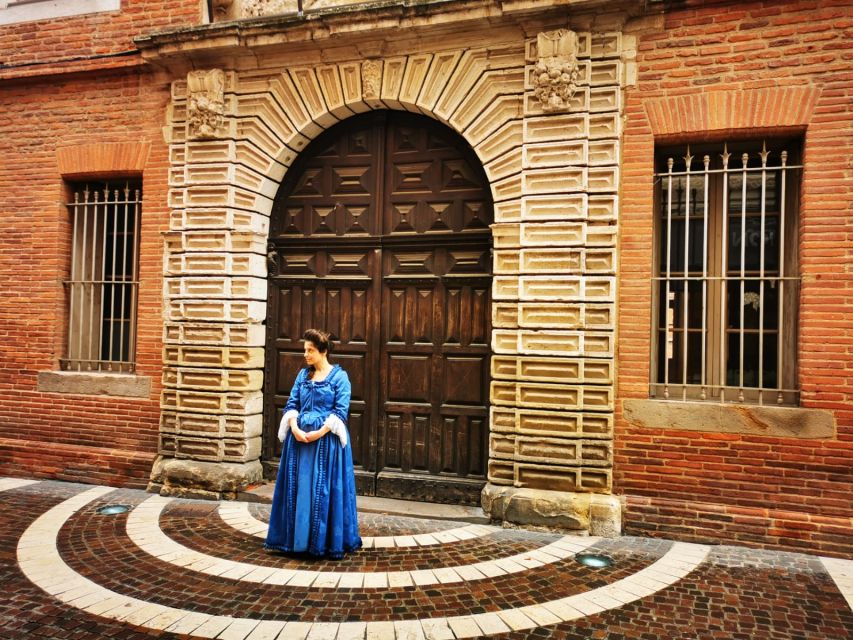
This tour is designed as theatrical guided walking, with the guide wearing historical outfits. That does two things at once.
First, it creates instant context. When you meet your guide as Madame de Lapérouse, you are not asking yourself when or where. The character signals the time period. You start listening like you are part of her world.
Second, the performance turns history into rhythm. Humor and anecdote are not random. They act like cues for your brain. When the guide makes a point with a joke, you remember the point, not the delivery.
The overall tone is lively and captivating, and that is reflected in the high ratings. One theme that pops up in feedback is how professional the storyteller is, and how the character helps turn Albi into something you can picture.
Here’s how you can get more out of it: stay mentally in character mode. When Madame de Lapérouse reacts to what she is telling you, treat it like she is pointing out social stakes, not just historical trivia. That mindset makes the whole walk feel more meaningful, even if you are not a hardcore history person.
Price and value: is $23 for 90 minutes actually a good deal?
At about $23 per person for roughly 1.5 hours, this is priced for a focused, pay-for-the-experience walking tour. You are not paying for transportation, and there is no hotel pickup included. That usually means the value is concentrated where it should be: the live guide, the period performance, and the time in the street.
When a tour like this is worth the money, it is usually because:
- The guide is doing real work in real time, not reading prepared facts.
- The format keeps you engaged for the full duration.
- The storytelling has a clear point of view, not just a list of dates.
Based on what you are told to expect, this tour checks those boxes. The character-based narrative is the product, and the $23 buys that professional theatrical guiding for a 90-minute walk.
If you are trying to stretch your budget in southern France, this is a smart option because it is short, walkable, and can fit neatly into a longer Albi day. You can also pair it with other self-guided time in the city since you will leave with names, themes, and questions in your head.
Weather, timing, and what to bring for a comfortable stroll
This is a rain-or-shine tour. That detail sounds small, but it matters for how you pack. If it has been wet, plan for slick sidewalks. If it is sunny, plan for shade breaks. The tour is only 90 minutes, so you do not need a whole-day kit, but you do want comfort.
You should also expect that the guide is speaking French. The character performance will make the tour engaging even if your French is basic, but it will still be a listening experience. If you understand French well, you will get more from the humor and wordplay.
For best results, show up a few minutes early so you can get oriented. Meeting is in front of the tourism office, and that is also where you can confirm you are with the right group before you set off.
If you are traveling with a wheelchair, the tour is listed as wheelchair accessible. As always, you’ll want to bring any basics you typically rely on for comfort outdoors.
Who should book this Albi stroll, and who might not
This tour is a great match if you want history you can feel in your feet. It’s also a good choice if you like storytelling more than worksheets. Madame de Lapérouse’s point of view adds personality, and the focus on everyday life themes like commerce and reputation gives you more than a monument-focused visit.
It can also work well for families, but with one clear limit: it is not suitable for children under 8. That age note is important. The content covers multiple ideas and a moving timeline, and kids who can follow a story arc will usually do better than those who need strict, lesson-style chronology.
If your group includes children around 8 or older, you might want to set expectations. The humor and character can keep younger minds engaged, but some kids may need you to pause and ask what they just heard about the timeline and who people were.
If you are traveling solo, this can be especially fun because a character-led group tour tends to be friendly. You are likely to interact with the guide naturally, since the tour is built around a lively narrative.
Should you book the Stroll with Madame de Lapérouse in Albi?
I think you should book it if your idea of a good Albi day includes: a short walking plan, a professional guide, and history told with personality. At $23 for about 90 minutes, you are paying for an experience, not just facts. The period costume, the viewpoint of Eléonore de Lapérouse, and the humor are the core value.
Skip it if you need a strict chronological lecture, or if you are bringing children under 8. Also, if you already know you want a self-paced, silent sightseeing day, a theatrical guided tour may feel like too much going on.
If you want a memorable way to understand how Albi’s city life shifted under the Enlightenment and what people whispered about behind noble doors, this is one of the more distinctive options in town.
FAQ
How long is the Madame de Lapérouse stroll in Albi?
The tour lasts about 90 minutes, which is also described as a 1.5-hour guided tour.
Where do we meet for the tour?
You meet in front of the tourism office.
What language is the tour guide?
The live guide speaks French.
How much does the tour cost?
The price is $23 per person.
Is the tour canceled if it rains?
No, this tour takes place rain or shine.
Is there free cancellation, and is pay later available?
Yes. You can cancel up to 24 hours in advance for a full refund. There is also a reserve now and pay later option, so you can book without paying today.
Newly listed around France
- Visit the lavender fields, the Gorges du Verdon and Moustiers.★ 5.0 · 17 reviews
- Provence small group half-day wine tour from Aix★ 4.5 · 18 reviews
- Monaco & the French Riviera – From AIX★ 4.5 · 20 reviews
- Picturesque Luberon – From AIX-EN-PROVENCE★ 5.0 · 55 reviews
- 5-Hours Lavender Fields Tour in Valensole from Aix-en-Provence★ 5.0 · 42 reviews
- Luberon Market & Villages Day Trip from Aix-en-Provence★ 5.0 · 250 reviews
- Lunch in Provence: Discovering Local Flavors in Aix-en-Provence★ 5.0 · 38 reviews
- Half day Wine Tour in Côtes de Provence Sainte-Victoire from Aix en Provence★ 5.0 · 27 reviews