
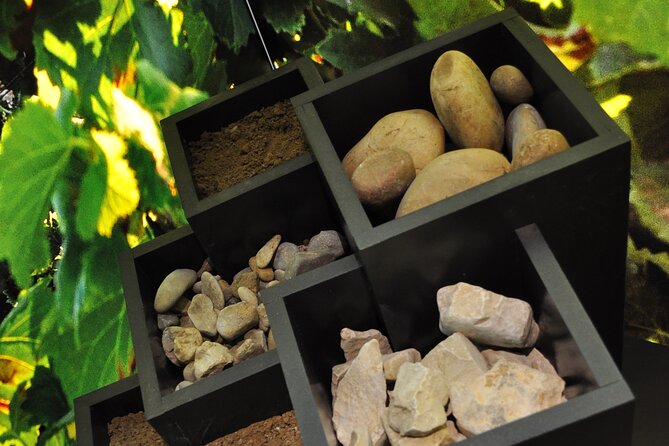
Reviewed · FRANCE
The prestige course at Maison Brotte
A wine museum you can actually use. This prestige course at Maison Brotte pairs a focused 5-wine tasting with access to the Musée du Vin Brotte, the appellation’s only wine museum. You also learn the Brotte story straight from the source, because the museum was created by Jeanne Brotte in 1972, using her family’s own material and timeline.
I especially liked how the sommeliers explain the wines in a way that feels educational, not intimidating, even if you are new to wine. The small-group size, capped at 10, makes it easier to ask questions and actually connect the tasting to what you see in the museum. One heads-up: the tasting can feel a bit fast for people who want a slow, lazy pour and long chats.
Here is what matters most, so you can choose wisely.
In This Review
- Key highlights to know before you go
- Maison Brotte in Châteauneuf-du-Pape: A museum you don’t have to guess at
- Where the 90 minutes fit, and what the flow feels like
- Starting at Musée du Vin Brotte: The context that makes tastings click
- The 5-wine tasting: Educational, but watch your expectations
- Museum highlights that make the region easier to understand
- Your group size, language options, and how the audioguide works
- Châteauneuf-du-Pape beyond the tasting room
- Price and value: $16 for a museum plus a tasting
- Who this prestige course suits best
- Practical tips for getting the most out of it
- Should you book the Maison Brotte prestige course?
- FAQ
- How long is the Maison Brotte prestige course?
- What does the tour include?
- Do I taste exactly 5 wines?
- Is the museum visit self-guided?
- What languages are available?
- Is this experience wheelchair accessible?
- Are pets allowed?
- Is there parking on site, and can I cancel for a refund?
Key highlights to know before you go
- Only wine museum in Châteauneuf-du-Pape, with a clear teaching focus
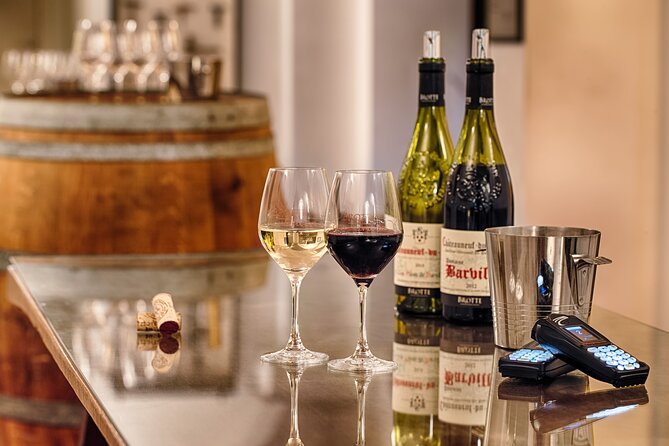
- Tasting of 5 wines paired with museum access
- Family know-how since 1931, tied directly to what you’re tasting
- Audioguide included for the museum visit
- Museum includes topics that are often skipped, like cork
Maison Brotte in Châteauneuf-du-Pape: A museum you don’t have to guess at
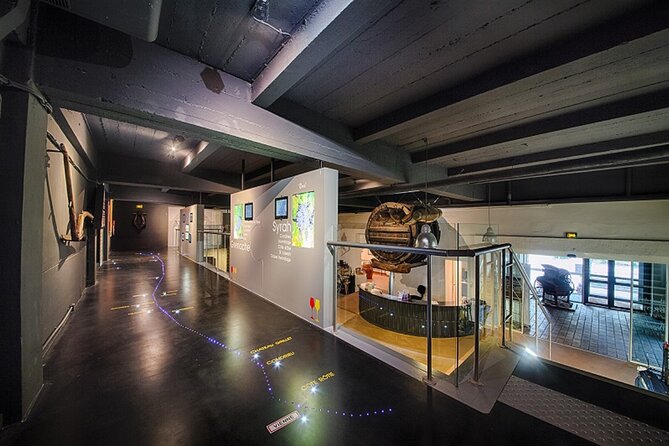
Châteauneuf-du-Pape can feel like a wine theme park if you only do tastings that are heavy on hype. This experience is different because you get context first, so the wines make more sense in your head. The core idea is simple: taste, then learn what you are tasting and why.
Maison Brotte runs the Musée du Vin Brotte, and it’s the appellation’s only wine museum. That uniqueness matters because you are not jumping between random rooms of decor and generic explanations. You’re getting a structured look at vines, wine, and the family behind the estate.
I like that it’s family-led storytelling. The museum traces back to Jeanne Brotte, grandmother of the current owner, who created it in 1972. You’re not just hearing a sales pitch, you’re getting the family’s framework for understanding the region.
Elsewhere in France, also good:
- Paris: 1-Hour Seine Cruise departing from the Eiffel Tower
★ 4.4 · 77,472 reviews - Disneyland® Paris 1-Day Ticket
★ 4.6 · 49,412 reviews - Paris: Versailles Palace and Gardens Full Access Ticket
★ 4.6 · 41,579 reviews
Where the 90 minutes fit, and what the flow feels like
The prestige course is listed as 90 minutes, and it really reads like a tight, efficient format. You start at the Wine Museum Brotte, then spend time tasting while also having access to the museum. In other words, you should expect a packed-and-friendly schedule rather than a half-day wander.
The small group size helps a lot here. With a maximum of 10 participants, the experience doesn’t turn into a crowded production where you can’t hear anything. It’s also easier to follow the audioguide at your own pace once the tasting portion starts or ends, depending on the time slot.
If you prefer slow travel, build in your own buffer mindset. Plan to use the audioguide at the museum with just enough focus to connect big ideas, not to memorize every detail. You’ll still walk away with a cleaner understanding than you would from a standard tasting alone.
Starting at Musée du Vin Brotte: The context that makes tastings click
You begin at the Musée du Vin Brotte itself, which is a big advantage. Most wine tastings drop you into the drinking part first, then try to explain everything afterward. Here, the museum is part of the “why,” not an optional bonus.
The museum’s focus is practical. It teaches you about vines and wine, and it ties those lessons to the Brotte family. That matters for you because Châteauneuf-du-Pape can be confusing at first: varieties, rules, terroir, and history all blend together if you only hear them in fragments.
One extra thing I like is that the museum concept feels designed to be used, not just viewed. The audioguide is included, and one review specifically praised the way the museum is set up and presented. In plain terms, it sounds like you’ll be able to follow along without constantly guessing what you are looking at.
The 5-wine tasting: Educational, but watch your expectations
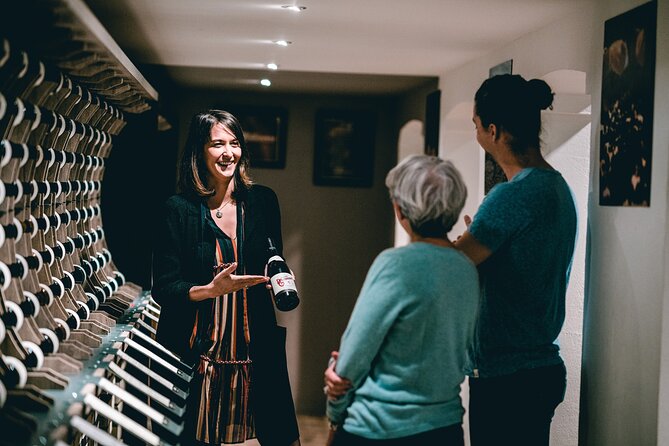
The tasting portion includes five wines, led by sommeliers who explain the wines in an approachable way. One review highlighted that the sommeliers understand the wines top to bottom, and that the tasting stayed educational even for people without a strong wine background. That is exactly what you want when you are paying attention but not trying to become a winemaking expert in 90 minutes.
The balanced part for you is this: you get structure. Five wines is enough variety to teach your palate how different flavors and styles can show up. At the same time, it’s short enough that you can keep your brain engaged instead of drifting into overload.
The main caution comes from a more critical review. The tasting felt rushed to that reviewer, like it leaned toward selling rather than pure enjoyment. If you are the kind of person who wants to linger over each pour, you might find the pacing less romantic and more efficient.
My advice: go in ready to learn. If you treat it like a lesson and focus on what changes from wine to wine, you’ll likely enjoy it more. If you want a long, slow tasting where time stops, plan for a different style of visit.
Within easy reach:
- Paris: Arc de Triomphe Rooftop Tickets
★ 4.6 · 34,264 reviews - Paris: Orsay Museum Entry Ticket
★ 4.7 · 25,647 reviews - Paris: Evening River Cruise with Music
★ 4.4 · 22,721 reviews - Paris: Eiffel Tower Entry Ticket with Optional Summit Access
★ 4.4 · 20,035 reviews
Museum highlights that make the region easier to understand
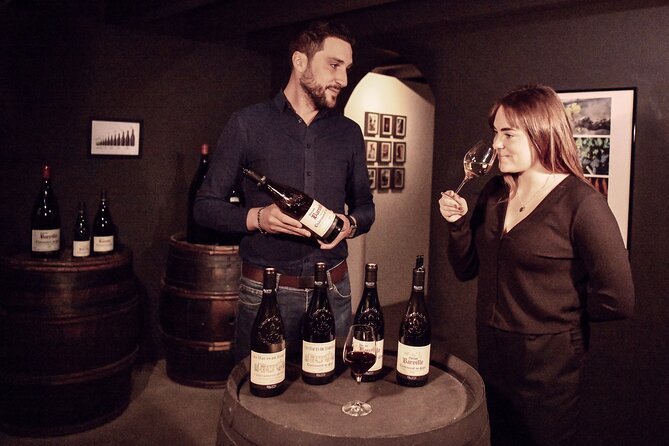
Access to the museum is part of the package, and the audioguide is included. That turns the visit into something you can shape around your interest level, even if you are not a wine nerd yet.
Here are the kinds of topics that make this museum useful. It teaches about vines and wine, then backs it with the Brotte family story. One review also mentioned a section about cork, which is a bit rare for wine museums. If you have ever wondered why closure choices matter, you’ll probably appreciate that it’s not ignored.
You also learn that the museum was created with a long view. Jeanne Brotte’s involvement since 1972 suggests the museum was built to last, and not just to fill a space. For you, that usually means the explanations are organized rather than random.
And since you’re in Châteauneuf-du-Pape, the best part is connecting the regional identity to the wines in your glass. The museum approach can help you spot what to look for next time you visit another estate in the same appellation.
Your group size, language options, and how the audioguide works
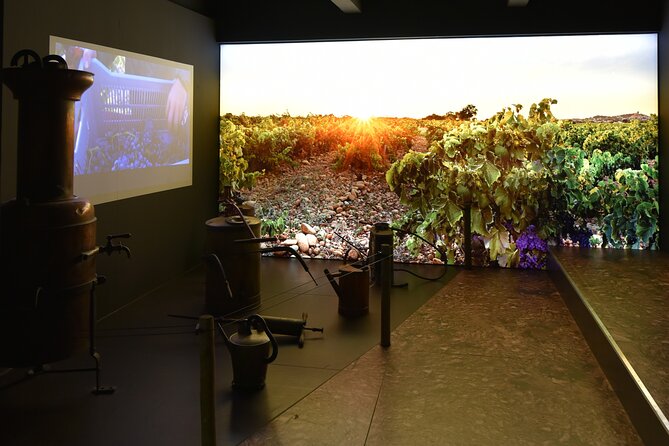
This is a small group tour, limited to 10 participants. That’s not just a comfort detail. It affects the experience quality: you can hear the sommelier, you can follow instructions, and you are less likely to get lost in the shuffle.
Language support is wide. The host or greeter speaks French, English, German, Portuguese, Chinese, Russian, and Spanish, and the audioguide is available in those same languages. That matters because wine terminology can be tricky, and having the museum explanations in your language makes a big difference in how much you get out of it.
The museum is described as self-guided, so you use the audioguide at your own pace. One review said the tour is long and there is quite a bit of information. That is your cue to pace yourself. If you try to consume every panel like a textbook, you will feel rushed. If you pick the main themes and let the rest be optional, it will feel more rewarding.
Châteauneuf-du-Pape beyond the tasting room
Even though the tasting is the headline, the setting is the real reason to come to this area. Châteauneuf-du-Pape is famous, yes, but you can still travel there in a way that feels grounded rather than performative.
This course keeps you inside a wine-education bubble tied to a single family estate. That is a smart way to start. Instead of trying to compare ten châteaux in one day, you learn the structure of the wines and the thinking behind them.
Then, when you go to other places afterward, you’ll have better vocabulary in your head. You’ll notice changes in style, and you’ll be able to ask more specific questions without feeling clueless.
Price and value: $16 for a museum plus a tasting
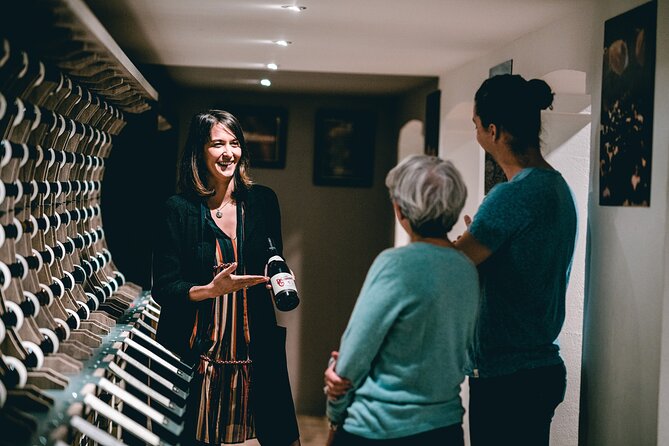
The price is listed as $16 per person, with a 90-minute duration. On paper, that already looks like a strong deal, because you are not only tasting wines. You also get museum access and an audioguide.
The value gets even better when you consider what the tasting is paired with. Many tours charge for wine only, and the “education” is light. Here, the museum includes vine and wine learning, plus family history context, created back in 1972 by Jeanne Brotte. When the tasting and the museum reinforce each other, the money buys understanding, not just alcohol.
What to watch for is your own travel style. If you want maximum sipping time, a compact five-wine format might feel like you paid for a lesson first. If you want to leave with knowledge you can use, $16 for museum access plus tasting is hard to beat.
And if you’re comparing options, remember this is a small group limited to 10. In wine tourism, smaller groups often cost more. Here, you still get that intimacy without a higher price tag.
Who this prestige course suits best
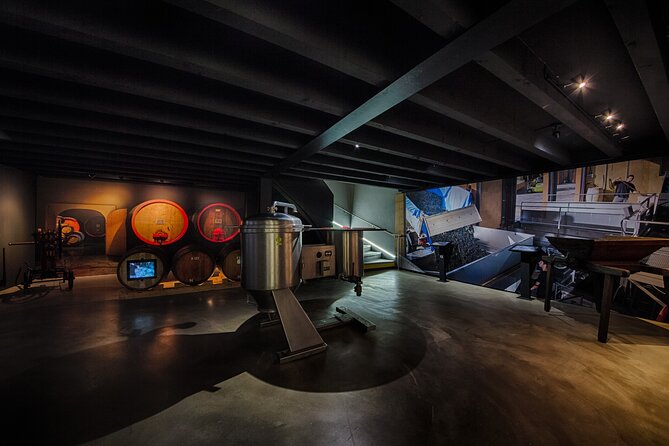
This experience is a great fit if you want a beginner-to-intermediate-friendly introduction to the wines of Châteauneuf-du-Pape, with real explanations behind the pour. It also works well if you like learning while you travel, because the museum content is built to teach.
You’ll probably enjoy it if you:
- Want a structured visit that doesn’t require you to research everything first
- Like tasting five wines with clear guidance
- Prefer small groups over crowded experiences
You might want to choose a different style of tour if you:
- Need an unhurried tasting where every wine gets long discussion
- Mostly want atmosphere and scenery, not a teaching-focused museum
In other words, think “wine education with a tasting,” not “sit back and relax with endless pours.”
Practical tips for getting the most out of it
A few simple choices will improve your experience immediately.
First, treat the audioguide like your “main course,” not a soundtrack. If you only listen halfway, the museum becomes decoration, and you miss the way it connects to what you tasted.
Second, pace your palate. Five wines go quickly. If you want to taste more thoughtfully, take small sips and spend ten seconds between wines thinking about what changed.
Third, if you have cork curiosity, don’t skip that section in the museum. One review specifically called it out as something rare, and it’s exactly the kind of detail that makes a wine museum feel practical.
Should you book the Maison Brotte prestige course?
Book it if you want an efficient, education-first wine experience in Châteauneuf-du-Pape, with both a 5-wine tasting and access to the Musée du Vin Brotte. The combination is the point: you learn vines and wine, then taste with better context.
Skip it if your top priority is slow leisure and long, unstructured tasting time. One review flagged that the tasting can feel rushed, and if you are very sensitive to pacing, that could sour the mood.
FAQ
How long is the Maison Brotte prestige course?
It lasts 90 minutes, so plan a compact visit that combines tasting and museum time.
What does the tour include?
You get a tasting of 5 wines and access to the Wine Museum with an audioguide.
Do I taste exactly 5 wines?
Yes. The experience includes tasting of 5 wines.
Is the museum visit self-guided?
Yes, you have access to the Brotte Wine Museum with an audioguide included.
What languages are available?
The host or greeter and the audioguide are available in French, English, German, Portuguese, Chinese, Russian, Spanish, and Dutch.
Is this experience wheelchair accessible?
Yes, it is wheelchair accessible.
Are pets allowed?
Pets are allowed on leash.
Is there parking on site, and can I cancel for a refund?
There is private parking for cars and campers. You can cancel up to 24 hours in advance for a full refund.
Newly listed around France
- Provence small group half-day wine tour from Aix★ 4.5 · 18 reviews
- Visit the lavender fields, the Gorges du Verdon and Moustiers.★ 5.0 · 17 reviews
- Monaco & the French Riviera – From AIX★ 4.5 · 20 reviews
- Picturesque Luberon – From AIX-EN-PROVENCE★ 5.0 · 55 reviews
- 5-Hours Lavender Fields Tour in Valensole from Aix-en-Provence★ 5.0 · 42 reviews
- Luberon Market & Villages Day Trip from Aix-en-Provence★ 5.0 · 250 reviews
- Lunch in Provence: Discovering Local Flavors in Aix-en-Provence★ 5.0 · 38 reviews
- Half day Wine Tour in Côtes de Provence Sainte-Victoire from Aix en Provence★ 5.0 · 27 reviews