
Reviewed · AVIGNON TOURS & ACTIVITIES
Visit Avignon and Villeneuve lez Avignon aboard a Double-Decker Bus
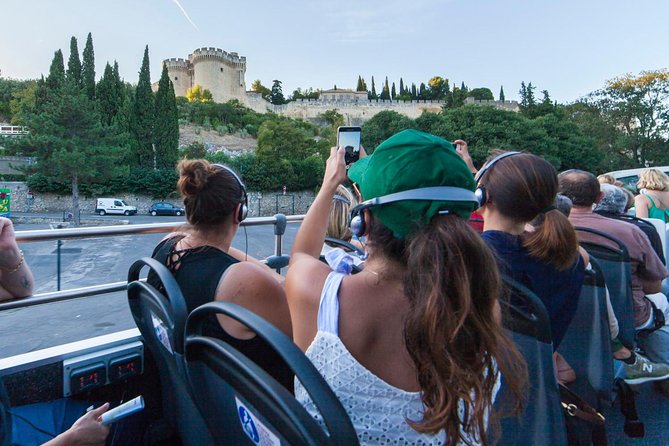
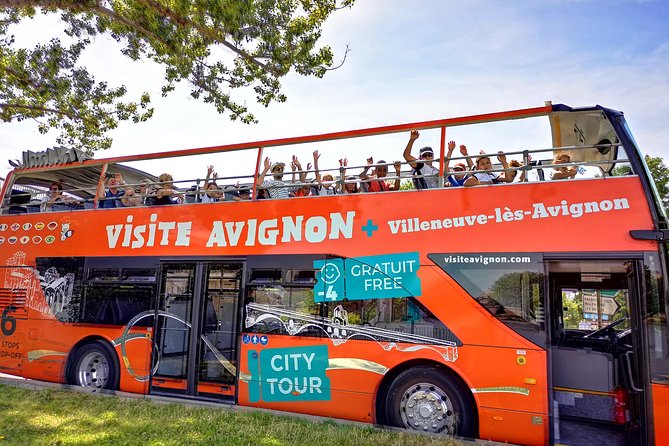
Avignon looks postcard-perfect, then the bus shows you the back roads. This double-decker loop is built for orientation, so you get big Avignon sights without trying to stitch together buses and walking routes on your own. You’ll ride with English audio and hop at key points that connect the papal city to nearby Villeneuve.
I especially like two things: first, the Pont Saint-Benezet stop, where you can connect a famous song to a very real medieval bridge story. Second, the sheer point-and-shoot value for getting across the Rhône, because the route includes both the fort and the gardens area plus a riverside break for views back toward the city of popes.
One drawback to plan around: this is a bus loop, so pacing can feel tight and traffic may cut into your time at stops. If you hate rushing or you need lots of photo time at the window of a moving bus, you’ll want to time your off-and-on carefully.
In This Review
- Key Highlights That Make This Ride Worth Your Time
- A Double-Decker Bus Loop That Helps You Understand Avignon Fast
- Price, Ticket Type, and the Cr Jean Jaurès Meeting Point
- Pont Saint-Benezet: The Song, the Bridge, and the Pope-Route Logic
- Lambert Collection: Modern Art in an 18th-Century Mansion
- Philippe le Bel Tower: Medieval Military Architecture With a Clear Purpose
- Fort Saint-André Gardens: A Short Walk With Big View Payoff
- Abbey of Saint-André: Vaulted Rooms, Romanesque Remains, and Garden Beauty
- Chartreuse de Villeneuve-lès-Avignon: Pope-Driven Power in a Cardinal Residence
- Ile de la Barthelasse: A Green Break Across the Rhône
- Pacing, Audio, and Photo Realities on a Big Loop
- Who Should Book This Avignon and Villeneuve Bus?
- FAQ
- How much does the Avignon and Villeneuve double-decker bus cost?
- How long is the tour?
- Is the tour offered in English?
- Do I need to buy separate tickets for all stops?
- What’s the meeting point and where does the tour end?
- Is there a cap on group size?
- What ticket format do I receive?
- Are service animals allowed?
- What if the weather is bad?
- Can I cancel and get a refund?
- Should You Book This Avignon and Villeneuve Bus Tour?
Key Highlights That Make This Ride Worth Your Time
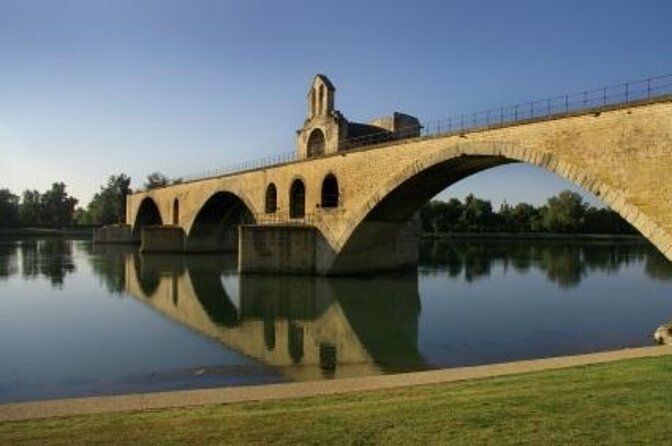
- Pont Saint-Benezet and the Bénezet chapel ties the famous song to the real medieval bridge.
- Fort Saint-André gardens give you a high-payoff outdoor stop with a strong reputation in France.
- Chartreuse de Villeneuve-lès-Avignon connects Pope-driven power in the 1300s to what you can still see today.
- Ile de la Barthelasse offers a short rest and a panorama right across the Rhône.
- Lambert Collection (modern art) is a thoughtful detour if you want culture beyond stone churches.
A Double-Decker Bus Loop That Helps You Understand Avignon Fast
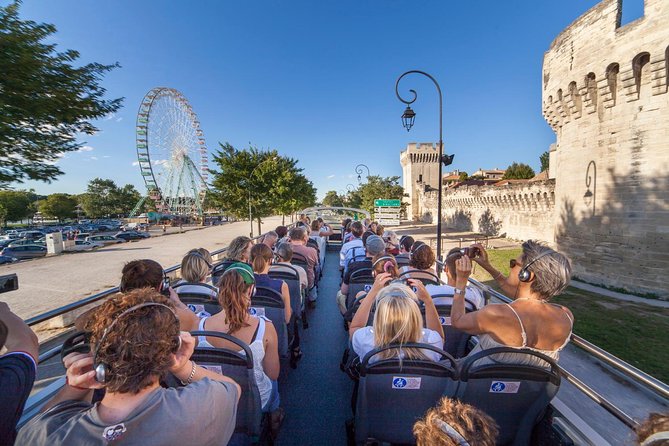
Avignon can feel like two places at once. You’ve got the dramatic papal palace area, then you’ve got rivers, bridges, and nearby cities that explain why this region mattered. This ride uses a double-decker bus format to help you see the edges of the story, not just the postcard center.
The value here is orientation. Even if you later come back to walk a neighborhood in depth, you’ll know what you’re looking at: where the Rhône bends, how Villeneuve lines up across the water, and why access points mattered enough to build military towers. It’s a practical first day move, especially if your time is short.
You’ll also appreciate that the tour is designed around multiple stops, not one quick drive-by. Some stops include time to stroll or linger in gardens, and one stop is explicitly a short “pause and look” moment across the river.
Other Avignon bookings to consider
- Provence Highlights Full-Day Tour from Avignon
★ 5.0 · 499 reviews - Chateauneuf du Pape wine tour
★ 5.0 · 484 reviews - From Avignon: Châteauneuf du Pape Half-Day Wine Tour
★ 4.7 · 365 reviews
Price, Ticket Type, and the Cr Jean Jaurès Meeting Point
This costs $16.30 per person, and you get a paper ticket. That’s a small detail, but it matters when you’re traveling light. It also keeps things simple if you don’t want to rely on app check-in.
The meeting point is at 40 Cr Jean Jaurès, 84000 Avignon, and the activity ends back there. That makes your day easier to manage. You are not hunting for a new drop-off point at the end when you’re already tired.
The group size is capped at 73 travelers, which is large enough to be organized, but not the kind of crowd that swallows you. You’ll be riding mostly for views and context, then stepping off at specific sites where you can actually look, read, and walk around for a bit.
Pont Saint-Benezet: The Song, the Bridge, and the Pope-Route Logic
Stop one is Pont Saint-Benezet (Pont d’Avignon), the bridge made famous by On the bridge of Avignon. But this is not just a fun sing-along stop. It’s a window into how medieval travel worked between Italy and Spain, since this bridge sat on a major pilgrimage route.
Here’s what makes it click once you’re there. Construction started in 1177, and the first bridge stretched about 920 meters with 22 arches and a width of about 4 meters. It took roughly eight years, finishing around 1185, then it faced destruction during the siege of 1226, when it was broken down to the fourth arch.
The replacement bridge ran for about 900 meters with about 22 arches again. So even though the bridge you see is a fragment of the whole medieval structure, the proportions and scale still give you a sense of why it mattered. The bus stop sets you up to notice that this was a major engineering project, not a minor crossing.
There’s also a power shift angle. When the papal court moved to Avignon in the 1300s, cardinals later moved to Villeneuve to avoid what Petrarch described as Avignon’s unpleasantness. The bridge became a practical link between the cardinals’ residences and the Palais des Papes inside Avignon’s ramparts.
One more detail worth paying attention to: at crossings, the popes used to stop near the Bénezet chapel to pray and leave an alms of a florin. That small ritual turn makes the bridge feel human, not just historic.
Practical consideration: the bridge area is a standing, looking, and reading kind of stop. If you want photos, expect other people and plan to step off early for the best angles.
Lambert Collection: Modern Art in an 18th-Century Mansion
Between medieval stone and fortress views, the bus also includes a stop at the Museum of Modern Art, specifically the Lambert Collection. This is a smart add-on if you worry that Avignon’s “greatest hits” will all look the same.
The Lambert Collection opened in June 2000 for Avignon’s European Capital of Culture celebrations. It started when collector Yvon Lambert decided to deposit his personal collection in a former 18th-century mansion, with an eye toward future donation.
What you’re dealing with here is scale and variety. The museum houses 350 works from the 1960s to the present, and it is supported by more than 1,200 references. The museum covers about 2,000 m2, and it’s organized into five sectors: exhibitions, preventive conservation, youth activities, the bookstore plus artists’ editions, and a restaurant in the courtyard of the mansion.
Even if you only have part of an hour, it’s worth using the time for one good loop. Look for the work that “stops” you, then read what the museum wants you to notice. This stop is a reminder that Avignon isn’t frozen in the Middle Ages, and it’s a good break from heat, crowds, or constant stairs.
Note on tickets: the provided details say some admissions are not included for certain stops, but they do not spell out admission rules for the Lambert Collection in the same way. If you want to be 100% sure, check the exact inclusion on your confirmation message.
Within easy reach:
- From Avignon: Full-Day Best of Provence Tour
★ 4.7 · 338 reviews - From Avignon: Half-Day Great Vineyards Tour
★ 4.8 · 337 reviews - Provence Cru Wine Small-Group Half-Day Tour from Avignon
★ 4.5 · 290 reviews - Châteauneuf du Pape Wine Day Tasting Tour including Lunch from Avignon
★ 5.0 · 287 reviews
Philippe le Bel Tower: Medieval Military Architecture With a Clear Purpose
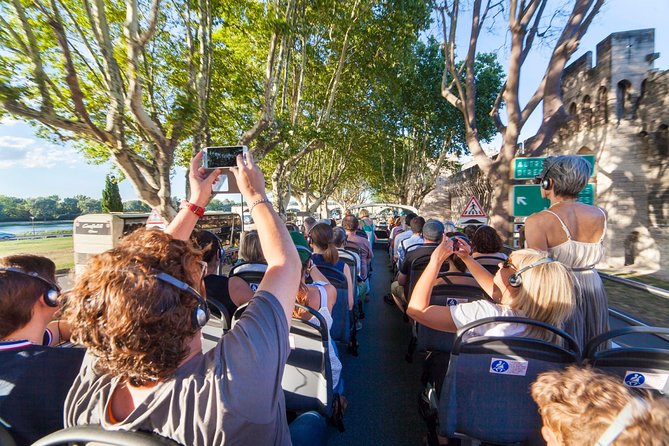
Another stop highlights the Philippe le Bel Tower, built in the 13th century under the Capetian king who constructed it for a specific goal: controlling access to the Pont d’Avignon.
I like this stop because it gives you a “why” behind the architecture. A tower near a bridge is not there for decoration. It’s there so someone can watch who crosses and enforce control around a strategic choke point.
It also helps explain the tension between papal rule and royal power. The tower is described as a strong medieval military example, symbolizing royal authority in the face of papal control. That theme runs under much of this region’s story, and it becomes easier to understand after you’ve seen both Avignon’s papal center and these nearby defensive or administrative sites.
If you’re the type who likes quick “read the building” moments, this is one of those stops.
Fort Saint-André Gardens: A Short Walk With Big View Payoff
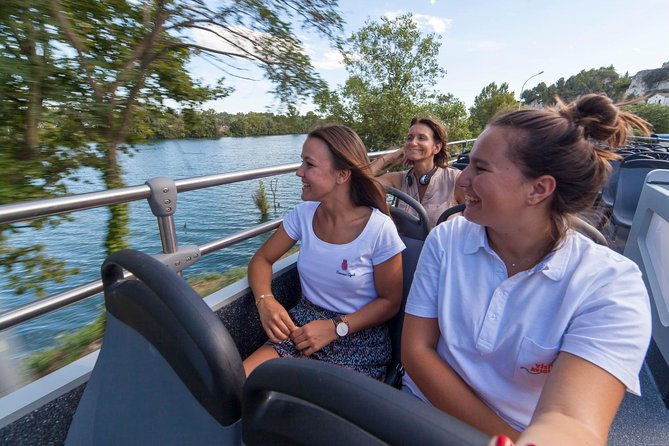
Stop two is Fort Saint-andre, tied to construction at the end of the 12th century. In the 14th century it defended the Benedictine abbey of the same name. That puts the fort in the same defensive logic as the tower, except here the experience is more about terrain and gardens than control points.
The gardens are described as among the most beautiful in France, and that matters because it’s easy to show up in a place like this and only get stone walls and wind. Here, the main attraction is meant to be the walk and the views.
The stop time noted is about one hour, and it lists admission as free. That combination is hard to beat for value. You’re not paying extra to access the setting, and the gardens label is the kind that signals you’ll actually find designed beauty, not just a random green space.
If you want photos, come prepared for a “pause and frame” experience rather than a long tripod session. Wind off the Rhône can be a thing, and you might share angles with other people.
Abbey of Saint-André: Vaulted Rooms, Romanesque Remains, and Garden Beauty
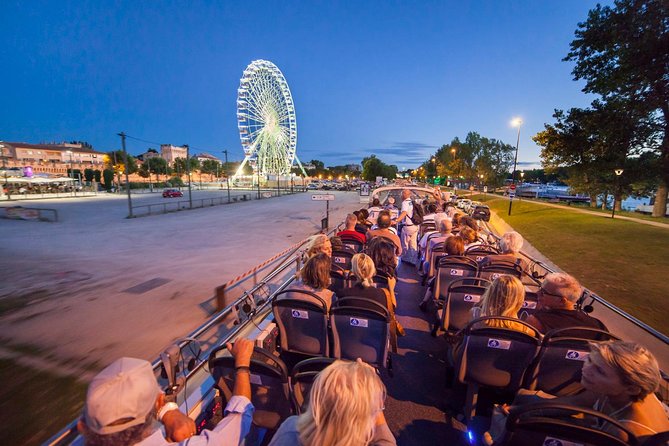
This stop continues with the Abbey of Saint-André. The description focuses on both the interiors and the grounds.
Inside, you’ll find vaulted rooms with decoration from the 17th century. Outside, the grounds are where most people will feel the payoff. The gardens received the label Remarkable Gardens, and they’re described as truly worth the detour. You’ll see Romanesque remains alongside Renaissance Tuscan style ornaments, with roses and Mediterranean plants placed in the middle of the garden beds.
This is one of those places where a little time goes far if you’re willing to slow down for five minutes at a time. Start with the view points, then circle back to the garden details. If you’re traveling with someone who gets impatient with museums, gardens here are likely to land well.
Practical note: this stop is also connected to the fort area, so plan for a little walking and some steps. Comfortable shoes matter.
Chartreuse de Villeneuve-lès-Avignon: Pope-Driven Power in a Cardinal Residence
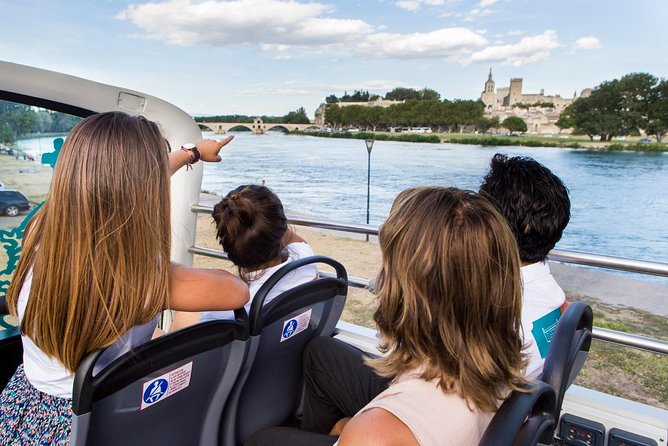
Stop three is the Chartreuse de Villeneuve-lès Avignon, tied to Pope Innocent VI. It was built starting 1353, and it served as a former cardinal residence.
The important context is what the chartreuse means historically. It wasn’t just a random church complex. It was a political and spiritual base for people with major authority, and that helps you read what you see. A chartreuse house in this setting is about influence, not just quiet life.
The stop description says it’s housed in a 14th-century mansion, where many cardinals followed after being involved in this papal period. That means you’re not just looking at a building, you’re stepping into a structure that was part of the web of church leadership around Avignon.
Admission is noted as not included, so treat it as a “maybe spend your time” stop. If you know you want to go inside, budget time for it. If you just want views and context from outside, you can still get value, but don’t expect a full museum-style visit if your time is limited.
Ile de la Barthelasse: A Green Break Across the Rhône
Stop four is Ile de la Barthelasse, a green area on the right bank of the Rhône described as a “green lung” of 700 hectares. You get about 10 to 15 minutes here, and the point is clear: relax and enjoy the panorama of Avignon’s papal city directly opposite.
You can also keep moving if you want. The description notes you can take a bike ride or reach the historic center by using the free river shuttle. That flexibility is useful if your group has different pacing preferences.
Admission is free, which makes it a good place to add on even if you decide not to go inside other stops. For a short tour, free time with views is exactly what you want.
This is also a great “reset” moment. After medieval walls and garden walking, a riverside pause helps your brain store what you just learned.
Pacing, Audio, and Photo Realities on a Big Loop
One reason some people feel mixed about bus tours is simple: you’re on a schedule, and traffic can happen. On this loop, the ride between stops includes enough motion that you might not be able to hold still for photos from the upper deck. The bus also has open-air and sun angles, so the best photos often happen when you’re stopped, not while moving.
The experience is in English, and it’s set up for an audio-style presentation during the drive. In general, that works well because you can look out at the Rhône and still get the context. But if your audio device or the speaker connection seems off, fix it right away by alerting the driver rather than waiting it out.
Also watch for stop clarity. Some people reported confusion with stop mapping, and they had to wait longer. My advice is boring but effective: arrive a little early and use your phone for navigation rather than relying on a printed map alone.
Who Should Book This Avignon and Villeneuve Bus?
This is a strong choice if you want fast orientation and a “greatest hits plus context” approach. You’ll get a mix of medieval structures, papal power stories, and a modern art museum stop that breaks up the stone-and-sun pace.
It also makes sense if you’re short on time. With multiple sites spread around Avignon and across to Villeneuve, you avoid the mental math of planning each leg. For first-time visitors, it can be a smart way to decide what to explore in more depth later.
It might be less ideal if you need long stop times for photography or if you hate group schedules. Because it’s a bus loop with a mix of short and longer stops, you’ll get what you give. If you keep moving when you’re off the bus, the day feels full. If you linger at each stop without checking timing, you might feel rushed.
FAQ
How much does the Avignon and Villeneuve double-decker bus cost?
It costs $16.30 per person.
How long is the tour?
Duration is listed as 1 hour to 1 day (approx.), depending on how you use your time at stops.
Is the tour offered in English?
Yes, it is offered in English.
Do I need to buy separate tickets for all stops?
Admission ticket details vary by stop. Pont Saint-Benezet and Chartreuse de Villeneuve-lès-Avignon are listed as admission not included, while Fort Saint-andré and Ile de la Barthelasse are listed as admission free.
What’s the meeting point and where does the tour end?
You meet at 40 Cr Jean Jaurès, 84000 Avignon, France, and the activity ends back at the same meeting point.
Is there a cap on group size?
Yes. The tour has a maximum of 73 travelers.
What ticket format do I receive?
You receive a paper ticket.
Are service animals allowed?
Yes, service animals are allowed.
What if the weather is bad?
This experience requires good weather. If it’s canceled due to poor weather, you’ll be offered a different date or a full refund.
Can I cancel and get a refund?
Yes. Free cancellation is available if you cancel at least 24 hours in advance for a full refund, based on local time.
Should You Book This Avignon and Villeneuve Bus Tour?
If you want an easy, value-packed way to connect Pont Saint-Benezet, papal-era Villeneuve sites, gardens, and a riverside view in one day, this is a good bet. The $16.30 price is hard to beat for the amount of ground covered, and the mix of medieval and modern art gives you more variety than a purely sightseeing route.
Book it if you travel fast, like to get your bearings first, and you’re comfortable using short stop windows. Consider a different plan if you need long museum time or you’re traveling specifically for slow, uninterrupted photography from one favorite location.
Newly listed around Avignon
- Van Gogh’s Provence & Les-Baux-de-Provence – Afternoon Tour★ 5.0 · 75 reviews
- In the footsteps of Van Gogh in Provence from Avignon★ 4.5 · 102 reviews
- Wine Tasting Tour at Châteauneuf du Pape★ 5.0 · 36 reviews
- Châteauneuf du Pape Wine Day Tasting Tour including Lunch from Avignon★ 5.0 · 287 reviews
- Truffle Hunting in Provence★ 5.0 · 55 reviews
- Van Gogh & Carrières de Lumières Half-Day Tour from Avignon★ 4.5 · 29 reviews
- Wines from Châteauneuf-du-Pape and surrounding areas in 1/2 day★ 5.0 · 96 reviews
- The story of Pont du Gard★ 5.0 · 27 reviews
Avignon Tours & Activities, compared.
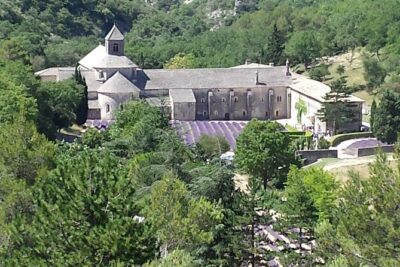
Provence Highlights Full-Day Tour from Avignon
Read our review →



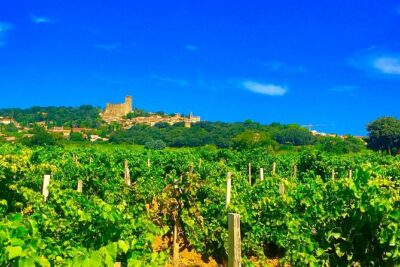
Provence Cru Wine Small-Group Half-Day Tour from Avignon
Read our review →
Châteauneuf du Pape Wine Day Tasting Tour including Lunch from Avignon
Read our review →
Pont du Gard, Saint Remy and Les Baux Half-Day Tour
Read our review →Browse the lists this tour appears in