
Reviewed · WINE TASTINGS & VINEYARD TOURS
Wine Tasting in Lyon Small Group, Curated Wines
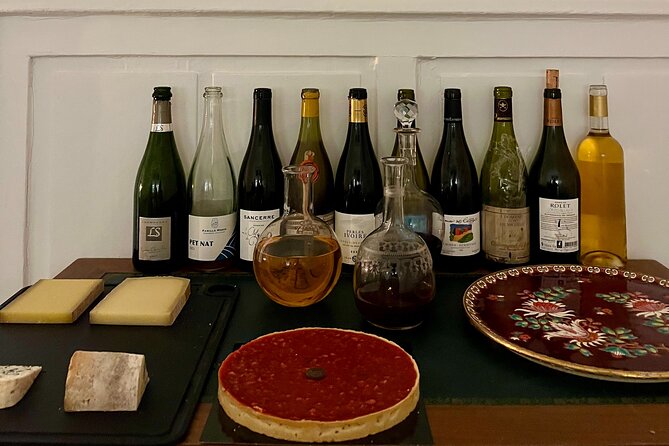
Lyon does not run out of wine options, but this one feels the most human. I love that you meet Hugo Jeanguyot in central Lyon and walk together to the tasting room, then learn through a relaxed, English-friendly format. I also like that the pairing part is built in, with wine and food served across four tasting stages, sparkling through reds, plus special bottles.
The main thing to consider is the setting. One past stop was upstairs in a space with limited airflow and few windows, so if warm weather bothers you, it is worth asking what the current room conditions are like.
In This Review
- Key takeaways before you go
- Meeting Hugo in Lyon, then into the wine-and-cheese room
- The four-stage tasting: sparkling, whites, reds, and special wines
- Stage 1: sparkling wines, paired from the first bite
- Stage 2: whites that compare terroir and style
- Stage 3: reds built around structure and age
- Stage 4: special wines, where the session gets fun
- The pairing system: cheese, charcuterie, fruit, and seasonal dessert
- Cheeses you may taste (a real example lineup)
- Charcuterie and seasonal bites keep it grounded
- The regions you will learn: Beaujolais, Rhône Valley, Jura, and surprises
- A quick note on what you should expect to remember
- Why the small group size changes everything
- If you are the kind of person who asks questions
- Price and value: what you pay for at about $193.50
- Timing, getting there, and what to do beforehand
- What to bring
- Reviews that point to the real strengths
- Who this suits best (and who might want a different option)
- Should you book this Lyon wine tasting and cheese masterclass?
- FAQ
- How long is the wine tasting in Lyon?
- How many wines will we taste?
- Is the tour offered in English?
- What is included in the price?
- Where do we meet for the experience?
- What is the group size?
- What happens if it is canceled due to weather?
Key takeaways before you go
- Central Lyon meetup with a short walk from Place d’Ainay to the tasting room
- At least 10 wines across four stages: sparkling, whites, reds, and special wines
- English communication with the sommelier so you can follow every explanation
- Wine and food pairings included (cheese, charcuterie, seasonal bites, and desserts)
- Small group, max 10 people for questions and a calmer pace
- A teaching style that invites guessing and tasting actively, not just watching
Meeting Hugo in Lyon, then into the wine-and-cheese room
This experience starts right in the middle of Lyon at Place d’Ainay (69002 Lyon). You gather there and your host brings you along on a short walk to the tasting venue. That small bit of togetherness matters more than it sounds. It gets you oriented fast and puts you in the right mood for what comes next, since wine in Lyon is better when you feel like you are in the city, not just passing through it.
Hugo Jeanguyot leads the session, and the big practical win is how smoothly the explanations land in English. You are not left with a few translated words and a shrug. The goal is communication at your pace. You get to ask questions between pours, and the tone stays friendly.
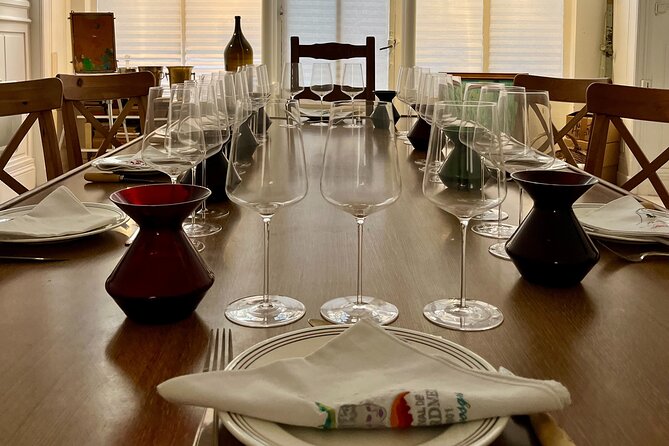
The tastings happen in a local-style setting tied to cheese culture. In the past, that meant an upstairs room within a cheese shop environment, which one guest found a little dim and warm due to limited windows and no air conditioning. That is not a deal-breaker for most people, but it is a real consideration if you are sensitive to temperature or lighting. If you want to manage comfort, arrive ready for a short indoor session and consider bringing a light layer.
More Wine Tastings in Lyon
- From Lyon: Golden Stones Beaujolais Wine Tasting Tour
★ 4.7 · 503 reviews - Guided tour and wine tasting Northern Rhône Valley
★ 5.0 · 198 reviews - Cultural Food & Wine Tour, in the famous Halles Bocuse
★ 5.0 · 166 reviews
The four-stage tasting: sparkling, whites, reds, and special wines
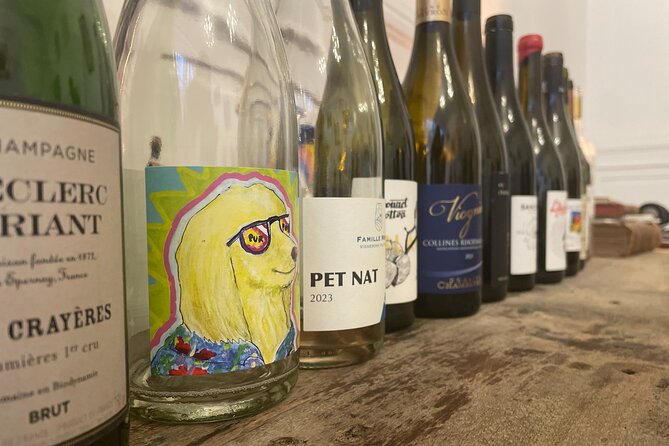
The structure is clear and easy to follow, which is exactly what you want when you are trying to learn while tasting. You move through four tasting stages, and the flight typically adds up to at least ten wines. The sample menu you are served points to 2 sparkling wines, 3 whites, 3 reds, and 3 special wines. In real life, the exact bottles can vary, but the format is consistent: a guided journey, not random sips.
Stage 1: sparkling wines, paired from the first bite
You begin with sparkling wine and an appetizer-style pairing. The point here is to reset your palate and get you thinking about acidity, bubbles, and how certain cheeses and savory bites can sharpen flavors instead of weighing them down.
If you are new to wine, starting with sparkling helps. It is easier to notice differences in style and texture early on. If you already drink French wines, it is a smart way to compare regions and techniques without getting lost on day one.
Stage 2: whites that compare terroir and style
Then you shift into whites, with a set designed to show contrast. The session highlights differences in terroirs, grape expression, and winemaking approaches, so you taste how acidity, body, and aromatic intensity can change even within France.
One thing I like about this stage is that it does not assume you know what you are tasting. You are taught to pay attention to balance and structure, the kinds of cues that make you better at choosing bottles later, long after the class ends.
More vineyard visits in Lyon:
- From Lyon: Beaujolais Wine Tour with Tastings
★ 4.7 · 160 reviews - Golden stones Beaujolais Wine Tour with Tastings from Lyon
★ 4.5 · 158 reviews - Northern Rhône Valley Wine tour from Lyon Half Day
★ 4.5 · 113 reviews - Beaujolais wine tour from Lyon half day
★ 5.0 · 103 reviews
Stage 3: reds built around structure and age
The reds section is more of a narrative arc. You taste through a progression that is meant to show structure, aging potential, and appellation identity. This is where you start to learn French red wine logic, the way some regions favor more tension and longevity while others lean into fruit and approachability.
This stage is also where the pairing strategy starts to feel very intentional. Cheese and charcuterie are not just snacks. They help you understand tannins, how fat and salt change perceived bitterness, and how fruit reads differently when you add a savory counterpart.
Stage 4: special wines, where the session gets fun
The final stage is reserved for distinctive bottles. It might include an older vintage, a sweet wine, or an unexpected style. This part is the payoff for people who already know the basics and want something more interesting than the usual lineup.
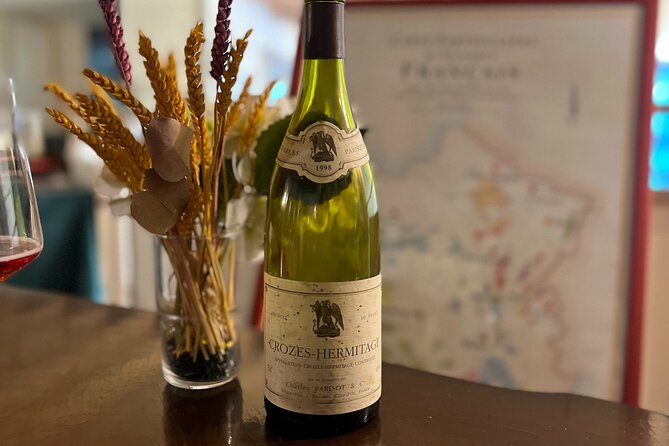
One guest specifically mentioned incredibly aged vintages and called them a highlight. Even if you are not hunting for old wine, these special pours are the best moment to learn how time changes aroma, texture, and flavor.
The pairing system: cheese, charcuterie, fruit, and seasonal dessert
If you love wine but you really love food, this is where the value comes from. Wine tastes better when it has a companion, and here the companion is serious. You get pairing ingredients at each stage, including cheeses, charcuterie, fresh fruits, and seasonal desserts.
Cheeses you may taste (a real example lineup)
One guest asked for the cheese names and listed six they tried. That gives you a strong sense of the range you can expect, from creamy and mild to sharp and bold. The cheeses included:
- Brillat-Savarin
- Fromage de chèvre du Beaujolais
- Comté 24 mois
- Beaufort Chalet d’Alpages
- Bleu d’Auvergne
- Bleu du Vercors-Sassenage
Even if your exact list changes, this matters. You are not getting one polite cheese and calling it a day. You are tasting across styles, so you learn how fat, salt, and sharpness interact with different wine profiles.
Charcuterie and seasonal bites keep it grounded
The snacks between pours are not an afterthought. They are meant to help your tasting brain stay engaged. Charcuterie plus red wine can make tannins feel smoother. Lighter bites with whites can make aromatics pop. Sweet dessert pairings with a final special wine can teach you the classic France trick, matching intensity rather than sweetness alone.
A practical bonus: you typically do not need dinner after. Multiple guests said dinner was not needed, and the pacing suggests you get plenty of food to keep you comfortable across 2.5 hours of tasting.
The regions you will learn: Beaujolais, Rhône Valley, Jura, and surprises
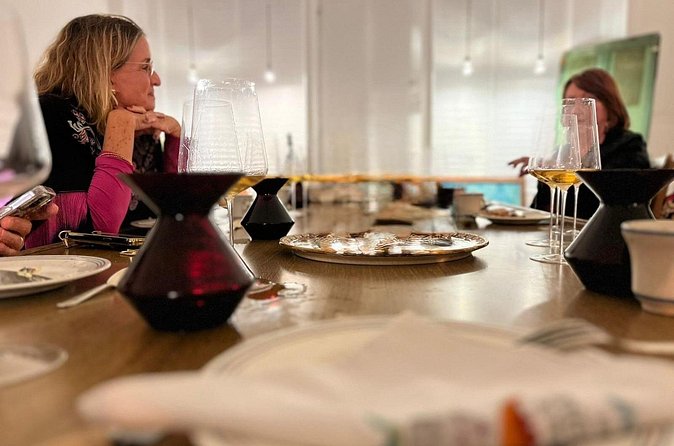
The tour is not a history lecture with a stopwatch. You learn about the wine regions through what is in your glass, plus the story behind current production. The session explicitly covers Beaujolais, the Rhône Valley, and Jura, with other surprises thrown in.
Here is what this approach does for you as a traveler. Instead of memorizing region names, you start linking a region to a set of sensory clues. You taste how regional tradition shows up in grape character, style choices, and what winemakers prioritize.
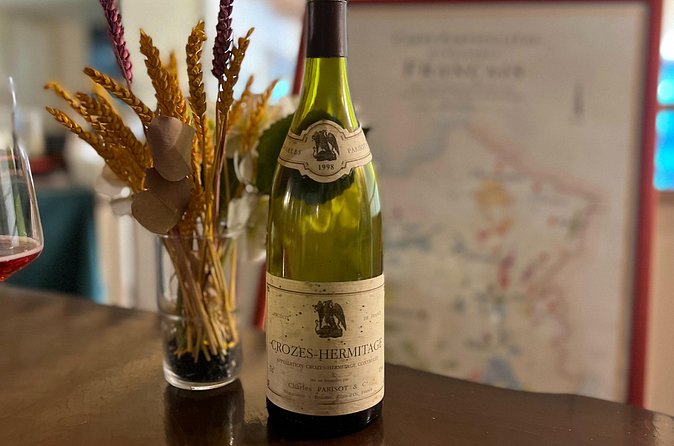
Hugo also uses teaching tools. One guest mentioned that he had books and maps to assist with explanations. That is a big deal if you like learning in a visual way. You can leave with mental pictures, not just vague impressions.
A quick note on what you should expect to remember
Even if you cannot recall every appellation later, you should come away with:
- a clearer idea of how region shapes flavor
- an understanding of why wine styles differ within France
- better instincts for what to order when you see a bottle name in a shop
That is the kind of learning that survives the trip.
Why the small group size changes everything
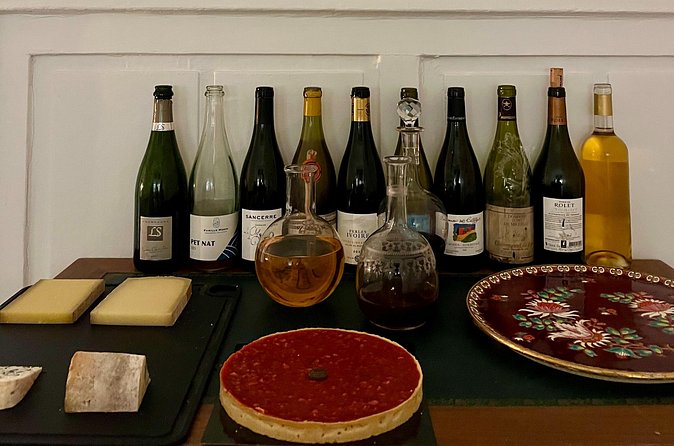
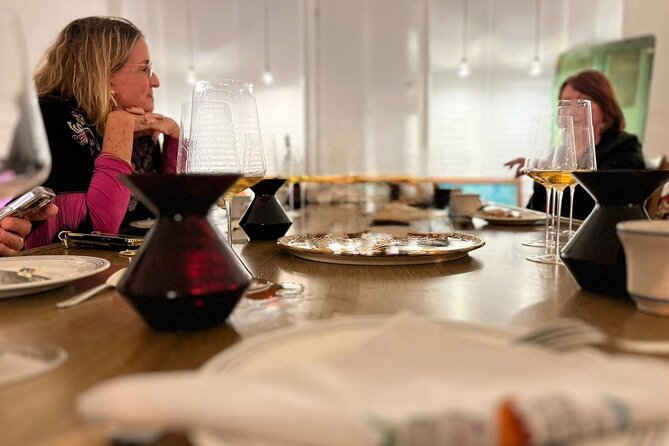
This runs as a private or small-group format, with a maximum of 10 travelers. In a tasting room, that limit makes a visible difference. You get time for questions, and the host can keep the pace comfortable. Guests also described the event as relaxed, interactive, and not rushed.
You are not stuck passively tasting while someone else talks. The session includes active tasting habits, and at least one review highlighted a tasting style where participants are challenged to guess. That sounds playful, but it also trains your palate. When you try to name what you are tasting, you start building vocabulary for sweetness, acidity, tannin, and aromatic intensity.
If you are the kind of person who asks questions
This is your kind of class. Multiple guests emphasized how many opportunities they had to ask, and how Hugo did not make novices feel silly. That matters if you are worried about showing up without wine expertise. The session is designed for learning, not performance.
Price and value: what you pay for at about $193.50
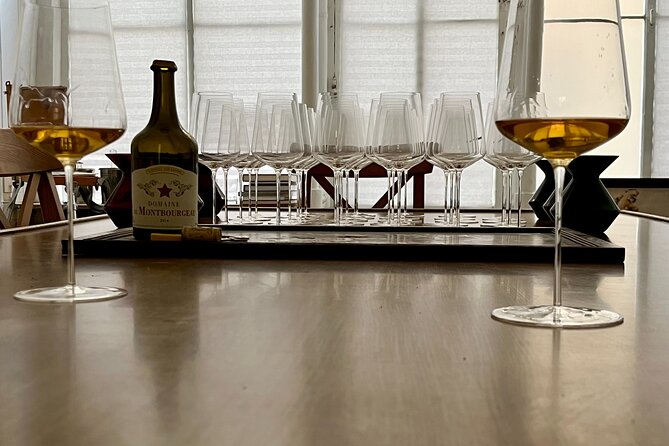
At $193.50 per person, you are paying for more than a handful of sips. The structure includes:
- at least 10 selected wines across four stages
- wine and food pairings at each stage
- an English-speaking sommelier guide
- a small group cap that keeps the experience personal
So the question is simple: does it feel worth it compared to buying bottles and snacks on your own? For many people, the answer is yes, because you are getting guided tasting that helps you improve. A glass or two at a bar is fun. This is a class, where you can walk out understanding why wines taste the way they do, and how to pair them.
Also, the food coverage is meaningful. You should feel fed, not just nibbled. Several guests said the snacks were plentiful and that they left having had plenty of wine and cheese.
My practical advice: if you are planning only one wine experience in Lyon, this is a strong candidate. If you already have a very packed schedule, make sure you pick a time when you can taste slowly. The format rewards attention.
Timing, getting there, and what to do beforehand
The duration is about 2 hours 30 minutes. Plan to keep the rest of your evening flexible, especially if you like long chats. One guest mentioned carrying on with a late meal with the group after the tasting.
Location is central, and the meetup is near public transportation. You start and end back at the meeting point, so you do not have to worry about getting stranded on a side street at the end.
What to bring
The tour data does not list a special checklist, but it is still smart to:
- wear comfortable shoes for a short walk
- go in with a curious mindset
- expect to taste enough that you should plan light after
If you are worried about being too full, you can eat a normal meal before. The pairings are substantial, but you do not want to arrive starving.
Reviews that point to the real strengths
This experience has strong results, with a 4.9 rating across 93 reviews, and about 99% recommendation. The repeated praise is consistent and specific.
The biggest strengths you should expect to feel:
- The hosting style. Hugo is described as warm, engaging, and relaxed.
- The wine selection and variety. Guests mention tasting bottles from different regions and across multiple decades, including aged options.
- The pairing quality. Cheese and charcuterie pairings keep showing up as a standout.
- The learning style. People liked the interactive, question-friendly approach, and how it teaches you the essentials of French wine and cheese regions.
One note on venues: while the tasting room has been praised, one review flagged the upstairs setting and lack of air conditioning. If comfort matters to you, ask about the current room setup.
Who this suits best (and who might want a different option)
This fits you if:
- you want a small-group wine experience rather than a big bus-style event
- you want English explanations with real interaction
- you love cheese and want actual pairings, not just wine poured over a cracker
- you want to learn how French regions differ, with Beaujolais, Rhône, and Jura in the mix
You might want to consider something else if:
- you are extremely sensitive to indoor temperature or ventilation, since at least one past venue setup had limited windows and no air conditioning
- you dislike guided structure and prefer purely free-form tastings
Should you book this Lyon wine tasting and cheese masterclass?
If you like wine and you like learning in a friendly way, I think you should book. This is the kind of experience where the format does the heavy lifting: four tasting stages, plenty of wines, and food pairings that teach you why the combinations work. The small group cap keeps it comfortable, and English delivery makes it accessible without watering anything down.
My final practical tip: pick a time when you can fully enjoy the pace. Then you will leave Lyon with more than memories. You will have a clearer sense of the French regions you tasted, and you will know what to look for next time you see a bottle name in a shop.
FAQ
How long is the wine tasting in Lyon?
It lasts about 2 hours 30 minutes.
How many wines will we taste?
You will enjoy at least ten selected wines across four stages: sparkling, whites, reds, and special wines.
Is the tour offered in English?
Yes, the experience is offered in English.
What is included in the price?
Wine and food pairings are provided, including cheeses, charcuteries, fresh fruits, and seasonal desserts, with no extra cost mentioned.
Where do we meet for the experience?
The meeting point is Place d’Ainay, Pl. d’Ainay, 69002 Lyon, France, and the experience ends back at the meeting point.
What is the group size?
The maximum group size is 10 travelers.
What happens if it is canceled due to weather?
If it is canceled due to poor weather, you will be offered a different date or a full refund.
More Wine Tours in Lyon
- Taste Wine in Lyon: Burgundy, Beaujolais, Rhône, and more
★ 5.0 · 211 reviews - Lyon: Old Town Food Tour with 6 French Food Tastings & Wine
★ 4.8 · 198 reviews - From Lyon: Beaujolais Wine Route Half-Day Tour
★ 4.7 · 119 reviews - Lyon Old Town Private Food Tour with 6 French Delicacies & Wines
★ 5.0 · 85 reviews
More Food & Drink in Lyon
- Food Tour in Lyon – A Full Taste of France by Do Eat Better
★ 5.0 · 603 reviews - Lyon Old Town Food Tour with 6 French Delicacies & Fine Wine
★ 5.0 · 575 reviews - Lyon: Vieux Lyon Food Tasting Walking Tour
★ 4.9 · 453 reviews - Lyon Old Town Food Tour with Local Specialties Tasting & Lunch
★ 5.0 · 395 reviews
Newly listed around Lyon
- Taste Wine in Lyon: Burgundy, Beaujolais, Rhône, and more★ 5.0 · 211 reviews
- 1 or 2-Hour Pedicab tour of Lyon★ 5.0 · 213 reviews
- Unique Tour of Great Women in Lyon history★ 5.0 · 23 reviews
- Segway Tour by ComhiC – Presqu’île – 1h★ 5.0 · 26 reviews
- Northern Rhône Valley Wine tour from Lyon Half Day★ 4.5 · 113 reviews
- Pastries & Stories of Lyon with a Local Guide★ 5.0 · 25 reviews
- Lyon Segway Discovery Tour – 1h★ 5.0 · 23 reviews
- Lyon Street Food Tour★ 5.0 · 23 reviews
Wine Tastings & Vineyard Tours, compared.
Montmartre Hill French Gourmet Food and Wine Tasting Walking Tour
Read our review →
Loire Valley Castles Day Trip With Wine Tasting
Read our review →
Afternoon Saint-Emilion Wine Tasting & snack
Read our review →
Medoc or Saint Emilion Wine Tasting and Chateau from Bordeaux
Read our review →
Saint Emilion Day Trip with Sightseeing Tour & Wine Tastings from Bordeaux
Read our review →
Saint-Émilion: Grand Cru Classé Winery Visit and Tasting
Read our review →
Saint Emilion Half-Day Trip with Wine Tasting & Winery Visit from Bordeaux
Read our review →Browse the lists this tour appears in