
Reviewed · CHEESE
Blind Tasting: 4 Bordeaux Natural Wine + Cheese experience
One hour can change how you taste Bordeaux. This blind tasting pairs natural wines with cheese, then has a sommelier walk you through what you are smelling and why it matters.
I especially like the format. You do not start by chasing brand names. You start by smelling and tasting, then you learn how the wine regions and grapes connect to what is in your glass. The setting is also simple and easy to find, starting in the historic center near the Flamboyant Saint Michel Church.
One consideration: it is a tight 1-hour session. If you want slow, unstructured hanging out, you may feel rushed unless you ask plenty of questions during the tasting.
In This Review
- Key Things I’d Put on Your Radar
- Meeting at Saint Michel: the easy start point
- The blind tasting format: 4 wines, 1 white, 2 reds, 1 sweet
- Natural wine in Bordeaux: grapes, regions, and the 1855 question
- Pairing without the fuss: cheeses and dry meat do the teaching
- Reading a French wine label like you actually mean it
- The sommelier reveal: how your guesses turn into Bordeaux facts
- The sulphur and hangover moment you did not ask for, but will remember
- Price and value: what $34 buys you in a Bordeaux tasting
- Who this experience fits best (and who should skip it)
- Practical tips to get more out of your hour
- Should You Book This Bordeaux Natural Wine and Cheese Blind Tasting?
- FAQ
- What wines are included in the blind tasting?
- How long is the experience?
- What food is included with the wines?
- What languages is the tour guide available in?
- Is this experience wheelchair accessible?
- Can I get a full refund if I cancel?
Key Things I’d Put on Your Radar
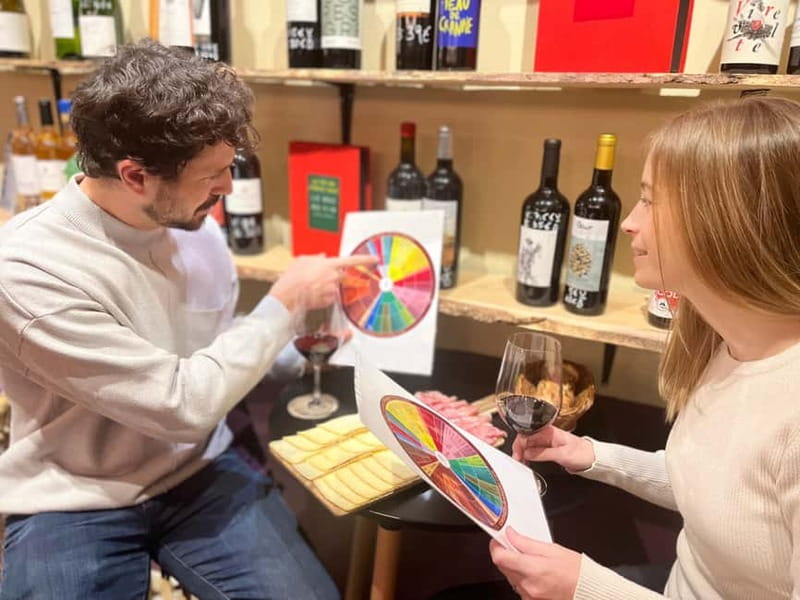
- 4 Bordeaux natural wines served blind, including 1 white, 2 reds, and 1 sweet wine
- Cheese plus dry meat pairing built into the tasting so you taste with context, not in a vacuum
- A sommelier who explains grape varieties, key Bordeaux regions, and the 1855 classification
- Practical label reading tips so you can shop and order with more confidence
- A myth-buster moment on sulphur and hangovers, plus a quick compare to foods
- Local, organic wines made by small family chateaux (100% local, according to the tour)
Meeting at Saint Michel: the easy start point
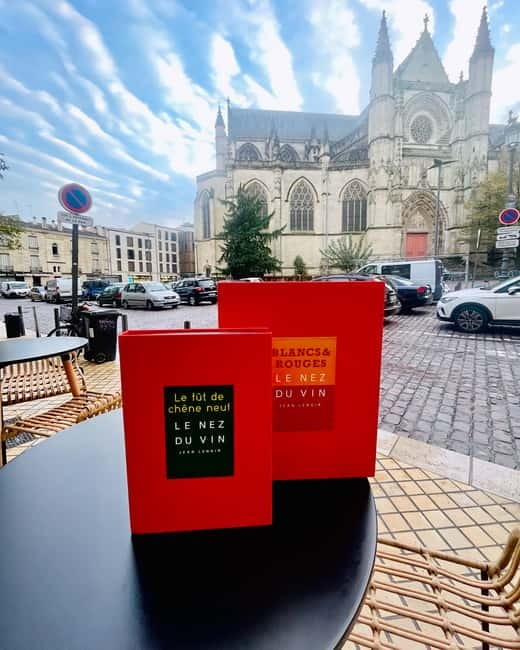
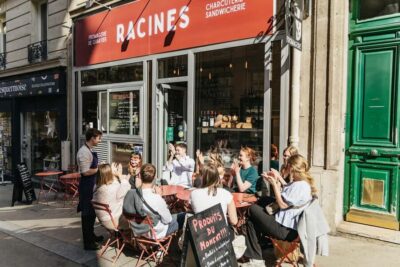
This experience meets in front of the Flamboyant Saint Michel Church, right in Bordeaux’s workable walking area. That matters because wine tastings can feel oddly bureaucratic, like you need three confirmations and a secret code. Here, you show up, meet your guide, and start tasting right away.
Once you get your bearings, the tone is friendly and relaxed. You are there to learn, but not in a classroom way. The whole thing is structured around conversation, tasting impressions, and the sommelier turning your guesses into real Bordeaux context.
If you have allergies, this is the moment to speak up. The tour notes that allergies should be mentioned. Since cheese and dry meat are part of the plan, it is smart to flag anything serious before the tasting begins.
Other Bordeaux bookings to consider
- Bordeaux: Cité du Vin Entry Ticket and Wine Tasting
★ 4.6 · 3,885 reviews - From Bordeaux: Afternoon Saint-Emilion Wine Tasting & snack
★ 4.8 · 1,581 reviews - Medoc or Saint Emilion Wine Tasting and Chateau from Bordeaux
★ 5.0 · 1,415 reviews
The blind tasting format: 4 wines, 1 white, 2 reds, 1 sweet
The core of the experience is the blind part. You taste four Bordeaux wines without labels first, then you get the reveal after you have formed opinions. That is not just a trick. It trains your palate to notice what is actually happening in the glass.
You can expect the lineup to include:
- 1 white wine
- 2 reds
- 1 sweet wine
The practical payoff is huge. After tasting without a label, you start to separate your reactions from your expectations. Then, when the sommelier reveals what each wine is and where it comes from, you can connect your senses to the wine facts the tour covers.
Because this is Bordeaux natural wine, the guide spends time on flavor impressions too. You will be listening to the winemaker stories, and you will also get the vintage and historical context that Bordeaux is known for. That combination helps the wines feel like people made them, not just products on a shelf.
Natural wine in Bordeaux: grapes, regions, and the 1855 question
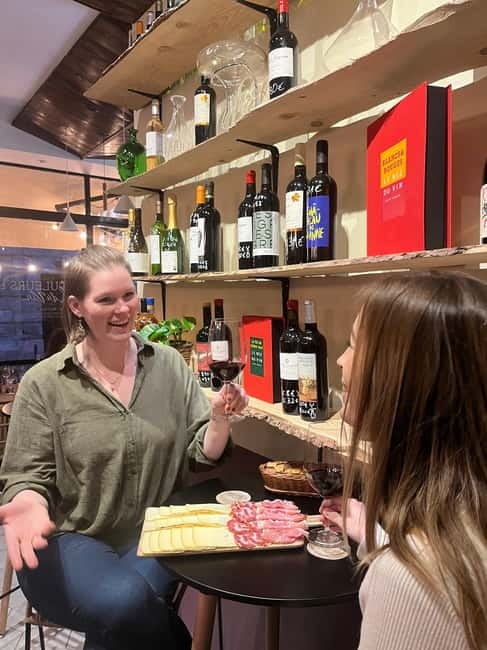
What I like about this setup is that you learn the Bordeaux framework while you are still actively tasting. The sommelier covers:
- Grape varieties in Bordeaux
- The important wine regions in Bordeaux
- The meaning of the 1855 classification
Most wine lovers understand that Bordeaux has a reputation and a ranking system, but they rarely know what to do with that info when they are standing in a shop. Here, the 1855 classification is not treated like trivia. It is part of understanding how Bordeaux structures quality, tradition, and expectations around wine.
You also get stories of the winemakers and the role of vintage and history. Even if you are not a hardcore history person, that storytelling gives you a reason for why flavors land the way they do. Bordeaux can feel intimidating because there is so much to name. This experience turns the naming into a tasting tool.
And you get wine-region context from more than one part of Bordeaux. The experience specifically says you discover four Bordeaux wines from different Bordeaux wine regions. That is one of the best ways to learn Bordeaux fast. You compare, you remember, and you stop thinking of the region as one flavor.
Pairing without the fuss: cheeses and dry meat do the teaching
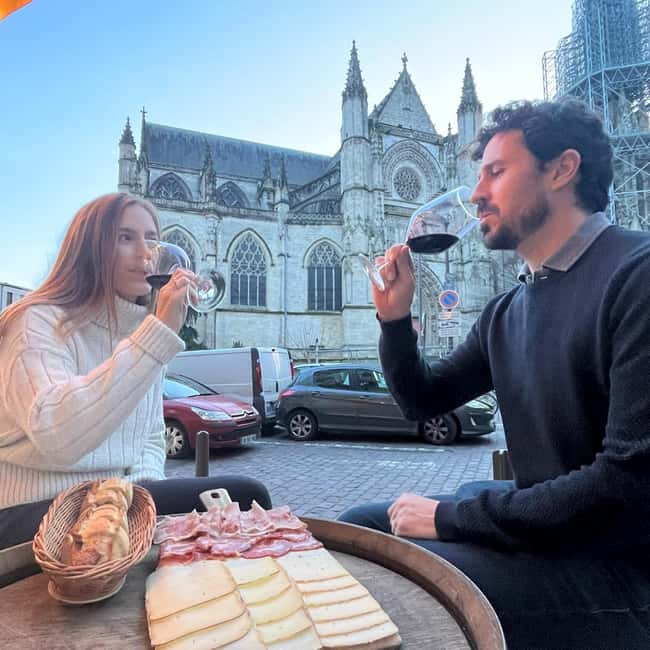
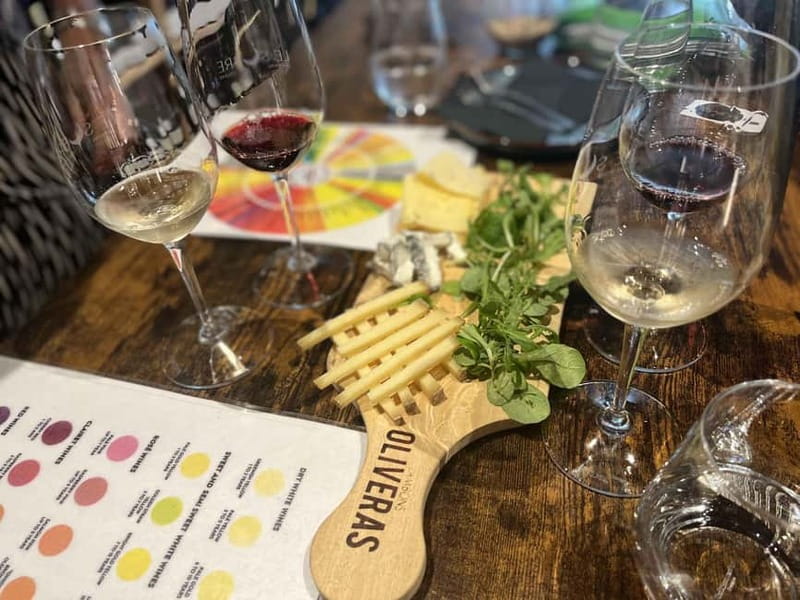
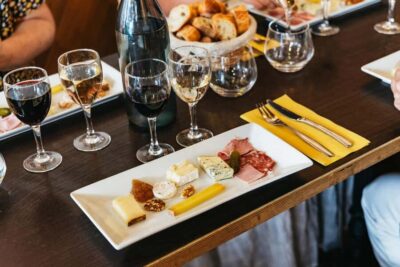
The food plan is simple, and that is why it works. You are offered:
- 3 different types of cheeses
- 2 different types of dry meat
Instead of doing one cheese with one wine and moving on, the goal is pairing as learning. You start noticing how salt, fat, and texture change what you perceive in wine. That is why pairing is usually where people level up most quickly. Your palate learns in real time.
Natural wine often has character that can either feel exciting or confusing depending on what else you taste with it. Cheese and dry meat give your brain a stable anchor, so differences between the wines become easier to spot.
If you are the type who worries about being able to pronounce food names or sounds nervous about asking questions, this format is reassuring. You do not need a food degree. You need curiosity and a willingness to taste, then ask why.
Within easy reach:
- Bordeaux: River Garonne Cruise with Glass of Wine and Canelé
★ 4.5 · 3,630 reviews - Saint Emilion Day Trip with Sightseeing Tour & Wine Tastings from Bordeaux
★ 5.0 · 1,120 reviews - Bordeaux: Guided Walking Tour
★ 4.4 · 1,038 reviews - Saint Emilion Half-Day Trip with Wine Tasting & Winery Visit from Bordeaux
★ 4.5 · 1,034 reviews
Reading a French wine label like you actually mean it
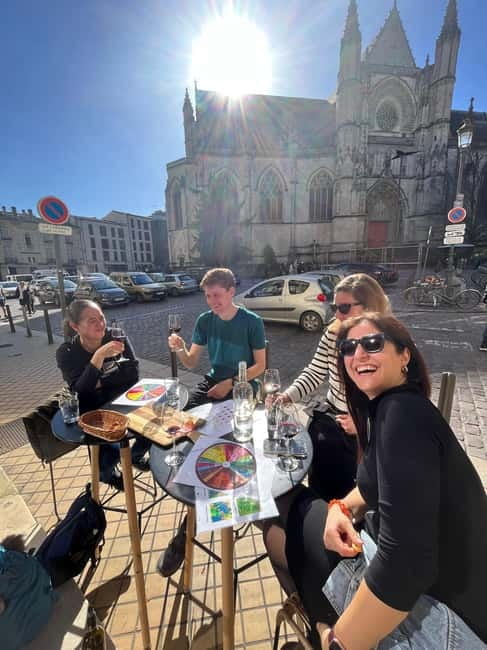
A lot of tastings teach you to talk about wine. This one also teaches you to read wine labels so you can do something with the information after you leave.
You will learn how to:
- Read a French wine label
- Learn tips to help you understand what you are seeing as a professional would
- Use label info together with what you already tasted blind
This is one of the most practical parts for me. Bordeaux labels can be dense. Even if you love wine, you might hesitate when the bottle text starts stacking up. Label reading turns that hesitation into action.
And since the experience covers Bordeaux regions and grape varieties too, label reading becomes less about memorizing and more about pattern recognition. You can start making educated guesses about style before you taste again.
The sommelier reveal: how your guesses turn into Bordeaux facts
After you taste blind, the sommelier reveals the secrets of the tasting. This is where you connect the dots between what you sensed and what you were supposed to learn.
Expect the guide to explain:
- Wine region and grape variety connections
- How the 1855 classification fits into Bordeaux understanding
- What to notice next time, when you are tasting on your own
The reveal is also where questions get valuable. One review highlights that the guide was very competent and always ready to answer questions. That lines up with how this kind of tasting should work. Blind tasting creates real opinions, not rehearsed lines. A good sommelier uses those opinions to teach, and then you walk away with your own personal tasting map.
Also, note the timing. It is listed as 1 hour. Still, there is at least one account of the experience lasting around 2 hours. If your group is chatty or curious, plan for a little extra time. That is usually a good sign, not a problem.
The sulphur and hangover moment you did not ask for, but will remember
There is a specific lesson included on why people blame sulphur for hangovers. The spoiler is direct: the reason is definitely not because of sulphur, at least not in the way people usually assume.
The guide also includes a comparison point: there is more sulphur in fruits and vegetables than in a bottle of wine. That kind of comparison is useful because it challenges a common shortcut.
Even if you do not care about chemistry, this segment helps you reset how you think about wine myths. You stop repeating fear-based rules and start focusing on what you can control, like food pairing, tasting pace, and how much you drink.
If you are worried about feeling terrible after wine, this is the right tone. The lesson is framed to be reassuring, not scolding.
Price and value: what $34 buys you in a Bordeaux tasting
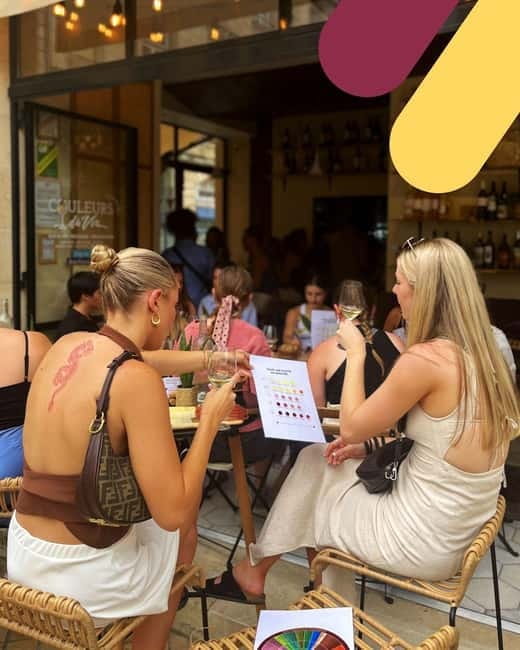
At $34 per person for a 1-hour experience, you are paying for more than a few sips. The price includes:
- A talk with an experienced and friendly sommelier
- Blind tasting of four wines (1 white, 2 reds, 1 sweet)
- 3 cheeses and 2 dry meats
- Wines that are described as 100% local, organic, and made by small family chateaux
So your value equation is not just the wine. It is wine plus structured learning. Label basics, grape and region context, the 1855 classification, and a blind tasting reveal are all part of the package.
What is not included is also clearly stated: extra glasses or food in a bar. That is typical, but it is worth noting. If you tend to get carried away and want more pours, you will likely pay extra elsewhere.
Who this experience fits best (and who should skip it)
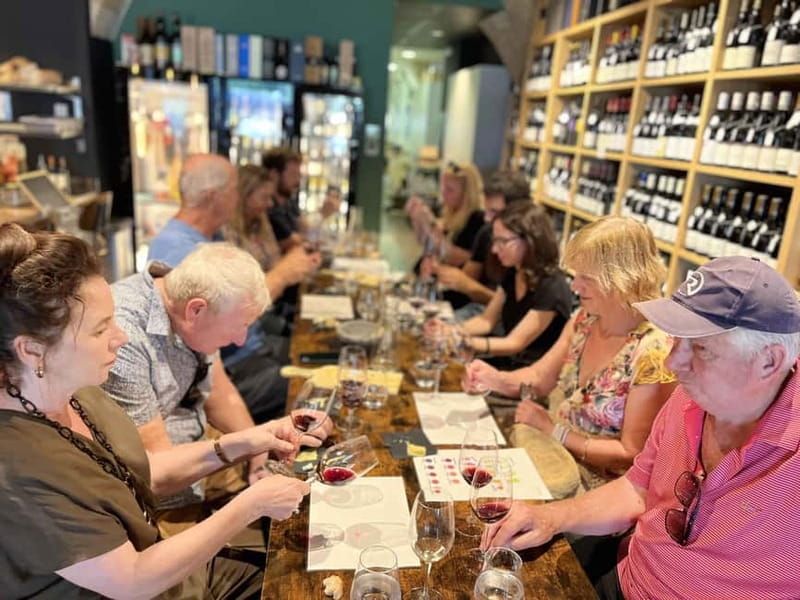
This is a good fit if you:
- Want a guided way to taste Bordeaux natural wine without feeling overwhelmed
- Like learning from a sommelier in a hands-on format
- Care about practical skills like label reading and pairing
It is not suitable for:
- Children under 18
- Pregnant women
If you have allergies, tell the team in advance, since cheese and dry meat are included.
If you have a very short attention span for learning and prefer pure tasting with zero explanation, you might find the teaching portions take up too much of your time. Still, the teaching is tied directly to your glass, so it is not just talking at you.
Practical tips to get more out of your hour
Keep these in mind so you leave with something usable, not just memories:
- Ask questions during the blind phase, not only during the reveal. Your guesses are already part of the learning.
- Pay attention to how the cheese and dry meat change what you think you like. That is the pairing lesson in action.
- After the session, try applying what you learned to one bottle you see the next day. Label reading works best when you use it immediately.
- If you have any allergies, mention them early. Do not wait until after tasting begins.
And if you are traveling in a group with different wine interests, this format helps. Beginners get structure and vocabulary. More confident tasters get forced comparisons across regions without relying on labels.
Should You Book This Bordeaux Natural Wine and Cheese Blind Tasting?
If you want an efficient, approachable way to learn Bordeaux natural wine, I think you should book it. For $34, you get four wines, food pairings, and a guide who connects flavor to real Bordeaux concepts like grape varieties, wine regions, and the 1855 classification. The blind format also makes the learning stick, because you form opinions first, then you get the facts.
Book it especially if you like the idea of leaving with practical skills, like how to read a French wine label and how to pair wine with real food. If you hate structured activities or you are sensitive to tasting sessions that run longer than planned, then consider whether 1 hour is enough for your style.
Bottom line: this is a smart value stop for wine people and wine-curious people alike, with a format that makes Bordeaux feel less intimidating and more like a conversation.
FAQ
What wines are included in the blind tasting?
The experience includes 1 white wine, 2 red wines, and 1 sweet wine.
How long is the experience?
It is listed as 1 hour.
What food is included with the wines?
You get 3 types of cheese and 2 types of dry meat.
What languages is the tour guide available in?
The live guide is available in French and English.
Is this experience wheelchair accessible?
Yes, it is listed as wheelchair accessible.
Can I get a full refund if I cancel?
Yes, free cancellation is available up to 24 hours in advance for a full refund.
Newly listed around Bordeaux
- Bordeaux: St-Emilion Vineyards e-Bike Tour with Wine & Lunch★ 4.9 · 181 reviews
- The essential in Bordeaux, private tour with a local★ 4.9 · 48 reviews
- The Best of Bordeaux Walking Tour + 1 Glass of Wine★ 4.7 · 29 reviews
- Bordeaux: St. Emilion Day Trip with Wine Tasting and Lunch★ 4.9 · 251 reviews
- From Bordeaux: Saint-Emilion Wine Tasting Tour★ 4.8 · 24 reviews
- Saint Emilion Wine and Bike Tour★ 4.9 · 22 reviews
- Saint-Emilion : half-day wine-tour into classified estates★ 4.7 · 22 reviews
- No Diet Club : Bordeaux Food Tour in Les Chartrons !★ 4.9 · 77 reviews
Cheese, compared.
Montmartre Cheese, Wine & Pastry Guided Walking Tour
Read our review →
Private Montmartre Food Tour with Wine, Cheese & Pastries
Read our review →
Paris Le Marais Food Tour With 10+ Tastings, Cheese, Wine & More
Read our review →
Cheese & Wine Tasting in Montmartre with Local Cheesemonger
Read our review →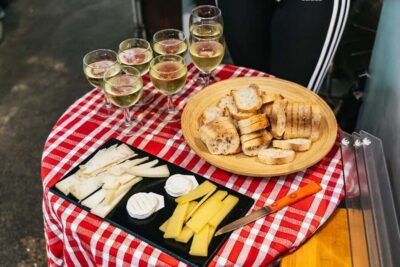
Le Marais Walking Food Tour with Cheese, Wine & Pastries
Read our review →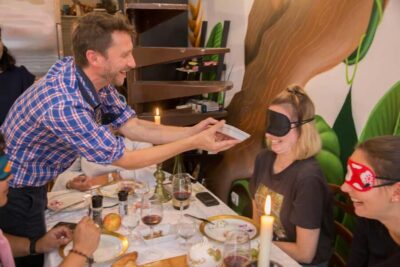
Professional – Bordeaux Wine and Cheese Tasting with a walking tour
Read our review →Browse the lists this tour appears in