
Reviewed · MONTMARTRE WALKING TOURS
Montmartre and the Sacré-Coeur with the best guides in Paris
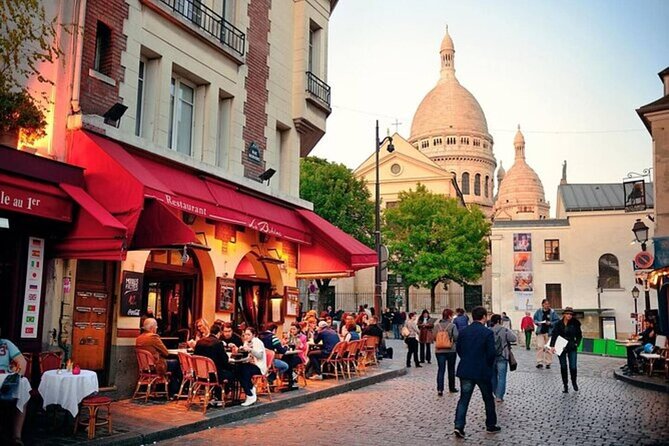
Montmartre feels like a movie set, in real life. This guided walk strings together art history, big Paris views, and the neighborhood’s lived-in quirks, so you spend less time wandering and more time looking. You’ll also get that classic Montmartre arc, from cabaret glamour to hilltop calm.
I love how the tour is built to help you navigate the steep, twisty streets without losing the plot. I also like the way the guide connects places to artists and stories, with names like Van Gogh, Toulouse-Lautrec, and even Picasso showing up along the way, plus guides such as Denise, Katie, and Sylvia are repeatedly praised for being fun and informative.
One consideration: this is a walk with uphill segments. Even if you can use the funicular for Sacré-Coeur, you should wear good shoes and expect some stairs, plus there are occasional reports of last-minute changes, so it helps to double-check updates the day of.
In This Review
- Key things you should notice before you go
- Getting your bearings on the Montmartre hill
- Moulin Rouge stop: cabaret glamour at street level
- Montmartre proper: artists, terraces, and the “how did this become here?” feeling
- Place du Tertre: live art, real atmosphere, and where to watch
- Sacré-Coeur: the view is the main event
- The included pie stop: small break, smart timing
- What you’ll learn from the art names on the route
- Walking level and comfort: how to plan your body
- Price and value: is $30.04 worth it?
- Potential pitfalls to watch, based on real-world issues
- Who this tour suits best
- Should you book this Montmartre and Sacré-Coeur tour?
- FAQ
- What is the duration of the tour?
- Where does the tour start and when?
- Is the tour offered in English?
- Is there an included ticket or is it mobile-only?
- What is included in the price?
- Is food and drink included?
- Do I have to climb stairs to reach Sacré-Coeur?
Key things you should notice before you go
- A guide turns Montmartre into a story, not just a string of stops, with art and culture tied to real street corners
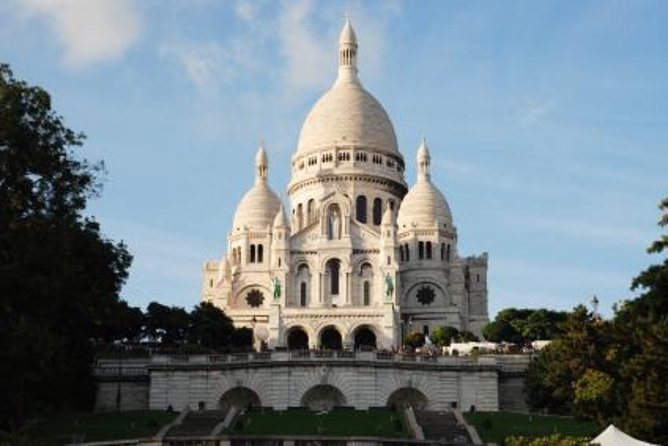
- Sacré-Coeur is about the views, and you’ll get the perspective that makes the hill worth the climb
- Place du Tertre is for art in motion, with live painters and the classic Montmartre scene
- You’ll pass Moulin Rouge, the Belle Époque icon tied to Toulouse-Lautrec’s world
- An included pie stop gives you a real break from walking and sightseeing
- Up to 358 people is the platform cap, but the experience quality still depends heavily on the guide and timing
Getting your bearings on the Montmartre hill
Montmartre is charming, then it gets confusing fast. Streets curve, stairs multiply, and viewpoints appear like magic, only to vanish behind another wall. That’s exactly why a guide matters here. You’re not just collecting photos, you’re learning where you are and why the place feels the way it does.
This tour runs about 1 hour 30 minutes, starting at 2:30 pm at Au Petit Montmartre, 16 Pl. des Abbesses (75018). Ending back at the same meeting point keeps things simple if you have dinner plans later.
The most practical benefit is pacing. Montmartre can trick your legs early, because you think you’re “only walking,” then suddenly you’re climbing like it’s a workout class. A guide helps you plan the uphill bits so you don’t feel like you’re sprinting to catch up.
More Montmartre climbs:
- Montmartre Hidden Gems and Scenic Highlights Walking Tour
★ 5.0 · 2,684 reviews - Montmartre Hill French Gourmet Food and Wine Tasting Walking Tour
★ 5.0 · 2,588 reviews - Paris: Montmartre Highlights Walking Tour with a Local Guide
★ 4.9 · 2,318 reviews
Moulin Rouge stop: cabaret glamour at street level
Your route opens with a look at Moulin Rouge, Montmartre’s loudest personality. The spinning mill at the top is the kind of detail you recognize even if you’ve never been inside, and the location in the bohemian district makes it feel extra real.
What I like about this stop is the context. The tour frames Moulin Rouge as part of the Belle Époque nightlife vibe, and it also ties the area to artists associated with the cabaret world, especially Toulouse-Lautrec. That matters because without context, the place can feel like just another landmark. With context, you start seeing the neighborhood as a creative machine, not a tourist trap.
You should also expect photo moments. This is one of those Paris scenes where the angle matters, because you’re working with street perspective, not just a single monument. If you want a shot with the “wow” factor, stand where the crowd tends to pause, then adjust one step at a time.
Montmartre proper: artists, terraces, and the “how did this become here?” feeling
Next comes the heart of Montmartre, where the neighborhood’s art history is written into the geography. The tour focuses on Place du Tertre and the surrounding streets, but it also points out the smaller things that make the place feel authentic.
Here’s the short version of what you’re being guided toward:
- Place du Tertre as a living art square
- Cafés that keep Montmartre’s old-school vibe alive
- Clos Montmartre, the vineyard association with Montmartre’s past
- Viewpoints that show you how Paris stacks up from the hill
One standout detail is Clos Montmartre, described as the only vineyard in Paris. Even if you’re not a wine expert, it’s a great reminder that this hill wasn’t always just “cute and photogenic.” It also gives you a reason to look at the streets differently, because you start imagining how people lived and farmed before the art rush.
The tour also mentions the classic Montmartre café that many people associate with Amélie, Café des Deux Moulins. You don’t need to be a fan of the film to appreciate why it sticks in the pop-culture memory. It’s part of the neighborhood’s identity, and it helps you understand how Montmartre became a story export.
Place du Tertre: live art, real atmosphere, and where to watch
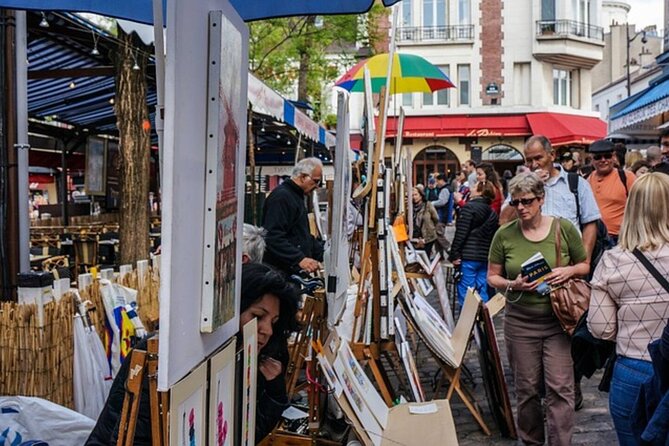
Place du Tertre is one of those places that can feel chaotic if you show up unprepared. A guide helps you slow down and see what’s actually happening instead of just watching a crowd.
This square is known for cobblestones, outdoor cafés, and live artists working in view. You’ll see portrait painters and others creating original pieces right there, which changes the vibe immediately. It’s not like looking at a display after the fact. You’re watching the process, and that makes the whole scene feel less staged.
Also, Place du Tertre is a place of meetings. The tour ties it to historical names like Picasso, which helps you understand why artists gravitate here. This is where you can start connecting the dots between modern street painters and the legendary creative faces that made Montmartre famous.
Tip from experience with neighborhoods like this: if you want to buy art, don’t let your first stop be the most expensive, most intense sales moment. Walk the square, watch how artists work, then choose based on style and price.
Other Paris bookings to consider
- Paris: 1-Hour Seine Cruise departing from the Eiffel Tower
★ 4.4 · 77,472 reviews - Disneyland® Paris 1-Day Ticket
★ 4.6 · 49,412 reviews - Paris: Versailles Palace and Gardens Full Access Ticket
★ 4.6 · 41,579 reviews - Paris: Arc de Triomphe Rooftop Tickets
★ 4.6 · 34,264 reviews
Sacré-Coeur: the view is the main event
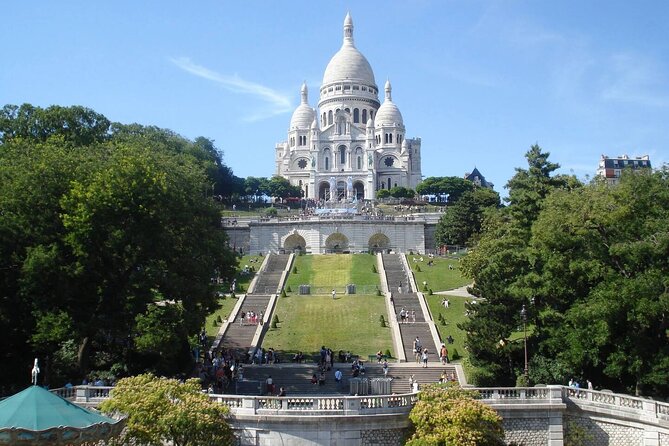
Then you crest toward Sacré-Coeur, the white basilica that looks like it’s sitting on top of Paris. The tour description emphasizes its design, a mix of neo-Gothic and Romano-Byzantine elements, and when you see it in person, the white facade really does pop.
Inside, the stained glass light is a major mood shift. It’s one of those transitions where your body slows down without you trying, because the space encourages quiet.
The practical part: the hill. The tour route acknowledges you can reach Sacré-Coeur through stairs or the funicular. That’s a big deal. You can use this choice to match your energy level. If your legs are fresh, stairs can feel rewarding. If you want the view without paying for it in pain, funicular can save your afternoon.
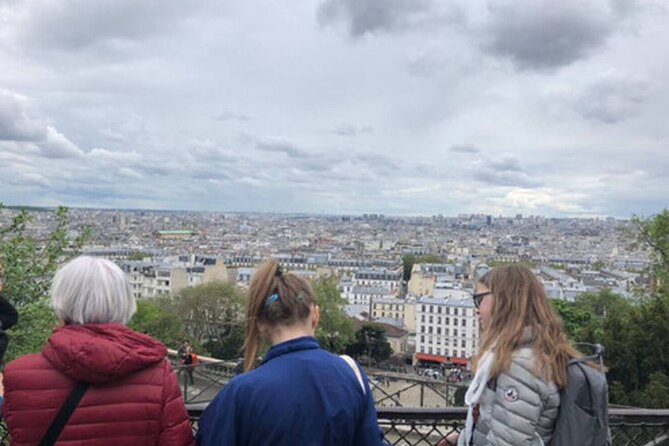
For the views, remember this: Paris from Montmartre is a layered scene. You’re looking at rooftops, landmarks, and the Eiffel Tower perspective all at once. That’s why guides bring you here rather than just letting you do the route on your own.
One more note: Sacré-Coeur is a spiritual site. Even if you’re not religious, keep your behavior respectful. It’s not just another “look at me” monument.
The included pie stop: small break, smart timing
The tour includes a visit to pie. Even though the exact details aren’t spelled out in what you’ve got here, the value is clear. After walking and climbing, you need one of two things: a chair moment or a snack moment. Pie gives you both, and it keeps you from paying premium prices for a random bite you find later.
This is a small included benefit, but it’s the kind of thing that changes the feel of a short tour. When a tour ends at Sacré-Coeur and you’re tired, you want a plan that doesn’t force you to hunt for food immediately.
What you’ll learn from the art names on the route
One thing I like about this tour is the way it uses artists as navigation. Instead of just saying, “This is Montmartre,” it points out why Montmartre mattered.
You’ll encounter references to:
- Van Gogh (linked to Montmartre as an artists’ hub)
- Toulouse-Lautrec (especially with Moulin Rouge’s cabaret world)
- Picasso (mentioned in connection with Place du Tertre)
And you get practical local culture, not only museum talk. Place du Tertre live art and the Clos Montmartre idea both help you understand that Montmartre’s creativity is not frozen in history.
Also, guides like Denise, Katie, and Sylvia are specifically highlighted for being friendly and story-driven, with comments about witty storytelling and interactive moments. If your guide leans into the stories, the whole route feels faster.
Walking level and comfort: how to plan your body
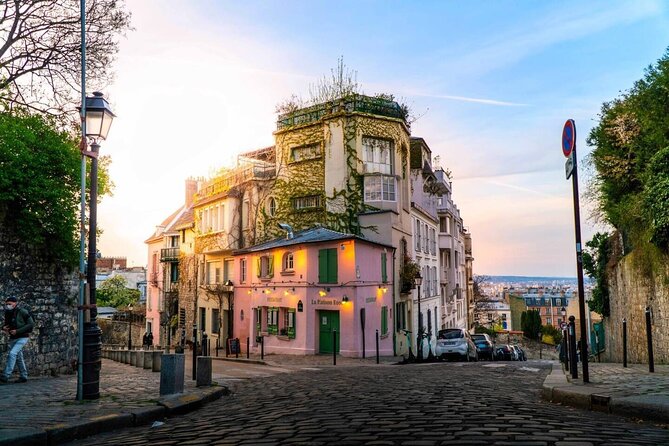
This is not a sit-and-spin tour. The hill and the stairs are real. Even with the funicular option at Sacré-Coeur, you will still spend time walking on uneven surfaces and climbing in bursts.
So pack for it like a working walk:
- Wear shoes with grip
- Bring water, especially if it’s warm
- Plan for a few stair sections no matter what
If you’re traveling with teens or family members, this can work well, because it’s a visual tour. But if your group hates stairs, you’ll want to make a clear decision about where you’ll use the funicular and where you’ll pace slowly.
Price and value: is $30.04 worth it?
At about $30.04 per person for roughly 1 hour 30 minutes, this tour is priced like a guided “hit the highlights” experience. That can be a good value in Paris because guide time saves you two things: energy and confusion.
Here’s the value math that matters:
- You get a guide for navigation in a steep neighborhood
- You get cultural context, especially around artists and the cabaret world
- You get an included pie stop, which offsets some of the day’s food cost
What you do not get is food and drinks beyond that pie, plus transfers. Tips are also not included, so you’ll likely add that if you’re happy with the guide.
If you’re only in Paris for a short time, this kind of structured route can be efficient. If you have a full day to wander, you might do it on your own with a good map. But Montmartre is one of the places where “on your own” can turn into extra steps and wrong turns.
Potential pitfalls to watch, based on real-world issues
This tour can be fantastic with the right guide. It also has one Achilles heel: reliability on a day-of basis.
Some experiences with this type of sightseeing tour have involved last-minute problems, like no-show guides or cancellations. I can’t predict your exact outcome, but you can reduce risk:
- Set an alarm and arrive a bit early at Pl. des Abbesses
- Check for updates the morning of
- Keep your afternoon flexible, in case you need an alternate plan
Another practical issue: hearing and pacing. On some tours, if your group is spread out or it’s rainy, listening can get harder, and it can also feel like you spend more time talking than walking. If you prefer a tight, efficient pace, choose your spot near the guide and ask questions early.
Who this tour suits best
This is a good match if you want:
- A guided intro to Montmartre’s art and atmosphere
- Easy access to a major viewpoint at Sacré-Coeur
- A route that covers the most iconic neighborhood hits without you planning a whole day
It’s especially good for first-time visitors who feel overwhelmed by the hilltop layout. It’s also a solid choice for families who like stories and visuals, as long as everyone is ready for uphill walking.
If you’re already a Montmartre expert and want very specific sites that aren’t mentioned in what you have here, you might find this tour too general. In that case, treat it as a “great overview with a guide,” not a specialized art-collector itinerary.
Should you book this Montmartre and Sacré-Coeur tour?
My honest take: book it if you want an efficient, guided way to connect Montmartre’s look with its creative identity. The Sacré-Coeur views, the Place du Tertre live art scene, the pass by Moulin Rouge, and the included pie break are exactly the kind of short-tour ingredients that make Paris feel special without wasting hours.
Skip it or reconsider if your group has limited tolerance for hills and stairs, or if you’re the type who hates any chance of schedule disruption. In that case, plan a backup self-guided route, so you still get the Sacré-Coeur payoff.
If you do book, do the boring prep: show up early, wear supportive shoes, and keep an eye on day-of updates. When it runs smoothly, this kind of guide-led walk turns Montmartre from confusing to clear, and that is a very good use of 90 minutes.
FAQ
What is the duration of the tour?
It runs for about 1 hour 30 minutes.
Where does the tour start and when?
It starts at Au Petit Montmartre, 16 Pl. des Abbesses, 75018 Paris at 2:30 pm and ends back at the meeting point.
Is the tour offered in English?
Yes, it is offered in English.
Is there an included ticket or is it mobile-only?
You get a mobile ticket.
What is included in the price?
The price includes a guided tour and a visit to pie.
Is food and drink included?
No. Food and drinks are not included, and tips are also not included.
Do I have to climb stairs to reach Sacré-Coeur?
You can reach Sacré-Coeur through the stairs or the funicular, depending on how you want to handle the hill.
Newly listed around Paris
- Paris Orsay Museum and Rodin Museum Daily Combo Ticket★ 4.0 · 32 reviews
- Paris Pastry Tour – Croissants, Macarons & Iconic French Desserts★ 5.0 · 232 reviews
- Paris Orsay Museum with Optional Seine River Cruise Tickets★ 4.0 · 65 reviews
- Paris Occult and the History of the Dark Arts Private Tour★ 5.0 · 17 reviews
- Île de la Cité Guided Tour & assistance Notre Dame entrance★ 5.0 · 22 reviews
- Paris Orsay Museum Entry Ticket with Digital Audio Guide★ 3.5 · 93 reviews
- Notre Dame de Paris: Semi Private or Private Guided Tour Guide★ 5.0 · 30 reviews
- Paris Opera Garnier Private Tour★ 5.0 · 42 reviews
Montmartre Walking Tours, compared.

Montmartre Hidden Gems and Scenic Highlights Walking Tour
Read our review →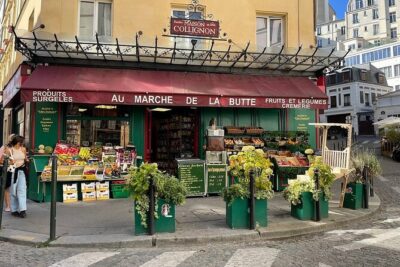
Montmartre Hill French Gourmet Food and Wine Tasting Walking Tour
Read our review →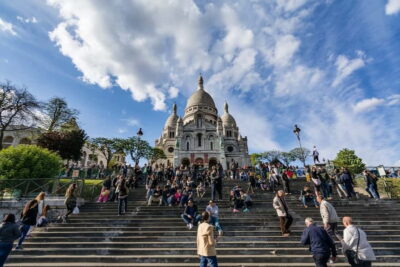
Montmartre Highlights Walking Tour with a Local Guide
Read our review →
Montmartre Cheese, Wine & Pastry Guided Walking Tour
Read our review →
Sacré-Coeur and Montmartre Tour with Expert Guide
Read our review →
Private Montmartre Food Tour with Wine, Cheese & Pastries
Read our review →
Paris Montmartre Food Tour – A Full French Meal by Do Eat Better
Read our review →Browse the lists this tour appears in