
Reviewed · MONTMARTRE WALKING TOURS
Montmartre Walking Tour in English
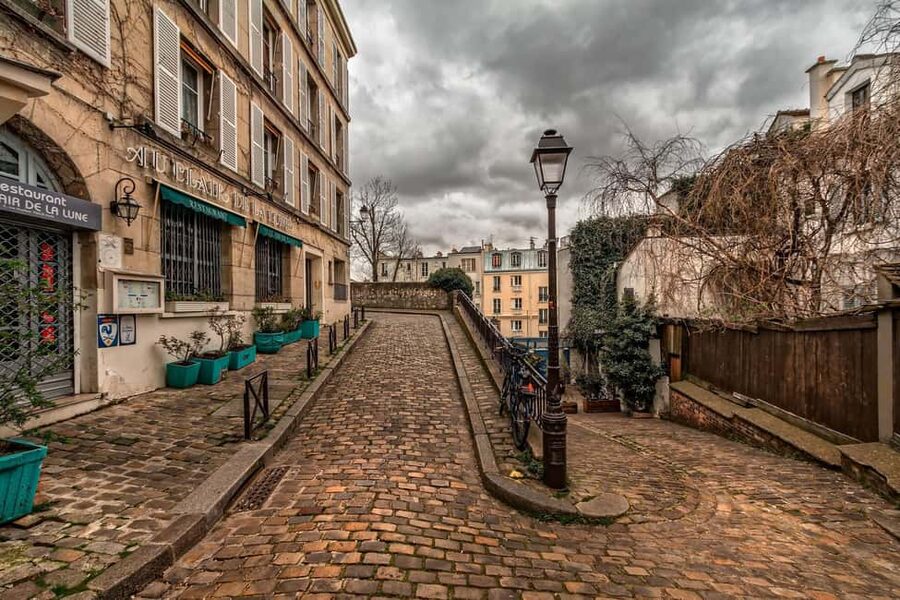
Montmartre turns street corners into stories. In about 150 minutes, you connect the neighborhood’s legend with real-world art stops, from Cafe Deux Moulins (Amélie vibes) to Van Gogh’s house. It is a hill tour, but it feels like a guided movie scene you can actually walk through.
I also like how the route is built around a thoroughly constructed narrative led by an English-speaking expert, local tour guide. One consideration: the pace can feel more explanation-heavy than breakneck, so if you prefer quick photo stops with less talking, plan for that.
In This Review
- Key Points You Will Care About
- Why Montmartre Feels Like a Place With a Past, and Still Has One
- Entering Montmartre at Metro Blanche and Spotting the Yellow Umbrella
- Cafe Deux Moulins, Amélie Memories, and Why the Café Stop Works
- Van Gogh’s House: Art History That Feels Personal, Not Like a Lecture
- Studios for Picasso and Modigliani: The Artist-Lifestyle Angle
- Vineyard Slopes and the Oldest Cabaret Feel
- Moulin Rouge: Can-Can Legends and What You Can Read in the Streets
- How the Guide Style Shapes Your Experience (Eva and Raj Examples)
- Price and Value: The $31 Booking Fee vs Pay-What-You-Wish
- Who This Montmartre Tour Is Best For
- Should You Book This Montmartre Walking Tour?
- FAQ
- Where is the meeting point for the Montmartre walking tour?
- Is the tour offered in English?
- How long is the tour?
- Does the tour run rain or shine?
- How does the pay-what-you-wish setup work?
- What are the main stops on the tour?
Key Points You Will Care About
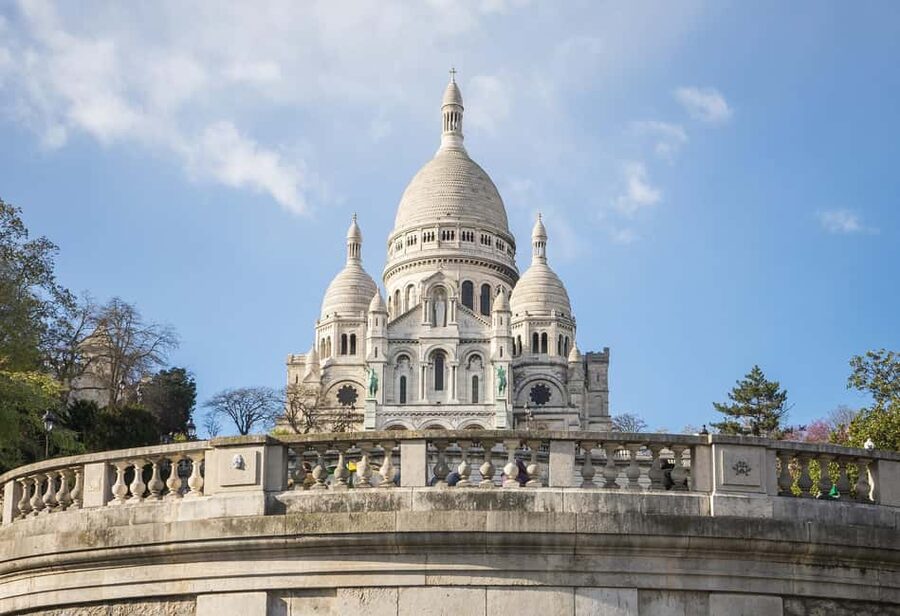
- Saint Denis and the Hill of Martyrs legend sets up the whole walk
- Cafe Deux Moulins is a film-known stop tied to Montmartre’s café culture
- Van Gogh’s house anchors the art chapter in a real place
- Studios linked to Picasso and Modigliani bring the artist-life angle into focus
- A vineyard area and an old cabaret stop show Montmartre before it became a postcard
- English guidance with humor and patient clarity, including styles from guides like Eva and Raj
Why Montmartre Feels Like a Place With a Past, and Still Has One
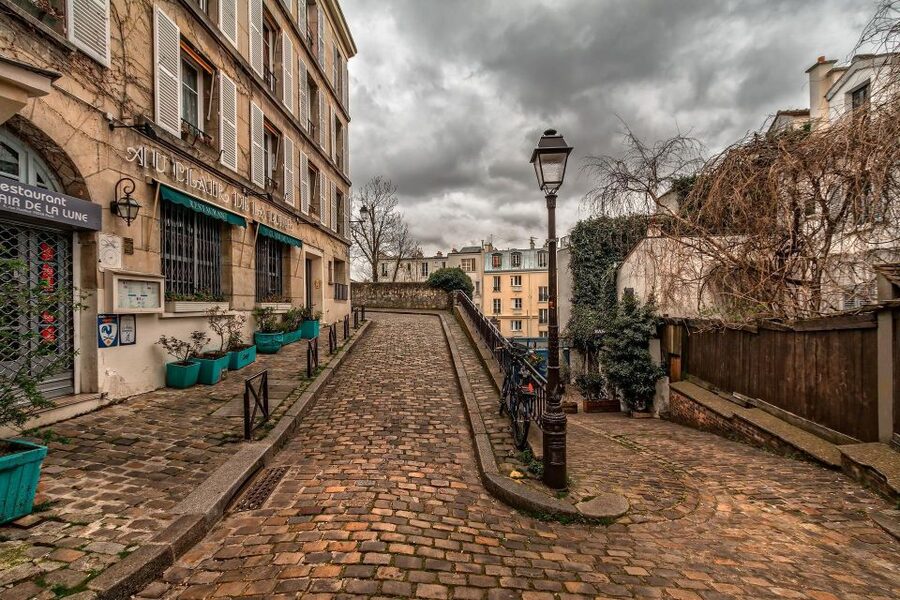
Montmartre starts with a name that already sounds like a plot twist. The Latin origin, Mons Martyrum, means Hill of Martyrs, tied to Saint Denis, who is said to have carried his severed head down the hill after refusing to renounce his faith. The story is the kind that feels creepy in an old-world way, and it is perfect for explaining why this neighborhood has always leaned theatrical.
But the tour also shows you the quieter Montmartre that came first. Before it became the go-to address for artists, it was described as a sleepy village set on the hill with vineyards, gardens, and orchards. That matters because you are not just visiting famous facades. You are walking through a district that once had working slopes and farm-like rhythms.
Then the story snaps to the real turning point. In the 19th century, Montmartre became a hotbed because of a mix of practical factors and a relaxed social atmosphere. Cheap wine, low rents, and lots of drinking establishments helped create the setting where artists from around the world could take risks. You will hear how the same streets that hosted cafés, dancing halls, and cabarets like Le Chat Noir and Moulin Rouge also became a magnet for painters and writers.
More city walks in Paris:
- Paris Top Sights Half Day Walking Tour with a Fun Guide
★ 5.0 · 2,893 reviews - Montmartre Hidden Gems and Scenic Highlights Walking Tour
★ 5.0 · 2,684 reviews - Montmartre Hill French Gourmet Food and Wine Tasting Walking Tour
★ 5.0 · 2,588 reviews
Entering Montmartre at Metro Blanche and Spotting the Yellow Umbrella
Your start point is simple, but you should plan to arrive a bit early. Meet in front of the Metro Blanche, at the only exit, and look for the yellow umbrella. That small detail saves time, especially on a hill where you do not want to be late and rushed.
From there, the walk is set up for a steady rhythm. It lasts 150 minutes, and it takes place rain or shine. If weather turns ugly, the guide will find cover so you do not have to freeze through the most talk-heavy parts. Since this is a walking tour on a steep, winding hillside neighborhood, comfortable shoes are the smart move even if the plan is only half-day length.
Cafe Deux Moulins, Amélie Memories, and Why the Café Stop Works
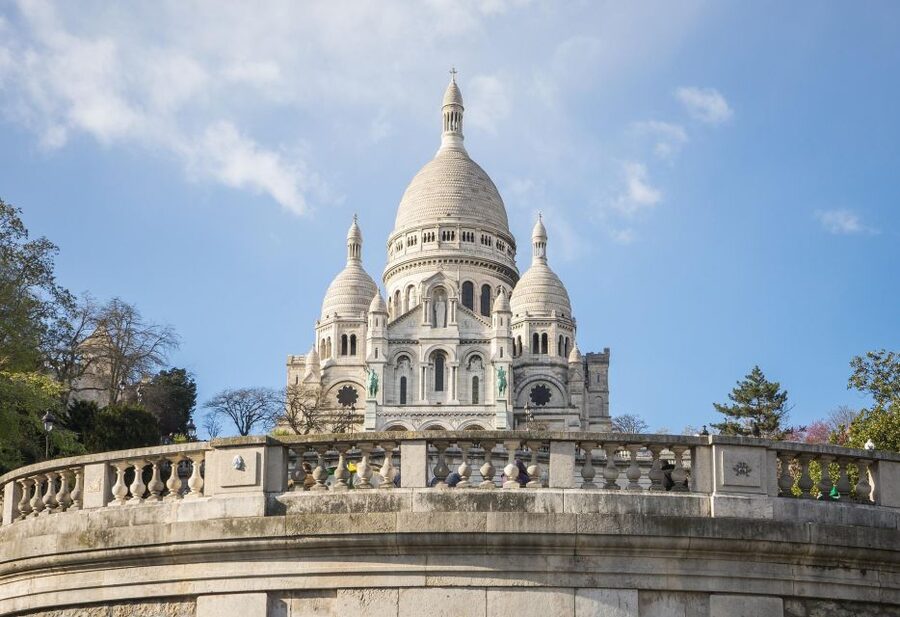
One of the highlights is Cafe Deux Moulins, a place that is well known from the film Amélie. That alone makes it fun for pop-culture fans, but the tour treats the café stop as more than a photo opportunity.
Here is what I think you will appreciate: the guide uses the location to explain why cafés were the engine of Montmartre life. The district’s “artists, anecdotes, and scandals” reputation did not appear out of nowhere. It grew in places where people gathered often, talked freely, and kept the social energy going. Even if you do not order anything, the stop gives you a physical reference point for the neighborhood’s story.
If you do want to buy a drink or snack, do it with the timing in mind. You are in a guided window, and you will still want to move on to the art and cabaret stops without feeling rushed later. Think of this café moment as a short reset that helps you connect the cinematic memory to the local history.
Van Gogh’s House: Art History That Feels Personal, Not Like a Lecture
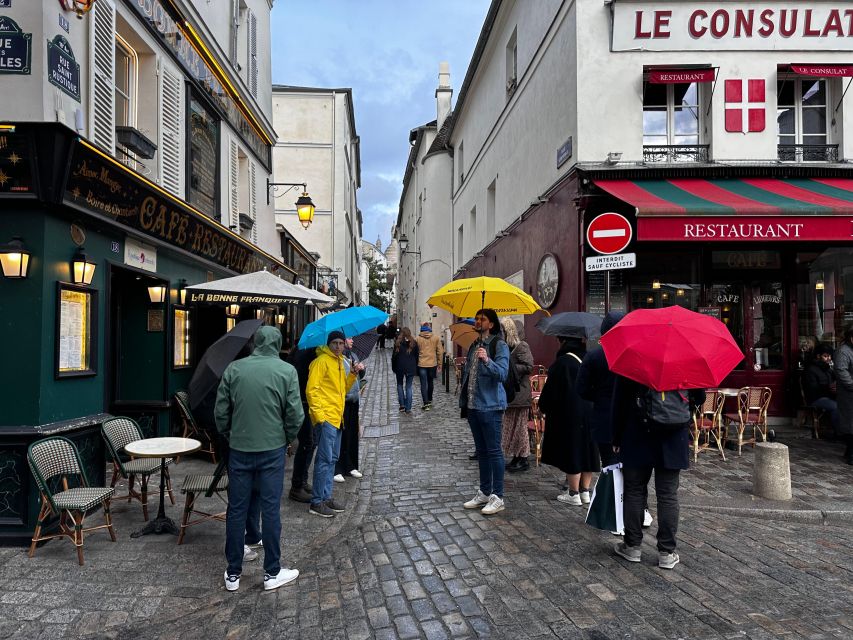
Next up is Van Gogh’s house, and this is where the tour shifts from general Montmartre legends to a more focused art chapter. Van Gogh is one of those names that can feel like a museum label until you see him linked to a specific place in the neighborhood.
The guide typically does this well by tying the artist to the conditions that drew so many creators to the hill. Remember the “why” Montmartre changed in the first place: cheap wine, low rents, and a social scene built for hanging out. When you stand near a landmark connected to Van Gogh, those conditions stop being abstract and start to feel plausible.
Practical tip: if you are sensitive to stairs or uneven ground, pace yourself here. Montmartre is famous for slopes and winding streets, and even a well-run tour still means you are walking through the neighborhood texture. Build in a slow, steady approach, because you want to enjoy the explanations rather than just survive the incline.
More Montmartre climbs:
- Paris: Montmartre Highlights Walking Tour with a Local Guide
★ 4.9 · 2,318 reviews - Paris: Montmartre Cheese, Wine & Pastry Guided Walking Tour
★ 4.8 · 2,255 reviews - The Secrets of Montmartre Walking Tour
★ 4.8 · 1,258 reviews - Private Montmartre Food Tour with Wine, Cheese & Pastries
★ 5.0 · 1,027 reviews
Studios for Picasso and Modigliani: The Artist-Lifestyle Angle
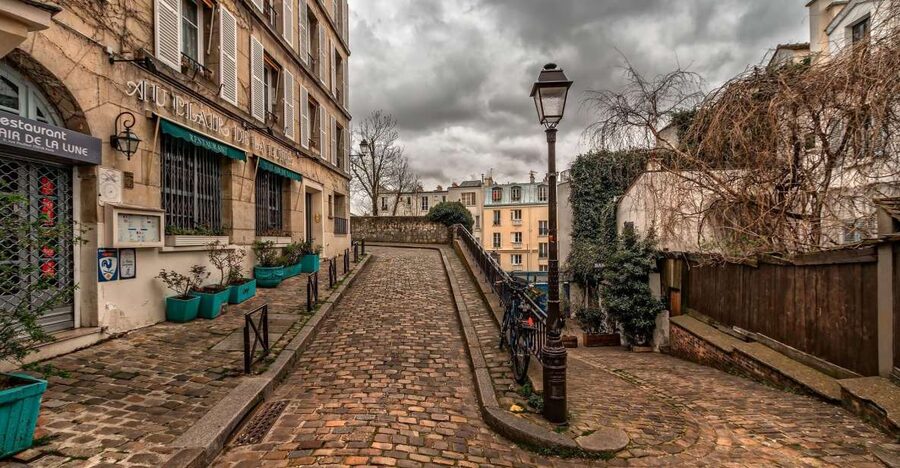
The tour also includes studios connected to Picasso and Modigliani. This stop is valuable because it expands the story beyond one hero artist. Instead of treating Montmartre like a single-name pilgrimage, the guide frames it as a creative ecosystem.
What you will likely walk away with is a better sense of how artists worked in that era. The guide places these studios inside the Montmartre pattern of low-cost living and high social energy. When so many artists overlap in time and place, you start to see why reputations spread, why styles cross-pollinate, and why the neighborhood became a magnet.
This is also a good moment to pay attention to the details the guide chooses. A well-built narrative tour is not only listing names. It connects them. You should expect the guide to help you understand what these artists represent, and how Montmartre shaped the freedom that made their work possible.
If you are the type who likes visual cues, keep your camera ready but do not let it steal the show. The best photos are often the ones you take while still listening, not only when the guide stops talking.
Vineyard Slopes and the Oldest Cabaret Feel
One of the most intriguing highlights is a vineyard area paired with an old cabaret stop. This is where Montmartre’s “before the postcard” side comes forward again. The neighborhood started with orchards and vineyards, and the tour uses that idea to remind you that this hill was once tied to food and seasonal work.
Then it swings back to nightlife and performance. The 19th century brought dancing halls, cafés, and cabarets where the whole atmosphere turned wilder and more theatrical. Montmartre became famous for its drinking culture and for entertainment that mixed art with spectacle.
You will likely hear about the cabaret tradition through examples such as Le Chat Noir and the can-can world linked to Moulin Rouge. Even if you are not deep into cabaret history, this stop helps you understand why Montmartre still feels like a stage. The streets, the steep viewpoints, and the clustered meeting places all make sense once you see the neighborhood’s role as a performance hub.
Moulin Rouge: Can-Can Legends and What You Can Read in the Streets
Finally, the tour heads to Moulin Rouge, one of the most recognizable symbols of the modern Montmartre imagination. The neighborhood story here is not just about a famous building. It is about what cabaret meant when it was new and risky, and how it became the face of an artistic community.
The guide connects it to the era when girls dancing the can-can were part of the spectacle. It also connects it to the bigger truth that Montmartre was the kind of place where artists lived next door to the nightlife that fueled the crowds. That contrast is a huge part of the neighborhood’s charm: it is both gritty and romantic, both historic and ever-on display for visitors.
Practical note: Moulin Rouge is a spot where you can feel the “everyone is here” energy. If you want cleaner photos, let the guide finish a point first, then step slightly to the side for your shot. You will still get plenty of chances to photograph, but you will do it in a way that keeps you in sync with the narrative.
How the Guide Style Shapes Your Experience (Eva and Raj Examples)
A big reason people rate this tour highly is the guide approach. You might meet someone like Eva, praised for bringing the history with passion and humor. Or you might get guidance like Raj, known for sharing lots of good information. Different styles, same goal: make Montmartre make sense without turning it into a textbook.
That balance is not automatic. A walking tour can drown you in names, dates, and long explanations. Here, the structure is a big selling point: the narrative is thoroughly built, so the stops feel connected rather than random.
That said, one review note you should take seriously is pacing. Some visitors felt the tour could move faster with less speech. If you have limited patience for conversation-heavy tours, decide ahead of time how you want to experience it. I suggest bringing a “listen first, then photo” mindset. Let the guide’s story do the heavy lifting, then you will enjoy the visual stops more when you switch gears.
Price and Value: The $31 Booking Fee vs Pay-What-You-Wish
The listed price is $31 per person, and the fine print matters for how you judge value. This is a pay-what-you-wish tour. The amount you pay now is only a small online booking fee, and your final contribution for the guide depends on what you feel the tour is worth.
So is it good value? In my view, it is if you like story-led walking tours and you want an English guide to connect art history, neighborhood legends, and recognizable landmarks. You are not just seeing a list of famous sights. You are getting a narrative that explains why Montmartre became Montmartre in the first place.
At 150 minutes, the time is long enough to cover the major highlights without dragging. And because the tour runs rain or shine, you are paying for a planned experience that adapts to weather instead of cancelling at the first cloudy moment.
If you hate paying extra for “optional tipping,” just remember this setup is built into the format. You are effectively choosing how much you value the guide’s work, which can feel fair when the guide actually brings the material to life.
Who This Montmartre Tour Is Best For
This tour works especially well if you fit one of these profiles:
- You want an English walking tour that explains what you are looking at, not just where to stand for photos.
- You are curious about the overlap of art, nightlife, and social life, including the darker legend side of Saint Denis.
- You like tours with a story structure, so the stops feel connected: Cafe Deux Moulins, Van Gogh, studios tied to Picasso and Modigliani, a vineyard and cabaret stop, then Moulin Rouge.
It might be less ideal if you prefer fast-moving, minimal-talk tours. The experience is built on explanation, and some people want more speed. If you still book, aim to enjoy the walk as a guided story, not a sprint between landmarks.
Should You Book This Montmartre Walking Tour?
Yes, I think you should book if you want Montmartre explained in a way that makes the famous sites feel meaningful. The mix of film-famous Cafe Deux Moulins, an anchor stop at Van Gogh’s house, artist-linked Picasso and Modigliani studios, plus the vineyard and cabaret angle, and then Moulin Rouge, is a solid set of experiences for one 150-minute walk.
Skip it only if you strongly dislike talk-heavy tours or you are trying to maximize your time for independent wandering with zero structured narrative. Otherwise, the format, the English guide, and the story-driven approach make it a smart way to understand why Montmartre looks the way it does and why people keep returning.
FAQ
Where is the meeting point for the Montmartre walking tour?
Meet in front of the Metro Blanche, at the only exit. Look for the yellow umbrella.
Is the tour offered in English?
Yes, the live tour guide speaks English.
How long is the tour?
The tour duration is 150 minutes.
Does the tour run rain or shine?
Yes, it takes place rain or shine. If it rains or gets cold, the guide will find cover.
How does the pay-what-you-wish setup work?
This is a general pay-what-you-wish tour. The price you pay now is only a small online booking fee, and you decide the amount you want to pay to the guide.
What are the main stops on the tour?
The highlights include Cafe Deux Moulins, Van Gogh’s house, studios connected to Picasso and Modigliani, a vineyard area and the oldest cabaret in Paris, and Moulin Rouge.
Newly listed around Paris
- The voice of Montmartre is a must-see in Paris★ 3.8 · 19 reviews
- Top Private Cruises in Paris with Champagne + more surprises★ 5.0 · 309 reviews
- The Official Emily in Paris Montmartre Walking Tour★ 4.7 · 40 reviews
- The Paris Pass® Plus: 90+ Attractions including The Louvre★ 3.4 · 386 reviews
- The Official Emily in Paris Wine & Cheese with Butter Making★ 4.9 · 20 reviews
- The Official Emily in Paris Locations Walking Tour★ 4.9 · 383 reviews
- The Official Emily in Paris Macaron-Making Workshop★ 4.9 · 68 reviews
- The Official Emily in Paris Croissant-Making Workshop★ 4.9 · 85 reviews
Montmartre Walking Tours, compared.

Montmartre Hidden Gems and Scenic Highlights Walking Tour
Read our review →
Montmartre Hill French Gourmet Food and Wine Tasting Walking Tour
Read our review →
Montmartre Highlights Walking Tour with a Local Guide
Read our review →
Montmartre Cheese, Wine & Pastry Guided Walking Tour
Read our review →
Sacré-Coeur and Montmartre Tour with Expert Guide
Read our review →
Private Montmartre Food Tour with Wine, Cheese & Pastries
Read our review →
Paris Montmartre Food Tour – A Full French Meal by Do Eat Better
Read our review →Browse the lists this tour appears in