

Reviewed · MUSéE ORSAY TICKETS & TOURS
Musée d’Orsay: Impressionists with skip-the-line ticket
Orsay feels like art inside architecture. You get skip-the-line entry plus the bonus of seeing the former railway station shell treated as part of the show. I love how the 19th-century art feels organized by theme, not just by random rooms, and I love the crisp explanations the guide brings to major works. One small drawback to plan for: the meeting spot uses an elephant statue, and that landmark can be moved or less obvious on certain days.
This is a focused 2-hour way to hit the museum highlights without turning your visit into a scavenger hunt. With headsets, you can actually hear the guide, even when the galleries get crowded. Guides like Maria, Sacha, and Deli show up in the best memories, and the common thread is fast, clear storytelling.
If you’re counting on wheelchair access, note that this tour is listed as not suitable for wheelchair users. Otherwise, the small group size (up to 6) is a big part of why this feels calmer and more personal than a standard museum “free-for-all.”
In This Review
- Key things I’d focus on
- A Former Electrified Station Turned Museum, Still Doing the Job
- Skip the Line at Orsay, Then Follow a Smart Two-Hour Sweep
- Impressionism Hits Hard Here, Monet, Manet, Renoir and More
- Cézanne and Degas, Where Stillness and Motion Compete
- Van Gogh, Gauguin, and the Realist Shock of What People Really Lived
- Rodin in Orsay, Sculptures That Feel Like They Continue Outside the Frame
- 19th-Century Architecture, Arts & Crafts, and Other Creative Signals
- Early Photos and the Lumière Brothers, Plus the Surprise Tech Side of Art
- What You Get for $104, and Why Skip-the-Line Matters
- Should You Book This Skip-the-Line Orsay Tour?
- FAQ
- How long is the Musée d’Orsay skip-the-line experience?
- What languages are offered for the live guide?
- What’s included with the ticket?
- How do you skip the line?
- Where should I meet the guide?
- Is this tour wheelchair accessible?
- Can I cancel for a full refund and pay later?
Key things I’d focus on

- The building is the exhibit, since Orsay’s station architecture is woven into the museum experience
- Skip-the-line entry via a separate entrance, so you start seeing art sooner
- A tight guide-led hit list, from Monet and Manet to Degas and Rodin
- Headsets for clear hearing, a simple upgrade that really matters in busy galleries
- 19th-century tech and culture in the mix, including early photography and the Lumière brothers
A Former Electrified Station Turned Museum, Still Doing the Job
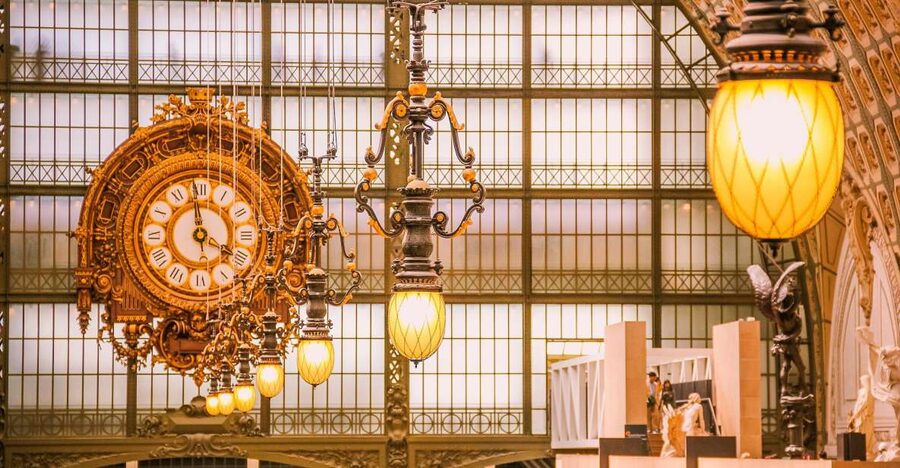
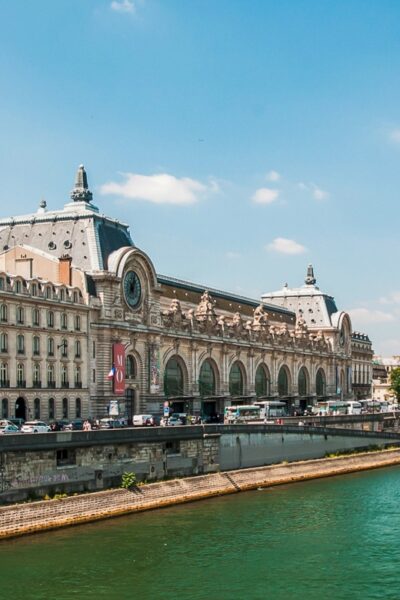
The Musée d’Orsay is special because the building is not just a container. It was the first railway station for electrical trains in Paris, and the museum conversion happened in 1986. That matters because you’re constantly aware of the space as a 19th-century machine, not a modern box.
As you walk, your guide helps you connect what you see in the paintings with what was going on in the city at the same time. This is where the museum’s “big picture” angle lands: the 1800s were the age when industrial and technical development surged, and the arts responded. You’ll also get context on other 19th-century architecture landmarks like Palais Garnier, plus the surrounding opera-area urban design.
And then there’s the Liberty Statue connection. You’ll get a look at a model of the Liberty Statue, which anchors the museum’s art story in real-world ambition and engineering. It’s the kind of detail that makes the whole century feel like one interconnected story instead of separate subjects.
More Orsay tickets:
- Paris: Orsay Museum Entry Ticket
★ 4.7 · 25,647 reviews - Paris: Orsay Museum Entry Ticket and Digital Audio Guide App
★ 4.4 · 3,170 reviews - Paris in a Day: Louvre or Orsay, Eiffel Tower, City Walk & Cruise
★ 5.0 · 1,956 reviews
Skip the Line at Orsay, Then Follow a Smart Two-Hour Sweep
This tour is built for people who want a meaningful museum visit without losing hours to the queue. You enter through a separate entrance to skip the waiting line, and a licensed guide takes you inside.
That “go in, then go” structure changes everything. Instead of spending your best energy deciding where to start, you’re already moving through the galleries while the guide sets a framework for what to notice.
Meet-up is straightforward on paper: look for the guide with a yellow sign reading My Super Tour, waiting under the statue of an elephant in front of the main entrance. The practical note is that the elephant has been reported as moved or absent at times, so arrive a little early and use the sign as your main anchor. If you’re struggling, calling the headquarters for clarification is a real fix, not a last resort.
You’ll also get headsets for hearing better the guide’s comments. In a museum like Orsay, where people stop, chat, and drift, headsets are the difference between following the story and trying to catch fragments.
Small group helps too. Limited to 6 participants, the guide can keep things flowing and adjust when questions pop up.
Impressionism Hits Hard Here, Monet, Manet, Renoir and More
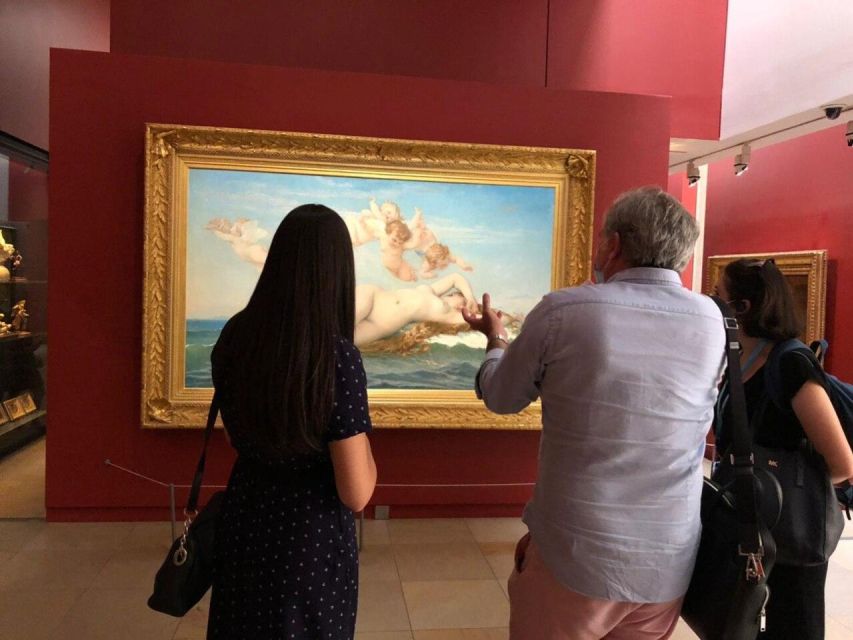
Orsay is one of the best places in Paris to see Impressionism because it’s surrounded by the right atmosphere. The museum doesn’t treat Impressionism like a side quest. It treats it like a core event of the 19th century.
Your guide will walk you through major paintings by Monet, Manet, Renoir, and others, with explanations aimed at helping you notice the craft instead of only admiring the mood. You’ll learn how Impressionism fits into the era’s bigger changes in how people saw light, modern life, and even the act of painting itself.
Here’s the practical payoff: when you’re standing in front of a Monet or Manet, you often need a nudge for what to look for. With a guide, you get pointers that help you separate style choices from simple subject matter. It makes the brushwork and color decisions feel less mysterious and more intentional.
Also, Impressionism at Orsay sits in dialogue with artists who pushed in other directions. That makes your visit more than just a greatest-hits tour. You’ll start seeing the movement as one thread in a much bigger 19th-century knot of styles.
Cézanne and Degas, Where Stillness and Motion Compete
Cézanne and Degas are two of the best artists to place early in your thinking, because they show how the century kept evolving. You’ll spend time with still lifes by Cézanne, which is a great reminder that not every famous 19th-century work is about outdoor scenes or quick moments.
Still lifes can look straightforward until someone helps you see the structure. In this museum, that structure matters because Orsay itself is all about form. Your guide links the tight compositions and the way objects are built to the broader era’s obsession with craft and design.
Then you move toward Degas. You’ll see ballet dancers by Degas, a theme that lets you compare the elegance of performance with the reality of how art captures movement. Degas is also a perfect “bridge” artist, since his work can feel modern in its angle and framing even when it’s not trying to be a future trend.
If you enjoy art that feels like it’s quietly challenging how you’re used to seeing, this pairing makes your time feel efficient. One room teaches you about structure and perception, the next shows you how motion gets translated into paint.
Other Paris bookings to consider
- Louvre Museum Masterpieces Guided Tour with Access
★ 4.5 · 12,023 reviews - Paris: Louvre Museum Entry Ticket With Host and River Cruise
★ 4.6 · 9,926 reviews - Les Invalides: Napoleon’s Tomb & Army Museum Entry
★ 4.6 · 9,185 reviews - Louvre Museum – Exclusive Guided Tour (Entry Included)
★ 5.0 · 6,296 reviews
Van Gogh, Gauguin, and the Realist Shock of What People Really Lived
This part of the visit gives you contrast on purpose. You’ll explore the concurrence between Van Gogh and Gauguin, which is a smart way to frame them as artists who were different, but not isolated. It’s the century’s creative tension in human form.
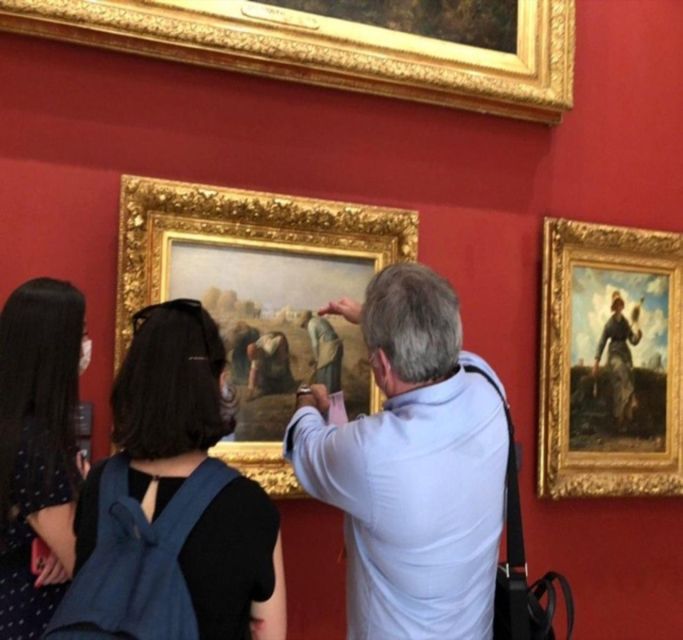
And then you’ll also meet the Realists, including artists like Millet and Courbet. You’ll see Courbet’s provocative Origin of the World, which is one of those works that stops people in their tracks. The key here is not just shock value. Your guide helps explain why it mattered in its time, and how Realism changed what subjects were considered acceptable, important, or worth painting.
This matters because the 19th century wasn’t only about Impressionism’s visible light show. It was also about the modern world’s uncomfortable truths, social realities, and the push to depict life without polishing it into something safer.
If you came to Orsay only for the famous names, this section often becomes the most memorable. It’s where the museum reminds you that “art history” is also cultural conflict.
Rodin in Orsay, Sculptures That Feel Like They Continue Outside the Frame
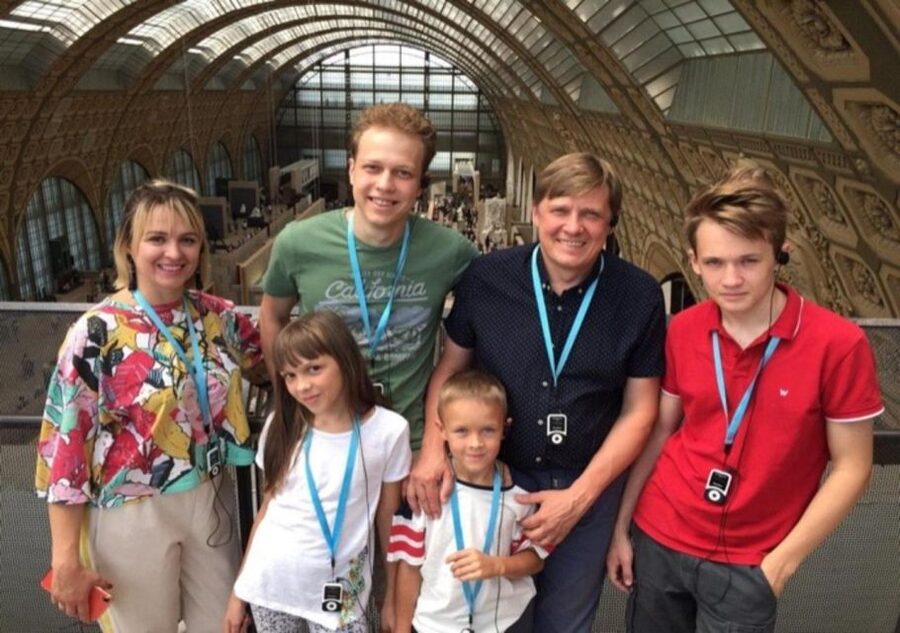
Orsay is not just a painting museum. You’ll also spend time with sculptures by Rodin.
Rodin’s work adds weight to the visit because it brings a different sense of time to the galleries. Paintings can feel like snapshots, but sculpture in this setting can feel like you’re looking at bodies that have their own gravity.
This is also where the museum’s station setting keeps paying off. The building and its industrial lines give you a backdrop that helps sculpture feel less like an isolated art object and more like part of the same 19th-century fascination with form, material, and modern life.
If you like a museum that changes your perspective as you move, Rodin is one of the stops that keeps the tour from feeling one-note.
19th-Century Architecture, Arts & Crafts, and Other Creative Signals
This tour doesn’t treat style as a single label. Instead, you’ll connect a long list of movements and approaches that overlap in the 1800s, including neoclassicism, neo-Gothic, romanticism, eclecticism, Arts & Crafts, academism, realism, symbolism, and of course Impressionism. That sounds broad, but the guide’s job is to make it usable.
One practical value is comparison. You’ll look at architecture and urbanism on the example of the Orsay railway station, then link ideas to the opera House Palais Garnier and the Parisian quarter around it. You start noticing how cities were designed to communicate power, taste, and modern identity.
Arts & Crafts also shows up as part of the story, helping you understand how design and everyday life began to matter more in how people shaped the visual world. It’s a reminder that “art” in the 19th century was not only what hangs on walls.
And because Orsay sits right at the intersection of industry and aesthetics, you get a museum that helps you see how all these signals traveled together.
Early Photos and the Lumière Brothers, Plus the Surprise Tech Side of Art
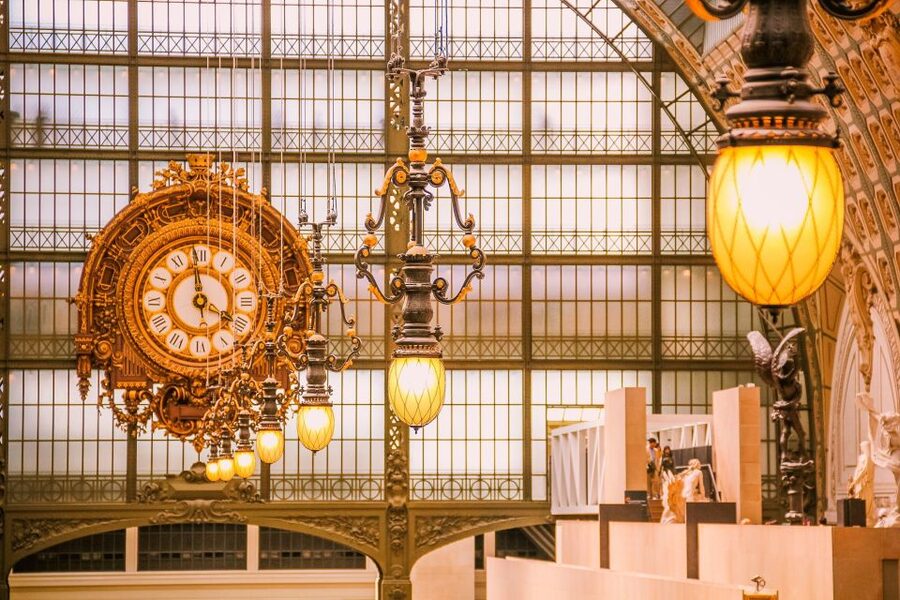
One of the more fascinating angles in this museum is the way it connects art to emerging technology. You’ll learn about the beginnings of photography and movies created by the Lumière brothers, which puts media history into the same conversation as painting and sculpture.
You might find this section changes how you think about style. When new technology appears, artists don’t just get new tools. They also get new ideas about framing, realism, timing, and what images should do for an audience.
You’ll also see other 19th-century signals of the era, including the first model of the Liberty Statue. The combination of art and engineering details makes Orsay feel like a museum of perception, not only a museum of masterpieces.
In 2 hours, you won’t leave as a historian of every invention. But you will leave with a clearer sense of how the arts responded to the world changing around them.
What You Get for $104, and Why Skip-the-Line Matters

Price is $104 per person for a 2-hour guided, small-group tour with a ticket. On paper, that’s not cheap. In practice, the value comes from four things you get together: skip-the-line access, a licensed guide, headsets, and a group capped at 6.
Skip-the-line is the obvious perk, but it’s not just convenience. It’s time. At Orsay, every minute you save before you start walking the galleries is a minute you can spend actually looking and learning.
Headsets are the underrated part. If you’ve ever tried to follow a guide while people cluster and phones ring, you know why this matters. Here, the setup helps you keep up with the guide’s comments.
Finally, the small group pace tends to feel less rushed. You’re not competing for attention every time you stop at a painting. That makes your time feel focused, which matters in a museum visit that is only 2 hours.
Who should do this?
- You want major works covered without exhausting your whole day.
- You enjoy art history explanations that stay tied to what you’re seeing.
- You like museums where the building matters as much as the canvases.
Who might not love it?
- If you plan to linger for long periods at every artwork, a 2-hour format could feel limiting.
- If you need wheelchair accessibility, this one is not suitable based on the tour information.
Should You Book This Skip-the-Line Orsay Tour?
If your goal is to see the biggest Impressionist museum highlights with a guide and walk away with a clearer sense of the 19th century, I think this is a smart buy. The mix of major paintings, Rodin sculpture, and the station building treated as part of the exhibition gives your visit more meaning than a ticket alone.
Book it if you:
- Prefer a structured route over wandering
- Want context for Monet, Manet, Cézanne, Degas, Van Gogh, Gauguin, and Courbet
- Appreciate practical extras like headsets and a skip-the-line entrance
Skip it if you:
- Want total freedom to spend as long as you want in every room
- Need wheelchair accessibility
For most first-time visitors, especially those trying to fit Orsay into a tight Paris plan, this tour is a reliable way to turn a busy museum into a guided story you can actually remember.
FAQ
How long is the Musée d’Orsay skip-the-line experience?
The tour lasts 2 hours.
What languages are offered for the live guide?
The live guide is available in English and Russian.
What’s included with the ticket?
The experience includes a professional licensed guide, an entrance ticket, skip-the-line access, and headsets to hear the guide’s comments better.
How do you skip the line?
You skip the waiting line through a separate entrance.
Where should I meet the guide?
Meet the guide under the statue of an elephant in front of the main entrance of the Musée d’Orsay. Look for the guide holding a yellow sign that says My Super Tour.
Is this tour wheelchair accessible?
No, it is not suitable for wheelchair users.
Can I cancel for a full refund and pay later?
You can cancel up to 24 hours in advance for a full refund, and you can reserve now and pay later.
Newly listed around Paris
- The voice of Montmartre is a must-see in Paris★ 3.8 · 19 reviews
- Top Private Cruises in Paris with Champagne + more surprises★ 5.0 · 309 reviews
- The Official Emily in Paris Montmartre Walking Tour★ 4.7 · 40 reviews
- The Paris Pass® Plus: 90+ Attractions including The Louvre★ 3.4 · 386 reviews
- The Official Emily in Paris Locations Walking Tour★ 4.9 · 383 reviews
- The Official Emily in Paris Macaron-Making Workshop★ 4.9 · 68 reviews
- The Official Emily in Paris Wine & Cheese with Butter Making★ 4.9 · 20 reviews
- The Official Emily in Paris Croissant-Making Workshop★ 4.9 · 85 reviews
Musée Orsay Tickets & Tours, compared.
Orsay Museum Entry Ticket and Digital Audio Guide App
Read our review →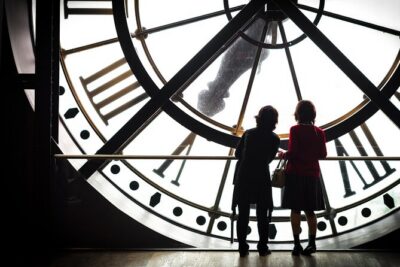
Paris in a Day: Louvre or Orsay, Eiffel Tower, City Walk & Cruise
Read our review →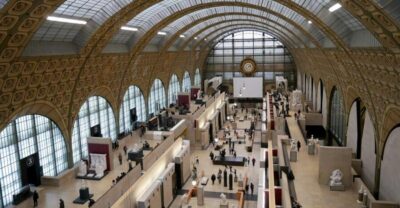
Musée d’Orsay Entry Ticket and Seine River Cruise
Read our review →
Musée d’Orsay Skip-the-Line Tour with Expert Guide
Read our review →
Musée d’Orsay Skip-the-Line Tour with Expert Guide
Read our review →
The Musée d’Orsay Guided Tour Orsay Museum Semi-Private 6ppl Max
Read our review →
Louvre & Musée d’Orsay Guided Museum Tour Semi-Private 6ppl Max
Read our review →Browse the lists this tour appears in