
Reviewed · WALKING TOURS
Paris: Creepy Middle Ages Walking Tour
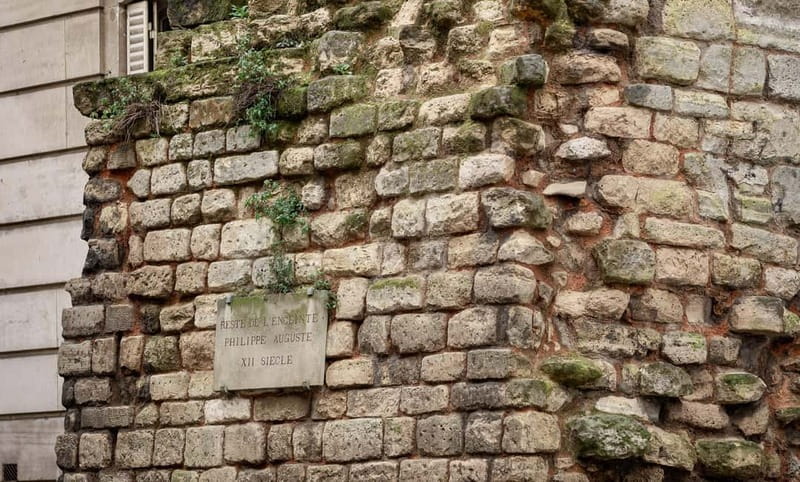
Paris can get surprisingly spooky. This walking tour pulls you into the city’s oldest streets, starting at Arènes de Lutèce and threading Roman to Middle Ages stories in a tight 2 to 3 hour loop. I especially like how it mixes big-name landmarks with lesser-seen ruins, and how the guide keeps the pace lively while covering topics like the Knights Templar and the Black Death. The main drawback to consider is that it can feel information-heavy if you prefer fewer stops and less side talk.
You’ll get a professional local guide in English or Russian, plus a PDF after you pay that includes 15 extra Paris stops to check out on your own. The vibe is not just gothic for show, either. Expect witches, plague, and medieval defense stories alongside real-world sights you can stand in front of.
And if you hate long walks between points, plan to treat this as a focused history-and-photo outing, not a slow sightseeing stroll.
In This Review
- Key points before you go
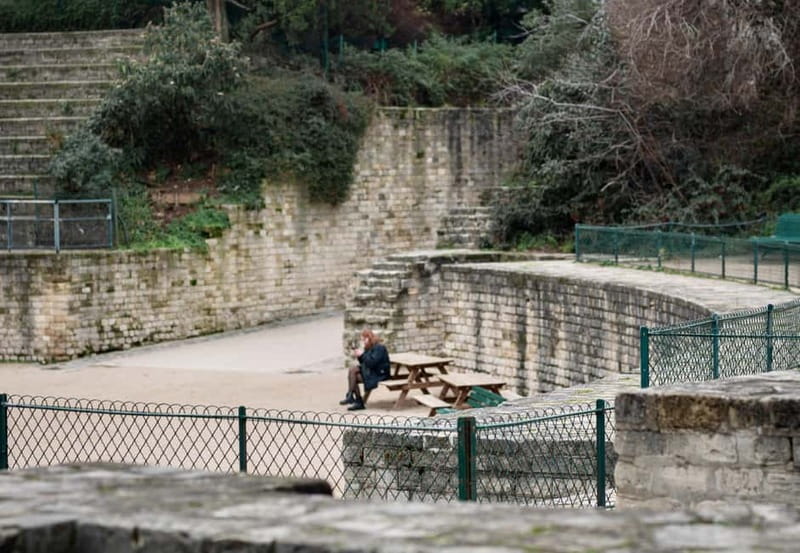
- Arènes de Lutèce, where the Roman story starts
- Roman ruins and Julius Caesar’s shadow on the street
- La Sorbonne and how learning fits a haunted city
- Musée national du Moyen Age, Thermes et hôtel de Cluny
- The secret stop, where the spooky theme gets real
- Pantheon and the Middle Ages in your line of sight
- Notre-Dame Cathedral: legend, fear, and the making of a symbol
- Pont Neuf: the easy photo finish
- The creepy Middle Ages stories you’ll hear on the walk
- Knights Templar secrets and the feeling of medieval mystery
- Richard the Lionheart and the medieval idea of a knight
- Paris vs invaders: Vikings and Attila’s Huns
- Witches, sorcerers, and how communities responded to fear
- The Black Death and the oldest hospital story
- Price and value: is $58 fair for 2 hours?
- Guide style, group size, and how to get the best out of it
- What to bring so the tour stays comfortable
- Who should book the Creepy Middle Ages tour?
- Should you book this tour?
- FAQ
- How long is the Paris Creepy Middle Ages Walking Tour?
- Where does the tour start?
- Where does the tour end?
- What languages is the tour offered in?
- What is included in the price?
- What is not included?
- Is the tour private or small group?
- What should I bring?
- What is the cancellation policy?
Key points before you go
- Roman-to-medieval continuity through a route that starts at Arènes de Lutèce
- Dark Paris stories like witches, sorcerers, and the Black Death, tied to places you see
- Templar mystery time with the Knights Templar and their legendary secrets as a centerpiece
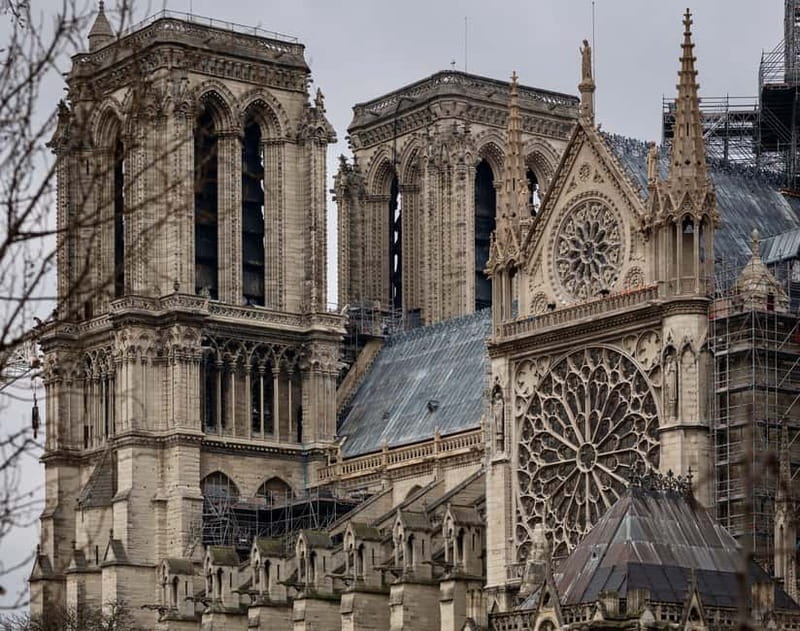
- Notre-Dame in context, including how medieval legends helped shape the Cathedral story
- A PDF bonus after payment with 15 extra things to do in Paris
- Small group or private options, which can make questions easier and the pace steadier
Arènes de Lutèce, where the Roman story starts
The tour kicks off at Le Petit Panthéon and the meeting area by Arènes de Lutèce. That opening matters, because it sets the theme fast. You’re not starting with a single cathedral or a single museum. You’re starting with an ancient footprint, then letting the guide connect that layered past to what Paris became later.
Arènes de Lutèce is a perfect first stop because it’s already a physical reminder that this area was important long before the Middle Ages. I like how this kind of start helps you understand why medieval Paris didn’t appear from nowhere. It grew on top of older places, old roads, and older power.
What to watch for: this is a walking tour, so your legs set the rhythm. Wear comfortable shoes right away. You’ll be doing your photo stops as you go, including later at Pont Neuf.
More city walks in Paris:
- Paris Top Sights Half Day Walking Tour with a Fun Guide
★ 5.0 · 2,893 reviews - Montmartre Hidden Gems and Scenic Highlights Walking Tour
★ 5.0 · 2,684 reviews - Montmartre Hill French Gourmet Food and Wine Tasting Walking Tour
★ 5.0 · 2,588 reviews
Roman ruins and Julius Caesar’s shadow on the street
From the first moments, you’ll hear the kind of question this tour is built around: How did Julius Caesar conquer Gaul? The point is not to memorize facts. The point is to understand how control and conflict shaped what came next.
Expect the guide to connect that story to the city’s oldest layers, and then to the Middle Ages material that follows. This is where the tour earns its name. It’s not just spooky topics. The spooky parts are attached to real streets and older sites, so the stories have a place to land.
If you like history that has momentum, this tour style works well. You’ll be moving through settings as the narrative shifts from Roman times to medieval fears and politics.
La Sorbonne and how learning fits a haunted city
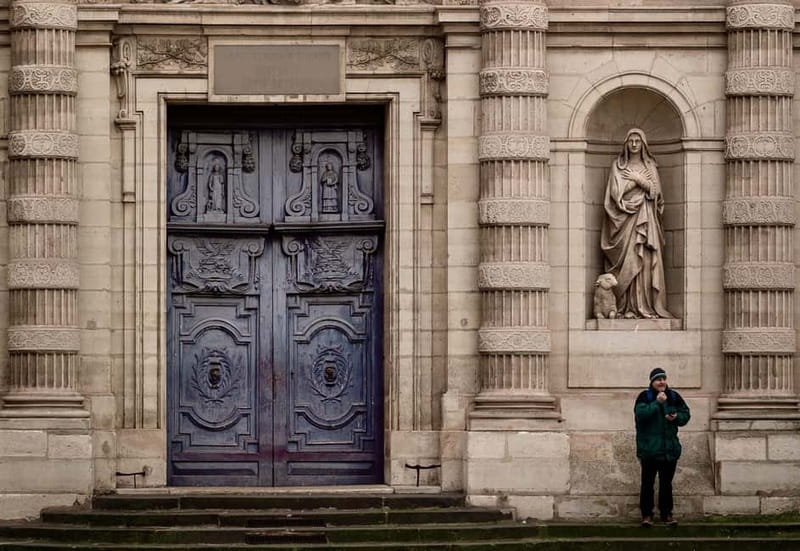
Next up is La Sorbonne. On paper, it’s one of those names you might have heard from books or maps. On foot, it becomes part of a larger question: what kind of city did Paris try to be during the Middle Ages?
This tour uses stops like La Sorbonne to keep the Middle Ages from feeling like only war and plague. You’ll hear medieval stories that include defense, power, and the way people explained the world. That matters because the Middle Ages were not only about castles and knights. They were also about institutions, ideas, and who got to decide what was true.
Possible drawback: one booking noted that the guide can go deep into tangents. If you want clean, tightly trimmed explanations, bring a little patience and trust the main storyline will keep moving.
Musée national du Moyen Age, Thermes et hôtel de Cluny
Then you’ll head to Musée National du Moyen Age-Thermes et Hotel de Cluny. The tour uses this stop to keep the medieval setting grounded in architecture and place. It’s a strong moment to slow down briefly, look around, and let the guide frame what you’re seeing.
This stop also supports the tour’s darker side. It’s a place where medieval life isn’t only talked about, it is hinted at through how the city used space, and how old structures stayed relevant.
Why this stop is valuable: you’re building context for everything that follows. When the guide talks about medieval paranoia, the Black Death response, and secretive organizations, you’ll be more ready to follow because you already saw the physical medieval layer.
Other Paris bookings to consider
- Paris: Montmartre Highlights Walking Tour with a Local Guide
★ 4.9 · 2,318 reviews - Paris Île de la Cité and Notre-Dame Walking Tour With Crypt
★ 5.0 · 2,272 reviews - Paris: Montmartre Cheese, Wine & Pastry Guided Walking Tour
★ 4.8 · 2,255 reviews - Paris in a Day: Louvre or Orsay, Eiffel Tower, City Walk & Cruise
★ 5.0 · 1,956 reviews
The secret stop, where the spooky theme gets real
Between the big named stops, there’s a secret stop. That’s one of the reasons this tour feels different from a simple greatest-hits walk.
I like secret stops in walking tours when they do one job well: they create contrast. You’ve seen the obvious landmarks and recognizable sites. Then you get a location that the guide uses to land a specific part of the story, which makes the whole tour feel more like a guided narrative than a checklist.
What to expect: a guided moment where the guide adds the kind of detail you’re not likely to spot alone. If you’re the type who enjoys hearing how people interpret history on the ground, this part can be memorable.
Pantheon and the Middle Ages in your line of sight
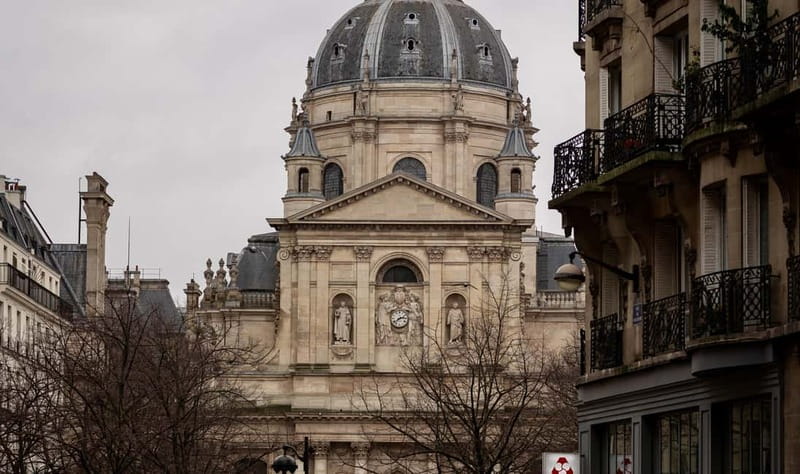
The tour includes Pantheon, Paris. Even if you’ve passed this area before, it works here because it’s another vantage point for how Paris kept rebuilding, reshaping, and redefining itself.
This is also a place where the guide can connect themes like legendary figures and medieval danger. One of the tour’s recurring threads is conflict and who protected the city. You’ll hear stories framed around defense and survival, including how Paris defended itself from the Viking invasion and what happened when outsiders pressured the region.
Tip for your photos: don’t rush. The best shots usually come from stepping back a bit and letting your guide finish the explanation. You’ll get a better sense of where to stand for the view.
Notre-Dame Cathedral: legend, fear, and the making of a symbol
One of the tour’s biggest anchors is Notre Dame Cathedral. You’re not just doing a photo stop here. The guide ties the Cathedral to the questions the tour is built on, including how the legendary Notre-Dame de Paris was created.
That framing helps you see the Cathedral as more than a famous building. It becomes a symbol formed in a time when belief, power, and public life were tightly connected. The tour’s creepy themes fit here too, because medieval fear was often public, not private.
Also, the vibe at Notre-Dame is the reason this tour can feel special even if you’ve seen the outside before. You’re hearing it as a living story, not just a landmark to check off.
If you dislike crowds: plan to treat this as a guide-led stop where you listen first, take photos second. If you try to race for the perfect angle, you might miss the best part of the explanation.
Pont Neuf: the easy photo finish
The tour wraps near 15 Pl. du Pont Neuf, with a photo stop at Pont Neuf. This is the calm, practical end to a narrative-heavy walk.
Pont Neuf is useful for your planning because it’s open, photogenic, and gives you a clear “we’re done” landmark to orient yourself afterward. If you want to keep going on your own, you’ll have an easy reference point.
The creepy Middle Ages stories you’ll hear on the walk
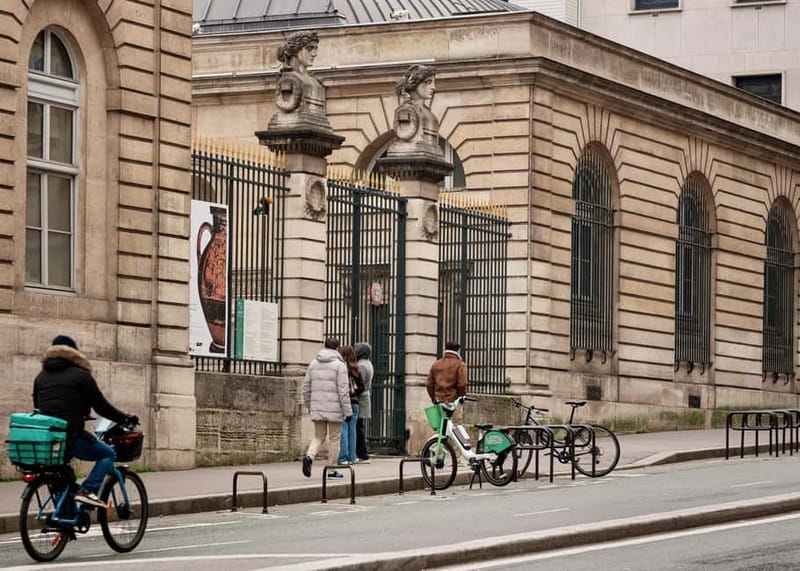
The itinerary is built to support specific story themes, so you’ll recognize what’s coming as you walk. Here’s how the tour’s main topics tend to show up in a way that actually helps you follow the thread.
Knights Templar secrets and the feeling of medieval mystery
The tour calls out the legendary Knights Templar and their mysteries as a key storyline. This is one of the most talked-about themes, because it blends real medieval power with the kind of secrecy that makes legends stick.
What I like about handling this theme on foot is that you’re not only hearing about a group. You’re walking through Parisian spaces that helped people feel connected to bigger forces. It turns the Templars from distant lore into something you understand as part of how medieval cities imagined hidden influence.
Richard the Lionheart and the medieval idea of a knight
You’ll also hear about Richard the Lionheart, described as the main knight of the Middle Ages in the tour’s framing. This is a good stop for anyone who thinks medieval history is only about kings and dates. Here, it’s presented as a human figure inside a broader medieval worldview.
Even if you know the name already, it helps to hear how the guide connects knighthood and conflict to the fear and defense stories you’ll encounter elsewhere.
Paris vs invaders: Vikings and Attila’s Huns
Expect stories built around survival, including how Paris defended itself from the Viking invasion and who saved Paris from the Huns led by Attila.
The useful thing about this kind of storytelling during a walking tour is timing. As you move past old sites, you start to see the city as a target that kept responding. That makes the Middle Ages feel less like a school unit and more like lived pressure.
Witches, sorcerers, and how communities responded to fear
One of the tour’s creepier questions is how Paris hunted witches and sorcerers. This is where the tour earns its title. It’s also where you should keep an open but critical mindset.
I like that the tour doesn’t just say witches and stop there. It ties fear to the way people tried to explain disaster and uncertainty. If you want moral lessons you can argue with afterward, this is the part that sparks the most conversation.
The Black Death and the oldest hospital story
The tour asks: What is the oldest hospital in the world, and how did Parisians deal with the Black Death? This is a heavy topic, but it’s also one of the most important story anchors in medieval history.
On a tour, the key value is that you get a human scale to the crisis through the place itself. You’ll leave with the feeling that plague wasn’t abstract, it was handled through institutions, care, and daily decisions in the middle of panic.
Price and value: is $58 fair for 2 hours?
At $58 per person for about 2 hours, this isn’t a bargain tour, but it also isn’t priced like a luxury private experience. For your money, you get a professional and local guide, a focused route across major historic points, and a PDF with 15 Paris extras after payment.
The value angle that matters most: it’s not only sightseeing. It’s guided storytelling built around specific themes, from Templar mysteries to plague and fear. If you enjoy learning through a narrative structure and you want someone else to connect the dots, the price feels reasonable.
If you hate walking and want to sit most of the time, you might feel the cost more. This tour does involve moving between stops, and the payoff is tied to the guide’s explanations.
Guide style, group size, and how to get the best out of it
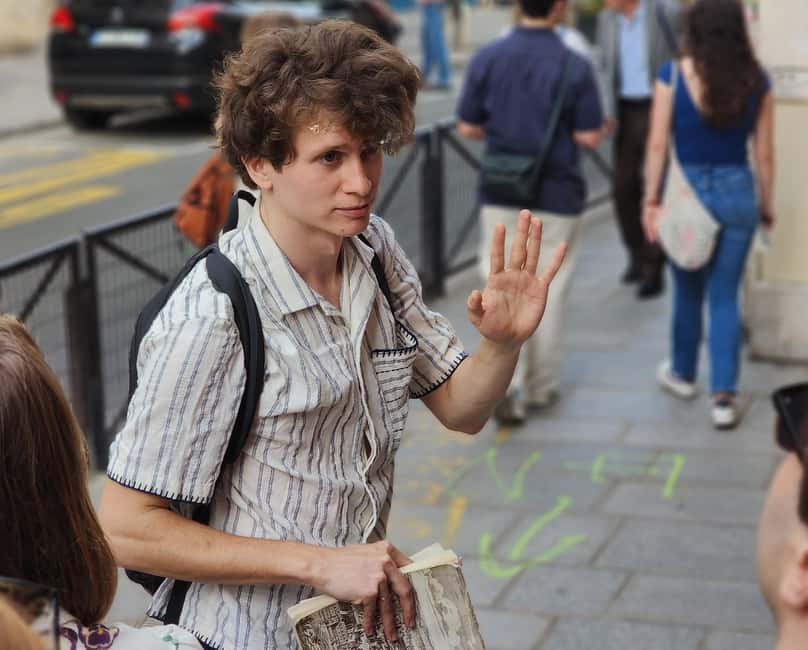
The experience is led by Vlad Paris Guide. Based on what you can run into with this tour, guides like Slava are known for loving medieval history and mixing strong explanations with humor.
That matters because medieval topics can go either way. They can be dry, or they can feel alive. A guide who can answer your questions and keep the mood moving tends to make the spooky material more fun and less weird.
Group size can also change your experience. If you’re there on a quieter day, you may get a more private feel, which makes it easier to ask follow-ups and hear the story with less interruption.
Main consideration: one critique was that the pace may slow when the guide expands into tangential topics. If you’re someone who wants to cover every stop quickly, you might want to set expectations: this tour prioritizes storytelling, not a rush through every photo.
What to bring so the tour stays comfortable
This one is simple, but it can make or break your comfort.
- Comfortable shoes (you’ll be walking between stops)
- Water
- Weather-appropriate clothing
Since the tour is outdoors for much of the route, plan for rain or heat. You’ll enjoy the creepy parts more when you’re not thinking about sore feet.
Who should book the Creepy Middle Ages tour?
Book this if you:
- Like history told through stories, not only dates
- Want medieval themes connected to real places you can stand in
- Enjoy a guided walk that mixes major sites like Notre-Dame with older layers like Roman ruins
- Want something darker and more interesting than a standard landmarks tour
Skip it if you:
- Prefer short, light walks with minimal explanation
- Get overwhelmed by lots of information and side topics
- Want pure sightseeing without the witch and plague themes
Should you book this tour?
I think it’s a strong pick for visitors who want Paris with bite. The route is built to connect Roman beginnings to medieval fear and myth, and the guide role is central. With a guide like Slava, the tour can feel fun, sharp, and genuinely memorable.
If you’re budgeting time tightly and you want a 2 hour experience that gives you stories you can carry all day, this is a good use of your morning or early afternoon. Just go in expecting a narrative-heavy walk, not a quick, silent museum stroll.
FAQ
How long is the Paris Creepy Middle Ages Walking Tour?
It runs for about 2 hours. The tour description also notes a 2 to 3 hour walking duration.
Where does the tour start?
You meet near Le Petit Panthéon by Arènes de Lutèce.
Where does the tour end?
The tour finishes at 15 Pl. du Pont Neuf.
What languages is the tour offered in?
The live guide offers the tour in English and Russian.
What is included in the price?
You get a 2 to 3 hour guided walking tour with a professional and local guide, Roman ruins visits, medieval secrets exploration, and a PDF guide with 15 extra Paris stops after your payment. There are also photo-friendly locations.
What is not included?
Food and drinks, and transportation.
Is the tour private or small group?
Private or small group options are available.
What should I bring?
Bring comfortable shoes, water, and weather-appropriate clothing.
What is the cancellation policy?
Free cancellation is available up to 24 hours in advance for a full refund.
Newly listed around Paris
- The voice of Montmartre is a must-see in Paris★ 3.8 · 19 reviews
- Top Private Cruises in Paris with Champagne + more surprises★ 5.0 · 309 reviews
- The Official Emily in Paris Montmartre Walking Tour★ 4.7 · 40 reviews
- The Paris Pass® Plus: 90+ Attractions including The Louvre★ 3.4 · 386 reviews
- The Official Emily in Paris Wine & Cheese with Butter Making★ 4.9 · 20 reviews
- The Official Emily in Paris Locations Walking Tour★ 4.9 · 383 reviews
- The Official Emily in Paris Macaron-Making Workshop★ 4.9 · 68 reviews
- The Official Emily in Paris Croissant-Making Workshop★ 4.9 · 85 reviews
Walking Tours, compared.
Paris Top Sights Half Day Walking Tour with a Fun Guide
Read our review →
Montmartre Hidden Gems and Scenic Highlights Walking Tour
Read our review →
Montmartre Hill French Gourmet Food and Wine Tasting Walking Tour
Read our review →
Montmartre Highlights Walking Tour with a Local Guide
Read our review →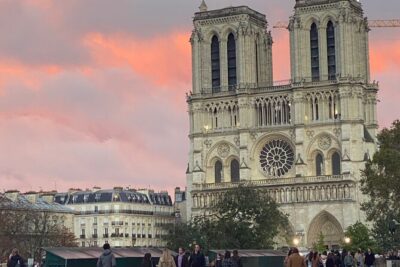
Paris Île de la Cité and Notre-Dame Walking Tour With Crypt
Read our review →
Montmartre Cheese, Wine & Pastry Guided Walking Tour
Read our review →
Paris in a Day: Louvre or Orsay, Eiffel Tower, City Walk & Cruise
Read our review →
Paris City Center Free Walking Tour (Tip-Based)
Read our review →Browse the lists this tour appears in