
Reviewed · MONTMARTRE WALKING TOURS
Paris: Musée de Montmartre and Gardens Entry Ticket
Montmartre history, in a quiet house setting. This Musée de Montmartre entry gives you skip-the-line access and a 90-minute audio guide that turns the neighborhood into a clear timeline you can follow at your pace. I also like that the museum is small enough to feel personal, not like a stadium exhibit.
Two big wins for me are the Renoir Gardens (plus the Montmartre vineyard) and the way the museum connects art, nightlife, and daily life, from mills to cabarets. One thing to plan around: the Café Renoir hours are limited, and on at least some days it may not be available if there is a private event.
In This Review
- Key things I’d focus on before you go
- Musée de Montmartre in the Bel Air House, the oldest Montmartre address
- Skip-the-line entry and the 90-minute audio guide route
- From mills to cabarets: the Montmartre story you can actually follow
- Renoir Gardens and the Montmartre vineyard: your built-in break
- Temporary exhibitions, including Impressionist-era focus
- Café Renoir and practical timing that saves your day
- Should you book this Montmartre museum ticket?
- FAQ
- What is the opening time for the Musée de Montmartre?
- How long is the audio guide?
- Does this ticket include the gardens and the Renoir private garden?
- Is a live guide included?
- What are the hours for Café Renoir?
- Is the museum wheelchair accessible?
Key things I’d focus on before you go
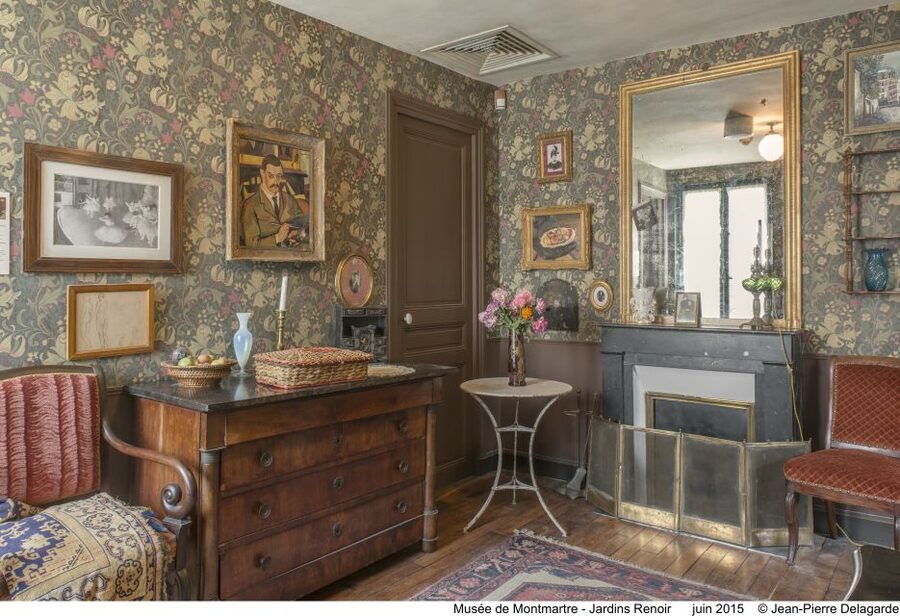
- Bel Air House setting: a 17th-century structure, the oldest building in Montmartre, with a strong sense of place
- Guided timing that’s flexible: a 90-minute audio route, but you can stay longer and explore on your own
- Chat Noir and the cabaret era: shadow theatre created in 1866 by Henri Rivière and Henry Somm, plus the performers Montmartre made famous
- Renoir Gardens + vineyard: a visual break with luxuriant flora and Montmartre vineyard views
- Temporary exhibitions as a bonus: extra displays can add fresh focus beyond the permanent collection
- Small details matter: the museum has areas that can be easy to miss unless you slow down and follow signage
Musée de Montmartre in the Bel Air House, the oldest Montmartre address
This ticket takes you into the Musée de Montmartre, housed in the Bel Air House, a 17th-century building and the oldest structure in Montmartre. That detail matters more than you might expect. The museum does not feel like a generic gallery room dropped into a neighborhood. It feels like you’re stepping into the physical layer of Montmartre itself, so the story lands faster.
When you walk through, you get a sense of why artists were drawn here in the first place. Montmartre was not just a postcard viewpoint. It was a working area with mills and the rhythms of daily life, and then, later, it became a magnet for performers, painters, and writers. The building helps you feel that shift, because it sits at the intersection of “old Montmartre” and the artist era the museum is famous for.
I also like that the museum includes both permanent and temporary exhibitions. The permanent collection gives you the backbone, while the temporary show can steer your attention toward a specific artist or theme during your visit. That makes the ticket feel more like an experience than a single pass through one fixed display.
Practical note: Montmartre can be hilly, so build in time to get up to the museum. One review described the walk as a bit of a trek, and that lines up with what most people run into when they head into the upper parts of Montmartre.
More Montmartre climbs:
- Montmartre Hidden Gems and Scenic Highlights Walking Tour
★ 5.0 · 2,684 reviews - Montmartre Hill French Gourmet Food and Wine Tasting Walking Tour
★ 5.0 · 2,588 reviews - Paris: Montmartre Highlights Walking Tour with a Local Guide
★ 4.9 · 2,318 reviews
Skip-the-line entry and the 90-minute audio guide route
You’ll show your voucher at the museum entrance and go straight in, which is the whole point of choosing this entry ticket. Waiting outside is the quickest way to turn a “one day in Paris” plan into a stressful one. Getting skip-the-line access buys you calm time, especially since Montmartre’s streets can get busy around the main attractions.
Inside, the main guidance tool is the audioguide, and the recommended duration is 90 minutes. That’s a good length: long enough to build context, short enough that you won’t feel trapped. I like using audioguides in small museums because they act like a human pace setter, without forcing you to keep up with a group.
The audio guide also gives you a clear history thread that ties Montmartre’s rise to real dates and turning points. You learn that in the 19th century Montmartre was annexed to the city of Paris. After that, the city’s influence pressed into the countryside. That context is key, because it explains why the neighborhood changed so quickly.
The audio guide also covers the nightlife and performance world. You hear how, starting around 1870, artists moved to Montmartre, and in the 1880s cafes and cabarets multiplied. This isn’t just name-dropping. It helps you understand how studios, music, dance, and public entertainment grew from the same creative engine.
And you can stay beyond the 90 minutes if you want. That’s a smart option if you like to read labels slowly, linger in quiet corners, or you want to spend extra time in the gardens.
From mills to cabarets: the Montmartre story you can actually follow
What makes this museum especially useful is that it connects art history to everyday culture. You are not only shown paintings or posters. You get a sense of how people lived, worked, and performed, and how those worlds fed each other.
A few narrative beats are especially worth paying attention to as you move through the spaces:
- Montmartre’s shift from countryside rhythms into an annexed Paris district
- The 1870 influx of artists, and then the 1880s surge in cafes and cabarets
- The role of theatres and shadow performance in building Montmartre’s reputation
- How certain performers became symbols of the era, not just entertainers
One highlight in the audio story is the Chat Noir cabaret. It welcomed performances of the Théâtre d’Ombres, a shadow theatre created in 1866 by Henri Rivière and Henry Somm. That’s a fascinating detail because it shows that Montmartre wasn’t only about painting. It was also about showmanship, stage creativity, and new forms of visual storytelling.
You’ll also hear names tied to the stage world and the Paris crowd. Aristide Bruant and Yvette Guilbert recited texts connected to the cabaret scene. The museum’s story also links dance and performance to Montmartre’s glamour, including La Goulue and dancers identified with the Moulin Rouge like La Môme Fromage and Grille d’Egouts. Toulouse-Lautrec is mentioned as one of the more assiduous artists representing these performances, which helps you connect the museum’s visual arts to the world happening around them.
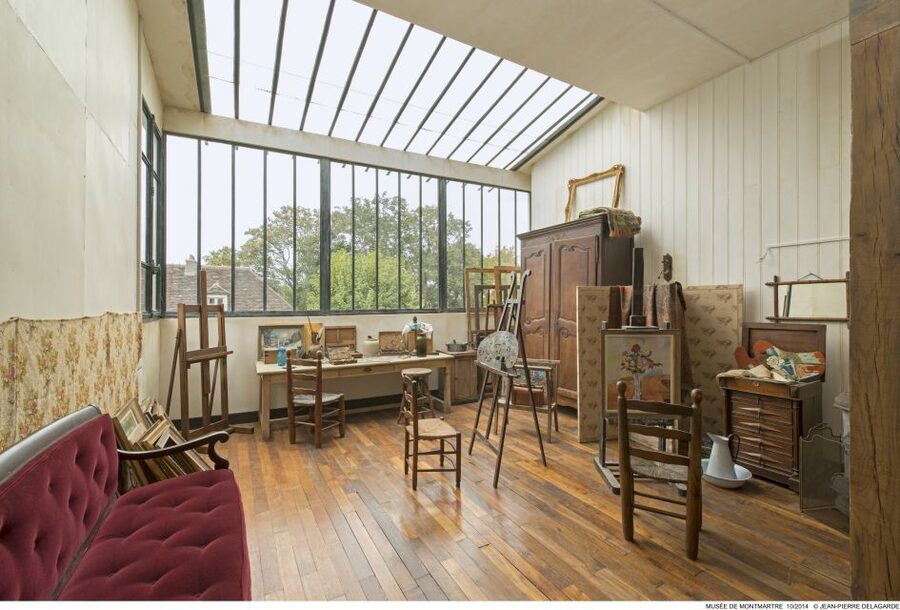
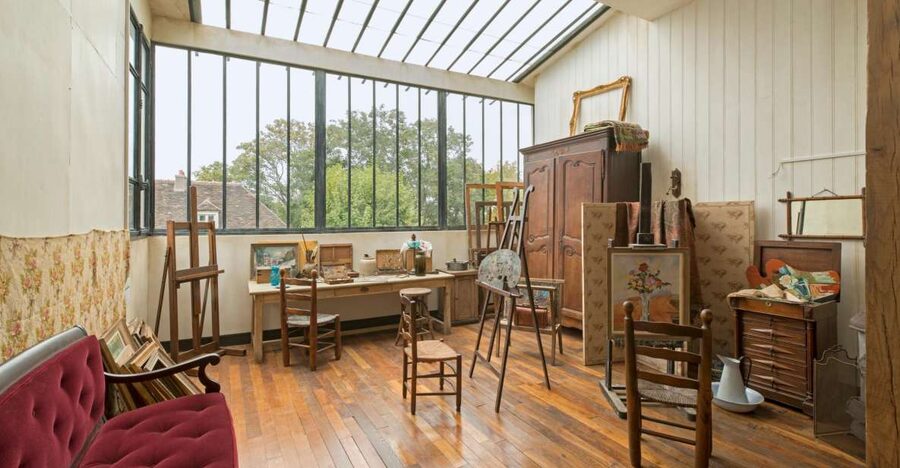
Then there’s the studio layer. The museum points to the artists’ working spaces, including 12 Cortot, and the idea that multiple artists passed through and loved the chance to paint their residence. Even if you are not a hardcore art-history person, that angle makes the neighborhood feel human.
If you want one practical tip, it’s this: take your time in the rooms that frame the “why” behind the artists. If you only skim the story sections, you’ll still enjoy the art, but you’ll miss the logic that makes Montmartre’s transformation click.
Renoir Gardens and the Montmartre vineyard: your built-in break
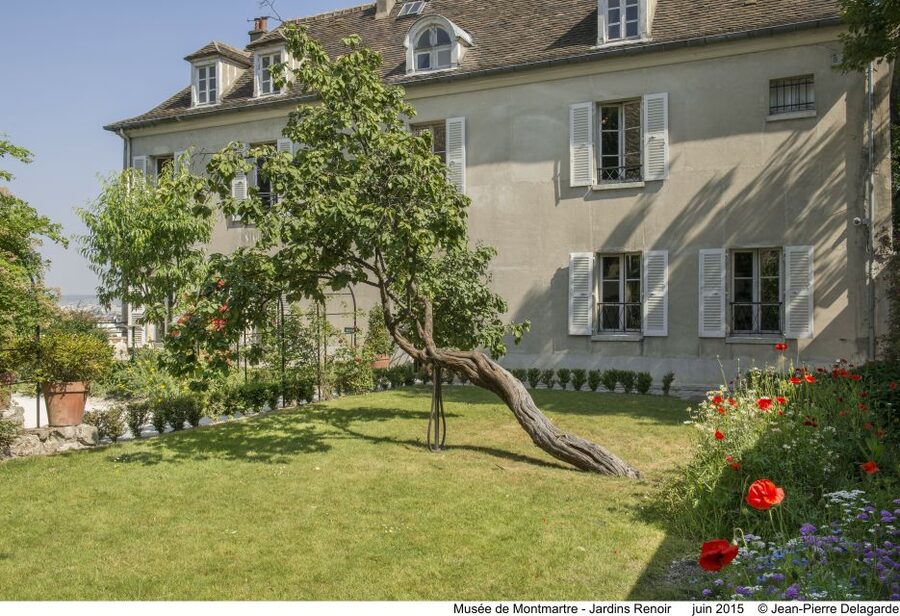
This is one of the main reasons I’d choose this ticket over a plain museum-only option. The entry includes access to the museum gardens, plus the Renoir private garden. And the museum doesn’t treat the outdoors as an afterthought. You get a real change of pace.
The gardens are described as having luxuriant flora. Even in off-season visits, people have found them pleasant, which usually means the planting and layout work year-round rather than looking best only for springtime travel brochures.
The Montmartre vineyard connection is also a great touch. It turns the neighborhood into something you can picture beyond the steep streets and tourist viewpoints. When you see a vineyard concept in Montmartre, the area’s link to its countryside past makes more sense. It reinforces the museum’s bigger point that Montmartre did not become “art” overnight. It had an earlier life, and that earlier life is part of the story.
A good approach: plan to use the gardens like a breather between indoor sections. If you start with the museum rooms, then step outside for a coffee or a quiet sit, your brain does not feel overloaded. That matters because you may be reading history plus studio context plus performance names in the same day.
There is also a practical timing advantage. The museum stays open until 7:00 PM, so you can choose your outdoor moment. If you arrive earlier, you can treat the gardens as a mid-day refresh. If you arrive later, it can still work as a decompress before you leave.
Other Paris bookings to consider
- Paris: Orsay Museum Entry Ticket
★ 4.7 · 25,647 reviews - Louvre Museum Masterpieces Guided Tour with Access
★ 4.5 · 12,023 reviews - Paris: Louvre Museum Entry Ticket With Host and River Cruise
★ 4.6 · 9,926 reviews - Les Invalides: Napoleon’s Tomb & Army Museum Entry
★ 4.6 · 9,185 reviews
Temporary exhibitions, including Impressionist-era focus
Your ticket includes entrance to both permanent and temporary exhibitions. That means you are not limited to the classic Montmartre story. During your visit, you may get extra focus on a particular artist or theme.
In the supplied information, names like Maximilian Luce come up, and one visitor noted being impressed by an exhibit there. Another mention points to a Herbin-themed temporary exhibition. Even if you do not know these artists already, temporary shows can be a good way to tune your visit to what you want most.
Here’s how I’d use this part of the day. If you are most interested in art styles and individual painters, prioritize the temporary gallery first, then go back and fill in the broader Montmartre timeline in the permanent collection. If you care more about culture and the creative scene, reverse it: start with the permanent history thread so the temporary art has a stronger context.
Also, remember that this museum is not huge. That is a strength, but it means details matter. One note was that the museum has many spaces that can be easy to miss and needs signage. So if you like to see everything, move at a slower pace than you would in a large museum, and keep your eyes up for directions.
Café Renoir and practical timing that saves your day
The ticket includes access to the museum’s coffee shop, and the gardens are a nice place to slow down. The café is called Café Renoir, and the listed hours are 11:00 AM to 6:00 PM.
That timing is important. If you enter late, you might catch only a limited service window, and you could be disappointed if you were counting on an easy sit-down break. One review specifically noted that the Café Renoir was closed due to a private event, even though the rest of the experience continued. So I recommend thinking of the café as a bonus, not a requirement.
You can also use the café as a strategy to pace the day. The audio guide is 90 minutes, but you can stay longer. If you try to do everything back-to-back with no break, the story may feel like too much reading and too many names in a single stretch. Even a simple coffee stop can reset your attention before you continue.
The museum itself is open from 10:00 AM to 7:00 PM. The last entry is 45 minutes before closing, so plan to arrive with enough cushion to finish your main route and still have time to wander the gardens. If you wait until close to the end, you’ll likely end up skipping portions just to avoid rushing.
One last practical note: if you are traveling with kids, you might want to check what the café offers that day. One comment mentioned not relying on the cafe if you have picky children, which is a good signal to keep your expectations flexible.
Should you book this Montmartre museum ticket?
I think this ticket is worth your time if you want Montmartre’s story without the crowds eating your day. You get a clear timeline through the audio guide, the historical house setting in the Bel Air House, and a genuinely pleasant outdoor element with Renoir Gardens and the vineyard connection. For one museum stop in Paris, that combination is strong value.
I would reconsider if you are expecting a large, modern museum experience with big halls and long walking routes. This is more intimate. It rewards slower pacing and attention to signage, and the café can be hit-or-miss depending on private events.
If you like art history, stage culture, or you simply want to understand why Montmartre became Montmartre, this is a smart add-on day plan. It also works well for people who prefer self-guided learning, since the audio guide lets you pause and repeat as needed.
FAQ
What is the opening time for the Musée de Montmartre?
The museum is open from 10:00 AM to 7:00 PM. The last entry is 45 minutes before the halls close.
How long is the audio guide?
The audio guide duration is 90 minutes, and you’re welcome to stay and explore the museum at your own pace.
Does this ticket include the gardens and the Renoir private garden?
Yes. Your ticket includes access to the museum’s gardens, the coffee shop, and the Renoir private garden.
Is a live guide included?
No, a live guide is not included. The experience includes an audioguide instead.
What are the hours for Café Renoir?
Café Renoir is open from 11:00 AM to 6:00 PM.
Is the museum wheelchair accessible?
Yes, the museum is wheelchair accessible.
Newly listed around Paris
- The voice of Montmartre is a must-see in Paris★ 3.8 · 19 reviews
- Top Private Cruises in Paris with Champagne + more surprises★ 5.0 · 309 reviews
- The Official Emily in Paris Montmartre Walking Tour★ 4.7 · 40 reviews
- The Paris Pass® Plus: 90+ Attractions including The Louvre★ 3.4 · 386 reviews
- The Official Emily in Paris Locations Walking Tour★ 4.9 · 383 reviews
- The Official Emily in Paris Macaron-Making Workshop★ 4.9 · 68 reviews
- The Official Emily in Paris Wine & Cheese with Butter Making★ 4.9 · 20 reviews
- The Official Emily in Paris Croissant-Making Workshop★ 4.9 · 85 reviews
Montmartre Walking Tours, compared.

Montmartre Hidden Gems and Scenic Highlights Walking Tour
Read our review →
Montmartre Hill French Gourmet Food and Wine Tasting Walking Tour
Read our review →
Montmartre Highlights Walking Tour with a Local Guide
Read our review →
Montmartre Cheese, Wine & Pastry Guided Walking Tour
Read our review →
Sacré-Coeur and Montmartre Tour with Expert Guide
Read our review →
Private Montmartre Food Tour with Wine, Cheese & Pastries
Read our review →
Paris Montmartre Food Tour – A Full French Meal by Do Eat Better
Read our review →Browse the lists this tour appears in