
Reviewed · WALKING TOURS
Strasbourg: Walking Tour with a Local Guide
One thing you notice fast in Strasbourg is the layers, and this 2-hour walk makes them easy to see. You get a front-row look at the Strasbourg Cathedral and then glide into the storybook lanes of Petite France, where canals and colorful buildings turn history into something you can photograph.
The big payoff is the way a local guide keeps the route lively, with photo tips and practical ideas for what to eat and where else to roam after. One thing to consider: the tour can be multi-lingual, so pace and translating can vary depending on how the group is mixed.
In This Review
- Key things I’d watch for on this UTG Experience walk
- Meeting at Place Gutenberg, then letting the city pull you in
- Walking the Grand Île, the UNESCO core you can actually feel
- Strasbourg Cathedral, your fast tutorial on what to look for
- Petite France canals and colorful facades, with help finding your best angles
- Place Gutenberg, the printing press story that gives the city a spine
- Tanners’ Quarter, where “history” turns into a normal evening out
- Place Kléber and Jean-Baptiste Kléber, French Revolution context without the lecture
- The 2-hour timing: enough to orient, not enough to slow down
- Price and value: what $28 buys you, and what you still pay for
- Language setup: German and English, with possible mixed groups
- What to bring for a comfortable photo-friendly walk
- Should you book this Strasbourg walking tour?
- FAQ
- How long is the Strasbourg walking tour?
- Where is the meeting point?
- What languages is the live guide speaking?
- What is included in the $28 price?
- Are entry tickets to the Strasbourg Cathedral included?
- Is the tour wheelchair accessible?
- Can I cancel and get a full refund?
Key things I’d watch for on this UTG Experience walk
- Strasbourg Cathedral as the first anchor point, with guidance on what details to notice
- Petite France canals and bridges, plus specific picture-taking advice from your guide
- Place Gutenberg, tied to the printing press story and why that square matters
- Tanners’ Quarter, a laid-back stretch where you can see how locals actually hang out
- Place Kléber, built around Jean-Baptiste Kléber and the French Revolution connection
- Two-hour pacing, which is short enough for highlights, but still structured
Meeting at Place Gutenberg, then letting the city pull you in
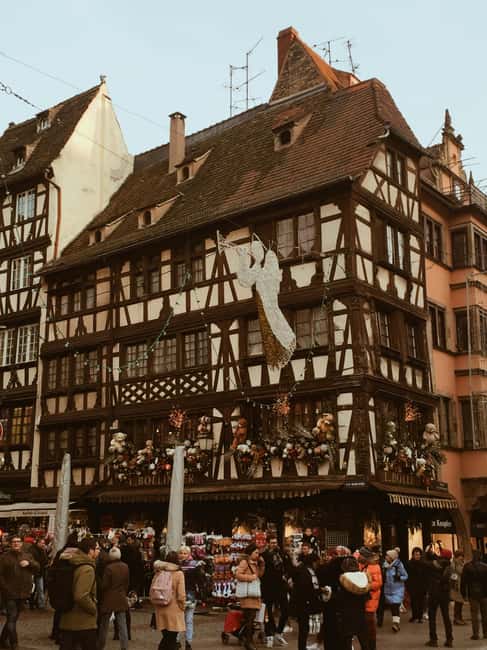
Your start point is Place Gutenberg, 67000 Strasbourg, meeting your guide in the square near the statue and the tree. The guide wears a blue UTG Experience badge, so you should be able to spot them quickly.
I like this kind of meeting spot because Place Gutenberg is not some far-out pickup location. It puts you right in the historic core from the first minute, which matters on a short tour where every block counts.
Do yourself a favor and arrive a few minutes early. If you’re carrying a camera setup or you want a good opening view before the group moves, those first moments are when you’ll feel less rushed.
More Walking Tours in Strasbourg
- Strasbourg: Walking Tour with Local Guide
★ 5.0 · 598 reviews - Strasbourg: Guided Historical Neighborhoods Walking Tour
★ 4.9 · 275 reviews - Strasbourg: Traditional Food Walking Tour with Tastings
★ 4.8 · 219 reviews
Walking the Grand Île, the UNESCO core you can actually feel
The route begins on the Grande Île, Strasbourg’s historic center and a UNESCO World Heritage Site. That UNESCO label might sound official and distant, but on foot it becomes something simple: narrow lanes, old buildings close to the street, and a layout that makes the city feel compact and walkable.
Expect the walk to focus on the oldest, most central parts first. It’s a smart order because you’re building a mental map as you go, then using it for the scenic neighborhoods and landmarks that follow.
This is also where you’ll get the guide’s human angle. The best moments come when the guide connects buildings to people and everyday life, not just dates on a timeline.
Strasbourg Cathedral, your fast tutorial on what to look for
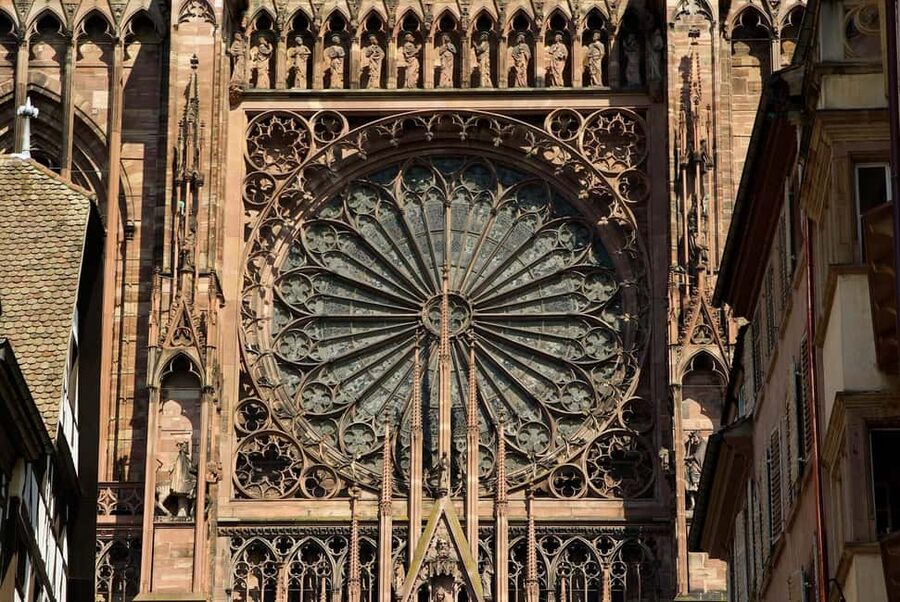
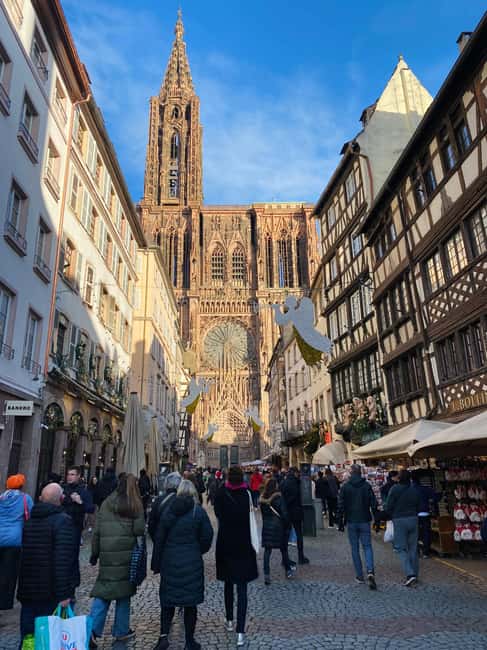
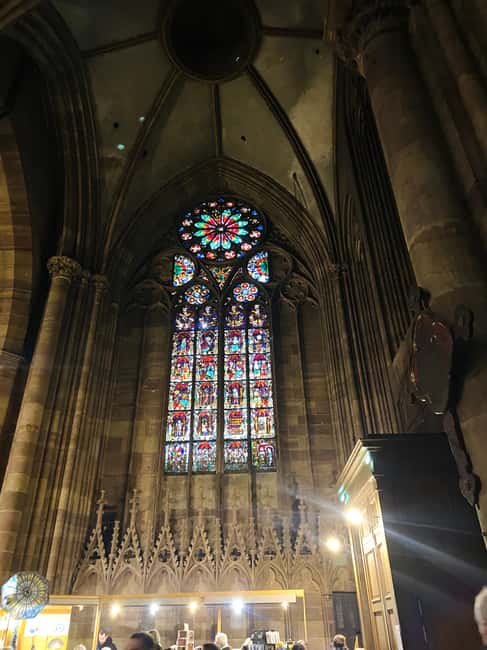
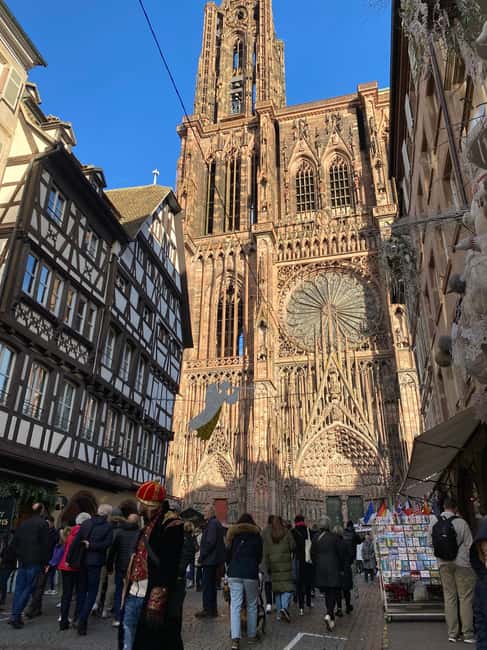
The first major stop is Strasbourg Cathedral, one of the city’s best-known landmarks. This is where the tour earns its keep fast: you’re not just pointing and staring, you’re learning what details to notice up close.
The guide helps you spot interesting decorations and gives you photo tips so you know where to stand for better shots. That matters because cathedrals can be visually overwhelming. With a guide, you’re more likely to come away with images that look intentional, not accidental.
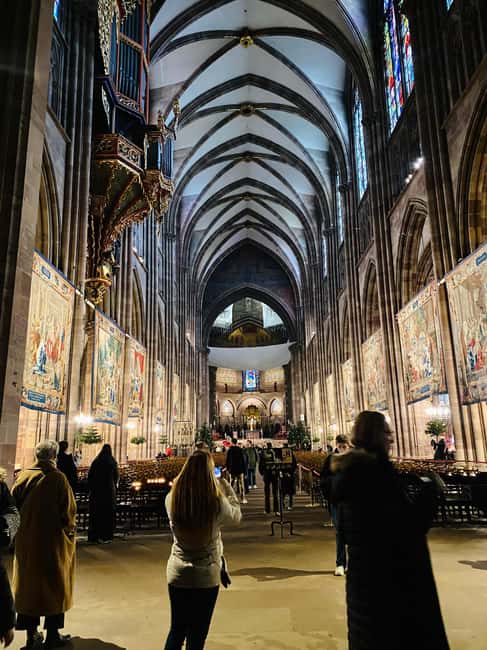
One practical note: cathedral entry tickets are not included. You’ll still get the outside views and guided attention, but if you want to go inside, plan to buy your ticket separately.
Petite France canals and colorful facades, with help finding your best angles
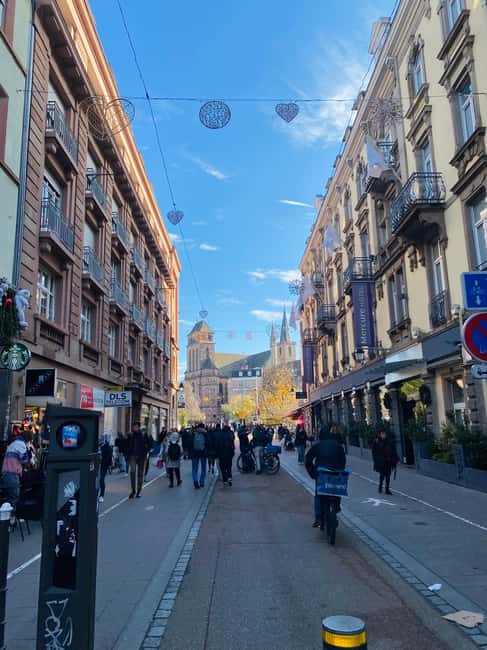
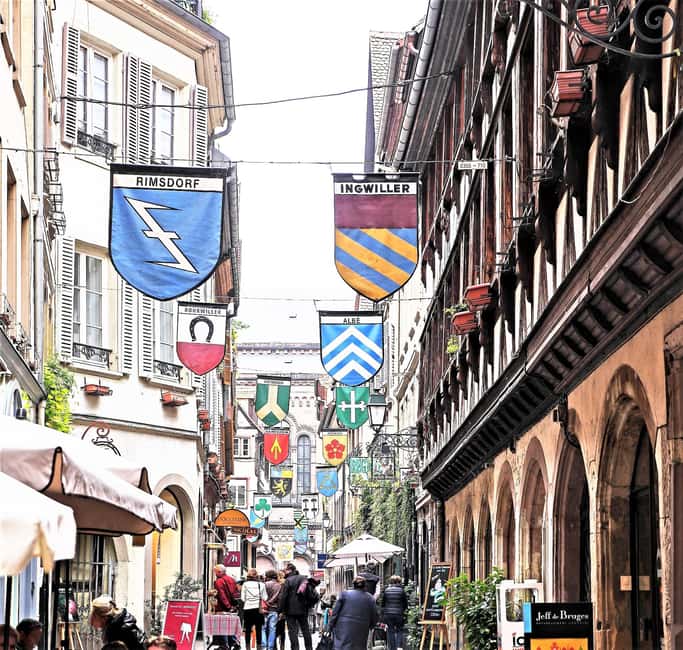
Next comes Petite France, a charming area shaped by canals, bridges, and colorful houses. This is the stretch where Strasbourg starts to look like the postcards, but it’s also where a guide can make the difference between wandering and seeing.
Your guide shares stories about the people who used to live here. That turns the architecture into something more personal, and it changes how you look at the buildings as you walk past them.
You’ll also get practical photo advice. I’d lean into it, especially if you’re traveling with limited time, because Petite France is busy and lighting changes quickly. If your guide suggests a spot, it’s usually because that corner frames the water and buildings in a cleaner way.
Other Strasbourg bookings to consider
- Strasbourg: Guided Walking Tour
★ 4.7 · 127 reviews - Strasbourg: Private Walking Tour of the Historical Center
★ 4.2 · 107 reviews - Strasbourg : European District Walking Tour
★ 5.0 · 95 reviews - Strasbourg: Historic Center Walking Tour
★ 4.7 · 88 reviews
Place Gutenberg, the printing press story that gives the city a spine
From Petite France, the tour moves to Place Gutenberg, named after the man who invented the printing press. This stop is shorter, but it’s not filler. It helps you understand why certain squares and institutions matter in Strasbourg.
A lot of walking tours list landmarks. This one uses the landmarks to explain how the city’s identity formed, and printing is a big part of that story. The guide explains why the square is important, so you’re not just passing through a pretty open space.
If you like your city orientation tied to ideas, not just sights, this is one of the more satisfying stops. It connects the old streets you’re seeing with a wider cultural shift.
Tanners’ Quarter, where “history” turns into a normal evening out
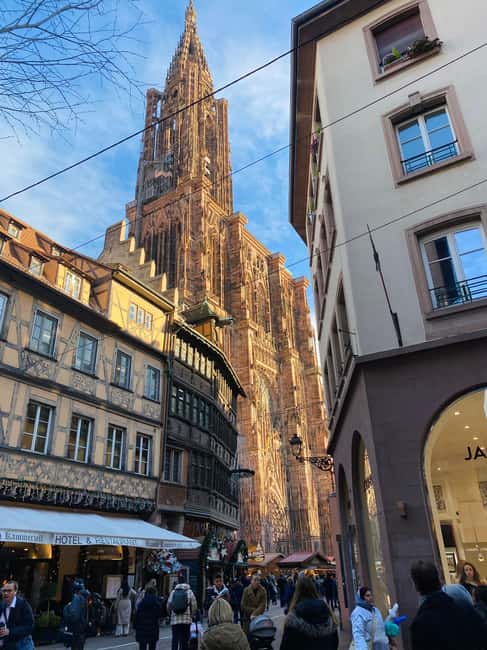
Then you pass through the Tanners’ Quarter, an area the tour describes as still full of places locals use for dining and relaxing, including cozy restaurants and bars. That’s a key difference. You’re not only looking at preserved architecture, you’re seeing a neighborhood that still functions like a neighborhood.
Because this segment is built into a guided walk, you get context as you move. You can ask your guide what’s worth trying if you’re planning dinner later, and the timing often helps, because you’re deciding while the sights are still fresh.
If you want one area to return to after the tour for a slower look, this quarter is a strong contender. It naturally transitions from sightseeing to “let’s actually spend time here.”
Place Kléber and Jean-Baptiste Kléber, French Revolution context without the lecture
The walking tour ends with Place Kléber, the main square of the city. The guide explains the life of Jean-Baptiste Kléber, a famous figure connected to the French Revolution.
I appreciate this stop because it’s a chance to zoom out. You’ve been moving through older streets and neighborhood scenes, and then the main square gives you a sense of scale and civic identity. The guide’s story helps you understand why the city treats this location as central.
This is also where your guide will often point you toward what to do next. Since you’re wrapping up after two hours, those suggestions are most useful when you can still act on them that same day.
The 2-hour timing: enough to orient, not enough to slow down
At 2 hours, this walk is designed for momentum. You’re covering several key areas and still getting guided context at each one, so the pacing can feel brisk at times.
Some people find it easy to keep up, and others may want a little more breathing space. If you’re the type who likes to pause for photos, don’t wait until you’re frustrated. Tell your guide early that you need a slower rhythm, and you’ll get more comfortable walking pace.
Weather matters here because you’re moving outdoors. The tour guidance includes practical items like water and a hat, which tells you they expect conditions to vary and time to pass quickly.
If it’s cold, it can help to plan a quick warm-up stop on your own schedule right after the tour. If it’s hot, hydrate early and often, then reapply sunscreen if you’re out in daylight.
Price and value: what $28 buys you, and what you still pay for
The price is $28 per person for a 2-hour walking tour with a local guide. That’s good value if you’re aiming for a fast city orientation with more than just sightseeing.
You’re getting several structured benefits bundled in:
- Guided stops at the cathedral area, Petite France, Place Gutenberg, the Tanners’ Quarter, and Place Kléber
- Photo tips so your pictures come out better
- Local recommendations on where to eat and explore after the walk
- Commentary that connects landmarks to people and city identity
Not included are entry tickets to the Strasbourg Cathedral and food and drinks. So budget a separate amount if you want to go inside and if you plan to eat immediately afterward.
In my opinion, the real value here is the guide’s ability to give you a usable map of Strasbourg in two hours. If you’re spending one day in the city, that’s the kind of investment that pays off the rest of the trip.
Language setup: German and English, with possible mixed groups
The tour runs with a live guide in German and English. The guidance also notes it can be multi-lingual, so you might hear both languages during the walk.
That can be great if you don’t mind switching tracks. But if you want a tour that is purely in English, you should keep an eye on how your specific session is run and how the group is composed.
Your best move is simple: confirm the language expectations when you book, then show up ready to adapt if your group is mixed. The guide can translate, but in real life it can change the pace and the amount of detail you personally catch.
What to bring for a comfortable photo-friendly walk
The tour checklist is straightforward, and I agree with it:
- Comfortable shoes (you’ll be walking through narrow historic streets)
- Camera (the cathedral and Petite France are built for pictures)
- Hat and sunscreen (outdoor time adds up fast)
- Water (bring it, drink early)
Also, keep your phone charged. If your guide gives you location-based photo advice, you’ll likely want to reference it between stops.
If you’re traveling in winter or planning to take lots of photos, consider layering. The tour spends time outdoors, and even short waits for group movement can feel longer in cold weather.
Should you book this Strasbourg walking tour?
Book it if you want an efficient, high-impact way to understand Strasbourg in two hours, with stops that cover the cathedral zone, Petite France, and key square stories. The photo help and the guide’s ideas for where to eat and explore afterward are especially useful if it’s your first time in town.
Skip it or adjust expectations if you strongly need a single-language experience with no translating and no changes in pace. Since the tour can be multi-lingual, it’s worth choosing your session carefully if language detail is your top priority.
If you can work with those conditions, this is a practical way to get your bearings fast and enjoy Strasbourg like a local neighborhood walk, not a rushed checklist.
FAQ
How long is the Strasbourg walking tour?
The tour lasts 2 hours.
Where is the meeting point?
Meet at Place Gutenberg, 67000 Strasbourg, France, in the square near the statue and the tree.
What languages is the live guide speaking?
The live tour guide provides German and English. The tour can be multi-lingual.
What is included in the $28 price?
The price includes a 2-hour walking tour with a local guide.
Are entry tickets to the Strasbourg Cathedral included?
No. Entry tickets to the Strasbourg Cathedral are not included.
Is the tour wheelchair accessible?
Yes, the tour is wheelchair accessible.
Can I cancel and get a full refund?
Yes. You can cancel up to 24 hours in advance for a full refund.
Newly listed around Strasbourg
- Strasbourg : Street-Art Tour★ 5.0 · 37 reviews
- Strasbourg: Private Walking Tour of the Historical Center★ 4.2 · 107 reviews
- Strasbourg: Historic Center Walking Tour★ 4.7 · 88 reviews
- Strasbourg: 2-Hour Gourmet Walking Tour★ 4.1 · 39 reviews
- Strasbourg: Private custom tour with a local guide★ 4.6 · 120 reviews
- Strasbourg : European District Walking Tour★ 5.0 · 95 reviews
- Strasbourg: Guided Walking Tour★ 4.7 · 127 reviews
- Strasbourg: 90-Minute Sightseeing Tour by Pedicab★ 4.9 · 85 reviews
Walking Tours, compared.
Paris Top Sights Half Day Walking Tour with a Fun Guide
Read our review →
Montmartre Hidden Gems and Scenic Highlights Walking Tour
Read our review →
Montmartre Hill French Gourmet Food and Wine Tasting Walking Tour
Read our review →
Montmartre Highlights Walking Tour with a Local Guide
Read our review →
Paris Île de la Cité and Notre-Dame Walking Tour With Crypt
Read our review →
Montmartre Cheese, Wine & Pastry Guided Walking Tour
Read our review →
Paris in a Day: Louvre or Orsay, Eiffel Tower, City Walk & Cruise
Read our review →
Paris City Center Free Walking Tour (Tip-Based)
Read our review →Browse the lists this tour appears in