
Reviewed · MUSéE ORSAY TICKETS & TOURS
The Musée d’Orsay in Focus: Impressionists & Beyond (Max 6)
Orsay makes 19th-century Paris feel alive. This small-group tour of Musée d’Orsay is interesting because it gets you in fast with skip-the-lines access and an expert guide who ties the art to the era itself, from tubes of paint to trains and electricity.
I particularly love how the guide spotlights artist-to-artist stories. You’ll see major names like Monet, Renoir, Degas, and Van Gogh, and you’ll learn the backstories of the rebellious artists and the movements around them, not just how to pronounce the painters’ names.
One possible consideration: the experience is about two hours, so it is not the slow, pick-your-own-path museum marathon if you want to spend the whole day in the galleries.
In This Review
- Key takeaways before you go
- Musée d’Orsay’s 1848 to 1914 setting, and why it changes how you see paintings
- Arriving at the Orsay Esplanade, and why max 6 matters
- What the guide does first, so you can actually enjoy the art
- Guided highlights at Orsay: Monet, Renoir, Degas, and Van Gogh up close
- Learning the stories behind the movements, not just the techniques
- After the expert portion: how to use your own time wisely
- Price and value: why $190.52 can make sense in Orsay
- Who this tour fits best, and who might want something else
- Should you book this Orsay experience?
- FAQ
- How long is the Musée d’Orsay in Focus tour?
- What is the price, and what is included?
- Is the tour offered in English?
- How many people are in the group?
- Where do we meet, and where does it end?
- Is there a fitness requirement, and are service animals allowed?
- Can I cancel for a refund?
Key takeaways before you go
- Skip-the-lines entry saves time so you can get to the paintings sooner
- Small group size (max 6) keeps the pace manageable and questions welcome
- Monet, Renoir, Degas, and Van Gogh get front-and-center attention
- Guided insight first, free exploring next lets you choose what to linger over
- Post-impressionist works are part of the experience, after the structured tour
- Licensed English-speaking guide makes the art easier to understand quickly
Musée d’Orsay’s 1848 to 1914 setting, and why it changes how you see paintings
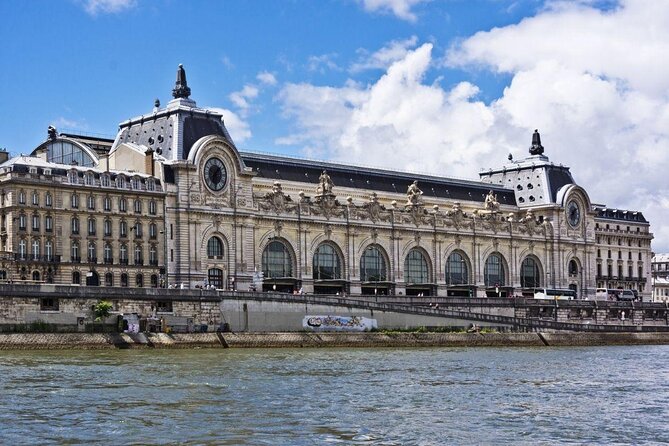
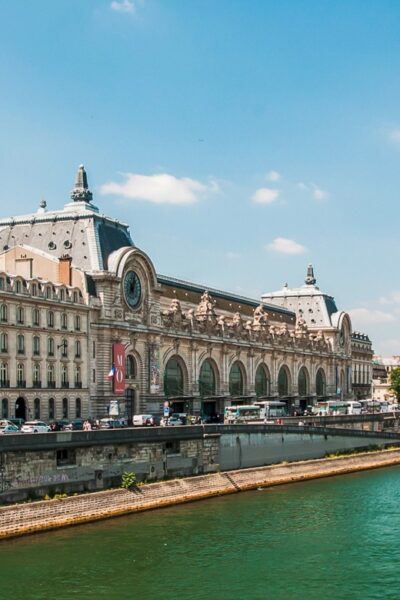
The Musée d’Orsay is housed in a building that has become famous for one simple reason, it fits the art and the era. The collection spans 1848 to 1914, a period described as one of the most tumultuous in human history, and the tour leans into why that matters.
Here’s the practical payoff for you: when you understand that society was being reshaped by new inventions and new ways of moving and making things, the paintings start to feel less like isolated masterpieces and more like reactions. The tour specifically calls out how the invention of tubes of paint, the rise of trains, and electricity helped transform daily life. Those are not trivia items. They help explain why artists experimented, why styles shifted, and why the art world suddenly felt like it was in motion.
Also, the museum is described as being ranked the best museum in the world for six years in a row. Even if you treat that as marketing, it still signals one thing you can plan around: it is popular, and you should expect crowds unless you have a plan. This tour’s guided timing and skip-the-lines approach is exactly that plan.
More Orsay tickets:
- Paris: Orsay Museum Entry Ticket
★ 4.7 · 25,647 reviews - Paris: Orsay Museum Entry Ticket and Digital Audio Guide App
★ 4.4 · 3,170 reviews - Paris in a Day: Louvre or Orsay, Eiffel Tower, City Walk & Cruise
★ 5.0 · 1,956 reviews
Arriving at the Orsay Esplanade, and why max 6 matters
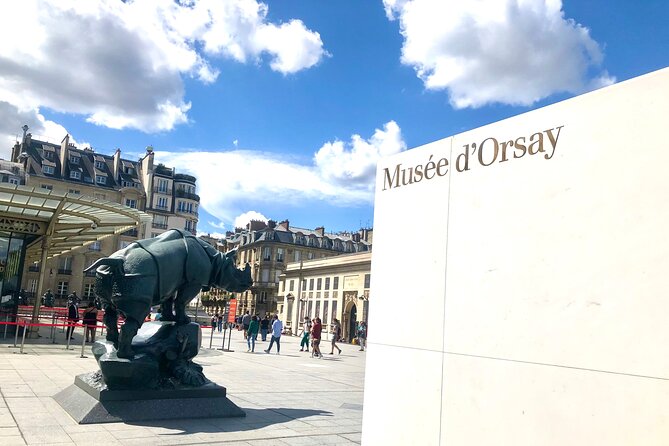
You meet at the Musée d’Orsay Esplanade Valéry Giscard d’Estaing, 75007 Paris, and the tour ends inside the museum. That sounds straightforward, but it matters because it prevents that common Paris museum problem, you stand around looking for the correct entrance while the clock ticks.
This experience is capped at 6 travelers, which changes the whole feel. In a large group, you often watch the guide’s back. In a tiny group, you can actually hear the explanation and respond to it. It is also easier for the guide to adjust pacing, and the tour description plus guest stories point to that kind of flexibility.
One more practical point: the tour is near public transportation, so you can avoid a long walk from transit if you get the route right. Still, the tour calls for a moderate physical fitness level, so wear shoes you trust on museum floors, and be ready for standing and walking in galleries.
What the guide does first, so you can actually enjoy the art
The core of the experience is guided time. You get an expert English-speaking licensed guide, and the emphasis is on context, backstories, and how the artists relate to one another.
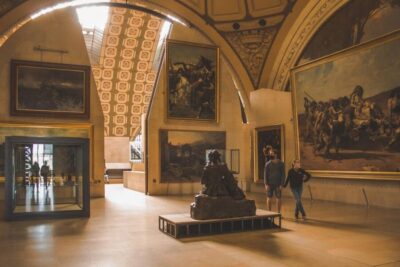
If you have ever walked through a museum and felt like you were missing the point, this is your fix. The guide’s job is to give you a mental map fast. Instead of staring at paintings and guessing what you are supposed to notice, you get a framework for seeing.
Some guests have specifically praised guides like Adam, calling him extremely knowledgeable and easy to understand, and also highlighting that he helped guests participate actively and accommodated requests for occasional seats for visitors in their 70s. Another guide mentioned by name is Lilijana, noted for helping navigate the galleries efficiently and for explaining historical and biographic facts in an engaging way. You do not need to know those names ahead of time to benefit, but it does suggest the tone you can expect, clear explanations and a guide who pays attention to how people are doing.
The tour also includes a practical rhythm: you start with guided insight, you learn what to look for, then you get time to explore afterward at your own pace. That structure is valuable in a museum like Orsay, where some rooms can pull you in and you might want to stay longer once something clicks.
Guided highlights at Orsay: Monet, Renoir, Degas, and Van Gogh up close
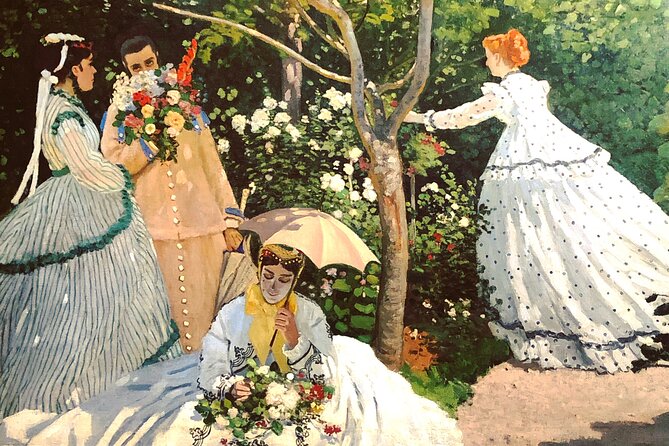
The tour is built around famous artists, including Monet, Renoir, Degas, and Vincent Van Gogh. That is the headline, but the deeper value is how the guide connects those names to the broader shift from impressionists to post-impressionists.
Here is what you should expect from that guided portion:
- You’ll see key works by major impressionists and get context on why their approach mattered.
- You’ll hear how the movements formed, including the idea of artists as rebels against what came before.
- You’ll understand that technique is only part of the story, and that relationships among artists in this period are part of what makes the art click.
This matters because Orsay is not just a list of famous paintings. It is a whole era of changing perspectives. When the guide explains the relationships among artists and movements, you start noticing patterns you would otherwise miss, like how different artists handled color, light, or modern life in ways that felt new at the time.
Also, the tour description includes a goal of showing both world-renowned masterpieces and the possibility of unexpected treasures. You should not count on a particular surprise artwork, but the promise is that the guide will not only repeat the obvious choices. That is one of the reasons small groups can feel better, the guide has room to read the room and choose what will land best.
Other Paris bookings to consider
- Louvre Museum Masterpieces Guided Tour with Access
★ 4.5 · 12,023 reviews - Paris: Louvre Museum Entry Ticket With Host and River Cruise
★ 4.6 · 9,926 reviews - Les Invalides: Napoleon’s Tomb & Army Museum Entry
★ 4.6 · 9,185 reviews - Louvre Museum – Exclusive Guided Tour (Entry Included)
★ 5.0 · 6,296 reviews
Learning the stories behind the movements, not just the techniques
A lot of museum tours tell you what you are looking at. This one aims to explain why people made the art in the first place, with a focus on backstories and how impressionists and post-impressionists fit together.
The description explicitly says you will learn about more than just techniques, and that the relationships among the artists are as important as their work. That is great guidance for your thinking while you look.
For you, it can change how you behave in the galleries:
- When the guide gives a context hook, you can spend less time trying to decode the painting and more time noticing your reaction.
- When you understand what kind of break an artist was making, you can see the brushwork and composition as choices, not as decoration.
- When you learn that these artists were pushing against expectations, the paintings often feel more alive.
And yes, it helps that the guide keeps things in English and uses clear diction, based on guest feedback. In a museum setting, that is not a small detail. If you can follow the explanation in real time, you do not end up reading wall labels later like you are doing homework.
After the expert portion: how to use your own time wisely
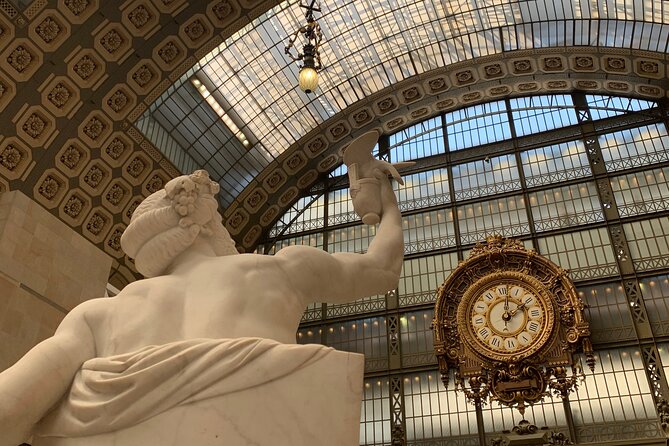
The tour includes guided insight, then you get time to explore post-impressionist works at your own pace. In practical terms, this is your chance to do two useful things.
First, follow your curiosity. During the guided portion, you might only have time to lock onto a few works. Afterward, you can return to what struck you most.
Second, test your new understanding. Once the guide has given you context about movements and artist relationships, you can look again. If something still feels confusing, you can spend more time there rather than moving on quickly.
Here’s a simple strategy for this part of your visit: pick one area you want to revisit and one area you have not fully seen yet. That way you do not end up wandering in circles, and you still get freedom. With a museum as big and popular as Orsay, two hours of structured learning plus a self-guided window is a smart balance.
Price and value: why $190.52 can make sense in Orsay
At $190.52 per person, this is not a bargain-basement museum ticket. The value case is about what you are getting alongside entry.
This price includes:
- An expert English-speaking licensed tour guide
- All entry tickets
- A mobile ticket
- A small group experience (max 6)
If you were paying separately for a guide and timed entry, the total would likely climb quickly. Here, the pricing is essentially packaging the guide expertise and museum access into one decision. For a fast, high-impact museum visit, that can be a smart trade.
Also, consider the booking behavior. The tour is often booked about 110 days in advance. That is a clue that this experience is in demand. When something sells out, you either lose your preferred time slot or you switch to a less focused plan. Booking early helps you keep control of your itinerary.
Who this tour fits best, and who might want something else
This experience is a strong fit if you:
- Want a focused introduction to impressionists and post-impressionists
- Like having structure, especially in a major museum
- Prefer a small group where you can ask questions and move at a comfortable pace
- Appreciate when a guide explains the connections among artists, not just individual facts
You might want a different option if you:
- Want a full-day Orsay visit with no guidance constraints
- Are looking for a tour focused heavily on a different time period than impressionists and post-impressionists
Because the tour is described as moderate physical fitness, it is also best for visitors comfortable with walking through galleries at a steady pace. That said, guest feedback suggests the guide may accommodate occasional seats, so if you need that, you can ask.
Should you book this Orsay experience?
I would book this if you want maximum art impact in a short window and you like explanations that connect the artists to the moment they were living through. The skip-the-lines approach is a big deal in a museum with lots of foot traffic, and the max 6 group size makes the guide’s expertise feel personal instead of rushed. If you care most about Monet, Renoir, Degas, and Van Gogh, and you want the story of how impressionists lead into post-impressionism, this is exactly the kind of tour that helps you leave with real understanding, not just photos.
If your top priority is total freedom to wander for hours, then you may prefer an unguided visit. But if you want your Orsay time to count, this tour is a clear yes.
FAQ
How long is the Musée d’Orsay in Focus tour?
It runs for about 2 hours.
What is the price, and what is included?
The price is $190.52 per person. It includes an expert English-speaking licensed tour guide and all entry tickets.
Is the tour offered in English?
Yes, the tour is offered in English.
How many people are in the group?
The tour has a maximum of 6 travelers.
Where do we meet, and where does it end?
You start at Musée d’Orsay Esplanade Valéry Giscard d’Estaing, 75007 Paris. The tour ends inside the Orsay Museum.
Is there a fitness requirement, and are service animals allowed?
The tour requires a moderate physical fitness level. Service animals are allowed.
Can I cancel for a refund?
Yes. You can cancel for free up to 24 hours in advance for a full refund. Cancellation less than 24 hours before the start time is not refunded.
Newly listed around Paris
- Paris Orsay Museum and Rodin Museum Daily Combo Ticket★ 4.0 · 32 reviews
- Paris Pastry Tour – Croissants, Macarons & Iconic French Desserts★ 5.0 · 232 reviews
- Paris Orsay Museum with Optional Seine River Cruise Tickets★ 4.0 · 65 reviews
- Paris Occult and the History of the Dark Arts Private Tour★ 5.0 · 17 reviews
- Île de la Cité Guided Tour & assistance Notre Dame entrance★ 5.0 · 22 reviews
- Paris Orsay Museum Entry Ticket with Digital Audio Guide★ 3.5 · 93 reviews
- Notre Dame de Paris: Semi Private or Private Guided Tour Guide★ 5.0 · 30 reviews
- Paris Opera Garnier Private Tour★ 5.0 · 42 reviews
Musée Orsay Tickets & Tours, compared.
Orsay Museum Entry Ticket and Digital Audio Guide App
Read our review →
Paris in a Day: Louvre or Orsay, Eiffel Tower, City Walk & Cruise
Read our review →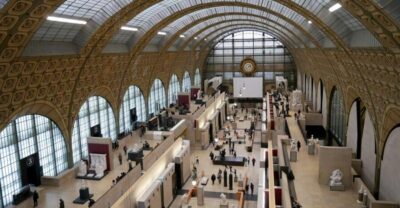
Musée d’Orsay Entry Ticket and Seine River Cruise
Read our review →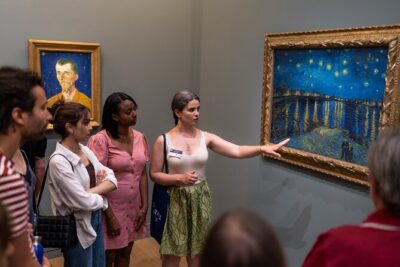
Musée d’Orsay Skip-the-Line Tour with Expert Guide
Read our review →
Musée d’Orsay Skip-the-Line Tour with Expert Guide
Read our review →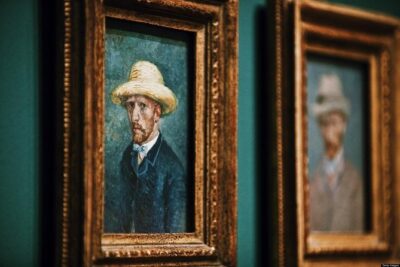
The Musée d’Orsay Guided Tour Orsay Museum Semi-Private 6ppl Max
Read our review →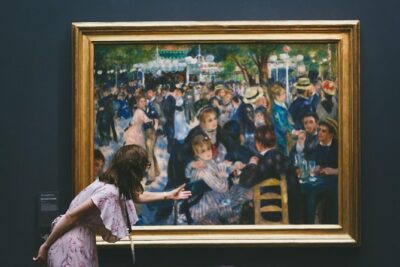
Louvre & Musée d’Orsay Guided Museum Tour Semi-Private 6ppl Max
Read our review →Browse the lists this tour appears in