
Reviewed · COOKING CLASSES
Paris French Macarons Small Group Baking Class with a Chef
Macarons in Paris are never just dessert. This small-group class (max 8) teaches you the real method for French macarons with a chef in a private apartment kitchen, plus you get a take-home box of what you make. You’ll also leave with a recipe copy you can actually use, not just a sugar souvenir.
My favorite part is the hands-on rhythm: you learn each stage, from meringue structure to piping and filling, with guidance from chefs such as Myriam, Marthe, or Frédéric. The main drawback to plan for is time and participation style, because macaron-making includes unavoidable rest and cooling steps, and some parts may be chef-led to protect the final result.
If you’re dreaming of making Paris-level macarons at home, this is a smart, practical way to learn the technique in about 3 hours, with everything provided and the class running in English.
In This Review
- Key highlights worth knowing before you book
- What makes this Paris macaron class feel special in real life
- How Pierre Hermé style macarons work, and why chefs focus on method
- Your 3-hour game plan, from meeting point to take-home box
- Step 1: Setup, apron on, and choosing your flavors
- Step 2: The “make the batter right” phase
- Step 3: Piping, rest time, and the baking window
- Step 4: Cooling, then filling and assembling
- Step 5: Tasting and taking your box home
- Hands-on or mostly watching, and how to get value from either
- Flavor choices: how making two types keeps the class fun
- Price and value: is $218.90 really worth it?
- Logistics that matter: getting there, staying on time, and handling allergies
- Who this experience suits best
- Should you book the Paris French macaron small group baking class?
- FAQ
- How long is the macaron baking class?
- What group size should I expect?
- Is the class taught in English?
- Where does the class take place?
- What is included with the class?
- Do I get macarons to take home?
- Can the class be adapted for almond allergies?
- Is hotel pickup included?
Key highlights worth knowing before you book
- Max 8 people means more time with the chef and less “watch from the back” energy
- You’ll make French macarons from scratch, learning the structure of the two delicate shells plus filling
- The class uses a Pierre Hermé style approach, connected to the wider Paris macaron tradition
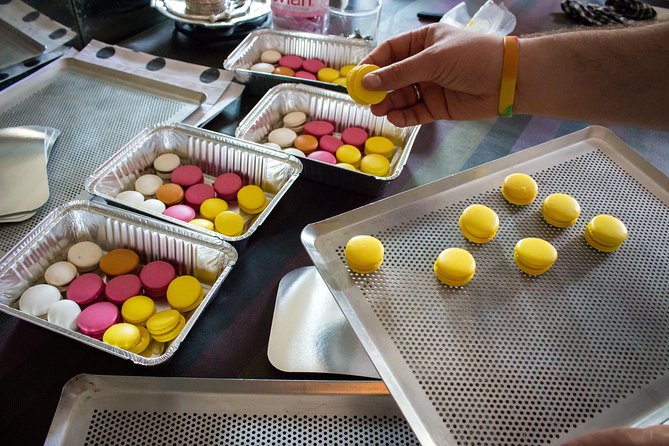
- You choose two macaron flavors to make together, then take home a full box
- You get a recipe copy so you can repeat the process after your trip
What makes this Paris macaron class feel special in real life
You’re not doing a cookie tour in a big classroom. You’re heading to a private apartment in central Paris where the chef runs the lesson as if you’ve been invited into their own kitchen. That setting changes the whole vibe. The kitchen feels lived-in, the workflow feels real, and you learn how this gets done when you’re not surrounded by spectators.
One reason this experience lands so well is the chef instruction. Whether it’s Chef Myriam with her inviting setup and a great view, Chef Marthe with a friendly teaching pace, or Chef Frédéric with warmth and patience, the teaching style matters for macarons. Macarons can go wrong for reasons that sound “mystical” until a pro shows you what to watch and what to correct.
The other big plus is that you’re not leaving empty-handed. You take home a box of macarons you made, plus a recipe copy. That turns the class from a one-time treat into something you can replay at home, which is where the value starts to show.
More Cooking Classes in Paris
- Paris Cooking Class and Lunch with Wine plus Market Visit Option
★ 5.0 · 1,024 reviews - Paris Croissant Small-Group Baking Class with a Chef
★ 5.0 · 910 reviews - Paris: French Croissant Baking Class with a Chef
★ 4.9 · 712 reviews
How Pierre Hermé style macarons work, and why chefs focus on method
Let’s demystify the macaron. A French macaron is basically two thin meringue cookies, sandwiched around a filling. The classic look is crisp outside, slightly chewy inside, and with a neat “foot” at the base.
What makes the Pierre Hermé angle useful is not the brand name, it’s the attention to repeatable technique. A chef teaches you the process that controls the texture: how the meringue should look before you combine it, how the batter should move when you fold it, and how piping and baking timing affects the final shell.
You’ll also learn to build macarons using equipment you might already have at home. The class is designed around home practicality, not fancy gadgets. That matters because the real goal is not just eating macarons in Paris. It’s understanding what changes when you repeat the recipe later.
And yes, there’s also the Paris context. Macarons became widely famous through iconic Paris pastry shops, including the Ladurée tradition dating back to the early 20th century. But the class focus stays on making the confection properly, not on museum storytelling.
Your 3-hour game plan, from meeting point to take-home box
This class starts at 3:00 pm and runs about 3 hours. You’ll meet near public transportation, and you’ll return back to the meeting point at the end. There’s no hotel pickup, so plan on getting yourself there on your own.
Here’s what the flow typically looks like, and why each step matters:
Step 1: Setup, apron on, and choosing your flavors
At the start, you’ll meet the chef and get into the kitchen workflow. You’ll put on an apron and start with tools and ingredients provided for you, so you’re not scrambling for supplies.
Then your group chooses two macaron flavors to make together. That choice is small, but it’s meaningful. It gives the lesson a goal, and it keeps the fillings fun instead of feeling like a generic demo.
Other Paris bookings to consider
- Paris Cooking Class: Learn How to Make Macarons
★ 5.0 · 634 reviews - Paris Evening Cooking Class French Dinner and Market Visit Option
★ 5.0 · 430 reviews - Paris Macarons Small-Group Baking Class with a Chef
★ 5.0 · 316 reviews - Paris: Macaron Baking Class for Families and Kids
★ 4.7 · 270 reviews
Step 2: The “make the batter right” phase
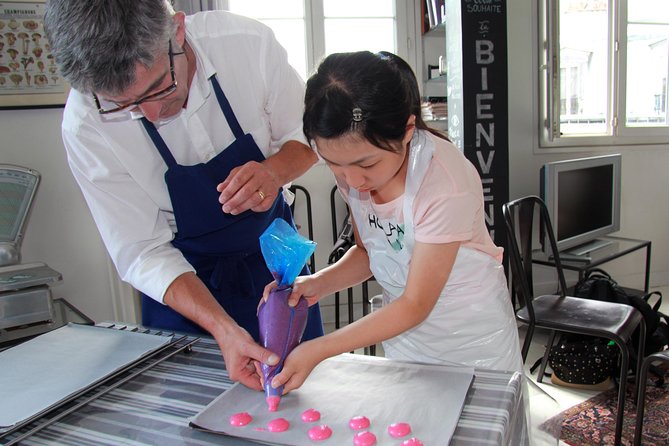
This is where macarons usually live or die. You’ll work on creating the base batter and getting the right consistency before piping.
In a class like this, some parts may be pre-portioned to keep the timing realistic. Expect chef-led precision on the most sensitive texture steps, but also expect you to participate in the process enough to understand what’s happening.
Step 3: Piping, rest time, and the baking window
Once the batter is ready, you’ll pipe the shells. Then they need rest before baking so they set properly and develop that classic shell look.
This is also where “down time” shows up. It’s not boring, it’s chemistry and technique. You’re waiting for the batter to behave. You’ll still be learning during this time, because your chef will explain what you’re waiting for and what signals to watch.
Step 4: Cooling, then filling and assembling
After baking, shells need time to cool before filling. If you skip or rush this, filling can melt and the texture suffers.
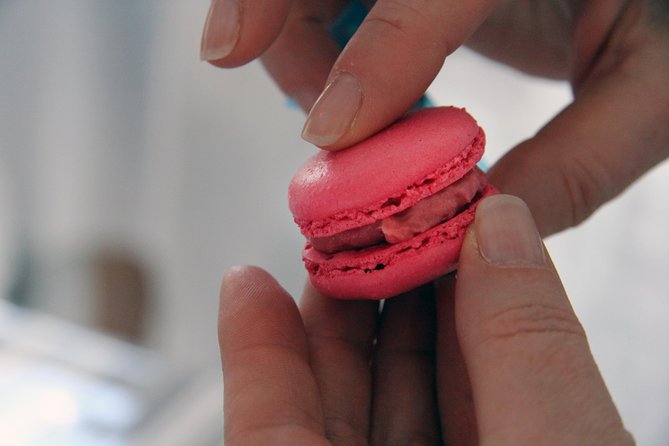
Then comes the satisfying part: assembling your macarons with the filling your class chose. This is usually the moment where you feel the progress from start to finish, because you go from tray to finished sandwich cookie.
Step 5: Tasting and taking your box home
At the end, you’ll do tasting and then pack up. You leave with a takeaway box of homemade macarons, plus a recipe copy you can share or keep.
Hands-on or mostly watching, and how to get value from either
This is the one topic that can swing opinions, and it’s worth addressing directly.
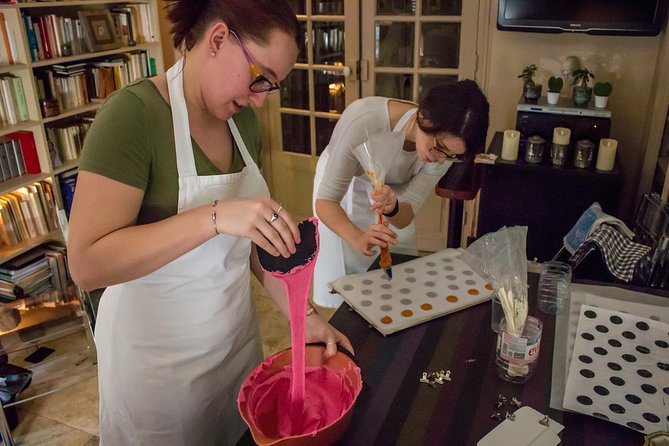
Macaron-making is not like stirring dough for bread. Some moments require fast accuracy. That’s why many chefs keep the most delicate steps under their control while still letting you participate in the rest. In practice, you’re often hands-on with parts like mixing, folding, piping, assembling, and tasting, while the chef manages the exact technical moves that protect the final texture.
If you want maximum participation, go in with the mindset of learning how to spot the batter and shell cues. Ask questions. Watch how the chef corrects consistency. Learn the “why,” not just the “do this.”
If you want a fully interactive cooking class where every second is your turn, macarons may feel slightly slow. The rest and cooling cycles are part of the craft. But those pauses are also what make macarons possible, so you’re not being held hostage, you’re being taught the real schedule.
Flavor choices: how making two types keeps the class fun
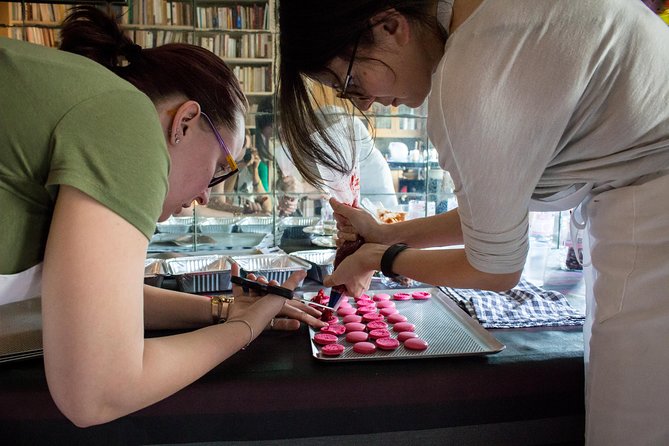
Choosing two flavors helps in two ways. First, it keeps the lesson focused. Second, it lets you compare how the filling interacts with the shell texture.
In past sessions, combinations like caramel and raspberry have come up, and they make sense: caramel brings a deep sweetness and creamy feel, while raspberry adds bright fruit tang that cuts through the richness. When you taste your own work, you can actually feel the balance between shell and filling.
What I like about this approach is that it gives you a home plan. When you get back from Paris, you’re not stuck with a generic recipe. You’re repeating the exact flavors you made here, with instructions you can follow.
Price and value: is $218.90 really worth it?
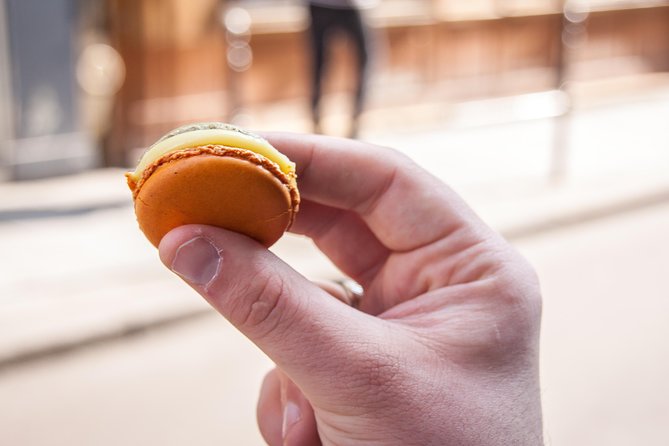
At $218.90 per person for about 3 hours, this is not the cheapest food activity in Paris. So here’s the honest math of what you’re paying for.
You’re paying for:
- A professional French chef in a real private kitchen, not a packed demo setup
- Small-group instruction (max 8), which means more attention per person
- Ingredients, tools, and equipment for the full macaron process
- A box of homemade macarons to take home
- A written recipe copy so the class lasts beyond your trip
The reason it can be worth it is that macarons are one of those things that look simple and fail constantly. If you’ve ever tried making them at home, you know the heartbreak. When a chef teaches you the method, you’re buying time saved, wasted ingredients avoided, and a clearer path to results.
Also, you’re leaving with edible results immediately. Many classes end with a small bite. This one ends with a full take-home box, which is real value on a vacation budget.
Logistics that matter: getting there, staying on time, and handling allergies
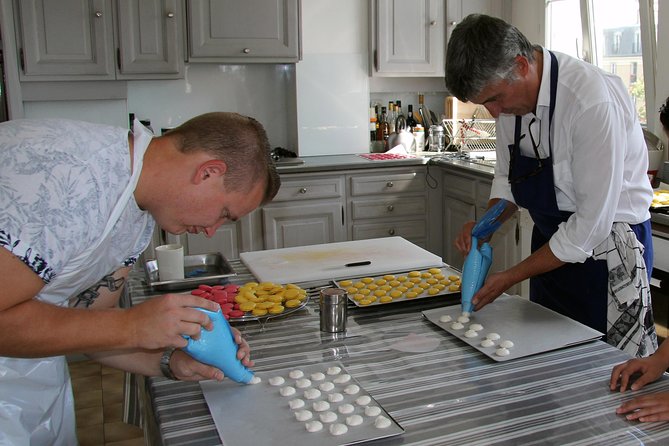
No hotel pickup means you need to plan your way to the apartment. Good news: it’s near public transportation, so you’re not relying on taxis or complicated routes.
Also, the class runs at 3:00 pm, so I’d treat it like a timed appointment. Arrive a little early if you can. In a small apartment setting, being late can affect the early sensitive steps.
One more thing you should not gloss over: this class uses almond powder, and the tour cannot be adapted for almond allergies. If almonds are an issue for you, skip this one and look for an alternative class that uses different ingredients.
Finally, the class is offered in English, so you can focus on learning without language stress. You’ll also use a mobile ticket, so have it ready on your phone.
Who this experience suits best
This class is a great fit if you:
- Want a hands-on Paris food activity that feels personal
- Like baking, or you’re at least curious about technique
- Want a repeatable souvenir (recipe plus method), not just something to eat
- Travel with friends or family and want a shared project that ends delicious
It’s also a smart pick for date nights and birthdays because you get teaching, teamwork, and a tangible reward at the end.
If you’re only interested in eating macarons and not learning technique, you may find this more work than you expected. And if you need almond-free options, it’s not the right match.
Should you book the Paris French macaron small group baking class?
Book it if you want to learn the method behind Paris macarons in a setting that’s intimate and chef-led, and if taking home a box of your own macarons is a must. The small group size and the included recipe copy make it feel like more than a one-off treat.
Skip it if you’re hoping for an almond-free class, or if you get uncomfortable with the slower rhythm of rest and cooling that real macarons require. In that case, choose an experience that matches your pace and ingredient needs.
If you like the idea of making macarons with real instruction, not guesswork, this is one of the more satisfying ways to spend an afternoon in Paris.
FAQ
How long is the macaron baking class?
It runs for about 3 hours.
What group size should I expect?
The class is a small group with a maximum of 8 travelers.
Is the class taught in English?
Yes, it is offered in English.
Where does the class take place?
You meet a local French chef in a private apartment in central Paris. The meeting point is near public transportation.
What is included with the class?
You get a professional French chef, a small group class, an apron and cooking utensils, a take-away box of homemade macarons, and a copy of the recipe.
Do I get macarons to take home?
Yes, you leave with a box of macarons you made.
Can the class be adapted for almond allergies?
No. Macarons contain almond powder, and the class cannot be adapted for almond allergies.
Is hotel pickup included?
No, hotel pickup and drop-off are not included.
Newly listed around Paris
- Paris Orsay Museum and Rodin Museum Daily Combo Ticket★ 4.0 · 32 reviews
- Paris Pastry Tour – Croissants, Macarons & Iconic French Desserts★ 5.0 · 232 reviews
- Paris Orsay Museum with Optional Seine River Cruise Tickets★ 4.0 · 65 reviews
- Paris Occult and the History of the Dark Arts Private Tour★ 5.0 · 17 reviews
- Île de la Cité Guided Tour & assistance Notre Dame entrance★ 5.0 · 22 reviews
- Paris Orsay Museum Entry Ticket with Digital Audio Guide★ 3.5 · 93 reviews
- Paris Opera Garnier Private Tour★ 5.0 · 42 reviews
- Notre Dame de Paris: Semi Private or Private Guided Tour Guide★ 5.0 · 30 reviews
Cooking Classes, compared.
Paris Cooking Class and Lunch with Wine plus Market Visit Option
Read our review →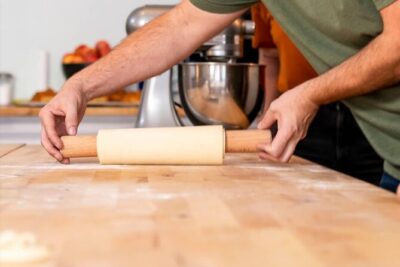
Paris Croissant Small-Group Baking Class with a Chef
Read our review →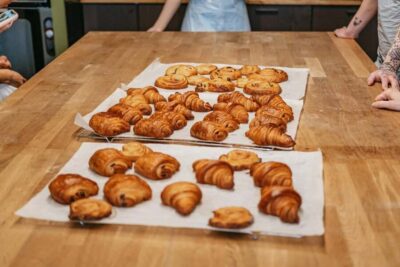
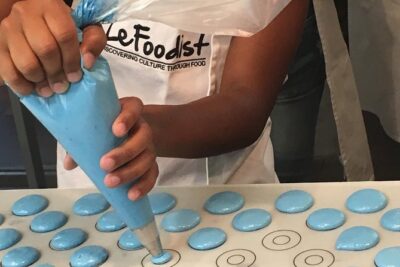
Paris Cooking Class: Learn How to Make Macarons
Read our review →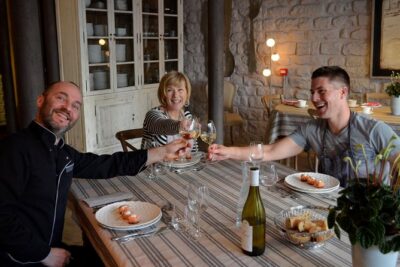
Paris Evening Cooking Class French Dinner and Market Visit Option
Read our review →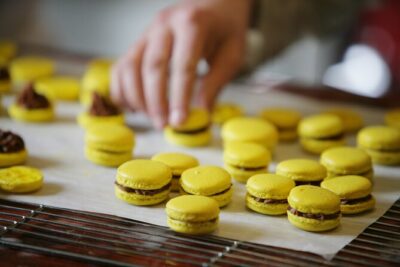
Paris Macarons Small-Group Baking Class with a Chef
Read our review →
Browse the lists this tour appears in