
Reviewed · WALKING TOURS
Strasbourg: France and Germany Border Walking Tour
Two countries, one walk, zero border stress. I love how this France-Germany border walk turns Strasbourg’s river life into a real, on-foot experience, not just a lesson. You get an easy crossing to Germany plus stories that make the city feel closer to everyday life on the Rhine.
My other favorite part is the mix of street art and working-city history as you move through the border districts. You’ll see the kind of local murals and industrial details that explain why Strasbourg feels both modern and rooted. One consideration is simple: this walk is not suitable for people with mobility impairments.
In This Review
- Quick Highlights Worth Your Time
- Meeting at Starcoop and Why This Walk Fits 90 Minutes
- Coopérative District: Strasbourg’s New Layer, Up Close
- Deux-Rives and the Rhine: The Border You Actually Feel
- Port du Rhin: Industrial Harbor Stories That Make the City Make Sense
- Strasbourg Street Art: Murals With a Point of View
- Crossing into Germany on the 2003 Pedestrian Bridge
- Kehl: Your German Preview, Including Practical Tips
- Value for $35: Small Group, Real Context, No Time Wasted
- Language, Group Pace, and What You Should Bring
- Who This Walk Is For, and Who Might Skip It
- Should You Book This France to Germany Border Walk?
- FAQ
- Where do I meet the guide?
- How long is the tour?
- How big is the group?
- What languages are offered?
- Do I need a passport or ID card?
- Is there border control during the walk?
- What is included in the price?
- Is the tour suitable for people with mobility impairments?
Quick Highlights Worth Your Time
- Cross on foot into Germany using the pedestrian and cycle bridge opened in 2003
- Deux-Rives by both banks with the Jardin des Deux Rives as your relaxed baseline
- Coopérative district, a neighborhood in the making that sets the tone for change
- Port du Rhin industrial harbor stories, plus plenty of photo stops
- Street-art culture with major works by local artists
- Kehl glimpse of Germany, including practical tips for food and shopping
Meeting at Starcoop and Why This Walk Fits 90 Minutes
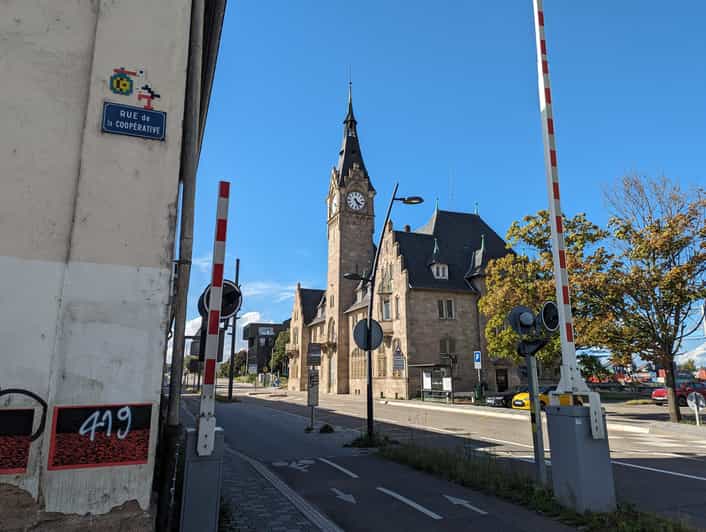
You start at the tram stop Starcoop, which keeps things simple. In about 90 minutes, you’ll cover a meaningful slice of Strasbourg and then step into Kehl across the Rhine. The small group size, up to 6 people, matters here because it helps the guide keep the pace conversational, not rushed.
I like tours that move at a human speed, and this one does. You’re walking, but there’s time for the guide to point out details, answer questions in French or English, and make the route feel logical. If your goal is to understand how the border shapes daily life, this is a strong format.
More Walking Tours in Strasbourg
- Strasbourg: Walking Tour with a Local Guide
★ 4.3 · 607 reviews - Strasbourg: Walking Tour with Local Guide
★ 5.0 · 598 reviews - Strasbourg: Guided Historical Neighborhoods Walking Tour
★ 4.9 · 275 reviews
Coopérative District: Strasbourg’s New Layer, Up Close
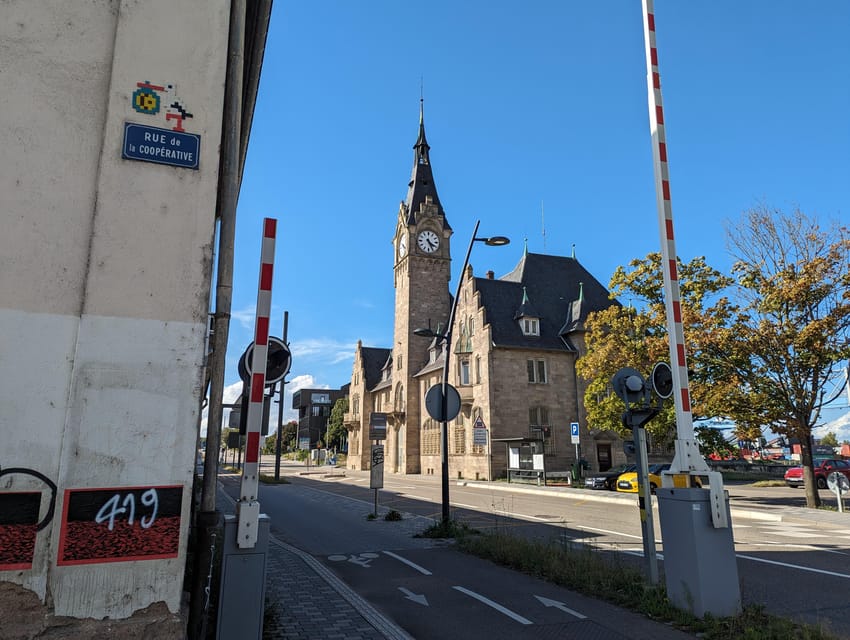
Before you reach the Rhine, you pass through the Coopérative district, described as a neighborhood in the making. That matters because it shows a Strasbourg that is still building, not only preserving.
This part of the walk sets you up for the two themes the guide keeps circling back to. One is proximity, how people cross the Rhine every day for work and daily errands. The other is change, how new districts begin while older industrial functions shaped the city.
If you like modern urban edges, you’ll probably enjoy this segment. It’s not just sightseeing for the sake of it, it’s the context that makes the border crossing feel real.
Deux-Rives and the Rhine: The Border You Actually Feel
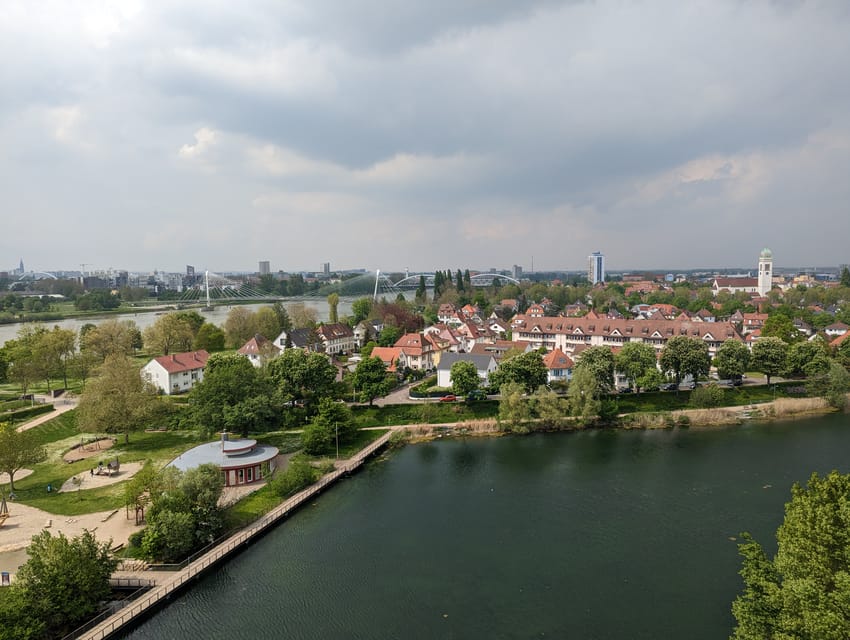
Jardin des Deux Rives is the signature stop for the Rhine connection, and it’s easy to see why. You stroll along both banks, which makes the border feel less like a wall and more like a shared space. This is also a good place to slow down, because it’s suited to jogging, relaxing outdoors, or just watching people go about their day.
What I like here is the symbolism made practical. The Rhine is crossed daily by workers and regular residents, so you’re not getting an abstract Europe lesson. You’re seeing the daily rhythm that explains why the border is normal for locals.
You also get the chance to compare what’s different when you’re on the French side versus the German side. The guide keeps the differences anchored in architecture and culture rather than trivia.
Port du Rhin: Industrial Harbor Stories That Make the City Make Sense
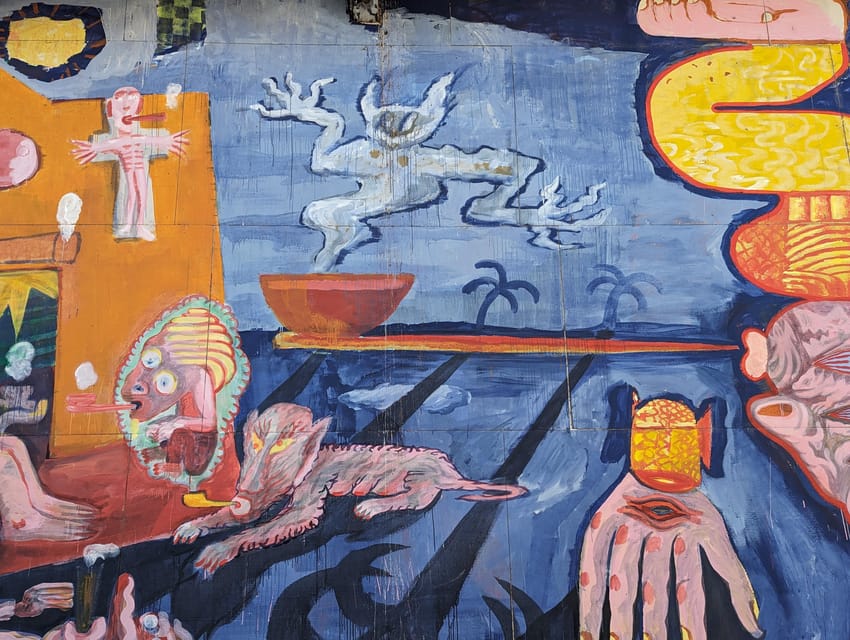
Once you’re closer to the harbor zone, the tour shifts gears toward industrial heritage. Port du Rhin is one of the biggest Rhine harbors, and you’ll learn how that size and location shaped Strasbourg’s development.
This is where the tour turns into more than a walk for views. The guide shares anecdotes connected to the port and its role in moving goods and people, so you start seeing why the industrial parts aren’t just leftovers. They explain the city’s growth patterns and the border’s constant motion.
You also get time for photo opportunities, and this section tends to deliver the most interesting angles. If you’re the type who likes street scenes and textures, bring your camera focus settings accordingly. The best shots usually come from looking for lines, signs, and river-related details rather than only wide panoramas.
Other Strasbourg bookings to consider
- Strasbourg: Traditional Food Walking Tour with Tastings
★ 4.8 · 219 reviews - Strasbourg: Guided Walking Tour
★ 4.7 · 127 reviews - Strasbourg: Private Walking Tour of the Historical Center
★ 4.2 · 107 reviews - Strasbourg : European District Walking Tour
★ 5.0 · 95 reviews
Strasbourg Street Art: Murals With a Point of View
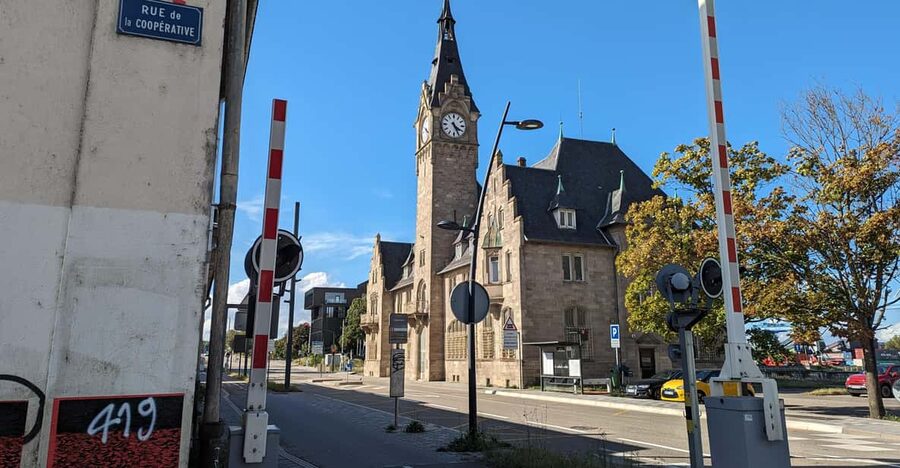
Strasbourg is known for street art, and this tour gives you a guided path through it instead of a random hunt. You’ll see some of the most famous works by local artists, which helps you understand what the city chooses to display publicly.
I appreciate that the street-art stop is not treated like a sticker book. The guide ties the art to Strasbourg’s identity, so the murals become another form of local storytelling. And because you’re walking through real neighborhoods on both sides of the river, the art feels connected to daily space rather than staged for tourists.
The added bonus is that if you’re interested in history, you may also hear context tied to major events of the past as you move through different locations. This gives the art and the architecture a deeper layer without dragging the walk into a lecture.
Crossing into Germany on the 2003 Pedestrian Bridge
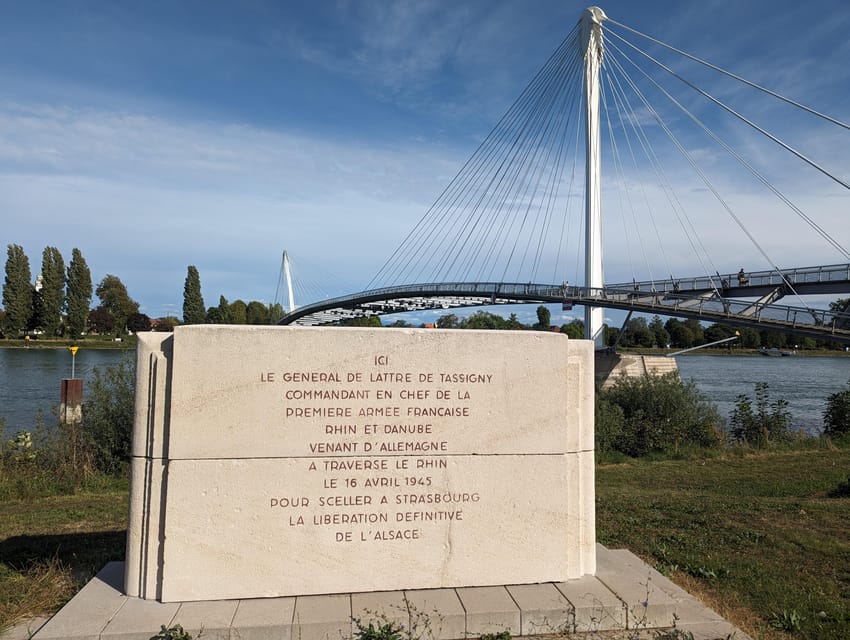
Then comes the best part for many people: the actual border crossing on foot. The bridge you use is pedestrian and cycle-only, inaugurated in 2003, and it’s described as a symbol of the EU idea of free movement.
Walking onto it changes the atmosphere fast. You’ll feel like you’re switching modes, even without formal border controls. On this route, there’s no control point, but you are crossing countries, and that practical reality affects what you should carry and understand.
The bridge is also where the views do some of the talking for you. You get Rhine sightlines and a sense of scale that’s hard to get from photos alone. It’s a short stretch, but it’s memorable because it turns the border into a physical, shared route.
Kehl: Your German Preview, Including Practical Tips

Kehl is directly across from Strasbourg, a small town that feels like a taste of Germany. It’s often treated as the first German city you reach when you cross the Rhine from Strasbourg, and this tour uses that idea well.
You reach the German side and then spend time in the town center area with guidance. One of the most useful parts is how the guide turns difference into navigation. You can get explanations for German customs you might not know, plus suggestions for where to eat and shop in Kehl.
If you planned to go on your own later, I’d still suggest doing this walk first. Getting local context reduces the guesswork. You’ll leave with a clearer sense of how to spend time on the German side rather than trying to figure everything out cold.
Value for $35: Small Group, Real Context, No Time Wasted
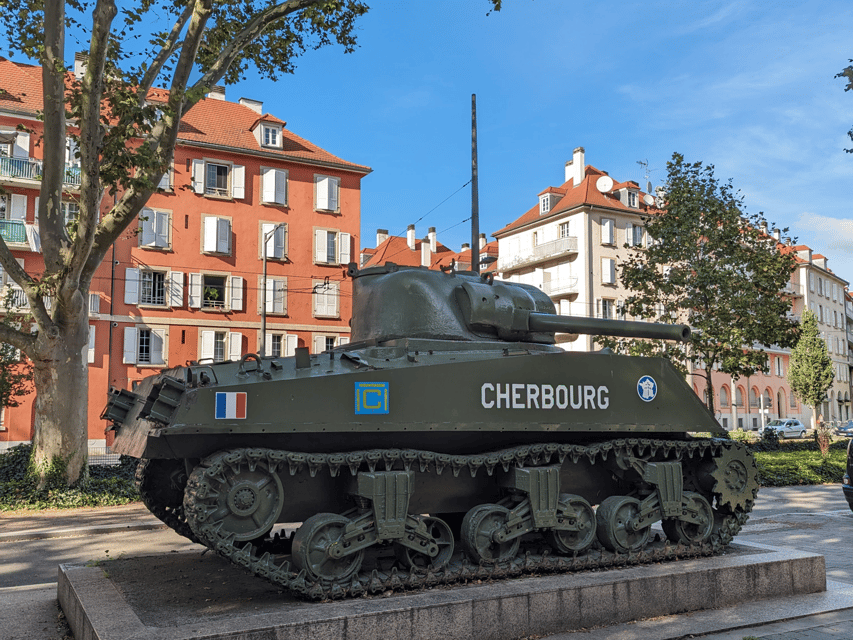
At about $35 per person for 90 minutes, the value comes from the focus. You’re not paying for a long ride or multiple separate transports. You’re paying for a guide who connects the street art, the harbor history, and the border dynamics into one coherent route.
The small group size, limited to 6 people, also protects the experience. It helps you ask questions in French or English without feeling like you’re competing for attention. And because photo opportunities are included, the guide can point out when to stop, where to stand, and what details are worth capturing.
This is also the kind of tour that can improve the rest of your trip. The guide offers the best advice for your stay in the region, which is exactly what you want when you only have limited time and you’re trying to avoid tourist traps.
Language, Group Pace, and What You Should Bring
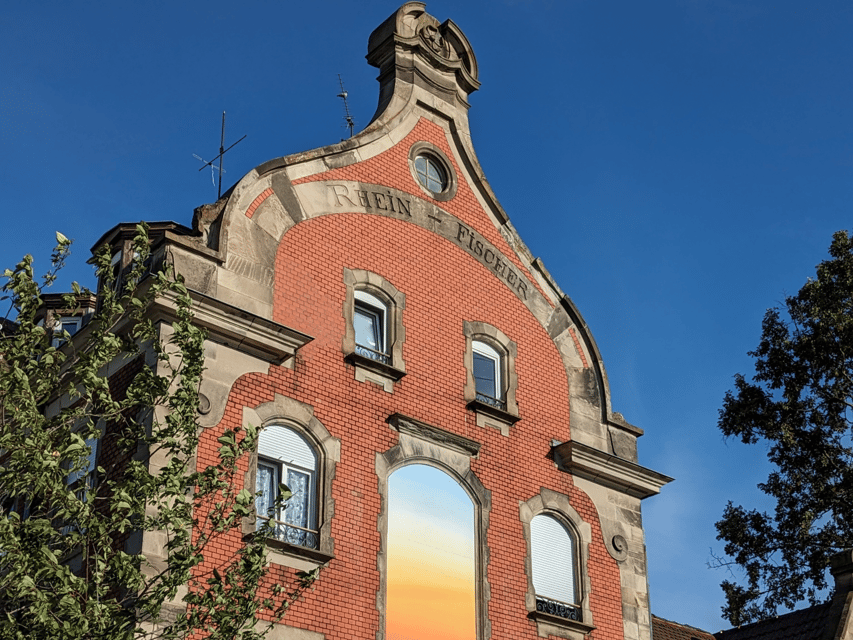
The tour runs with a live guide in French and English, which makes it flexible if your party has mixed language comfort. The group stays small, so expect a walking pace that supports conversation and stops for photos.
For your materials, bring your passport or ID card. You’ll cross the French-German border, and while there’s no control at the border during this walk, you should still think like you’re in another country. Visa and insurance rules do not stop existing because the border is easy to cross on foot.
Also plan for weather. The tour is outdoors and based on walking, so a light rain layer or compact umbrella helps. If the forecast looks rough, pack accordingly, because the itinerary does not sound designed for sitting in cafes for long stretches.
Who This Walk Is For, and Who Might Skip It
This experience is best if you want a quick, grounded way to understand Strasbourg’s relationship with Germany. It’s especially good if you like urban details, street art, and industrial history, because those themes drive the route.
It can also work well for families, since the distance and duration are built for a manageable 90-minute outing. If you’re traveling with kids, the short time window is a big plus. Just keep expectations realistic, this is still a walking tour.
If you have mobility impairments, skip it. The activity explicitly states it is not suitable in that case. If accessibility matters for you, look for a different format that offers reduced walking or step-free routing.
Should You Book This France to Germany Border Walk?
I think you should book it if you want your Strasbourg trip to include the Rhine’s everyday meaning. This is not only a crossing, it’s a guided comparison of neighborhoods, architecture, and culture on both sides.
You’ll likely leave with a better sense of where to explore next, especially if you plan to spend time in Kehl. And the $35 price tag feels fair because you’re getting street art, port-area history, a real border bridge crossing, and practical advice in one tight window.
Book it if you like learning while walking, and if you’re happy to trade a bit of comfort for better context. Skip it only if mobility constraints are an issue or if you strongly prefer indoor, low-walking experiences.
FAQ
Where do I meet the guide?
You meet your guide at the tramway stop Starcoop.
How long is the tour?
The tour lasts 90 minutes.
How big is the group?
The group is small, limited to 6 participants.
What languages are offered?
The live guide speaks French and English.
Do I need a passport or ID card?
Yes. Bring your passport or ID card since you will cross the French-German border.
Is there border control during the walk?
There is no control at the border on this route, but you should remember you are not in France for all formalities like visa and insurance.
What is included in the price?
It includes a local group tour, best advice for your stay in the region, and photo opportunities.
Is the tour suitable for people with mobility impairments?
No. It is not suitable for people with mobility impairments.
Newly listed around Strasbourg
- Strasbourg: Historic Center Walking Tour★ 4.7 · 88 reviews
- Strasbourg : Street-Art Tour★ 5.0 · 37 reviews
- Strasbourg: Private Walking Tour of the Historical Center★ 4.2 · 107 reviews
- Strasbourg: 2-Hour Gourmet Walking Tour★ 4.1 · 39 reviews
- Strasbourg: Private custom tour with a local guide★ 4.6 · 120 reviews
- Strasbourg : European District Walking Tour★ 5.0 · 95 reviews
- Strasbourg: Guided Walking Tour★ 4.7 · 127 reviews
- Strasbourg: 90-Minute Sightseeing Tour by Pedicab★ 4.9 · 85 reviews
Walking Tours, compared.
Paris Top Sights Half Day Walking Tour with a Fun Guide
Read our review →
Montmartre Hidden Gems and Scenic Highlights Walking Tour
Read our review →
Montmartre Hill French Gourmet Food and Wine Tasting Walking Tour
Read our review →
Montmartre Highlights Walking Tour with a Local Guide
Read our review →
Paris Île de la Cité and Notre-Dame Walking Tour With Crypt
Read our review →
Montmartre Cheese, Wine & Pastry Guided Walking Tour
Read our review →
Paris in a Day: Louvre or Orsay, Eiffel Tower, City Walk & Cruise
Read our review →
Paris City Center Free Walking Tour (Tip-Based)
Read our review →Browse the lists this tour appears in