
Reviewed · MACARON BAKING CLASSES
Paris: Bread and Croissant-Making Class
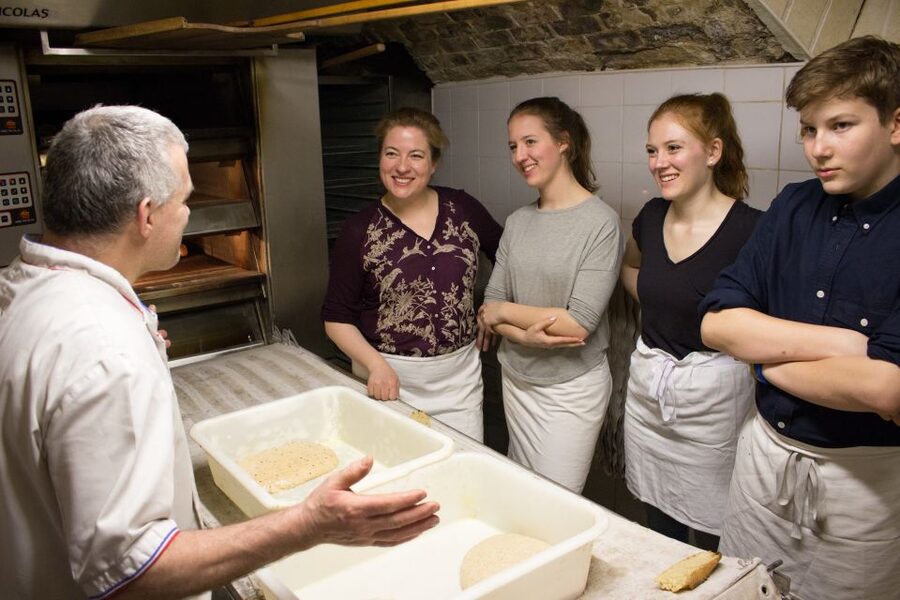
Fresh flour is the best souvenir. At Le Petit Mitron, I found a hands-on bread and croissant class that feels like slipping into a real family boulangerie, not standing around watching bread magic from afar.
I especially love the behind-the-counter flow, where the master baker walks you through making a classic French baguette and shares the little choices that shape a crunchy golden crust and a soft warm interior. You also get to make croissants and shape them yourself, with help that keeps you moving even if you have zero baking background.
One consideration: at $258 per person for a 2-hour class, you’re paying for access, coaching, and the take-home results, so it’s a splurge worth it if bread-making is your thing, and it’s not suitable for children under 6.
In This Review
- Key points worth knowing before you go
- Enter Le Petit Mitron, then roll up your sleeves
- The master baker and the translator set the tone (Chef Didier and interpreters like Luis or Elsa)
- Classic baguette secrets: crusty exterior, soft warm interior
- Make two baguettes in one session, including La Parisse
- Croissant making and shaping: learning the moves, not just the myth
- Why the bread stories are more than filler
- What you take home: bread, recipes by email, and a repeatable plan
- Price and value: why $258 can make sense for real bakery access
- Who this class fits best in your Paris trip
- Practical tips so your first Paris bread day goes smoothly
- Should you book this Paris bread and croissant class?
- FAQ
- Where do I meet for the class?
- How long is the bread and croissant-making class?
- What group size should I expect?
- What will I learn to make?
- What is included in the price?
- What languages are offered?
- Is the class suitable for kids?
- How much does it cost?
- What are the cancellation and payment options?
Key points worth knowing before you go
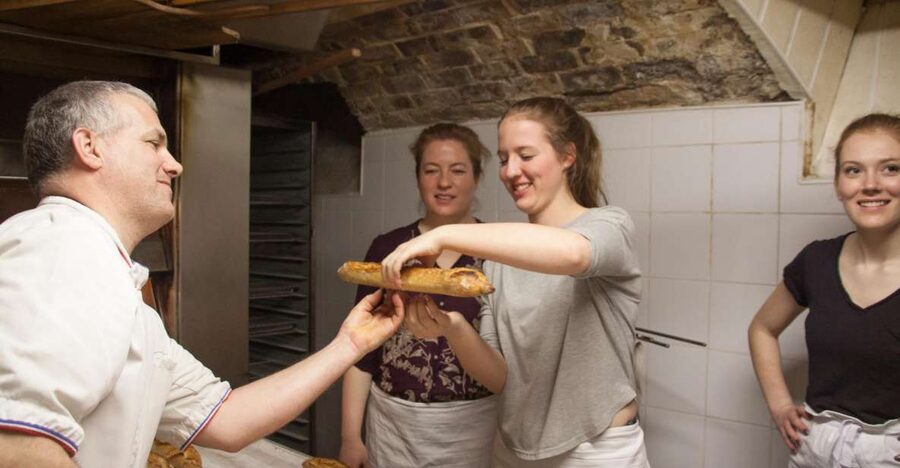
- Behind-the-counter baguette lessons in a family-run bakery
- Two baguette styles, including the bakery’s special La Parisse
- Hands-on croissant making and shaping
- Small group size limited to 8 participants
- Warm tasting during class plus take-home bread
- Recipes sent by email, so you can repeat the results at home
Enter Le Petit Mitron, then roll up your sleeves
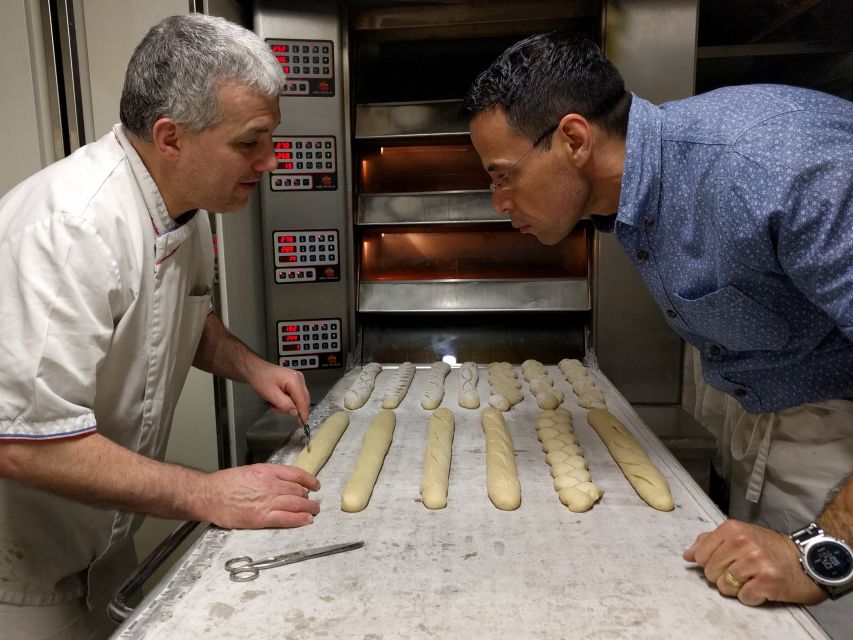
This class starts at Le Petit Mitron, 8 rue Oberkampf, 75011 Paris. It’s in a neighborhood you can reach easily, but the experience itself is the main event, because you’re not just doing a tour. You’re doing bakery work, with ingredients in front of you and a baker teaching right where the bread happens.
Expect a small group (up to 8), which matters more than you might think. In a bigger group, you’d get a fast demo and a quick brush-off. Here, the teaching time stretches because you have room to ask questions and get corrected on technique while it’s still fresh.
They also provide what you need to participate, including utensils and an apron, plus all ingredients. That means you can show up without hauling tools or buying specialty gear first.
More macaron classes in Paris:
- Paris: Montmartre Cheese, Wine & Pastry Guided Walking Tour
★ 4.8 · 2,255 reviews - Paris: Macaron Class at Galeries Lafayette
★ 4.2 · 1,196 reviews - Paris Croissant Small-Group Baking Class with a Chef
★ 5.0 · 910 reviews
The master baker and the translator set the tone (Chef Didier and interpreters like Luis or Elsa)
One reason this works so well is the chemistry between the bread teacher and the person translating. In the classes I’m describing here, the baker is often Chef Didier (or Didier), and the experience runs smoothly when interpreters step in, such as Luis, Elsa, or Luce.
What you get from that pairing is practical teaching. The baker explains how to handle dough and why certain steps affect crust and crumb. Then the interpreter keeps it clear, not just word-for-word, so you can actually apply it with your hands.
You’ll feel that in the vibe. Multiple participants highlight how engaging and funny the baker can be, including sharp timing with humor, stories, and Q-and-A. When bread is involved, that matters, because learning improves when you’re relaxed and focused at the same time.
Classic baguette secrets: crusty exterior, soft warm interior
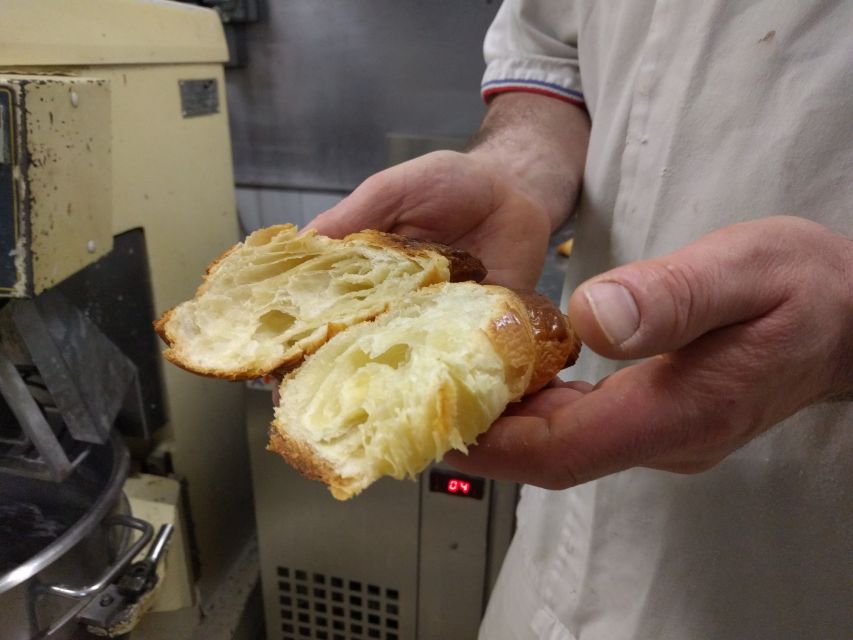
The core of this class is French baguette making, and the setting is part of the lesson. You go behind the counter and watch, step-by-step, how a baguette is made at a working bakery.
The big promise you’ll hear is about contrast:
- a crunchy golden crust
- a soft warm interior
That’s the difference between baguette-shaped bread and true bakery results. In practice, the lesson is about noticing the little details the baker cares about, such as dough handling and how the shaping and baking choices affect texture.
You also get to see how the bakery’s process fits into a real operation. The instruction doesn’t feel like a staged cooking show. It feels like someone sharing methods they’ve used for years, including family know-how passed down through generations.
And yes, you’ll work with dough yourself. Reviews mention getting your hands into flour, which is exactly what you want if you’re serious about learning technique, not just collecting photos.
Make two baguettes in one session, including La Parisse
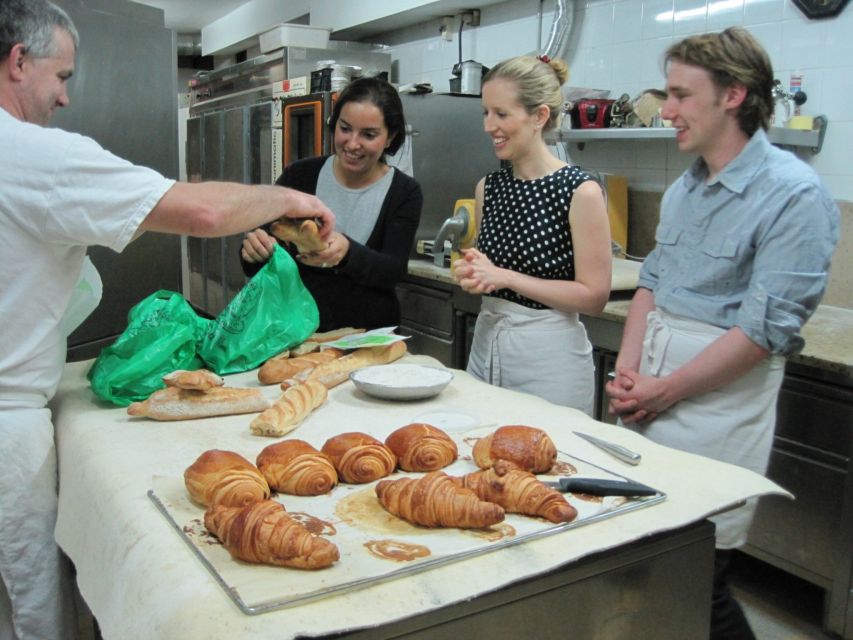
A standout part is that you bake two types of baguette. First, you make a classic French baguette. Then you make the bakery’s special baguette called La Parisse, a version the bakery is famous for across Paris.
This is a smart way to learn because you can compare two results from the same general world of baguette making. The classic style teaches the foundational approach. Then La Parisse shows how a bakery’s signature choices create something recognizable and consistent.
In a 2-hour class, you’re not going to become a master artisan overnight. But you will leave with a clearer sense of what changes outcomes, because you’re working with more than one style, not just repeating one demo.
Other Paris bookings to consider
- Paris: 1-Hour Seine Cruise departing from the Eiffel Tower
★ 4.4 · 77,472 reviews - Disneyland® Paris 1-Day Ticket
★ 4.6 · 49,412 reviews - Paris: Versailles Palace and Gardens Full Access Ticket
★ 4.6 · 41,579 reviews - Paris: Arc de Triomphe Rooftop Tickets
★ 4.6 · 34,264 reviews
Croissant making and shaping: learning the moves, not just the myth
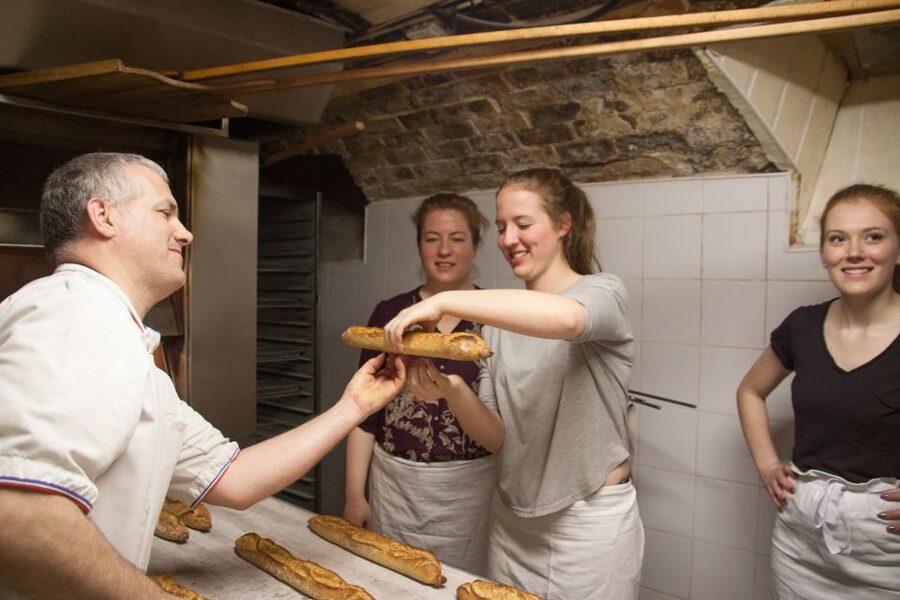
Then comes croissants, and the class keeps it practical. You learn how to make and shape croissants, guided by tips from the master baker.
Croissants are tricky partly because they look simple while doing a lot of work behind the scenes. So the most valuable part is getting coaching on technique you can feel: how the dough responds under your hands and what correct shaping looks like in real time.
You’ll also get the payoff. Many participants mention tasting warm baguettes and croissants during the class, which makes learning feel immediate. When you can connect instruction to what’s in front of you, you understand what to aim for at home.
If you’ve ever tried to bake croissants from scratch and ended up with sad pastries, this kind of coaching can help you focus on the steps that matter most, instead of throwing ingredients at the problem.
Why the bread stories are more than filler
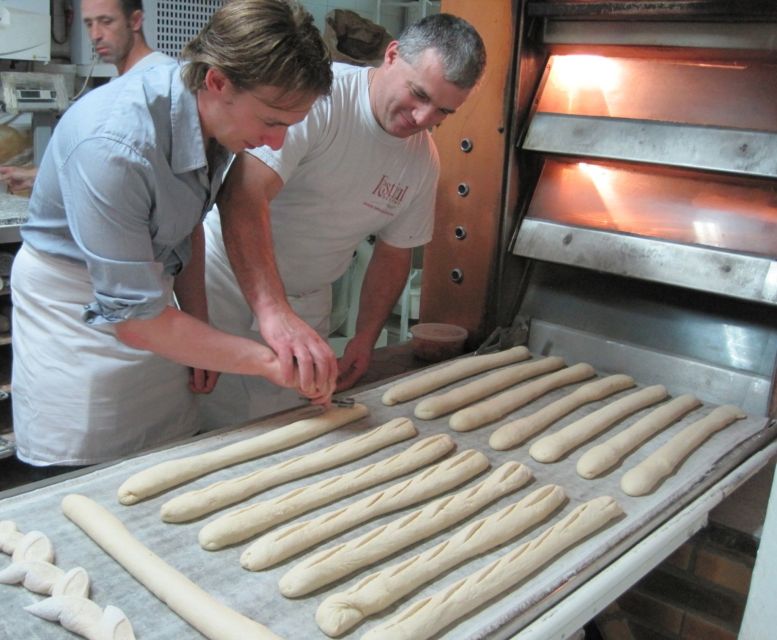
This isn’t only technique and dough. The baker also shares context about how French bread evolved, including how certain bread shapes came to be. Participants also mention hearing about what’s happening in the bakery world and how health and business realities affect how things are made today.
That might sound like “optional background,” but it’s actually useful. When you understand why a baguette is shaped the way it is, or why a bakery does things a certain way, you stop treating bread as a random recipe and start treating it as craft.
Plus, the storytelling keeps the pace lively in a 2-hour window. Several participants specifically call out that the baker is engaging and funny, and that the translator keeps things moving without turning the experience into a choppy conversation.
What you take home: bread, recipes by email, and a repeatable plan
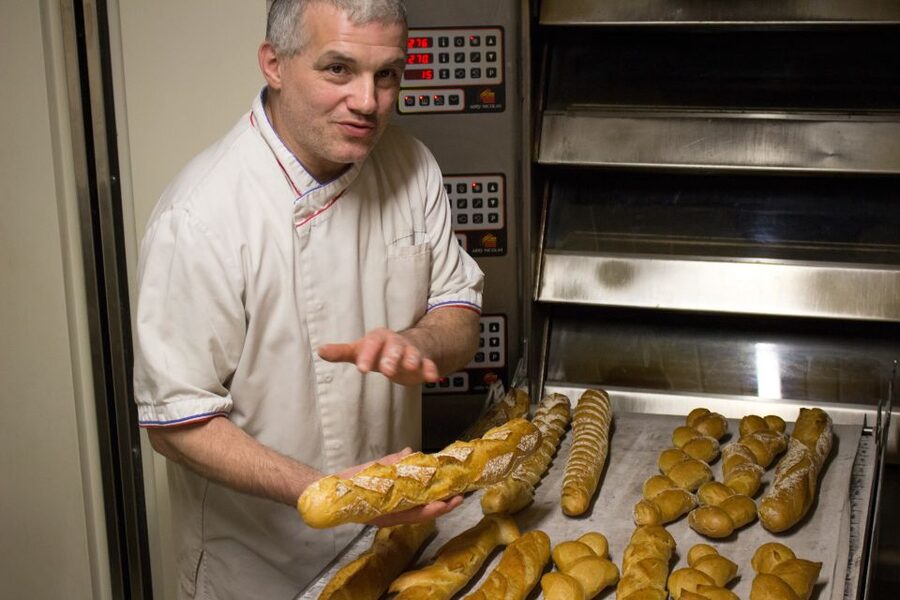
You don’t leave empty-handed. Reviews mention leaving with a big bag of baguettes and plenty to take home. That matters because it lets you do two things right away:
1) taste the results while the methods are still fresh in your head
2) compare the bread you made to what you buy at boulangeries, so you know what you want to reproduce
On top of that, you receive a copy of the recipe sent by email. That’s a big deal for practical learning. You can review the steps at your own pace, then run the class again at home without trying to remember what you did during a flour-heavy session.
If you want to actually improve after the class, I suggest you do a “two-taste” routine. Taste what you made the day you make it. Then taste it again later, after it cools. Bread changes fast as it cools, and that helps you learn how crust and crumb behave, not just how they look hot.
Price and value: why $258 can make sense for real bakery access
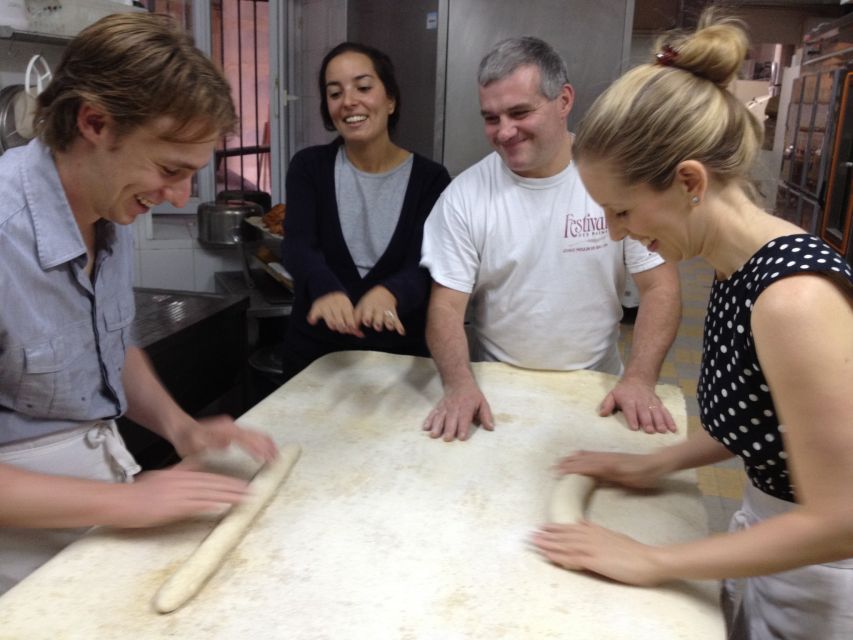
Let’s talk money honestly. At $258 per person for a 2-hour class, this is not a budget activity. But the cost buys more than a recipe sheet.
Here’s what’s included and why it adds value:
- All ingredients and utensils and apron, so you’re paying for the full workshop setup
- A small group capped at 8, which means more hands-on coaching time
- Access to the baker behind the counter, plus step-by-step instruction on baguette and croissant technique
- Two baguette styles (classic plus La Parisse), not just one quick demo
- Warm tasting during class, plus the bread you make to take home
- Recipes emailed so you can keep practicing after the class ends
If you’re the type who wants to learn methods you can repeat, this can be money well spent. If you just want a quick snack and photos, it’s likely too pricey for what you’re aiming for.
Who this class fits best in your Paris trip
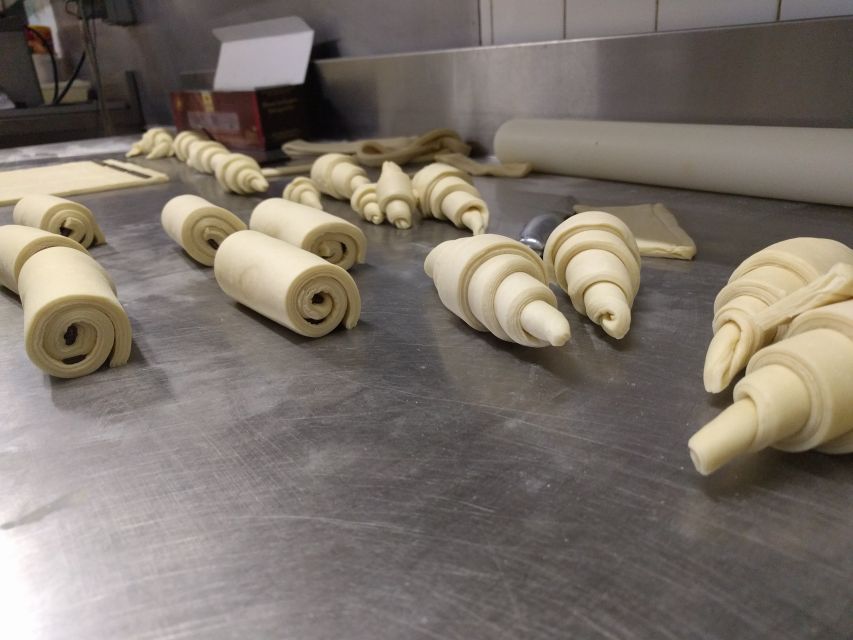
This class fits best if you like hands-on activities and want a clear path from instructions to results. It’s also a strong choice for families, with one important limit: it’s not suitable for children under 6.
In practice, participants mention bringing kids in the 8 to 12 range, and those families often call the class a highlight. That tells me the baker can keep younger learners engaged while still teaching adults.
It may not be ideal if you want quiet, sit-and-smile tourism, because you will work with dough and spend time shaping and learning technique.
If you’re gluten sensitive or have dietary concerns, the provided information doesn’t claim the class is gluten-free. One participant did mention they felt fine after trying the breads because the flour is made on site with no additives, but you should treat that as a personal report, not a guarantee. If dietary needs are strict, ask questions before you commit.
Practical tips so your first Paris bread day goes smoothly
Come with the right mindset. This is flour work. Even with an apron, you’ll probably end up with dough dust on your clothes or hands, so dress for comfort.
Also, go ready to taste and ask questions. When a baker is explaining crust, crumb, and shaping, the best learning happens when you pause and confirm what you should be aiming for before you move on.
And if you speak English, Spanish, French, Japanese, or you rely on translation, the class is set up to run with language support. Multiple participants highlight that interpreters like Luis, Elsa, and Luce make the experience feel smooth, so you’re not stuck guessing what the baker means.
Should you book this Paris bread and croissant class?
Book it if you want more than a bread walk-through. This is a small-group, hands-on session with real bakery access, step-by-step baguette instruction, croissant shaping practice, and take-home bread plus recipes by email. The price is steep, but the class is built around coaching and results, not just entertainment.
Skip it if your goal is low-cost sightseeing, or if you’re traveling with a child under 6, since that age limit applies. Also skip it if you’re not interested in baking, because the “take-home” payoff only matters if you’ll use the techniques after you’re back home.
If you do book, you’ll leave with something better than a memory. You’ll leave with bread you made, plus the methods to try again.
FAQ
Where do I meet for the class?
You meet at Le Petit Mitron, 8 rue Oberkampf 75011 Paris.
How long is the bread and croissant-making class?
The class lasts 2 hours.
What group size should I expect?
It is a small group limited to 8 participants.
What will I learn to make?
You learn to make and shape croissants, and you also bake French baguettes, including a classic baguette and a special bakery baguette called La Parisse.
What is included in the price?
All ingredients are included, along with utensils and an apron. You also receive a copy of the recipe by email.
What languages are offered?
The instructor offers English, French, Japanese, and Spanish. Translation is part of the experience.
Is the class suitable for kids?
It is not suitable for children under 6 years old.
How much does it cost?
The price is listed as $258 per person.
What are the cancellation and payment options?
Free cancellation is offered up to 24 hours in advance for a full refund. You can reserve now and pay later, keeping your travel plans flexible.
Newly listed around Paris
- The voice of Montmartre is a must-see in Paris★ 3.8 · 19 reviews
- Top Private Cruises in Paris with Champagne + more surprises★ 5.0 · 309 reviews
- The Official Emily in Paris Montmartre Walking Tour★ 4.7 · 40 reviews
- The Paris Pass® Plus: 90+ Attractions including The Louvre★ 3.4 · 386 reviews
- The Official Emily in Paris Locations Walking Tour★ 4.9 · 383 reviews
- The Official Emily in Paris Macaron-Making Workshop★ 4.9 · 68 reviews
- The Official Emily in Paris Wine & Cheese with Butter Making★ 4.9 · 20 reviews
- The Official Emily in Paris Croissant-Making Workshop★ 4.9 · 85 reviews
Macaron Baking Classes, compared.
Montmartre Cheese, Wine & Pastry Guided Walking Tour
Read our review →
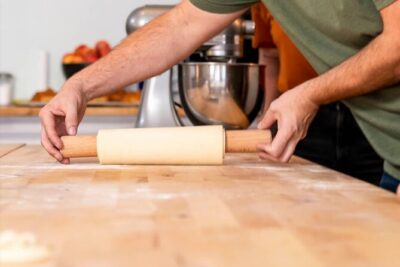
Paris Croissant Small-Group Baking Class with a Chef
Read our review →
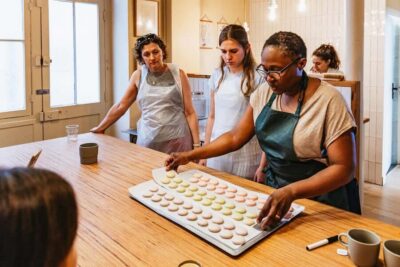
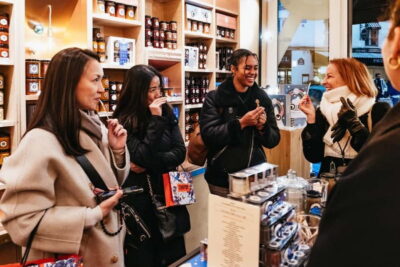
Saint-Germain: Gourmet Chocolate & Pastry Walking Food Tour
Read our review →

Seine Cruise and Macaron Tasting by the Eiffel Tower
Read our review →Browse the lists this tour appears in