
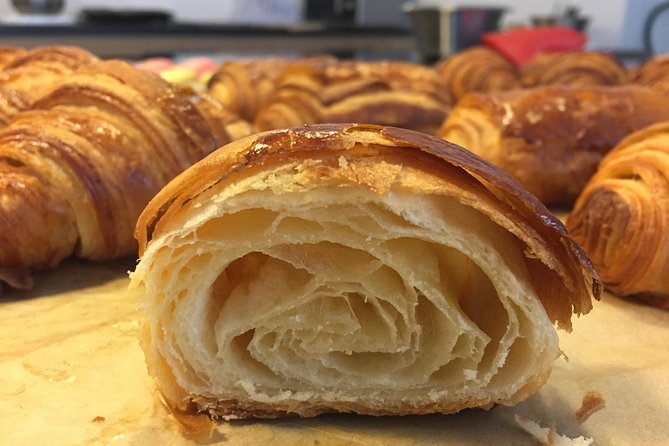
Reviewed · MACARON BAKING CLASSES
Paris Croissant and Breakfast Pastry Class with a French Chef
Croissants become real fast. This small-group Paris class teaches classic butter-laminated technique, and you leave with fresh croissants and pain au chocolat. The main catch is that croissants are inherently a bit of work, so expect hands-on rolling and folding.
What I like most is the cap of 6 participants, which means real coaching instead of watching from the side. I also love that everything you need is set up for you: aprons, equipment, and English recipe copy, plus tea and coffee. The one drawback to weigh is that laminated dough takes patience, so while you will do key steps in class, some prep timing is handled in advance so your pastries can finish on schedule.
In This Review
- Key Points You Should Know Before You Go
- Croissant Making Gets Personal in a 6-Person Class
- Finding Patisserie a la Carte on Rue Thimonnier, and Timing Your Morning
- Butter, Dough, and Turns: The French Terms That Control the Flake
- Croissants and Pain au Chocolat: What You Actually Learn to Do
- Thursday Special: Bicolor Croissants with Chocolate Pralin
- Aprons, Equipment, Recipes, Tea, and an eBook: What Your Price Covers
- What to Wear, How Much Work to Expect, and Who This Fits
- Should You Book This Paris Croissant Class?
- FAQ
- How many people are in the class?
- How long is the croissant and breakfast pastry class?
- What pastries will I make during the session?
- Is the class offered in English?
- Where do I meet for the class?
- Is hotel pickup or drop-off included?
- What should I wear?
- Can I cancel for a full refund?
Key Points You Should Know Before You Go
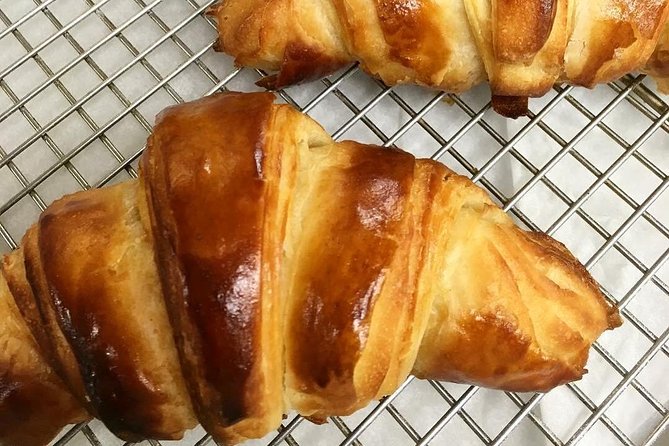
- Max 6 people means you get hands-on attention as you shape and fold
- Professional French pastry chef instruction in English
- You take home what you bake, in take-home bags, not just a tasting
- You learn the core French methods like beurrage, turns, feuilleter, and la pousse
- Thursday morning has a special bicolor croissant option with chocolate pralin
Croissant Making Gets Personal in a 6-Person Class
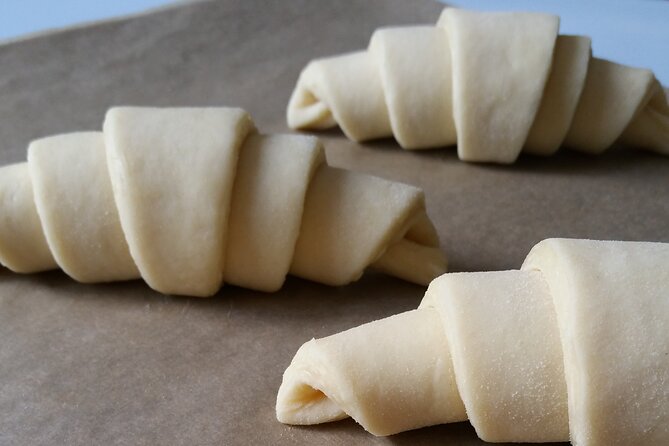
If you like the idea of learning French pastry for real, this is built for that. The class is capped at six people, and that small number shows up in how the teaching flows: the chef can correct your folding, your dough handling, and your timing before little mistakes snowball into dense layers.
You are not just observing either. The goal is that you complete the steps during the session, from dough work to shaping and final baking. Several instructors mentioned by name in past classes, including Julie, Gaëlle, Marie, Hiba, and Mary, share the same style: clear step-by-step guidance plus patience when your hands need a second try.
One more practical point: the class is ages 15 and up. If you are bringing a younger teen, you’ll need an adult attending with them (one registered adult per child).
More macaron classes in Paris:
- Paris: Montmartre Cheese, Wine & Pastry Guided Walking Tour
★ 4.8 · 2,255 reviews - Paris: Macaron Class at Galeries Lafayette
★ 4.2 · 1,196 reviews - Paris Croissant Small-Group Baking Class with a Chef
★ 5.0 · 910 reviews
Finding Patisserie a la Carte on Rue Thimonnier, and Timing Your Morning
The class meets at 9 Rue Thimonnier, 75009 Paris, and it ends back at the same meeting point. There is no hotel pickup or drop-off, so plan to arrive under your own steam. The good news is that it is near public transportation, which matters in Paris when “easy” can still mean multiple transfers.
The session runs about 3 hours, so treat it like a real activity, not a quick food stop. The schedule is designed around croissants, which are layered yeast dough. Even when the long wait happens partly off-site, you still need to be there, focused, and ready to work with cool dough and butter at the right consistency.
Also plan on arriving early. If you are more than 5 minutes late, the course may start without you. If nobody shows up after 15 minutes, the class can be canceled and your booking may be treated like a last-minute, non-refundable situation. Croissant dough does not care about your schedule, and the team follows the dough.
Butter, Dough, and Turns: The French Terms That Control the Flake
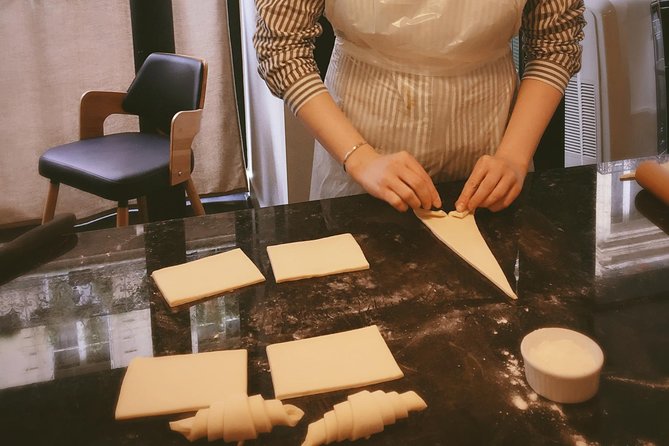
Croissant success is not magic. It is technique, and this class names the technique so you can repeat it at home.
Here are the key French terms you will learn, and why they matter:
Beurrage
This is the stage where butter is worked into the dough (the dough becomes an envelope around butter). The goal is even butter distribution. When it is right, you get thin flaky layers instead of greasy streaks or uneven puff.
Pâton
Think of the pâton as the block of dough after butter has been folded in, forming that envelope. Handling the pâton well matters because you are about to roll it out and fold it repeatedly, and your layers depend on keeping the butter inside where it belongs.
Turns
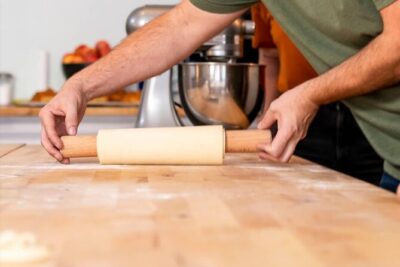
Turns are the repeated rolling and folding steps. This is where your croissant gets the layered look. If you press too hard, tear the dough, or let everything warm up, your layers will not form cleanly.
Feuilleter
Feuilleter is the part where you keep enclosing butter in dough and folding and rolling to create very thin sheets, the classic leaf-like layers. This is the “why French croissants look like French croissants” stage. You learn how thin you need to go without turning it into dough confetti.
La pousse
La pousse is the fermentation and rising. Yeast expands the dough during the rise, creating lift and airy texture. Even though croissants require timing that is sometimes handled before class, you will follow the rising process stages so you understand what to watch for and what “ready” looks like.
The payoff of learning these terms is that you stop guessing. After this class, you can read a recipe like a baker, not like a tourist.
Croissants and Pain au Chocolat: What You Actually Learn to Do
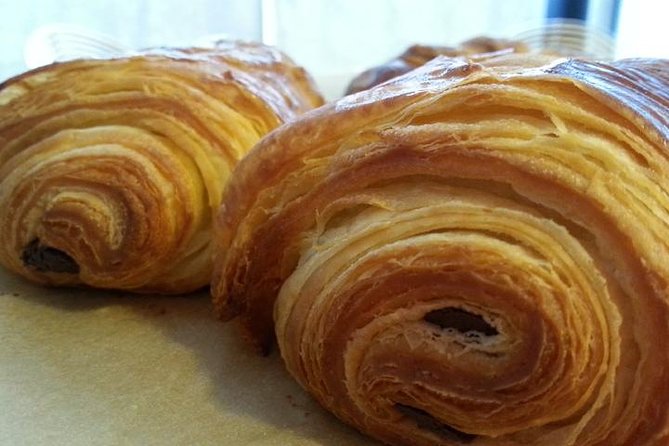
The class centers on classic croissants and pain au chocolat, chocolate-filled croissants. Your chef guides you through the process designed to deliver a light, crisp outside and a soft interior.
Because croissants are laminated yeast dough, the toughest part is not any single step. It is the chain reaction of steps: dough temperature, butter consistency, how evenly you roll, how you fold, and how you handle the dough during rising.
A useful detail here: the layered dough takes prep time, ideally starting the day before. That is why the session is structured in stages. You will still do the hands-on work during the class, but some prep timing is managed so you can enjoy the finished pastries at the end rather than bringing home raw dough and hoping for the best later.
During the session, you can expect to:
- work with the dough and follow each stage the chef demonstrates
- shape classic croissants and chocolate-filled pastries
- bake your pastries during the class timeline
- end with freshly prepared items you can eat right away and take home
At the end, the class includes tea and coffee, which sounds simple, but it turns the morning from “workshop” into “reward.” Several past participants described eating hot croissants and taking home a substantial amount, enough for breakfasts and snacks across the next couple of days.
Other Paris bookings to consider
- Paris: 1-Hour Seine Cruise departing from the Eiffel Tower
★ 4.4 · 77,472 reviews - Disneyland® Paris 1-Day Ticket
★ 4.6 · 49,412 reviews - Paris: Versailles Palace and Gardens Full Access Ticket
★ 4.6 · 41,579 reviews - Paris: Arc de Triomphe Rooftop Tickets
★ 4.6 · 34,264 reviews
Thursday Special: Bicolor Croissants with Chocolate Pralin

On Thursday morning classes, the menu includes bicolor croissants filled with chocolate pralin. This is a fun twist because it adds a visual element and another flavor layer without changing the core laminated technique.
In practical terms, you still get the underlying dough methods that make croissants work. The bicolor step just gives you something a bit more showy to bring home and share. If you like the idea of leaving with pastries that look like they came from a Paris bakery case, Thursdays are a smart choice.
Aprons, Equipment, Recipes, Tea, and an eBook: What Your Price Covers
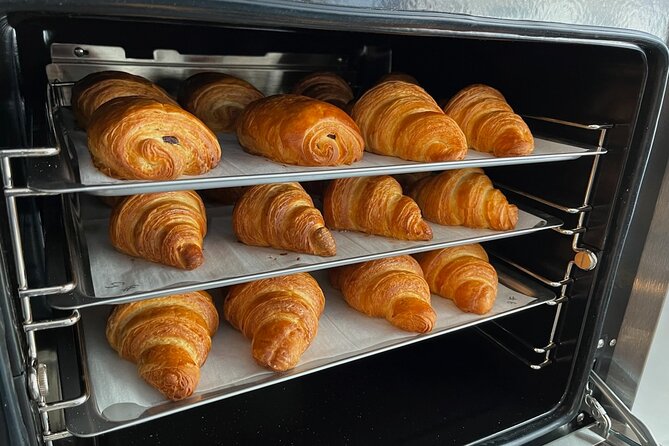
The price is $131.54 per person for about three hours, which might feel steep until you think about what you are buying.
You are paying for:
- a professional French pastry chef’s instruction during the full session
- a small group format (maximum 6), which keeps the teaching ratio strong
- aprons and all cooking equipment
- an English copy of the recipes so you can actually repeat the results at home
- take-home bags, so you leave with more than a taste
- tea and coffee
- and, for the operator’s 10th anniversary, an additional Everyday Gourmet French Tarts eBook
Also important: transportation is not included. And there is no hotel pickup. That affects “true value” depending on where you are staying, but the neighborhood option is convenient enough that you can usually reach it by transit without making the day complicated.
Whoever you are, if you want hands-on French pastry technique instead of a walk-and-watch tour, this price structure makes sense.
What to Wear, How Much Work to Expect, and Who This Fits
Croissant class is not a passive experience. It is hands-on, and you will spend time rolling, folding, and shaping. Some people in past sessions even described it as lots of work in the best way, with plenty of time for questions and demonstration.
So wear comfortable, casual clothing and flat comfortable shoes. If you have long hair, tie it back. This is a kitchen setting where you need to move.
How skilled do you need to be? You might find this works for absolute beginners because the chef breaks the process into steps and demonstrates before you try. But you will also get value if you already bake, because laminated dough has technical details that are easy to miss on your own.
Allergy and dietary requirements need to be shared at the time of booking. If you have restrictions, contact the operator ahead of time so they can advise what is possible.
This class fits best if you:
- want real technique you can repeat
- like learning with your hands, not just with your eyes
- want a Paris morning activity that ends with edible results
- are traveling with a partner or family member (the small group vibe makes it easy to talk to others and still get guidance)
Should You Book This Paris Croissant Class?
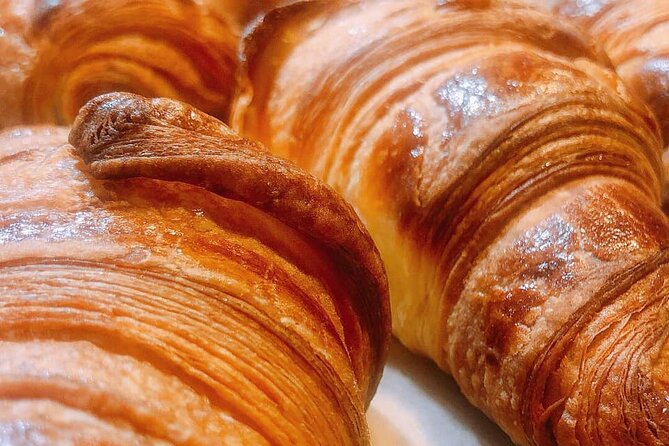
Yes, if you want a morning in Paris that turns into skill, not just souvenirs. The big reasons to book are the 6-person limit and the emphasis on specific techniques like beurrage, turns, feuilleter, and la pousse. You will leave with freshly baked pastries you can eat during the session and take home, which makes the time and price feel more practical.
Maybe consider a different type of class if you want something low-effort or purely scenic. Croissants are a dough science project, and this is built for doing the work. If you show up, wear the right clothes, and keep an open mind about the process, you will come out with a new appreciation for how much skill is behind that flaky first bite.
FAQ
How many people are in the class?
The class is capped at a maximum of 6 participants per booking.
How long is the croissant and breakfast pastry class?
The class lasts about 3 hours.
What pastries will I make during the session?
You will make classic buttery croissants and pain au chocolat. On Thursday morning classes, bicolor croissants filled with chocolate pralin are offered.
Is the class offered in English?
Yes, it is offered in English.
Where do I meet for the class?
You meet at 9 Rue Thimonnier, 75009 Paris, France.
Is hotel pickup or drop-off included?
No, hotel pickup and drop-off are not included.
What should I wear?
Wear comfortable, casual clothing and flat comfortable shoes. If you have long hair, tie it back.
Can I cancel for a full refund?
You can cancel up to 24 hours in advance for a full refund. If you cancel less than 24 hours before the start time, the amount paid is not refunded.
Newly listed around Paris
- Paris Orsay Museum and Rodin Museum Daily Combo Ticket★ 4.0 · 32 reviews
- Paris Pastry Tour – Croissants, Macarons & Iconic French Desserts★ 5.0 · 232 reviews
- Paris Orsay Museum with Optional Seine River Cruise Tickets★ 4.0 · 65 reviews
- Paris Occult and the History of the Dark Arts Private Tour★ 5.0 · 17 reviews
- Île de la Cité Guided Tour & assistance Notre Dame entrance★ 5.0 · 22 reviews
- Paris Orsay Museum Entry Ticket with Digital Audio Guide★ 3.5 · 93 reviews
- Notre Dame de Paris: Semi Private or Private Guided Tour Guide★ 5.0 · 30 reviews
- Paris Opera Garnier Private Tour★ 5.0 · 42 reviews
Macaron Baking Classes, compared.
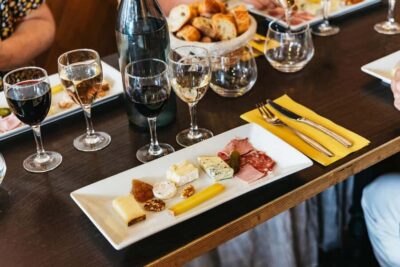
Montmartre Cheese, Wine & Pastry Guided Walking Tour
Read our review →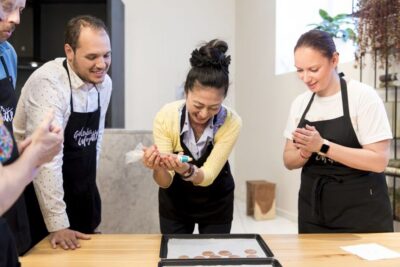
Paris Croissant Small-Group Baking Class with a Chef
Read our review →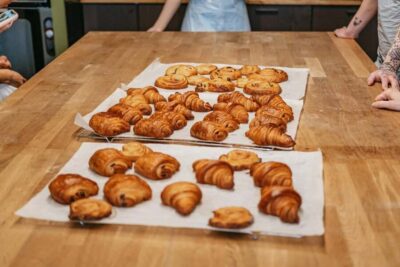
Saint-Germain: Gourmet Chocolate & Pastry Walking Food Tour
Read our review →
Paris Chocolate, Macaron & Pastry Food Tour: 10 Gourmet Tastings
Read our review →
Macaron Bakery Class at Galeries Lafayette Paris
Read our review →Browse the lists this tour appears in