
Reviewed · MACARON BAKING CLASSES
Paris: Croissant Baking Class with a Chef
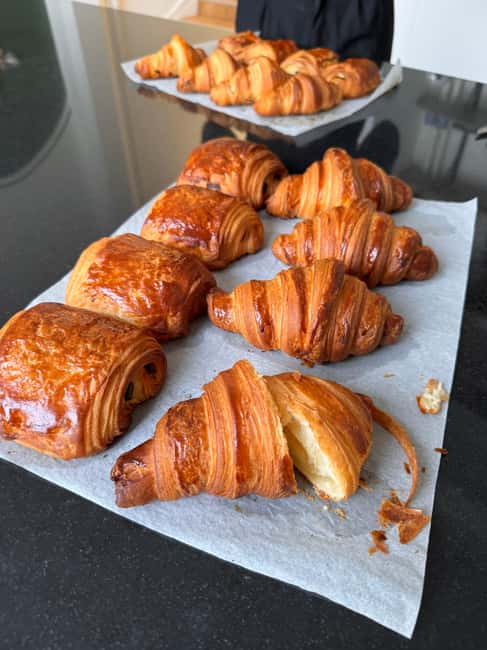
Croissants are all about the details. This class pairs hands-on coaching with a small group so you get real corrections while learning the fold that creates flaky layers. The one thing to keep in mind is the physical side, kneading and rolling take real arm strength, and the class has an age rule for kids.
You’ll spend about 3 hours in the Studio Pâtisserie kitchen, meeting at a gray storefront near Metro Line 2 (Rome) and Metro Line 3 (Villiers). Expect an organized flow: dough work, rest and rise, then shaping and baking, followed by tasting what you made.
I like that you learn more than just steps, you get the why behind the process, including butter quality and the nuances of proofing. You’ll also take home a recipe and get plenty of warm sampling during the class.
In This Review
- Key things I’d circle before you book
- A Paris Workshop Where Butter and Technique Meet
- The 3-Hour Flow: Dough, Folds, Rest, Shaping, Baking
- Chef Léo’s Small-Group Coaching (and Why It Helps Beginners)
- The Science Bits That Improve Your Croissant at Home
- What You Eat and Take Home (Recipe Included)
- Bi-Color Croissants for a Photo-Worthy Twist
- Price and Value: Is $140 Worth It?
- Before You Go: Age Rules and Arm-Strength Reality
- Getting to Studio Pâtisserie by Metro (Rome and Villiers)
- Should You Book This Croissant Class?
- FAQ
- How much does the croissant baking class cost?
- How long is the experience?
- Where do I meet for the class?
- Is the class taught in English?
- How big is the group?
- What will I make and eat during the class?
- Is there a bi-color croissant option?
- What are the age requirements?
- Can I cancel and get a refund?
- Do I have to pay immediately to reserve?
Key things I’d circle before you book
- Chef Léo leads the session, with clear, step-by-step guidance and lots of direct help while you work.
- Small group size (up to 8) means you are not shouting across a room for attention.
- Hands-on kneading, folding, and shaping are the focus, not just watching.
- Science plus technique, especially butter quality and proofing, so your results improve at home.
- Bi-color option on selected days if you want croissants with colored dough.
- You eat warm pastries you made, not just a token sample.
A Paris Workshop Where Butter and Technique Meet
Studio Pâtisserie is the kind of place that makes you slow down the moment you walk in. The setting is a bakery kitchen, and you’re right at the workstations with the chef, not off to the side behind a rope. That matters, because croissant-making is physical and fussy. You cannot learn it from a slideshow.
The class is led by Chef Léo, in English. The small group limit of 8 participants is a big part of why this experience works for beginners. You get time to ask questions, and you also get corrected while your hands are still on the dough. Many people come into it knowing they want to make croissants, but not knowing why they fail at home. Here, you’re guided through the process, step by step, with personalized tips and tricks.
You’ll also use professional-grade kitchen equipment and tools. That’s another underrated value point. Croissant dough behaves differently depending on the tools and the workflow. In a normal home kitchen, you might improvise, and then the dough punishes you for it. Here, you get the right setup from the start.
More Cooking Classes in Paris
- Paris Cooking Class and Lunch with Wine plus Market Visit Option
★ 5.0 · 1,024 reviews - Paris Croissant Small-Group Baking Class with a Chef
★ 5.0 · 910 reviews - Paris: French Croissant Baking Class with a Chef
★ 4.9 · 712 reviews
The 3-Hour Flow: Dough, Folds, Rest, Shaping, Baking
This is a true 3-hour class with a full rhythm built around croissant timing. Croissants are not “fast pastry.” The magic happens during resting and proofing, and the class uses that downtime to teach you what you’re waiting for and why.
Here’s what your morning (or afternoon) tends to look like:
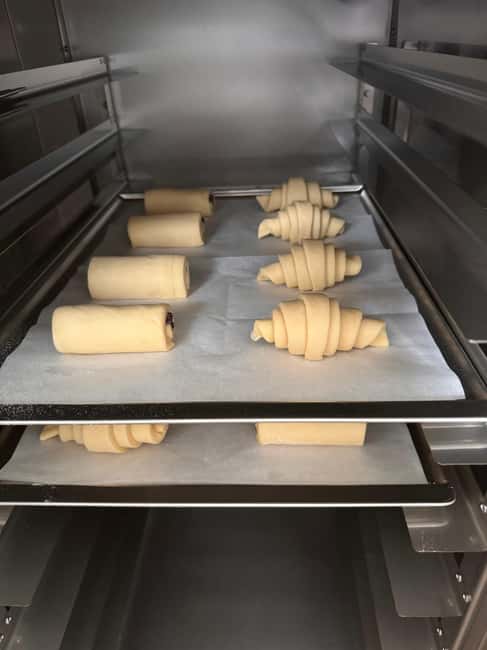
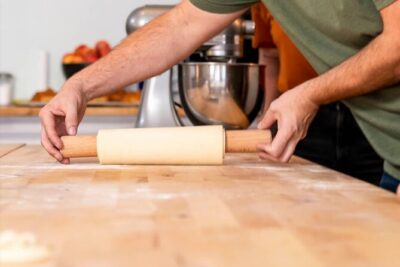
- Start with the delicate dough: you learn how to prepare the dough and begin working it correctly. Croissant dough is demanding, so the chef keeps an eye on technique, especially with kneading and handling.
- Master the folding technique: the chef walks you through folding in a way that builds the flaky layers you crave. This is where you feel the process click, because you are doing the folds, not just being told about them.
- Rest and rise with guidance: as the dough rests and rises, you get the science behind the perfect croissant. The class specifically covers the importance of butter quality and the nuances of proofing, which directly impacts texture and flavor.
- Shape your crescents: once the dough is ready, you cut, roll, and shape into classic croissant crescents. You do it under the chef’s watchful eye so the pieces come out consistently.
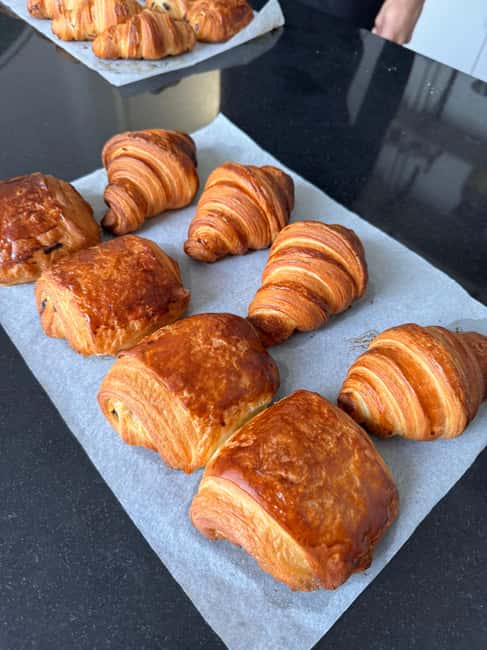
Then comes the payoff. The class includes ample sampling of freshly baked croissants made during the session, so you can taste the results while the experience is still fresh in your mind. In croissant terms, that’s a big deal. You learn faster when you connect the smell and texture to the technique you just performed.
Chef Léo’s Small-Group Coaching (and Why It Helps Beginners)
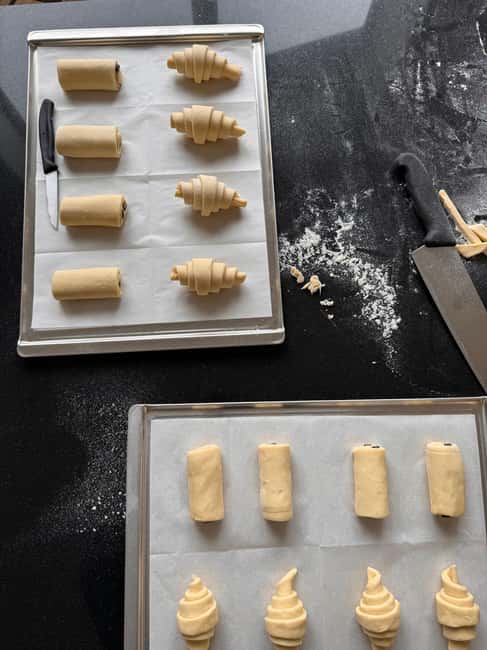
A lot of baking classes end up feeling like a demo with a side of participation. This one aims for the opposite. The chef’s job is to guide your hands through each step and keep you moving at the right pace.
What I’d call the “real win” here is the personal attention. The group is small enough that the chef can check your work while you’re still in the process, not after the fact. You’re encouraged to ask questions freely, and the atmosphere stays light-hearted, which matters when you’re doing something tricky and a little repetitive.
Several participants highlight that Chef Léo keeps instruction easy to follow and makes sure you understand the need for each step, not only how to do it. That might sound like marketing, but in practice it changes how you bake at home. If you know why proofing matters or how butter quality affects the lamination, you’re less likely to chase random fixes when your croissants come out dense.
Also, English instruction is a genuine quality-of-life upgrade. French pastry has a vocabulary of its own. When your teacher can explain the process in your language clearly, you waste less time translating and more time learning.
The Science Bits That Improve Your Croissant at Home
Croissants have a reputation for being “mysterious.” This class works hard to remove the mystery. You get insights into the history and science of croissant-making, then you see those ideas applied to the dough in front of you.
The class specifically emphasizes:
- Butter quality: butter is not just an ingredient. It’s the engine for the layers. Better butter tends to behave more predictably in lamination, which supports flakiness.
- Proofing nuances: proofing is where texture is decided. If the dough is under-proofed, you often get less rise and a tighter crumb. If it’s over-proofed, it can turn fragile.
You also learn the idea that croissant success is both technique and timing. Technique covers folds and shaping. Timing covers rest and proofing. When those align, you get the signature structure: layers you can see, and a crumb that feels delicate without collapsing.
One practical tip I’d keep from this style of teaching is to treat croissant-making like a sequence of controlled states. You are not “making dough once.” You’re moving dough through phases, and each phase sets up the next. That mindset helps even if you do not replicate the exact conditions at home.
More macaron classes in Paris:
- Paris: Montmartre Cheese, Wine & Pastry Guided Walking Tour
★ 4.8 · 2,255 reviews - Paris: Macaron Class at Galeries Lafayette
★ 4.2 · 1,196 reviews - Paris: French Macaron Culinary Class with a Chef
★ 4.9 · 591 reviews - Saint-Germain: Gourmet Chocolate & Pastry Walking Food Tour
★ 4.8 · 495 reviews
What You Eat and Take Home (Recipe Included)
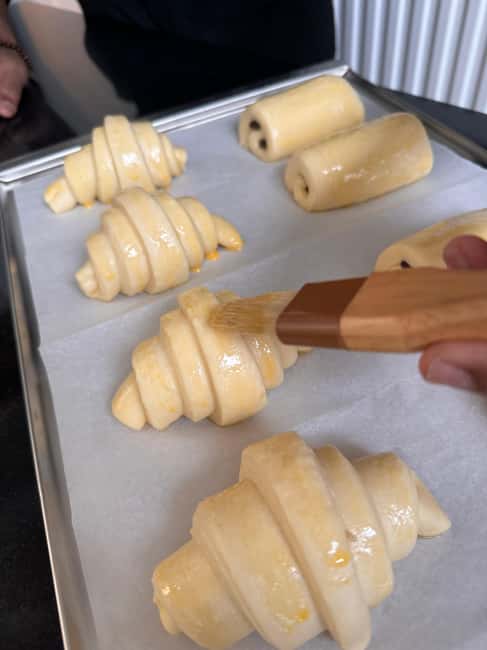
You’re not left empty-handed. The class includes:
- Ample sampling of freshly baked croissants from the ones you made
- A recipe to take home
- Personalized tips and tricks meant to help you get better next time
That recipe piece is more valuable than it sounds. Croissant recipes can be vague. Even small wording changes, like how to handle resting or the feel of dough, can make or break your attempt. Having a class-specific recipe plus the chef’s practical tips means you start with something closer to a system than a guess.
Also, the portion reality is real. Many participants report making around 8 croissants per person, plus additional items depending on the session. Even if you don’t finish everything on the spot, you usually have enough to bring some home. That’s a sweet deal in a city where pastry is good but not cheap.
Bottom line: you taste the outcome while it’s hot, then you leave with the tools to repeat the process.
Bi-Color Croissants for a Photo-Worthy Twist
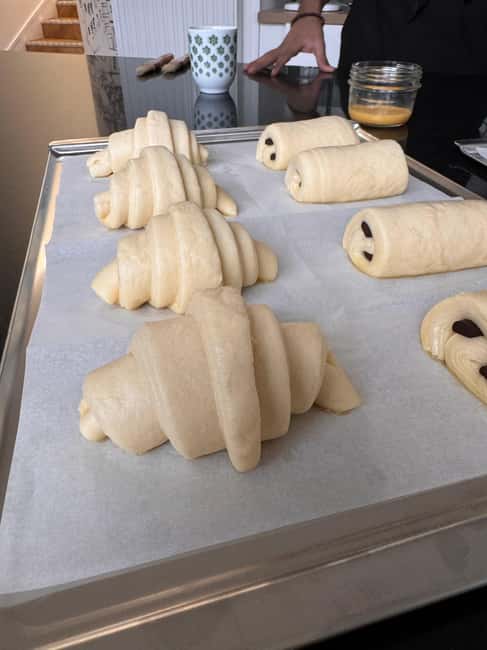
If you opt for the Bi-color Croissant Baking Class (offered on selected days), you’re added to a different set of instructions and ingredients. The goal is learning how to incorporate bright colors into the croissant dough while still getting the layering and texture you want.
This option is geared toward people who already like baking, or people who want a challenge beyond standard technique. If you’re a total beginner, it can still be fun, but go in knowing it’s an extra step in a process that already requires attention and patience.
From a practical point of view, the bi-color approach also helps you pay attention to dough handling. Colored dough can make you more aware of how your dough stretches, folds, and behaves. And since the class includes the ingredients and the class portion for bi-color croissants, you’re not stuck figuring out ratios and color behavior on your own.
Price and Value: Is $140 Worth It?
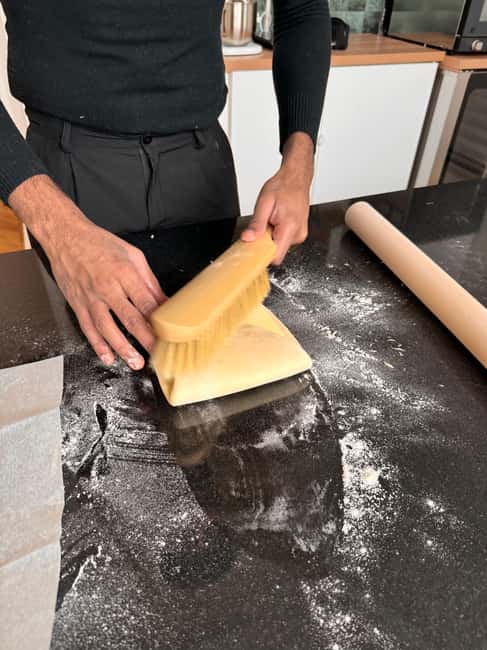
At $140 per person for a 3-hour class, you’re paying for three things: time, technique coaching, and ingredients plus equipment. You’re not just buying a recipe. You’re buying professional instruction in a small group, plus the chance to make and taste the results the same day.
Here’s what you get for that money, based on the class details:
- Expert guidance from Chef Léo throughout the class
- All necessary ingredients
- Access to professional-grade equipment and tools
- A recipe to take home
- Plenty of sampling of freshly baked croissants from your own work
- Insights into the history and science of croissant-making
- Personalized tips and tricks
- Optional bi-color ingredients and instruction on selected days
Is it cheaper than buying ingredients and baking at home? Sure. But the hidden cost of “bake it yourself” is trial and error. Croissants demand attention to folding, rest, proofing, and dough feel. This class compresses that learning curve, and it does so with correction in real time.
I’d call it good value if your goal is skill, not just a one-time pastry hit.
Before You Go: Age Rules and Arm-Strength Reality
Croissant dough is not delicate in the “oops, I broke a cookie” way. It takes work. Rolling and shaping require physical strength, which is why the class has an age requirement.
Key rules:
- Children under 15 are not suitable for the class.
- Children under 17 must be accompanied by a paying adult.
Even if you’re an adult, expect kneading and rolling to be physical. Wear clothes that let you move, and come ready to do the work. If you have limited grip strength or mobility concerns, this is something to consider before you book.
Getting to Studio Pâtisserie by Metro (Rome and Villiers)
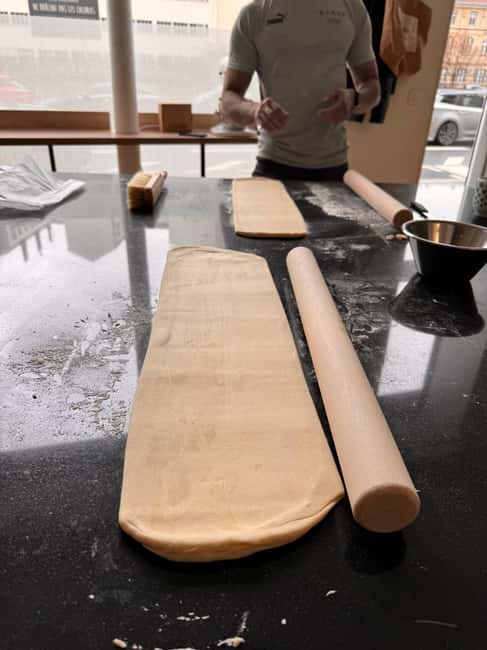
Meeting point is Studio Pâtisserie, in a building with a gray-colored storefront. It’s set up to be easy to reach using public transport.
The nearest metro options listed are:
- Metro Line 2: Rome
- Metro Line 3: Villiers
I’d plan to arrive a few minutes early so you’re not juggling directions while the session starts. Once you’re there, you’ll find the setup quickly because the storefront is clearly marked and the location is described in plain terms.
Should You Book This Croissant Class?
Book it if you want a classic Paris food experience that actually teaches skills. The small group limit of 8, the hands-on approach, and Chef Léo’s direct coaching are the core reasons this works. You learn technique plus the science behind butter quality and proofing, then you taste warm results right away.
Skip or reconsider if physical kneading and rolling are not your thing, since croissant dough is labor-intensive. Also, if you’re shopping for a kid-friendly activity, double-check the age rule.
If you’re the type of person who likes leaving a trip with something practical, this fits. You’ll take home a recipe, plus the mental checklist to bake better next time.
FAQ
How much does the croissant baking class cost?
The class costs $140 per person.
How long is the experience?
It runs for 3 hours.
Where do I meet for the class?
Meet at Studio Pâtisserie, in a building with a gray-colored storefront. The nearest metro options are Metro Line 2 (Rome) and Metro Line 3 (Villiers).
Is the class taught in English?
Yes, the instructor provides instruction in English.
How big is the group?
The class is a small group limited to 8 participants.
What will I make and eat during the class?
You’ll craft your own croissants with chef guidance. The class also includes ample sampling of freshly baked croissants during the session, including ones you made, plus a recipe to take home.
Is there a bi-color croissant option?
Yes. On selected days, there is an exclusive Bi-color Croissant Baking Class option, and bi-color ingredients and class time are included if you select it.
What are the age requirements?
It is not suitable for children under 15. Children under 17 must be accompanied by a paying adult.
Can I cancel and get a refund?
Yes, there is free cancellation up to 24 hours in advance for a full refund.
Do I have to pay immediately to reserve?
No. You can reserve now and pay later, meaning you can book your spot and pay nothing today.
Newly listed around Paris
- The voice of Montmartre is a must-see in Paris★ 3.8 · 19 reviews
- Top Private Cruises in Paris with Champagne + more surprises★ 5.0 · 309 reviews
- The Official Emily in Paris Montmartre Walking Tour★ 4.7 · 40 reviews
- The Paris Pass® Plus: 90+ Attractions including The Louvre★ 3.4 · 386 reviews
- The Official Emily in Paris Locations Walking Tour★ 4.9 · 383 reviews
- The Official Emily in Paris Macaron-Making Workshop★ 4.9 · 68 reviews
- The Official Emily in Paris Wine & Cheese with Butter Making★ 4.9 · 20 reviews
- The Official Emily in Paris Croissant-Making Workshop★ 4.9 · 85 reviews
Macaron Baking Classes, compared.
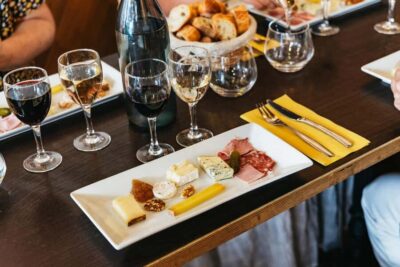
Montmartre Cheese, Wine & Pastry Guided Walking Tour
Read our review →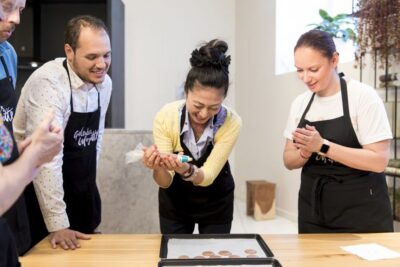
Paris Croissant Small-Group Baking Class with a Chef
Read our review →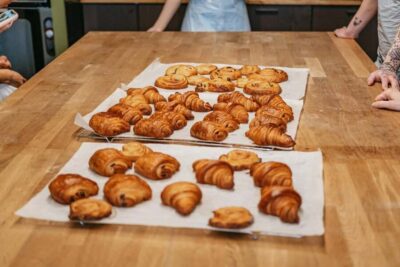
Saint-Germain: Gourmet Chocolate & Pastry Walking Food Tour
Read our review →
Seine Cruise and Macaron Tasting by the Eiffel Tower
Read our review →Browse the lists this tour appears in