
Reviewed · CARCASSONNE DAY TOURS
Wine Discovery Tasting In Carcassonne
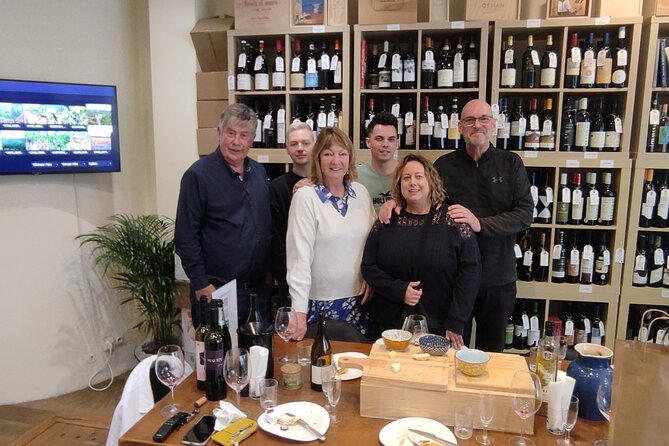
Wine lessons, not a stuffy lecture. In Carcassonne, this Languedoc and Roussillon tasting has you working through 6 to 8 wines while learning what you are actually smelling and tasting. You sit at a proper table in an air-conditioned room, then move through a friendly tutorial that makes regional wines feel simple.
I love the way the session builds your palate step by step, so the tasting is more than just sipping. You get hands-on tips for aromas and flavor recognition, plus food pairing so you learn what works and why. I also like the food setup: local bites, including a cheese board with 4 to 5 cheeses (from Fromageries Bousquet), charcuterie, olives, and freshly baked organic bread.
One consideration: it runs as a small group, max 12 people, so if you want tons of one-on-one attention, you may have to wait for questions. Still, the vibe stays relaxed and informal, and it is designed to keep you comfortable whether you come solo or with friends.
In This Review
- Key things that make this tasting worth your time
- Walking Into Vins & Vinos, and what to expect the moment you arrive
- The 2-hour format: how six to eight wines actually works
- Learning to taste like a pro, without pretending you are one
- Languedoc and Roussillon explained from grape to glass
- The food pairing table: cheeses, charcuterie, bread, and dips
- Why this teaching style feels so relaxed (and actually useful)
- Price and value: is $72.41 worth it?
- Practical tips to get the most from the tasting
- Who should book this, and who might skip it
- Should you book this Wine Discovery Tasting in Carcassonne?
- FAQ
- How long is the wine tasting, and how many wines will I taste?
- What food is included during the tasting?
- What languages are the tastings offered in?
- Where do I meet for the tour?
- Can the experience handle food allergies or dietary restrictions?
- Is there free cancellation, and what happens if it is canceled due to weather?
Key things that make this tasting worth your time
- Six to eight wines in a focused 2-hour session, not a half-day event that drags
- A teach-you-to-taste style that helps you identify key aromas and flavors as you go
- Carcassonne table food like cheese, charcuterie, olives, olive oil, balsamic vinegar, and organic bread
- Local Languedoc and Roussillon context, including Roman-era origins up to today
- Sustainability and organic or natural wines, explained in plain language
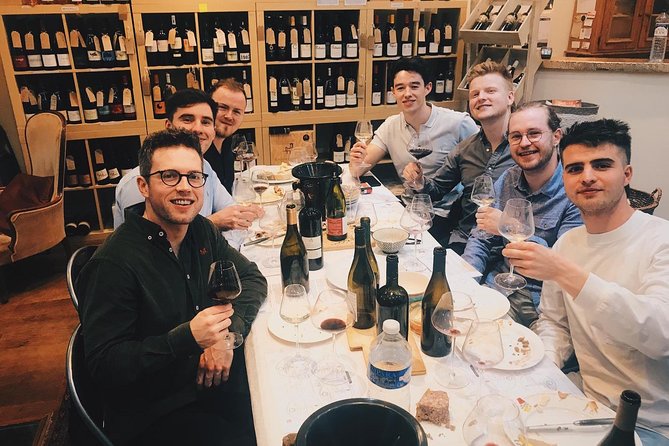
- Alex as host, friendly, enthusiastic, and set up to answer questions without snobbery
Walking Into Vins & Vinos, and what to expect the moment you arrive
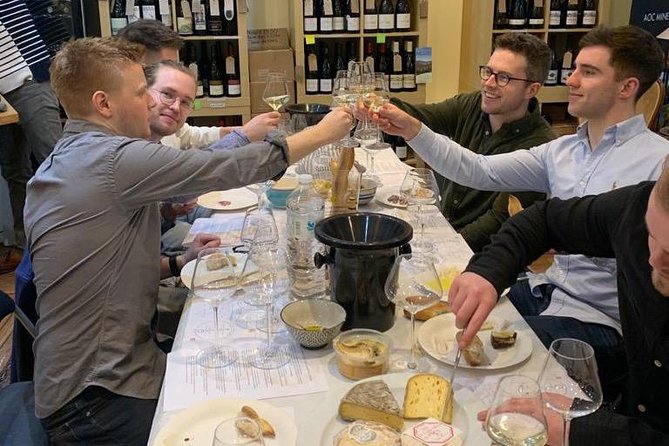
This experience starts at Vins & Vinos Carcassonne Wine Shop, 38 Rue Barbès, 11000 Carcassonne. It is a shop setting, so you avoid the long, wandering museum feeling. Instead, you show up, get seated, and the tasting rhythm starts right away.
One of the small details that matters: it is held in an air-conditioned room with tasting tables. Carcassonne can get warm, even when the day is pleasant, so that comfort helps you focus on the wine instead of fanning yourself and guessing aromas in the heat. The shop is also near public transportation, which is handy if you are mixing it with other sights.
Language is another practical plus. The tasting is conducted in English, French, or Spanish depending on the session, so you are not stuck translating everything in your head. And it is capped at a maximum of 12 travelers, which usually keeps the atmosphere friendly and question-friendly.
If you have mobility concerns, the data says most travelers can participate, but it is still a sit-down tasting experience, so plan for time on your feet mainly to arrive and settle in.
More Carcassonne visits:
- Carcassonne: Castle and Ramparts Entry Ticket
★ 4.6 · 2,884 reviews - Toulouse: Carcassonne Day Trip by Coach with Audioguide
★ 4.4 · 580 reviews - Carcassonne During World War 2
★ 5.0 · 127 reviews
The 2-hour format: how six to eight wines actually works
A lot of wine tastings fail because they try to do too much or move too fast. Here, the timing makes sense: about 2 hours, and you will taste between 6 and 8 wines.
You do not just drink one wine and hope you figure it out. The structure is built around tasting in sequence, then using side-by-side comparisons. That approach is a real shortcut for your brain. When you compare similar styles back-to-back, you start noticing differences in acidity, fruit character, and the kind of finish each wine gives you.
You can also expect variety across types. The experience can include a sparkling option and then move through whites, rosé, and reds depending on the selection. One review specifically mentioned crémant de Limoux, which is a fun detail because it ties the tasting back to local wine culture rather than giving you only generic grape labels.
The pacing also protects your appetite. Tastings that ignore food can make even good wine feel heavy. Here, you have food support from the start and throughout, with bread and savory plates showing up as part of the experience, not as an afterthought.
Learning to taste like a pro, without pretending you are one
This is the part I think you will appreciate most, even if you swear you are not a wine person. The tasting is described as a relaxed tutorial on how to appreciate wine and to taste like a professional, but it is still informal.
What that looks like in practice is learning to recognize key flavors and aromas while you taste. Instead of saying wine is fruity and stopping there, the session guides you to connect aromas to real sensations you can name. Think about how some wines show citrus or stone fruit, while others lean toward herbs, spice, or deeper dried-fruit notes. When you learn the vocabulary, your next glass gets easier, because you are no longer guessing.
You also learn how to match wine with local foods, which is where most tastings become memorable. Languedoc and Roussillon wines are meant to live alongside food. When you eat cheese, charcuterie, olives, and bread while tasting, your palate resets naturally. The wine also tastes different in a good way once you start pairing.
And there is honesty in the style. Reviews point out that the host shares opinions without snobbery. That matters because it turns wine education into something you can actually use at a restaurant, not something you forget the moment you leave.
Languedoc and Roussillon explained from grape to glass
The tasting is aimed at Languedoc and Roussillon, two regions that are huge enough to feel confusing at first. This session reduces that confusion by giving you a regional map in words, then backing it up with wine.
You will get an overview of what makes the Languedoc interesting today, including discussion of regionality and how where grapes are grown affects the wine’s character. You will also cover key varietal wines and some great Languedoc blends, so you see both single-grape expressions and how winemakers combine grapes for balance and style.
Expect the conversation to include modern wine topics too. The overview calls out sustainability, plus organic and natural wines. Even if you do not plan to become a farming expert, this kind of context changes how you read a label and how you choose bottles. You start to understand that “natural” or “organic” is not just a trend word, it is tied to how grapes are grown and how the wine is made, which can shift flavor and texture.
And yes, there is history. The tasting includes wine’s story from the Romans to the present day. That matters because it helps you see wine in this area as part of a long cultural rhythm, not a fresh fad. When the host ties centuries of grape-growing to what is in your glass now, the tasting feels grounded.
Other France bookings to consider
- Paris: Seine Cruise & Crepe Tasting near the Eiffel Tower
★ 4.4 · 11,231 reviews - Authentic Parisian Gourmet Food Tour with 10 Local Dishes & Wines
★ 5.0 · 4,754 reviews - Bordeaux: Cité du Vin Entry Ticket and Wine Tasting
★ 4.6 · 3,885 reviews - Normandy D-Day Small-Group Day Trip with Omaha Beach, Cemetery & Cider Tasting
★ 5.0 · 2,786 reviews
The food pairing table: cheeses, charcuterie, bread, and dips
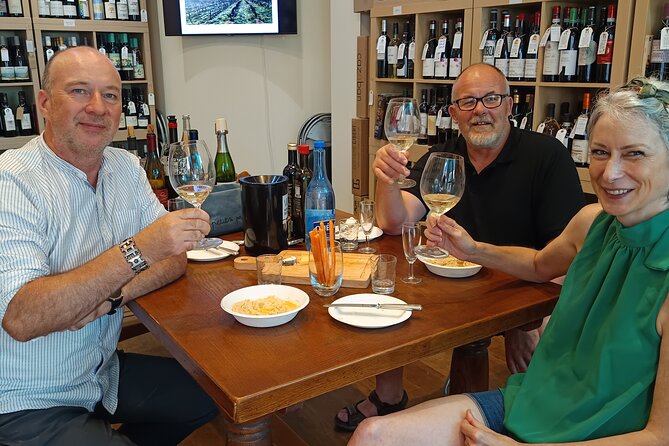
Let’s talk about the spread, because it is not “a cracker and a dream.” The described menu includes a progression of bites that match the wines.
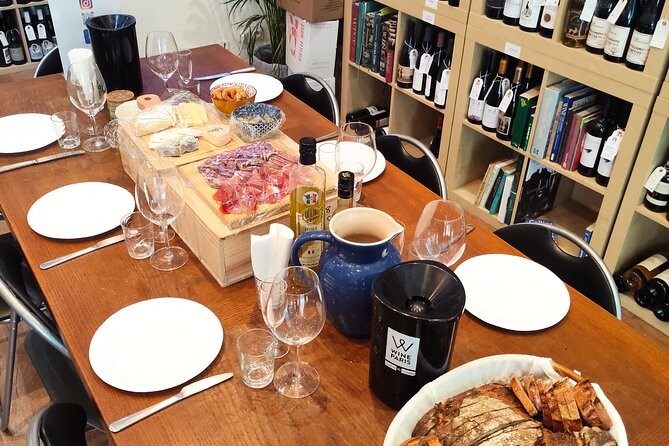
You may start with something like homemade hummus with lemon zest. Then you likely move into a cheese board with 4 to 5 local cheeses, with seasonal cheese supplied from Fromageries Bousquet. That matters because the tasting is tied to the local supply chain, not generic store snacks.
Bread is a big part of the experience. You get freshly baked local organic bread in several styles, including wheat, rye bread sourdough, and wholegrain. That variety is more than a nice touch. Different breads help you reset your palate between wines and pick up how acidity or tannin feels with food.
Expect a classic dipping combo too: bread plus olive oil and balsamic vinegar. Olive oil also pairs well with both crisp whites and richer styles, and balsamic can highlight fruit and savory notes in surprising ways.
Charcuterie also shows up, often as a board. Along with olives and tapas-style components, it gives you salt, fat, and texture. That is exactly what wine needs to show its best side. If you ever wondered why wine tastes better at a table than alone, this is the answer.
Why this teaching style feels so relaxed (and actually useful)
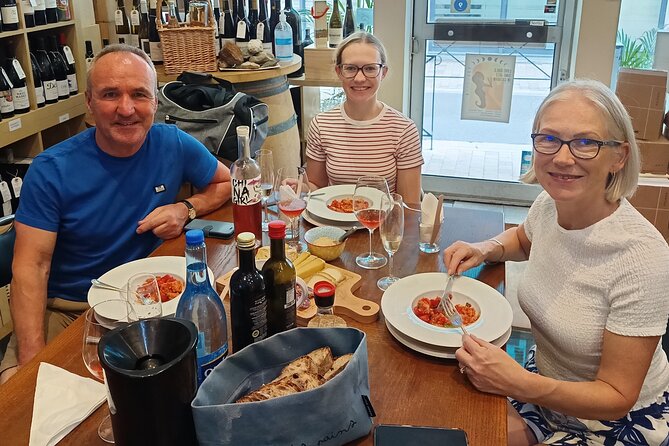
The experience is designed to be informal, and you can feel that in the details. You sit comfortably at tasting tables, and the host drives the lesson while keeping space for questions. Reviews repeatedly mention that the atmosphere is relaxed, fun, and not snobby.
Alex comes up again and again in the reviews, described as enthusiastic and generous with both food and wine. That matters because a tasting can be “educational” but also stingy. Here, the session includes enough food to keep you comfortable and enough wine variety to make the learning stick.
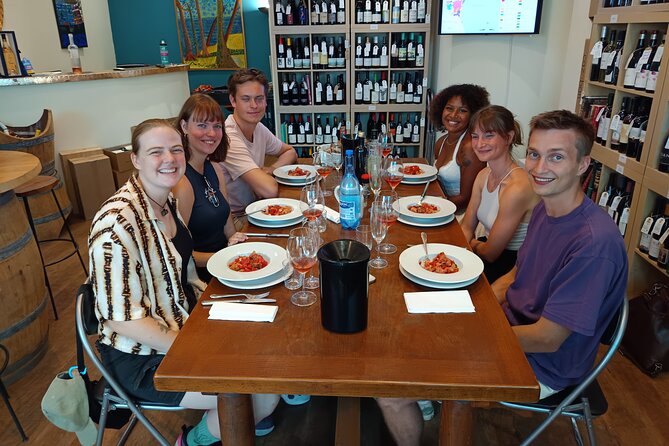
As a solo traveler, you should feel fine. The small group format helps you mingle without turning it into a forced social event. You also get the advantage of hearing other people’s questions, which can be a shortcut to clarity. In wine learning, everyone trips over different parts, and the best teaching happens when someone asks the question you were too shy to.
Price and value: is $72.41 worth it?
At $72.41 per person for about 2 hours, this is not a casual $20 pour-and-walk-away tasting. But it is also not priced like a formal, multi-course wine school.
Here is what you are paying for:
- A guided tasting of 6 to 8 wines (not just one or two)
- Food that is part of the tasting, including cheese board, charcuterie, olives, bread, and dips like olive oil and balsamic vinegar
- Context and explanation, including history from Roman-era wine to today, plus sustainability and organic or natural wine themes
- A small group, max 12, which tends to make questions and comparisons more practical
If you compare it to buying wine and food separately, you usually end up spending a similar amount for just one or two bottles and a small plate. This packs the experience into one guided session where everything supports the learning goal. In other words, the value comes from the pairing and the structure, not only the number of pours.
It also tends to book ahead. If your trip dates are fixed, I suggest you reserve early so you do not end up choosing a different activity simply because this one sold out.
Practical tips to get the most from the tasting
Here’s how you can make the session pay off later, even after you stop drinking.
- Come hungry enough for bread, cheese, and charcuterie to feel good. If you show up starving, the later wines can feel a bit too strong. If you show up overfull, you may miss the pairing effects.
- Take a quick note of your favorites. The host may guide the comparisons and flavor identification, but your memory of which wine matched which food gets fuzzy fast.
- Ask about what you like. If you prefer crisp wines over bold reds, say so. The session is built around matching tastes and aromas, so your preferences can steer your learning.
- Try at least one you think you will not like. The whole point of side-by-side comparisons is to show how styles and blends can surprise you. Even a small change in grape blend or aging can shift how “sweet,” “dry,” or “smooth” feels.
Also, if you have allergies or dietary restrictions, the experience asks you to inform them. That is worth doing early so they can guide you on what you can eat during the tasting.
Who should book this, and who might skip it
You should book if you want:
- A fun, low-pressure way to learn Languedoc and Roussillon wines
- A tasting that includes real food pairing (cheese, charcuterie, bread, dips), not just wine flights
- A small group experience led by Alex, with room for questions and comparisons
- A clear explanation of aromas, flavors, and how to match wine to food
You might skip it if:
- You prefer private wine tours with one-on-one teaching, since this one runs up to 12 people
- You want zero history talk and only tasting, because the session includes Roman-era wine history and modern sustainability themes
Should you book this Wine Discovery Tasting in Carcassonne?
If you like the idea of leaving Carcassonne with a better sense of what to order, this is an excellent bet. The strongest reason to book is the combo of structured wine education with a proper table of local food, including cheese, charcuterie, and organic bread. At $72.41 for 2 hours, it feels like good value because the learning is guided and the food is genuinely part of the experience, not a token snack.
If you are short on time, it still runs long enough to make sense of the wines, especially with comparisons. I would book it if you enjoy learning through tasting, and if you want your next bottle to feel less like a gamble.
FAQ
How long is the wine tasting, and how many wines will I taste?
The experience lasts about 2 hours and you will taste between 6 and 8 different wines.
What food is included during the tasting?
You get a light selection of local foods to go with the wines, including local cheeses (4 to 5 cheeses on the cheese board), charcuterie, olives, olive oil and balsamic vinegar for dipping, and freshly baked local organic bread (including wheat, rye bread sourdough, and wholegrain).
What languages are the tastings offered in?
The tastings are conducted in English, French, or Spanish.
Where do I meet for the tour?
You meet at Vins & Vinos Carcassonne Wine Shop, 38 Rue Barbès, 11000 Carcassonne, France.
Can the experience handle food allergies or dietary restrictions?
You are asked to inform the provider of any food allergies or dietary restrictions so they can advise you.
Is there free cancellation, and what happens if it is canceled due to weather?
Yes, free cancellation is available. You can cancel up to 24 hours in advance for a full refund. If it is canceled due to poor weather, you will be offered a different date or a full refund. If the minimum number of travelers is not met, you will also be offered a different date or a full refund.
More Wine Tours in France
- Paris: Moulin Rouge Cabaret Show Ticket with Champagne
★ 4.7 · 16,088 reviews - Loire Valley Castles Day Trip from Paris with Complementary Wine
★ 4.5 · 3,907 reviews - Bordeaux: River Garonne Cruise with Glass of Wine and Canelé
★ 4.5 · 3,630 reviews - Montmartre Hill French Gourmet Food and Wine Tasting Walking Tour
★ 5.0 · 2,588 reviews
Newly listed around France
- Visit the lavender fields, the Gorges du Verdon and Moustiers.★ 5.0 · 17 reviews
- Provence small group half-day wine tour from Aix★ 4.5 · 18 reviews
- Picturesque Luberon – From AIX-EN-PROVENCE★ 5.0 · 55 reviews
- Monaco & the French Riviera – From AIX★ 4.5 · 20 reviews
- 5-Hours Lavender Fields Tour in Valensole from Aix-en-Provence★ 5.0 · 42 reviews
- Luberon Market & Villages Day Trip from Aix-en-Provence★ 5.0 · 250 reviews
- Lunch in Provence: Discovering Local Flavors in Aix-en-Provence★ 5.0 · 38 reviews
- Half day Wine Tour in Côtes de Provence Sainte-Victoire from Aix en Provence★ 5.0 · 27 reviews
Carcassonne Day Tours, compared.
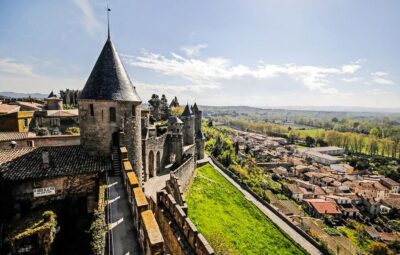
Carcassonne: Castle and Ramparts Entry Ticket
Read our review →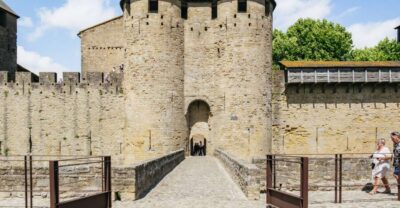
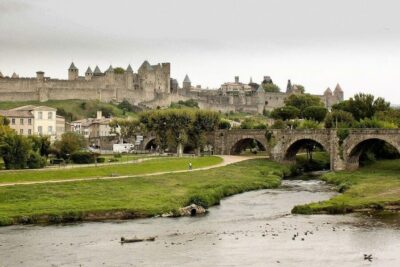
Carcassonne: Private Guided Tour of the Medieval Fortress
Read our review →
Languedoc: Tour and Tasting at Domaine de Baronarques
Read our review →
Carcassonne: Medieval Builder-Themed City Tour with a Guide
Read our review →
Carcassonne: 1h30 Walking Tour of the Medieval City
Read our review →
Carcassonne: Solex tour with guide and wine tasting
Read our review →Browse the lists this tour appears in