
Reviewed · CARCASSONNE DAY TOURS
Carcassonne: Castle and Ramparts Entry Ticket
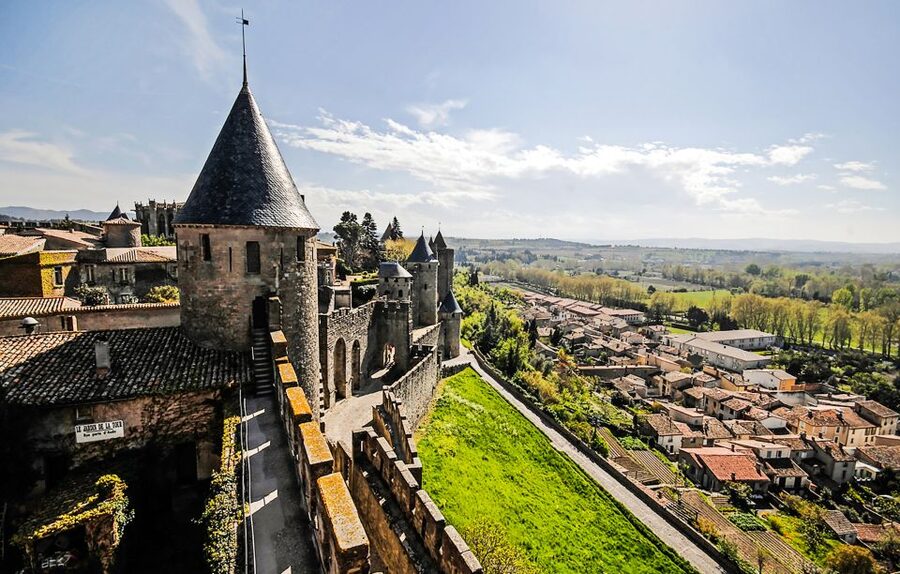
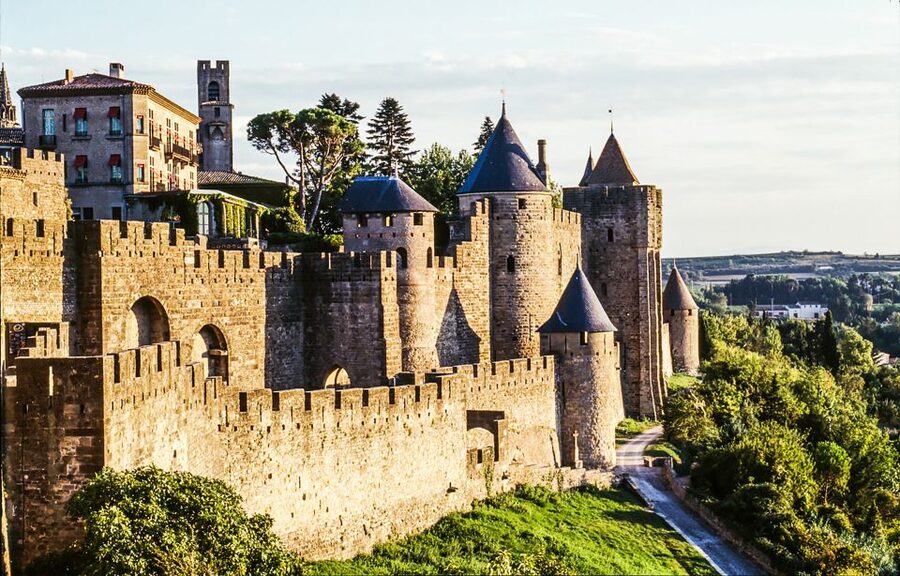
Carcassonne hits you fast. From the castle courtyards to the walkable ramparts, this ticket lets you explore one of France’s most complete medieval defensive worlds. I especially like the focus on the key structures, including the square Bishop’s Tower, and the way the visit practically pulls you into the 1,000 years of wall building behind Carcassonne’s famous look. One drawback to plan for: the ramps and ramparts involve lots of steps and uneven stone, so it can be tiring if stairs are a challenge.
What makes this entry ticket feel like good value is that you are not paying extra just to get in the door. For $15, you get a self-guided circuit through the Château Comtal courtyards, the archaeological museum area, and the ramparts, plus a multilingual leaflet. If you want more storytelling as you walk, you can rent an audio guide on-site for 3 euros, and that extra context is commonly worth it, as long as you expect it to work like a self-paced recording.
In This Review
- Key Points to Know Before You Go
- Why Carcassonne’s Walls Feel Different Than Other Castles
- What Your $15 Ticket Includes (And Where Extras Start)
- First Stop: Château Courtyards and the Museum Pieces You Can Actually Use
- Bishop’s Tower: The Climb That Explains the Walls
- Salle Pierre Embry: The Window Detail You Might Miss Without a Plan
- The Ramparts Walk: Views, Timing, and How to Enjoy the Narrow Parts
- The Western Ramparts Addition: A View Worth Including
- Food, Breaks, and the Inside-of-the-Walls Reality
- Audio Guide: When the Extra €3 Makes the Walk Click
- Best Timing and Simple Strategy for a Smoother Visit
- Who This Entry Ticket Works Best For
- Should You Book This Carcassonne Castle and Ramparts Ticket?
- FAQ
- What does the ticket include?
- Is the audio guide included?
- How long should I plan for the visit?
- Where do I meet for the entry ticket?
- What days are the monument or ramparts closed?
- Do I need a passport or ID?
- Are animals allowed inside the monument?
Key Points to Know Before You Go
- Bishop’s Tower: the rare feature that straddles both city walls, and it is worth climbing
- Salle Pierre Embry: a window with three early-15th-century polychrome alabaster statues
- Ramparts walk time: the loop is about 30 minutes if you move steadily, longer if you stop for views
- Go early for comfort: late mornings can get busier, and the ramparts can feel narrow
- Optional audio guide: rent it for added guidance, but one downside is a few recording segment transitions
Why Carcassonne’s Walls Feel Different Than Other Castles
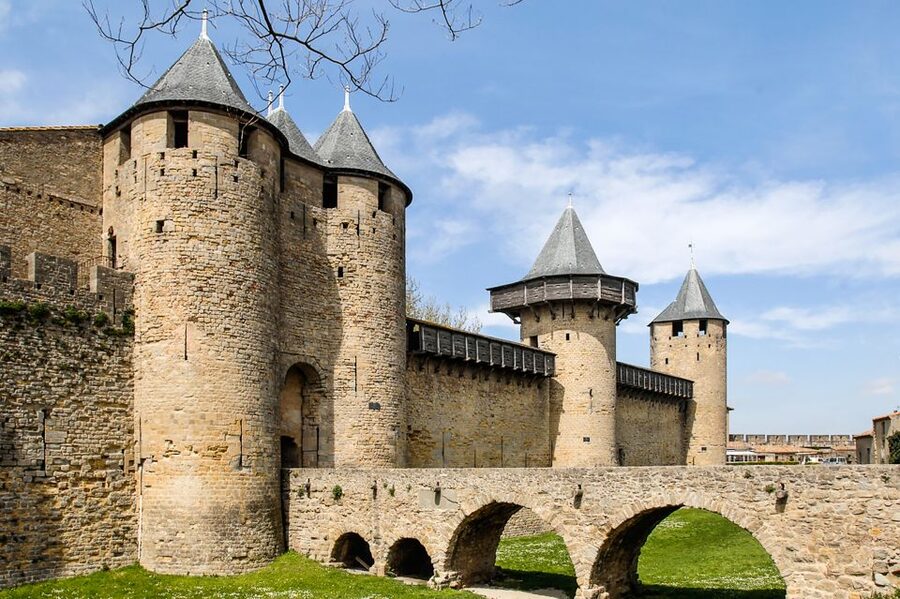
Carcassonne did not just appear fully formed. It started long before the famous medieval look, with settlement stretching back to at least the 6th century BC, then growing into an important Roman town. Later, fortifications went up in the 4th century, and the site mattered through the Middle Ages because it controlled a strategic position.
Then came the moment that shaped what you see today. In the 13th century, the king decided to create the distinctive double-walled ramparts and expand the castle. That design is why you do not feel like you are only visiting a pretty postcard. You are walking defensive engineering, layer by layer.
To make sense of why that engineering matters, it helps to know what happened later. After the Cathar Crusade (1209 to 1229), Carcassonne was left in ruins, and the Trencavel family suffered exile and persecution tied to the Inquisition. In the 19th century, Eugène Viollet-le-Duc was commissioned by the French state in 1844 to restore the city. His student Paul Boeswillwald oversaw completion in 1911. The result is a medieval fortress that looks whole enough to help you understand how it worked. It also earned UNESCO World Heritage status in 1997.
More Carcassonne visits:
- Toulouse: Carcassonne Day Trip by Coach with Audioguide
★ 4.4 · 580 reviews - Carcassonne During World War 2
★ 5.0 · 127 reviews - Wine Discovery Tasting In Carcassonne
★ 5.0 · 85 reviews
What Your $15 Ticket Includes (And Where Extras Start)

This is a self-guided entry ticket sold for a 1-day visit window. You get:
- a self-guided tour of the castle courtyards
- the archaeological museum area
- access to the ramparts
- a leaflet in multiple languages (French, English, German, and many others)
Audio is not included. You can rent it on-site for 3 euros. A few reviews say it is the best way to maximize the experience, especially because the audio points you to details as you walk, not just general history. If you are the type who likes to read every sign, you might feel fine skipping audio, since you will find explanations around the site. If you want a smoother narrative while you climb and walk, the audio usually makes the walk feel more connected.
The extra you should budget for is mainly the audio guide. Everything else is about your pace, water, and comfort on the stone. So value-wise, the ticket makes sense if you plan to actually walk the ramparts loop and spend time inside the château.
First Stop: Château Courtyards and the Museum Pieces You Can Actually Use
Most people underestimate how much the layout helps you learn. The entry experience pulls you into the château area first, then builds toward the ramparts. That is a good flow because the courtyards let you get oriented before you start walking a wall circuit.
Inside, you can expect to spend time around:
- château courtyards (good for seeing architectural structure and openings)
- the archaeological museum portion (helpful if you want context beyond what you can spot with your eyes)
If you like history but do not want to spend your whole day reading panels, this is a smart compromise. The site gives you enough anchors to understand what you are seeing, and you can choose how much detail you add with audio.
A small practical tip: arrive with shoes you trust. Carcassonne’s stone surfaces and stairways are part of the experience, but they also mean you should plan for fatigue. One review notes there are lots of stairs and uneven surfaces, so do not dress like you are going to a museum with flat floors.
Bishop’s Tower: The Climb That Explains the Walls
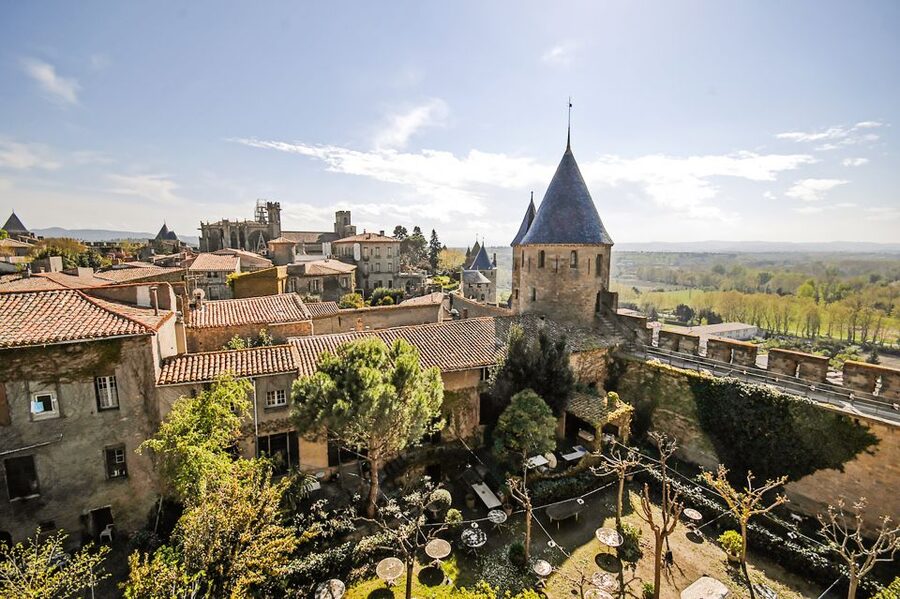
If I had to pick one interior highlight that turns into a real memory, it is Bishop’s Tower. This is the only construction that straddles both city walls. That sounds like a trivia point until you’re standing there, realizing this tower sits across a defensive boundary in a way that makes architectural sense.
Climbing the square Bishop’s Tower is not just a view grab. It helps you see how the wall system interacts and why certain sections feel connected. From above, the town and the geometry of the fortifications become easier to understand. Reviews repeatedly mention great views from different places along the ramparts too, but Bishop’s Tower is the one that gives you that “this is why it was built” feeling.
The drawback is physical. If you have mobility issues, stairs can be a challenge. The monument is accessible to people with limited mobility in specific areas (Barbican and main courtyard), but the tower climb itself may not be ideal. If you want to keep the visit comfortable, plan your route so you can enjoy the main areas even if you choose not to tackle every climb.
Other Carcassonne bookings to consider
- Disneyland® Paris 1-Day Ticket
★ 4.6 · 49,412 reviews - Paris: Versailles Palace and Gardens Full Access Ticket
★ 4.6 · 41,579 reviews - Paris: Arc de Triomphe Rooftop Tickets
★ 4.6 · 34,264 reviews - Paris: Orsay Museum Entry Ticket
★ 4.7 · 25,647 reviews
Salle Pierre Embry: The Window Detail You Might Miss Without a Plan
The highlight here is the Salle Pierre Embry, known for a window composed of three early-15th-century polychrome alabaster statues. This is the kind of detail that feels small until you stop, look carefully, and realize you are seeing medieval craftsmanship preserved inside the fortress space.
What makes it worth your time is that it breaks the fortress-only mood. While the walls scream defense and survival, the statues hint at power, wealth, and the kind of religious and political imagery medieval families displayed.
If you’re doing this as a fast pass, you might treat the room as a brief stop. I recommend the opposite: slow down for this one. A little extra attention here pays off.
The Ramparts Walk: Views, Timing, and How to Enjoy the Narrow Parts
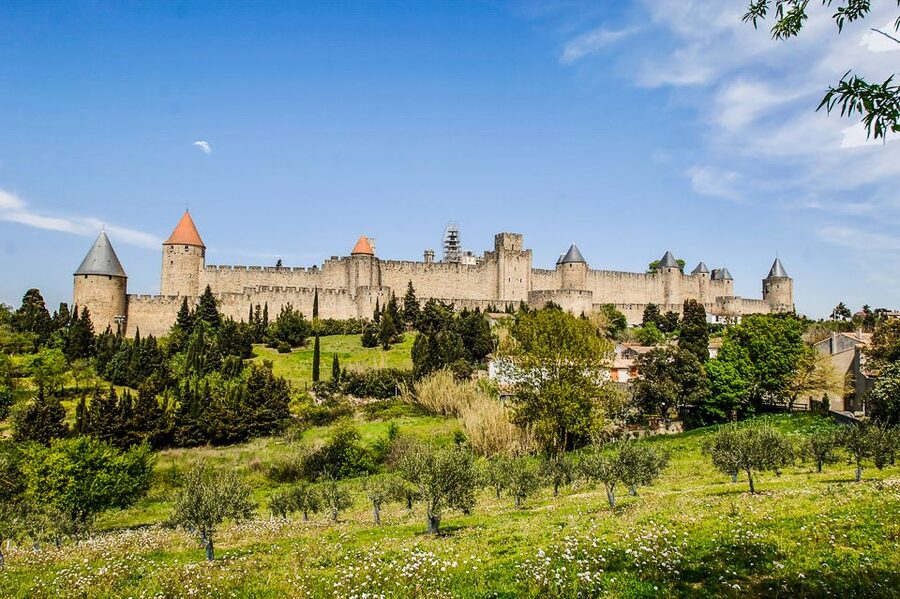
This is where Carcassonne earns its reputation. The ramparts give you the best sense of scale and control: you can see the city spreads out below and the surrounding countryside frames the walls.
A practical detail that matters: a steady walk around the ramparts loop takes about 30 minutes, but you will likely spend longer if you stop for photos and viewpoints. Reviews call out that there are views from many different places, which is why the walk feels rewarding even without a guide.
Timing is the biggest variable in how comfortable this section feels. One review notes they started around 10:30 and it was not crowded, then queues built later. Another points out the ramparts can be narrow, and crowding could make it less pleasant. So if you can choose your entry time slot, aim earlier in the day.
There are also multiple exit points along the ramparts, which is helpful if you need to step off without forcing yourself to finish the loop. That said, if you have mobility concerns, plan in advance and expect steep steps.
Also note a key closure: the Ramparts are closed on July 14 due to fireworks. If your trip overlaps that date, you will need a different day or plan around the closure.
The Western Ramparts Addition: A View Worth Including
Your ticket includes ramparts access, and there is also a self-guided addition focused on the medieval western ramparts. This is essentially your scenic bonus: you get invited to see the views from that side of the wall system.
The upside is simple. Most of the town’s best photos are not from street level. Walking the ramparts is how you get those sweeping angles without feeling like you’re trying to force it.
Food, Breaks, and the Inside-of-the-Walls Reality
Here’s the honest trade-off with Carcassonne: the medieval city inside the walls is also a place to eat and shop. That means you can take breaks without leaving the fortress area. Several reviews mention lots of places to eat inside the cité, and there are plenty of souvenir shops too.
I like building a rhythm into the visit. Walk a section of ramparts, stop for a view, then give yourself permission to duck inside for food and shade. Doing this makes the day feel less like a checklist and more like an actual slow travel afternoon.
If you are short on time, you could prioritize the château interior highlights and then focus on the ramparts viewpoints. But if you want the full effect, do not treat the ramparts as a quick photo line. The views come in waves, and you see different angles as you walk.
Audio Guide: When the Extra €3 Makes the Walk Click
The audio guide is optional, but it is one of the most discussed add-ons for this site. Reviews say it:
- helps you understand vital history
- uses story boards at regular intervals
- can be informative and funny
- makes the ramparts walk feel more structured
The practical catch: you rent it on-site for 3 euros, and you may need to leave an ID. One review also notes a frustration where the recording abruptly stops and moves to the next segment, so expect occasional transitions.
If you hate anything that feels even slightly “techy,” keep in mind the visit also works without audio because you will find explanation boards. But if you want a more guided feel without paying for a full tour, the audio is frequently the sweet spot.
Best Timing and Simple Strategy for a Smoother Visit
With a place this popular, your biggest enemy is not the stone, it is crowd flow. Here’s how I’d plan it with the facts you have:
- aim for an earlier entry time if you can, since queues build later
- do the château portion before the ramparts, since the château areas close earlier than some outdoor segments on busy days
- plan to spend longer than you think on the ramparts if you stop often, because the walk offers multiple viewpoints
Also keep an eye on closures:
- closed January 1st, May 1st, and December 25th
- ramparts closed July 14 due to fireworks
- on December 24 and December 31, the attraction closes at 4:00 PM
Who This Entry Ticket Works Best For
This is a strong fit if you:
- want a self-paced visit with built-in major stops
- like architecture and want to understand it by seeing it from multiple heights
- enjoy an active outdoor walk, even if it means stairs
It is also a good choice for people who dislike paying for a guided tour on top of a popular site. One review explicitly calls the self-guided approach better value than expensive guided alternatives, and the ticket matches that logic.
You may want to adjust expectations if you:
- struggle with stairs and uneven surfaces
- have mobility limitations beyond the Barbican and main courtyard access points
- dislike narrow walkways when crowds happen
Should You Book This Carcassonne Castle and Ramparts Ticket?
Yes, if you want the core Carcassonne experience without overthinking it. This ticket gives you the essentials for a fair price: château courtyards, archaeological museum access, and ramparts views, all in a self-guided format that works at your pace. If you can handle the steps and you plan to actually walk the ramparts loop, the value is excellent.
If you want the most story per minute, budget the €3 audio. If you want to save money, skip it and rely on signage, but plan to slow down at key stops like Bishop’s Tower and Salle Pierre Embry.
FAQ
What does the ticket include?
The ticket includes a self-guided tour of the castle courtyards, the archaeological museum, and the ramparts. You also receive a leaflet in multiple languages.
Is the audio guide included?
No. The audio guide is not included, but you can rent it on-site for a fee of 3 euros.
How long should I plan for the visit?
The ticket is valid for 1 day. The ramparts walk is about 30 minutes if you keep a steady pace, but you may spend longer depending on how often you stop for views.
Where do I meet for the entry ticket?
The meeting point is Chateau et Remparts de la Cite de Carcassonne, 1, rue Viollet-le-Duc, 11000 Carcassonne.
What days are the monument or ramparts closed?
The monument is closed January 1st, May 1st, and December 25th. The ramparts are closed July 14 due to fireworks. On December 24 and December 31, the attraction closes at 4:00 PM.
Do I need a passport or ID?
Yes. You should bring a passport or ID card, and the information also notes you may need cash.
Are animals allowed inside the monument?
No. Animals are not allowed inside the monument.
Newly listed around Carcassonne
- Languedoc: Tour and Tasting at Domaine de Baronarques★ 4.8 · 64 reviews
- Carcassonne: Medieval Builder-Themed City Tour with a Guide★ 4.9 · 57 reviews
- Carcassonne: Fortress Walking Tour★ 5.0 · 24 reviews
- Carcassonne: Solex tour with guide and wine tasting★ 5.0 · 30 reviews
- Carcassonne: Private Guided Tour of the Medieval Fortress★ 4.5 · 64 reviews
- Carcassonne: 1h30 Walking Tour of the Medieval City★ 4.7 · 44 reviews
- Carcassonne During World War 2★ 5.0 · 127 reviews
- Wine Discovery Tasting In Carcassonne★ 5.0 · 85 reviews
Carcassonne Day Tours, compared.

Carcassonne: Private Guided Tour of the Medieval Fortress
Read our review →
Languedoc: Tour and Tasting at Domaine de Baronarques
Read our review →
Carcassonne: Medieval Builder-Themed City Tour with a Guide
Read our review →
Carcassonne: 1h30 Walking Tour of the Medieval City
Read our review →
Carcassonne: Solex tour with guide and wine tasting
Read our review →Browse the lists this tour appears in